Blaze Pink Options Under Virginia Law
You've packed your gear, scouted your spot, and dreamed of that perfect fall morning in the Virginia woods. But before you even step foot out the door, there's a crucial piece of equipment that often sparks questions and can even feel a little confusing: your safety color. For years, blaze orange was the only option, leaving some hunters feeling limited or not quite "themselves" in the woods. This guide aims to clear up all the nuances around blaze pink, making sure you understand exactly what's allowed under Virginia law and how it can be a fantastic, highly visible choice for your next hunt.
The Evolution of Hunting Safety Colors in Virginia
It wasn't that long ago that "hunter orange" was the undisputed king of visibility in the woods. And for good reason – its bright, fluorescent hue stands out dramatically against the natural greens, browns, and grays of the Virginia landscape, making it incredibly effective at preventing hunting accidents. But times, and scientific understanding, evolve. The introduction of blaze pink as a legal option for hunters marked a significant shift, offering another highly visible alternative that research shows is just as effective, if not more so, for the human eye, especially for those with red-green color blindness. This wasn't a frivolous change; it was rooted in a desire to provide more options while maintaining, and even enhancing, hunter safety for everyone.
Why Blaze Orange Became the Standard
Before blaze orange was widely adopted, hunting accidents due to mistaken identity were a far too common and tragic reality. Hunters often wore drab colors, camouflage, or even red, which, contrary to popular belief, doesn't stand out well in many natural light conditions. When it comes to the spectrum of light, red can easily be mistaken for natural foliage or the brown coat of a deer, especially at dawn or dusk, or in dense cover.
The advent of fluorescent orange, often called "hunter orange" or "blaze orange," changed the game entirely. Its unique wavelength allows it to appear vividly bright even in low light, making it unmistakable as an artificial color in the woods. Virginia, like many other states, mandated its use during certain seasons and for specific types of hunting because it dramatically reduced visibility-related accidents. It quickly became ingrained in hunting culture as the color of safety, a non-negotiable part of a responsible hunter's kit, ensuring you were seen by other humans, not mistaken for game.
The Rise of Blaze Pink as a Viable Alternative
The move to include blaze pink wasn't just about fashion; it was about science and inclusivity. Studies, particularly one notable one from the University of Wisconsin, found that fluorescent pink, often referred to as "blaze pink," performed just as well, or in some cases even better, than blaze orange in terms of visibility to the human eye. What's even more fascinating is that for individuals with common forms of red-green color blindness, blaze pink can actually be more discernible than blaze orange. This is a huge benefit, as many hunters experience some degree of color vision deficiency, and for them, blaze orange might not offer the same level of contrast and visibility as it does for those with full color vision.
Virginia officially adopted blaze pink as a legal alternative to blaze orange in 2017. This was a progressive step that acknowledged evolving research and provided hunters with more choice without compromising the core principle of safety. It meant that hunters could now choose the color that they felt most comfortable and visible in, broadening the appeal of hunting to a wider demographic while maintaining rigorous safety standards. It’s about being seen, unequivocally, by other people in the woods, and blaze pink absolutely delivers on that front.
Virginia's Legal Requirements for Blaze Pink
Understanding the specifics of Virginia's hunting regulations is paramount, and that includes when and how you're required to wear safety colors like blaze pink. The Virginia Department of Wildlife Resources (DWR) outlines clear guidelines to ensure maximum safety for all hunters. It's not enough to simply have blaze pink; you need to know when it's mandatory and how much of it needs to be visible. Getting this wrong isn't just a potential fine; it's a safety hazard.
When Blaze Pink (or Orange) Is Required
In Virginia, the requirement for wearing blaze orange or blaze pink primarily centers around firearm seasons for big game and during certain specific hunting methods. It’s during these times, especially when visibility can be low or when multiple hunters might be in the same general area, that identifying other human beings quickly and accurately becomes critical.
Here’s a breakdown of when you must wear 100 square inches of solid blaze orange or solid blaze pink, visible from 360 degrees:
- Hunting Deer, Bear, or Elk with a Firearm: This is the most common scenario. If you're out during Virginia's General Firearms Deer Season, or any other open firearm season for these species, this rule applies to you.
- Hunting with a Muzzleloader during the Muzzleloader Deer Season: Even though muzzleloaders have a different classification than modern firearms, the safety requirements for visibility remain the same during the dedicated muzzleloader season. You can learn more about specific requirements in our guide to Virginia Early Muzzleloader Tactics.
- Participating in a Deer Drive: When organizing or participating in a deer drive, where hunters intentionally move deer towards other standers, visibility is absolutely crucial due to the movement and potential for high-excitement situations.
- Accompanying Others in These Scenarios: If you are not hunting but are accompanying someone who is engaged in any of the above activities, you also need to adhere to the blaze orange or blaze pink requirement. This ensures that everyone in the hunting party is clearly visible.
It's important to note that these requirements generally do not apply during archery-only seasons (unless you are on a deer drive, which is rare for archery) or during spring turkey season. For archery, the focus is on camouflage and stealth. For turkey hunting, the goal is to mimic a turkey, and blaze colors would be counterproductive to success, though extreme caution is always advised. If you're planning for Bowhunting Virginia's Statewide Archery Season, you won't need it, but always double-check the latest DWR regulations, perhaps even using a tool like GoHunt to look up specific county rules, as things can occasionally change.
Minimum Surface Area and Visibility Standards
The DWR doesn't just say "wear blaze pink"; it specifies how much and how it must be worn. The key phrase is "at least 100 square inches of solid blaze orange or solid blaze pink material visible from 360 degrees." This isn't an arbitrary number; it’s designed to provide a large enough visual target to be seen from any angle, whether you’re sitting, standing, or moving.
Let’s break down what this means in practice:
- 100 Square Inches: This typically translates to a vest or a hat. A standard blaze orange or pink vest will easily meet this requirement, often providing much more than 100 square inches. A bright hat alone might not be enough if it's your only piece of safety color, so combining a hat with a vest is a common and safe practice. Many hunters opt for both a hat and a vest to maximize their visibility, even exceeding the minimum, especially when walking into or out of hunting areas in low light.
- Solid Blaze Pink/Orange: The material must be solid in color. This means camouflage patterns that incorporate blaze pink or orange generally do not count towards the 100 square inch minimum. While some clothing might have small blaze accents, the main requirement is for a continuous, unbroken patch of the safety color.
- Visible from 360 Degrees: This is perhaps the most critical aspect. Your safety color needs to be seen from the front, back, and both sides. A common mistake is to wear a vest and then carry a backpack that completely covers the back of the vest. If your backpack is covering your safety color, you're not compliant and, more importantly, you're putting yourself at risk. Consider how your clothing, gear, and even your posture might obscure visibility. When wearing a backpack, a common solution is to either attach a blaze pink panel to the outside of the pack or wear a second piece of blaze pink over the backpack. Similarly, if you’re sitting, ensure your chosen garment doesn't become bunched up or hidden behind a tree. Think about what another hunter approaching from any direction would see.
It's always a good idea to periodically check the official DWR regulations before each season, as minor adjustments can occur. You can easily find the most up-to-date information through resources like the DWR website or by using hunting apps that integrate regulatory data.
Practical Considerations for Choosing Blaze Pink
So, you've decided blaze pink might be for you, or at least you're curious. Beyond the legalities, there are some practical aspects to consider when making this choice. It’s not just about compliance; it's about comfort, effectiveness, and personal preference in the field. Every piece of gear should enhance your hunting experience, and your safety color is no exception.
Visibility Against Natural Backgrounds
The primary purpose of blaze pink (and orange) is to stand out dramatically against the natural environment, making you instantly recognizable as a human hunter and not a deer, bear, or other game animal. Both colors achieve this very well due to their high reflectivity and unique place in the visible light spectrum. However, there are some subtle differences that might influence your choice.
- Blaze Orange: This color excels at contrasting with natural greens, browns, and grays. It has been proven effective for decades. It's a "loud" color that screams "human" in the woods.
- Blaze Pink: Research suggests that blaze pink provides an equally, if not superior, level of contrast in many natural settings. Some studies indicate that the human eye might be slightly more attuned to picking out certain shades of pink in a verdant background, especially in varying light conditions like the dimness of a dense Virginia forest or during early morning/late evening hunts. For those with red-green color blindness, blaze pink often offers a much clearer distinction from the background than blaze orange, which can sometimes blend more with certain green or brown hues for them. This increased visibility for a portion of the hunting population is a significant advantage. Ultimately, both colors are designed to be impossible to mistake for game, and they both accomplish this objective with flying colors (pun intended!).
Material and Comfort Options
Just like blaze orange gear, blaze pink apparel comes in a wide variety of materials and designs, catering to different hunting styles and weather conditions. You don't have to sacrifice comfort or functionality to be safe.
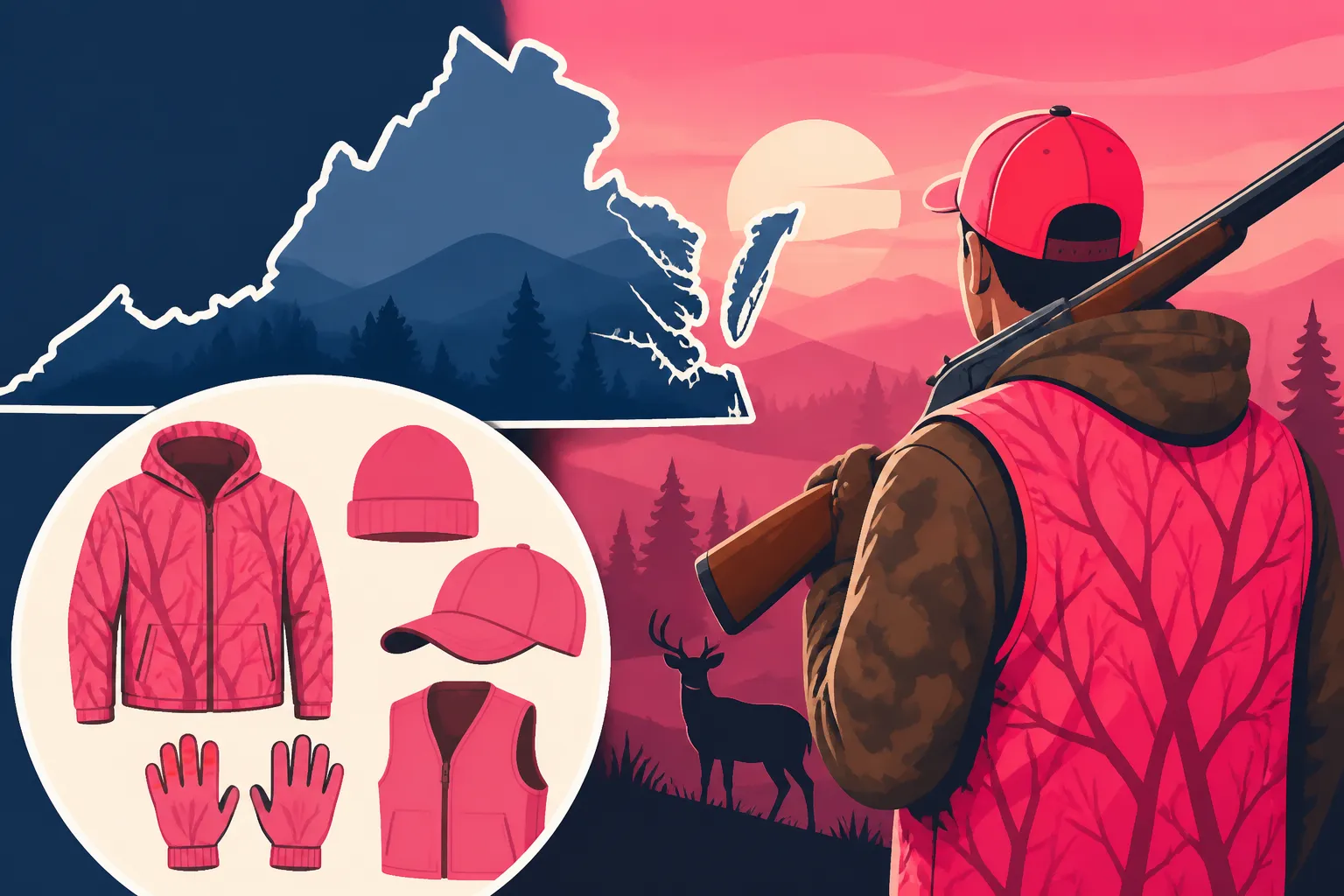
- Vests: The most common and often easiest way to meet the 100 square inch requirement is with a simple vest. These come in lightweight mesh for early season hunts, or more substantial fabric for layering over thicker jackets in colder weather. Look for vests with easily adjustable straps to fit over different layers.
- Hats: A blaze pink beanie or ball cap is an excellent addition, boosting your visibility without adding much bulk. However, remember that a hat alone might not meet the 100 square inch, 360-degree visibility rule if not worn in conjunction with a vest.
- Jackets/Outerwear: Many manufacturers now offer full blaze pink jackets or shells. These are fantastic for cold weather, providing both warmth/protection and safety color in one garment. Options range from simple windbreakers to heavy-duty insulated parkas. Layering is key for late-season hunts, and a blaze pink outer layer fits right in with strategies for Clothing for a Virginia Late Season.
- Specialized Gear: You can also find blaze pink panels designed to attach to backpacks, ensuring your back remains visible even when carrying a heavy load, which is especially important if you're hiking into remote areas in places like the George Washington National Forest. Some manufacturers like GoHunt might even feature specific gear recommendations for optimal safety and performance.
- Materials: Common materials include durable nylons, quiet fleeces, and breathable polyesters. Consider the weather you'll be hunting in. A noisy, stiff material might spook game, while a breathable, moisture-wicking fabric will keep you comfortable on warmer days.
Personal Preference and Style
While safety is paramount, there’s also something to be said for personal preference. Hunting is an experience, and feeling comfortable and confident in your gear contributes to that.
- Breaking Tradition: For many years, hunters were limited to blaze orange. Blaze pink offers a fresh, modern alternative that some hunters, especially women and younger hunters, might find more appealing. It's a way to express a bit of individuality while still adhering to the highest safety standards. This can be empowering, making hunting feel more inclusive and welcoming to a broader audience.
- Matching Gear: If you're someone who likes their gear to coordinate, the availability of blaze pink allows for new aesthetic combinations. Perhaps it complements your other hunting clothing better, or you simply prefer the look. The critical thing is that the color's primary function—visibility—is not diminished.
- Mental Edge: Believe it or not, feeling good about what you're wearing can positively impact your mindset in the woods. If choosing blaze pink makes you feel more comfortable and confident, that's a small but significant advantage. It allows hunters to truly embrace their style while being responsible and safe.
- Finding Quality Gear: As blaze pink has become more widely accepted, the market for quality gear in this color has expanded. You're no longer limited to just a basic vest; you can find high-performance apparel from reputable brands, ensuring durability and functionality along with safety. When you're considering your Rifle Setups for Virginia Deer Hunting, don't forget the equally important consideration of your visibility gear.
The choice between blaze orange and blaze pink ultimately comes down to personal preference, as long as it meets Virginia's legal requirements for visibility and coverage. Both are excellent choices for ensuring you're seen and safe during your hunts.
| Feature | Blaze Orange | Blaze Pink |
|---|---|---|
| Visibility | Excellent against natural backgrounds | Excellent, potentially superior for color-blind individuals |
| Legal Status | Fully legal in Virginia | Fully legal in Virginia (since 2017) |
| Primary Benefit | Prevents mistaken identity accidents | Prevents mistaken identity accidents |
| Color Blindness | Can be challenging for red-green color blind individuals | Often more discernible for red-green color blind individuals |
| Traditional Assoc. | Long-standing hunting safety color | Newer, modern option; growing in popularity |
| Gear Availability | Widely available in all types of gear | Increasingly available; good selection now |
Finding and Choosing Blaze Pink Gear
Now that you know the ins and outs of blaze pink, your next step might be actually finding it. While it's been legal for a few years, it's still not as ubiquitous as blaze orange, so knowing where to look and what to prioritize can save you some time and ensure you get quality gear. Don't just grab the first thing you see; invest in something that will keep you safe and comfortable for seasons to come.
Where to Purchase Blaze Pink Hunting Apparel
The good news is that as blaze pink's popularity grows, so does its availability. You have several avenues to explore when looking for vests, hats, and jackets.
- Major Sporting Goods Retailers: Stores like Bass Pro Shops, Cabela's, Dick's Sporting Goods, and Gander Outdoors are increasingly stocking blaze pink options, especially in the run-up to deer season. Their inventory often includes a range of vests, hats, and even some jackets from various brands. It’s worth checking their websites for online availability if your local store has limited stock.
- Online Hunting Specialty Stores: Websites dedicated purely to hunting and outdoor gear often have a broader selection. Companies that specialize in women's hunting apparel, for example, were often early adopters of blaze pink. Browsing these sites can give you access to more specialized items or brands you might not find in a big box store.
- Direct from Manufacturers: Many well-known hunting clothing brands now offer blaze pink items directly through their own websites. If you have a favorite brand for your hunting layers or outerwear, check their catalog directly. This ensures you're getting consistent quality with your other gear.
- Local Mom-and-Pop Shops: Don't overlook your local independent sporting goods stores or hardware stores that cater to hunters. While their overall inventory might be smaller, they often curate their stock based on local demand and can sometimes surprise you with unique finds or have a knowledgeable staff member who can order items for you.
- Consider Early Shopping: Like any specialized hunting gear, the best selection tends to be available before the rush of hunting season begins. If you wait until the week before opening day, your options might be more limited. Planning ahead, perhaps even using a platform like GoHunt to scope out gear options, is always a smart move.
What to Look for in Quality Blaze Pink Gear
Just like any other piece of hunting equipment, quality matters. You want your blaze pink gear to be durable, comfortable, and effective.
- Fabric Durability: Hunting is tough on gear. Look for rip-stop fabrics, reinforced stitching, and sturdy zippers. Your vest or jacket will inevitably brush against thorns, branches, and rough surfaces. A cheap, flimsy vest might not last a full season.
- Comfort and Fit: Ensure the garment fits well over your other layers, especially if you're wearing it as an outer layer in cold weather. An ill-fitting vest can be uncomfortable, restrictive, or even get in the way. Adjustable straps on vests are a huge plus. If you're sitting for long periods, like when Hunting the Virginia Rut in November, comfort is key.
- Quietness: While blaze pink isn't about stealth, a noisy, crinkly fabric can still be distracting to you and potentially alert close-range game. Opt for quieter materials, especially for vests or jackets worn in areas where you might move.
- Weather Resistance: Depending on when and where you hunt, you might want a blaze pink jacket that offers some level of water or wind resistance. While a simple mesh vest is fine for dry, mild days, a late-season hunt in the mountains often calls for more robust protection from the elements.
- Pocket Placement and Functionality: Some vests and jackets come with useful pockets. Consider if you need accessible pockets for calls, licenses, or other small essentials.
- Reflectivity: While blaze pink is inherently bright, some garments may also incorporate reflective strips, which can be an added bonus for walking into or out of hunting areas in very low light conditions, offering an extra layer of visibility to other hunters or even vehicles on nearby roads.
- Compliance with DWR Standards: Always double-check that the item is indeed "solid blaze pink" and that its size contributes meaningfully to the 100 square inch, 360-degree visibility requirement. A simple hat may be too small on its own.
Choosing the right blaze pink gear isn't just about adhering to regulations; it's about investing in your safety and comfort in the field. Take the time to find quality items that will serve you well season after season.
Disclaimer
Please remember that hunting regulations, seasons, and requirements can change. Always consult the most current Virginia Department of Wildlife Resources (DWR) regulations before engaging in any hunting activity. This article is intended for informational purposes and should not be considered a substitute for official DWR publications or legal advice. Stay safe and hunt ethically.