Virginia Raccoon Season Dates
Trying to figure out the exact dates for raccoon season in Virginia can sometimes feel like trying to catch a greased pig – just when you think you've got it, it slips away! The truth is, Virginia's hunting and trapping regulations, especially for furbearers like raccoons, can be a little nuanced, varying by method and even sometimes by region. This comprehensive guide is here to untangle all that, providing you with clear, up-to-date information on when and how you can legally pursue raccoons across the Old Dominion, ensuring you're ready when the season opens.
Understanding Virginia's Raccoon Season Structure
Virginia’s approach to raccoon season isn't a one-size-fits-all deal. It's often broken down by the method you intend to use—whether you're hunting them with a firearm, chasing them with hounds, or setting traps. Understanding these distinctions is crucial, as the dates, and even the rules, can shift depending on your preferred pursuit. It’s not just about knowing when you can hunt, but how.
General Trapping and Hunting Seasons
For hunters, the general raccoon hunting season typically runs from October to March, often starting in early to mid-October and extending through March 31st. This is usually consistent statewide for hunting with firearms, archery, or even a combination. If you're planning on being out with your hounds, those dates generally align, though there might be specific nuances or earlier training periods to be aware of. The Virginia Department of Wildlife Resources (DWR) aims to provide a generous window for furbearer hunting, recognizing the recreational value and population management needs.
Trapping, however, often has slightly different dates, usually opening a bit later than the general hunting season, sometimes in November, and also running through March 31st. This staggered approach is typical for furbearers and helps manage populations while minimizing conflicts between different user groups. Always double-check the current year's DWR regulations, as these dates can see minor adjustments based on biological data and public input. For example, some years might see a slight shift in the opening day if it falls on a Sunday or if there are other season overlaps.
Specific Dates and Regional Variations
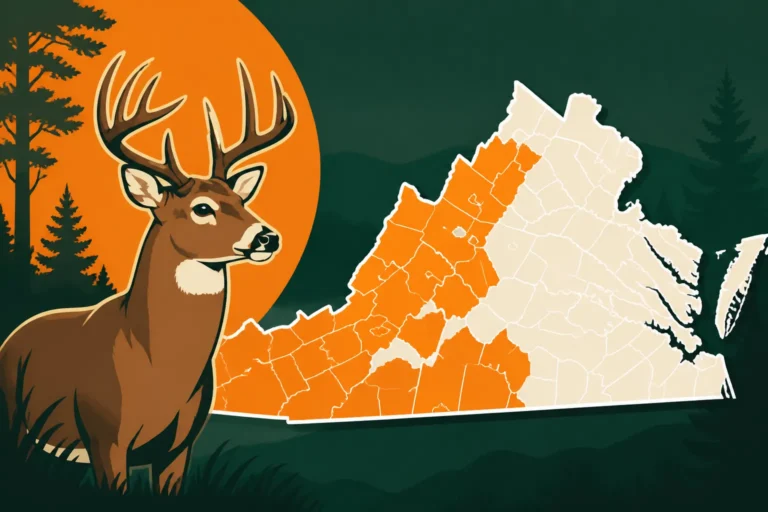
While the statewide general dates provide a good baseline, Virginia occasionally has regional variations for furbearers, particularly concerning how early certain methods can begin or where specific regulations apply. For raccoons, the primary season structure is largely uniform across the state, but it's always good practice to confirm for your specific county. The DWR breaks Virginia into different regions for deer and bear, for instance, but for small game and furbearers like raccoons, the rules are often simpler.
Let's look at a typical season framework for raccoon hunting and trapping in Virginia:
| Method | Typical Opening Date | Typical Closing Date | Notes |
|---|---|---|---|
| Hunting (Firearm/Archery) | October 15th (or nearest Sat) | March 31st | Statewide; often allows night hunting with lights. |
| Hunting (with Hounds) | October 15th (or nearest Sat) | March 31st | Statewide; check specific rules for dog training periods. |
| Trapping | November 1st (or nearest Sat) | March 31st | Statewide; specific trap types and checking requirements apply. |
Note: These dates are typical and can vary slightly year to year. Always consult the official Virginia DWR regulations for the most current information.
It's important to remember that these dates are for legal harvest. Scouting and calling practice, provided you're not actually taking an animal, might be permitted outside these windows, but always verify with the DWR. For the most precise and up-to-date information, the DWR website and their annual hunting regulations digest are your go-to sources. Many hunters find it helpful to use digital tools like GoHunt to quickly access and understand these rules, especially when out in the field.
Night Hunting Regulations and Lights
One of the most exciting and traditional ways to hunt raccoons is at night, often with the aid of dogs. Virginia law is quite clear on this: you can hunt raccoons at night, and you can use an artificial light. This is a significant distinction from deer hunting, where the use of artificial lights to spot or shoot game is generally prohibited. For raccoons, it's an integral part of the experience.
When you're out there under the stars, trailing a baying hound, that headlamp or handheld spotlight becomes an essential tool. It's not just for locating the raccoon once your dogs have treed it, but also for navigating the often-rugged terrain of Virginia's woods, whether you're traversing a creek bottom or working through dense timber. However, even with night hunting, there are still rules. You can't use a light that's mounted to your vehicle's frame to hunt; it must be a handheld or head-mounted light. This is about ethical hunting and ensuring fair chase. For those interested in other nocturnal pursuits, it's worth noting that similar allowances for lights exist for Night Hunting Rules for Virginia Coyotes, though regulations can differ slightly between species.
Essential Regulations Beyond Dates for Raccoon Hunting
Knowing when to hunt is just the first step. To be a responsible and legal hunter in Virginia, you also need to understand the broader regulatory framework. This includes everything from the licenses you need to carry, to the legal methods you can employ, and any requirements for reporting your harvest. Ignoring these details can quickly turn a successful hunt into a costly legal issue.
Licensing Requirements and Permits
Before you even step foot into the woods with the intention of hunting raccoons, you absolutely need to have the correct licenses. For Virginia residents, a basic Virginia Resident Hunting License Options is the cornerstone. This allows you to hunt small game, which includes raccoons, statewide during the open season. If you're a non-resident, you'll need a Virginia Nonresident Hunting License Options.
However, depending on your age and what else you might be hunting, you might need additional permits. For instance, if you're also planning on chasing deer or bear, you'll need a big game license. If you're trapping raccoons, you'll specifically need a valid Virginia Trapping License in addition to your basic hunting license. The DWR makes it relatively easy to acquire these through their Buying a License on Go Outdoors Virginia portal, either online or through authorized agents. Always carry your license with you when hunting, whether it's a physical copy or stored digitally on your phone via the DWR's official app. You can find a full breakdown of requirements on the DWR website or in their annual digest, which covers everything from a basic hunting license to specific stamps for migratory birds.
Legal Hunting Methods and Equipment
Virginia offers a good degree of flexibility when it comes to legal methods for hunting raccoons, accommodating various preferences and traditions.
- Firearms: Most standard hunting firearms are permissible. This includes rimfire rifles, shotguns, and centerfire rifles. Many raccoon hunters opt for smaller calibers like a .22LR for headshots to preserve the hide, or a shotgun with small game loads. Just ensure your firearm choice aligns with general safety regulations and is suitable for the conditions and the game.
- Archery Equipment: Bows and crossbows are also legal for hunting raccoons during the general season. This provides an additional challenge for those seeking a more primitive hunting experience. For specific rules regarding archery gear, you can look into the general guidelines for Crossbow Rules During Virginia Archery Season, even though raccoon rules are less restrictive than for deer.
- Hunting with Dogs: Without a doubt, hunting raccoons with hounds is deeply ingrained in Virginia's hunting heritage. The use of trained dogs to tree raccoons is not only legal but encouraged. There are specific rules around dog training seasons and managing your dogs on public lands, so be sure to review those if you plan to use hounds.
- Trapping: For those who prefer trapping, Virginia allows various types of traps, including foothold traps and body-gripping traps, with specific regulations on trap size, placement, and checking frequency. Traps must be checked daily, and any furbearer caught must be handled according to regulations. Always refer to the furbearer specific rules in the DWR digest for trap specifications and requirements.
It's paramount to understand that while raccoons are considered a furbearer and often managed alongside predators, they are distinct from Virginia's Year-Round Hog Rule on Private Land, where some methods are far less restricted due to their invasive nature. Always verify the rules for the specific species you are targeting.
Bag Limits and Reporting
One of the more straightforward aspects of raccoon hunting in Virginia is the bag limit – or lack thereof! Currently, there is no statewide daily or seasonal bag limit for raccoons in Virginia. This means that if you have a productive night or week, you can legally harvest as many raccoons as you are able to take. This reflects the DWR's approach to furbearer management, aiming to keep populations healthy while providing ample opportunity for hunters and trappers.
Similarly, there are no mandatory reporting requirements for harvested raccoons. Unlike deer, bear, or turkey, where successful harvests must be reported to the DWR within a specific timeframe, you don't need to check in your raccoons. This simplifies the process for raccoon hunters, allowing them to focus on the hunt itself. However, it's always a good idea to keep a personal log of your harvests, especially if you're keen on tracking your success or contributing to informal population data. Even without official reporting, many hunters find joy in sharing their experiences and harvests, sometimes even using platforms like GoHunt to log their outings privately or with friends.
Practical Tips for a Successful Virginia Raccoon Season
Beyond the regulations and dates, there's a whole world of practical knowledge that can make your raccoon season more successful and enjoyable. From knowing where to look for these wily critters to having the right gear, these tips can help you fill your freezer or simply enjoy a memorable night in the Virginia woods.
Scouting and Habitat for Raccoons
Raccoons are incredibly adaptable animals, but they do have preferred habitats in Virginia. You’ll find them thriving near water sources—creeks, rivers, swamps, and pond edges are prime locations. These areas provide both drinking water and a rich food source, including crayfish, frogs, and other aquatic life. They also frequent agricultural areas, particularly cornfields, soybean fields, and orchards, where they can raid crops for an easy meal. Look for tracks in the mud along waterways, overturned rocks, and scat near den trees.
Another key habitat is mature hardwood forests, especially those with plenty of den trees. Raccoons are masters of utilizing natural cavities in trees for shelter and raising young. Old growth timber, particularly oak and hickory stands, provide both mast (acorns, nuts) and suitable denning sites. If you’re hunting on public land, focus your scouting efforts on these areas, perhaps looking at Reading Aerial Photos for Piedmont Deer for tips on identifying prime habitat features like water sources and field edges, which also apply well to raccoons.
Calling and Decoy Strategies
While not as common as for coyotes or turkeys, calling can certainly be effective for raccoons, especially if you’re trying to draw one out of cover or locate one in thick timber. Distress calls, mimicking a small animal in distress (like a rabbit or bird), can pique a raccoon's curiosity and draw it in, particularly at night. Some hunters use specific "coon squall" calls that imitate the sounds raccoons make.
Decoys are less frequently used for raccoons, as they are primarily nocturnal and respond more to sound and scent. However, a simple reflective or glowing target, combined with calls, might sometimes work in specific scenarios to give a raccoon something to focus on as it approaches. If you're combining calling with night hunting, remember the legal use of lights as discussed earlier. The key is to set up downwind and be patient, letting the calls work their magic over time.
Working With Hounds and Night Hunting Gear
Hunting raccoons with hounds is a time-honored tradition and, for many, the quintessential raccoon hunting experience. A good pack of coonhounds is invaluable, as their keen sense of smell and relentless pursuit will lead you to treed raccoons.
- Hounds: Investing in well-trained hounds, typically breeds like Blueticks, Redbones, Walkers, or Black and Tans, is crucial. They need to be conditioned for endurance and trained to ignore other game like deer. Many hunters start with pups from proven bloodlines and work them extensively.
- Night Hunting Gear: Beyond your firearm or archery setup, several pieces of gear are essential for night hunting raccoons:
- Headlamps/Spotlights: Powerful, reliable lights are a must for navigating, locating treed raccoons, and ensuring a safe shot. Many hunters prefer a dedicated coon light with a bright, focused beam.
- GPS Devices: When chasing hounds through unfamiliar territory, a GPS unit or a reliable phone app like GoHunt with mapping capabilities is critical for staying oriented and tracking your dogs.
- Dog Tracking Collars: GPS dog collars, like those from Garmin or Alpha, are almost universally used by serious hound hunters. These allow you to track your dogs' exact location and movement, especially when they tree a raccoon deep in the woods.
- Protective Clothing: Expect to walk through thick brush, thorns, and wet areas. Durable brush pants, waterproof boots (like those mentioned in Boots for Virginia Swamps and Ridges), and sturdy jackets are highly recommended.
- Safety Vests: While blaze orange isn't strictly required for furbearers at night, wearing a reflective vest is a smart safety practice, especially if hunting with a group or near roads.
Remember, patience and endurance are key when hound hunting. You'll be doing a lot of walking, often in challenging conditions, but the thrill of hearing the baying of your dogs and the satisfaction of a treed raccoon make it all worthwhile.
Common Challenges and Troubleshooting
Raccoon hunting, like any outdoor pursuit, comes with its own set of challenges. Being prepared for these can make all the difference between a frustrating night and a successful one. From navigating property lines to dealing with unpredictable weather, understanding potential roadblocks ahead of time can help you troubleshoot on the fly.
Dealing with Public vs. Private Land Access
Access to hunting land is often one of the biggest hurdles for any Virginia hunter, and raccoon hunting is no exception. While many rural landowners are more amenable to allowing furbearer hunting (especially if raccoons are causing issues with crops or livestock), it’s never a given.
- Private Land: Always, always obtain explicit permission from the landowner before hunting or trapping on private property. This often means Knocking on Doors in Piedmont Farm Country or other rural areas and building relationships. If possible, get written permission to avoid any misunderstandings, as detailed in Do You Need Written Permission in Virginia? Respect their property, leave no trace, and offer to share your harvest – these gestures can go a long way in securing future access. For example, if raccoons are damaging cornfields, a farmer might be thrilled to have you help control the population.
- Public Land: Virginia offers a substantial amount of public hunting land, including national forests (like George Washington and Jefferson National Forests) and Wildlife Management Areas (WMAs). While these areas are open to the public, they still have specific rules. You might need a WMA access permit in addition to your regular hunting license for WMAs. Be mindful of special regulations, like limitations on vehicle access or camping rules, and always ensure you understand the boundaries. For those considering public land for small game, resources like Public Hunting Land in Virginia and using the DWR app to locate WMAs can be incredibly helpful. Be aware that public lands can experience significant pressure during other hunting seasons, so plan accordingly.
Weather and Its Impact on Hunting Raccoons
Raccoon activity is heavily influenced by weather, and understanding these patterns can significantly impact your success.
- Cold Weather: Raccoons are less active in extremely cold temperatures, especially if there's a deep snow cover. They may den up for several days, conserving energy. However, moderate cold (above freezing) can still be good, as they'll be out foraging.
- Rain and Wet Conditions: Light rain or damp conditions can actually be excellent for scenting, making it easier for hounds to follow a track. Heavy, prolonged downpours, however, will often send raccoons to their dens. Always ensure your gear (and yourself!) is waterproof, especially when chasing hounds through wet creek bottoms.
- Wind: Strong winds can make it harder for both humans and dogs to hear and smell, respectively. It can also make treed raccoons harder to spot if they are swaying. Look for calmer nights.
- Moon Phase: Many raccoon hunters prefer dark, moonless nights, believing raccoons are more active and less wary. However, a bright moon can also be productive, especially if combined with good cover.
Dressing appropriately for Virginia's variable fall and winter weather, often requiring insulated, waterproof layers, is crucial for comfort and endurance.
Understanding Local Ordinances
While the Virginia DWR sets the statewide hunting regulations, it’s critical to remember that local city and county ordinances can sometimes add further restrictions. This is particularly true in more populated areas or for methods like discharging firearms.
For instance, many urban and suburban areas have firearm discharge setbacks or even outright bans on firearm hunting, even if the state season is open. This is especially relevant in areas designated as Virginia Urban Archery Zones, where bowhunting might be permitted but firearms are not. If you're hunting near a town, check with the local sheriff's office or county administration for any specific rules that might affect your ability to hunt raccoons, particularly at night. A quick call can save you a lot of headache and potential legal trouble. Always err on the side of caution and prioritize safety and respect for local communities.
Disclaimer
Please note: The information provided in this guide is for informational purposes only and is based on general Virginia hunting regulations. Hunting regulations, season dates, and licensing requirements can change. Always consult the most current official Virginia Department of Wildlife Resources (DWR) regulations and local ordinances before engaging in any hunting activities. It is your responsibility as a hunter to know and obey all applicable laws.