Buchanan County Public Land for Deer
For hunters looking to connect with wild deer in Virginia's most rugged and remote landscapes, Buchanan County often comes to mind. It's a place defined by its steep Appalachian ridges, deep hollows, and vast timber, which can feel incredibly intimidating if you're not familiar with how to navigate and hunt public ground here. This guide will walk you through what to expect when deer hunting public land in Buchanan County, offering insights into its unique terrain, effective tactics, and crucial access considerations to help you find success.
Understanding Buchanan County's Hunting Landscape
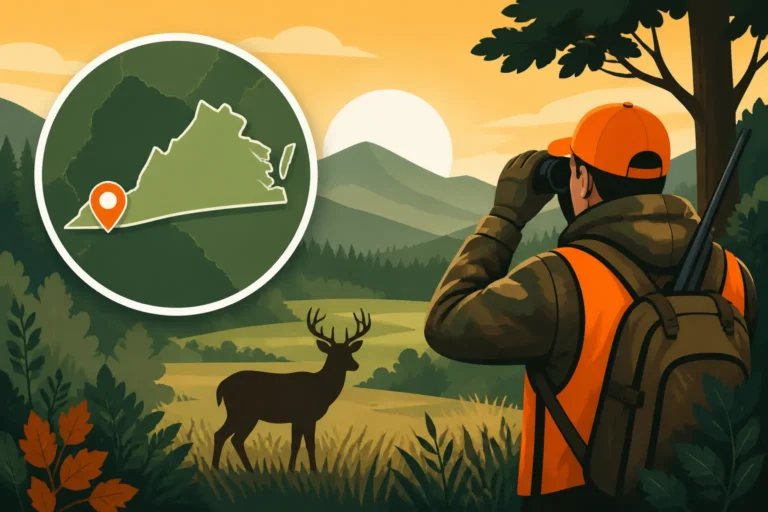
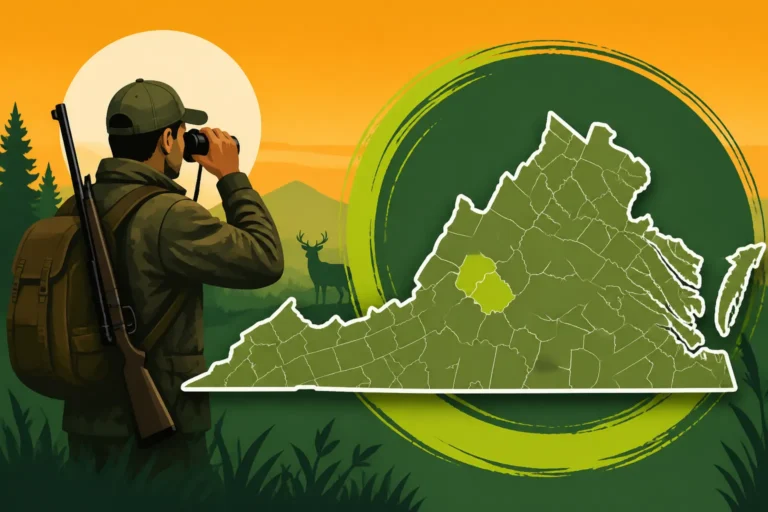
Buchanan County, nestled in the far southwestern corner of Virginia, is a world apart from the rolling hills of the Piedmont or the flat agricultural lands of the Eastern Shore. This isn't easy country, but its challenges are precisely what draw seasoned hunters seeking a true wilderness experience and the chance at a mature, hard-earned whitetail. The landscape here demands respect and a different approach than what you might be used to in other parts of the state.
The Rugged Terrain and Its Challenges
The dominant feature of Buchanan County is its intensely mountainous, heavily forested terrain. You're looking at endless successions of steep ridges, cut by deep, narrow hollows and drainages. The ground cover can be incredibly thick, a mix of mature hardwoods, dense laurel thickets, and younger saplings filling in old timber cuts. This dense cover, while providing excellent sanctuary for deer, makes spotting game difficult and travel arduous. You'll spend a lot of time climbing, descending, and pushing through brush, often far from roads or even established trails.
This ruggedness impacts everything from deer movement to hunter access. Deer often bed on benches just below ridge tops, or in the thickest pockets within hollows, utilizing the terrain to their advantage against predators – including hunters. For us, it means every step is a workout, and getting a deer out after the shot can be an epic undertaking. Don't underestimate the physical demands; preparation here isn't just about your gear, but your endurance too. When thinking about Hunting West of the Blue Ridge, Buchanan County epitomizes the most challenging aspects of that region.
Deer Behavior in Mountainous Habitat
Deer in Buchanan County are wild, wary, and intimately familiar with their steep environment. They adapt their movements to the contours of the land, often preferring to travel along contours, on benches, or in the bottoms of hollows where cover and water are plentiful. Ridge tops serve as travel corridors, especially during the rut, but often the mature bucks will skirt the very crests, staying just below the skyline.
Understanding how deer use elevation is crucial. During cooler parts of the day, or when pressured, deer will often bed higher on the slopes or near the tops, where they can use thermals and their elevated position to detect danger. As temperatures warm, particularly in the morning, deer might move down into the cooler, shadier hollows. Food sources, which largely consist of acorns, mast crops, and browse, will dictate where deer spend their time feeding. After a poor acorn year, they might be more concentrated in areas with specific browse or other hard mast trees. Bucks, especially, learn to use the thickest tangles and steepest terrain to escape pressure, making them ghosts in the mountains.
Key Public Lands for Deer Hunting in Buchanan County
While Buchanan County might feel remote, it's actually home to significant public land holdings, primarily within the sprawling George Washington and Jefferson National Forests. These vast tracts offer incredible opportunities for hunters willing to put in the effort to explore.
Jefferson National Forest Opportunities
A substantial portion of Buchanan County falls within the boundaries of the Jefferson National Forest. This means thousands upon thousands of acres of huntable public ground are available to you. Unlike some smaller WMAs, the National Forest offers a true backcountry feel, with fewer maintained trails and greater distances between access points. This can be daunting, but it also means less competition if you're willing to hike deep.
When approaching Jefferson National Forest Hunting in Buchanan County, think big. You're not looking for small woodlots here; you're looking for entire drainages, large ridge systems, and remote hollows. Using mapping tools like onX Hunt is absolutely invaluable here. You can identify potential access points, note topography, locate saddles, benches, and thick cover that might hold deer, all before ever stepping foot on the ground. These maps can show you boundaries, road systems, and contours, giving you a critical advantage in planning your hunts. Remember, while there are some forest service roads, many areas are only accessible by foot, which is often where the best hunting lies.
Understanding the Role of Wildlife Management Areas (WMAs)
While the vast majority of Buchanan County's public hunting opportunities lie within the Jefferson National Forest, it's always worth being aware of nearby state-managed Wildlife Management Areas (WMAs). Buchanan County itself doesn't host a major WMA in the same way some other Virginia counties do. However, hunters in this region might look to WMAs in adjacent counties, such as Poor Valley WMA to the south or channels of National Forest land often managed under cooperative agreements.
WMAs are typically managed more intensively for wildlife habitat and hunter access. They might have more defined trail systems, food plots, or specific regulations. However, for Buchanan County, the National Forest truly is the king of public land hunting. The key takeaway here is to always consult the Virginia Department of Wildlife Resources (DWR) regulations for any specific public land you plan to hunt, as rules can vary between National Forest land and WMAs, and even within different sections of the National Forest. Always be sure to check the DWR website or app for the most current information.
Strategies for Deer Hunting Buchanan County Public Land
Hunting the public lands of Buchanan County demands a specific skillset and a hearty dose of persistence. The deer are here, often in good numbers, but they are masters of evasion in this rugged environment. Your success will hinge on careful planning, thoughtful execution, and the right mindset.
Scouting and Navigation
Pre-season scouting is not just recommended; it's practically mandatory for success in Buchanan County. The sheer scale and complexity of the terrain mean that showing up blind on opening day is a recipe for frustration. Start with digital scouting: use applications like onX Hunt or GoHunt to pore over satellite imagery and topographic maps. Look for natural funnels formed by converging ridges, saddles, benches along steep slopes, and areas of dense cover where deer might bed. Identify potential travel corridors along creek bottoms or old logging roads. Pay attention to how elevation changes might affect wind and thermals.
Once you have some areas identified, a boots-on-the-ground scouting trip can confirm your suspicions. Look for fresh sign: rubs, scrapes, tracks, and droppings. Identify mast trees (oaks, hickories, beech) and other preferred browse. Find water sources. Pay attention to bedding areas – often thickets or benches with good visibility downwind. Navigation in this country can be challenging, even with GPS. Make sure your phone is fully charged and you have downloaded offline maps on your onX Hunt app, as cell service will be spotty to non-existent in many hollows. A physical compass and map are good backups. For more general advice, consider Scouting Virginia Public Land Before Season.
Effective Hunting Tactics for Steep Country
Hunting tactics in Buchanan County need to be adapted to the vertical world. Still-hunting, moving slowly and deliberately through the timber, stopping frequently to glass and listen, can be incredibly effective. This allows you to cover ground and react to what the deer are doing. Focus on benches and saddles where deer tend to travel, especially during the rut. Still-Hunting Jefferson Forest Ridges emphasizes this methodical approach.
When considering stand placement, look for those natural funnels, pinch points, or feeding areas. A saddle between two ridges can be a highway for cruising bucks during the rut. A bench halfway up a steep slope might be a major bedding or staging area. Remember that thermals will change throughout the day – typically rising in the morning and falling in the evening. Position yourself to account for this. Always carry a wind checker and pay close attention to the prevailing wind. Setting up on public land requires adherence to specific rules, so familiarize yourself with Treestand Rules on Virginia Public Land.
Here's a quick comparison of popular tactics:
| Tactic | Best For | Pros | Cons |
|---|---|---|---|
| Still Hunting | Covering ground, tracking, adapting to deer | Highly adaptable, covers more ground, good for pressured deer | Demands stealth, keen observation, easy to spook deer if not careful |
| Stand Hunting | Ambushing deer in known travel corridors | Allows for less movement, good for cold weather, can be patient | Limited range, requires pre-scouting, can be affected by thermals |
| Ground Blind | Dense cover, less accessible stand trees | Versatile, good concealment, comfortable for long sits | Can be cumbersome to set up, limited visibility, requires brushing in |
Gear Considerations for Mountain Hunting
The ruggedness of Buchanan County demands specific gear that prioritizes durability, function, and safety. Your footwear is paramount: sturdy, waterproof hiking boots with excellent ankle support and aggressive tread are non-negotiable. You'll be climbing steep, often slick slopes, and crossing rocky stream beds.
A good pack is also essential – large enough to carry all your essentials for a day (or even longer, if you're truly deep in) but comfortable enough for strenuous climbs. Think water, snacks, first-aid kit, game bags, a good knife, and emergency fire-starting supplies. Quality optics, even if just good binoculars, will help you pick apart distant slopes or identify deer in thick cover. A reliable headlamp for early morning hikes in and late-night hikes out is a must, as is a portable GPS unit or a fully charged phone with downloaded maps on an app like onX Hunt. Consider a compact bone saw or a capable game-processing knife if you plan on quartering a deer to make the pack-out easier. Hauling a whole deer out of a deep hollow is a beast of a task.
Navigating Regulations and Access
Hunting public land in Buchanan County, like anywhere else in Virginia, means adhering to a specific set of rules and respecting land boundaries. Being informed is your best defense against potential issues and ensures a smooth, enjoyable hunt.
General Virginia DWR Regulations
First and foremost, you need to understand the statewide Virginia Department of Wildlife Resources (DWR) regulations. This includes Virginia Deer Season Structure Explained, bag limits (which often differ east and west of the Blue Ridge, with Buchanan being in the western region), licensing requirements, and mandatory deer reporting. You'll need a valid hunting license and a big game license, and potentially a WMA access permit if you ever venture onto a designated WMA. Always check the current year's DWR hunting regulations booklet – it's your bible for a legal hunt. Pay close attention to blaze orange requirements, especially during general firearms season.
Specific National Forest Rules and Considerations
While federal lands, the National Forests within Virginia are also subject to state hunting regulations. However, there are additional rules specific to National Forest lands that you need to be aware of. These often include restrictions on vehicle access (many gates are closed to motorized vehicles), camping regulations, and rules regarding the placement and duration of tree stands or ground blinds. For instance, permanent tree stands are often prohibited, and temporary stands must typically be removed within a certain timeframe after the season closes. Treestand Setups in George Washington National Forest provides good general guidance applicable here.
It's always a good idea to check the specific ranger district for the area you plan to hunt within the Jefferson National Forest, as local nuances can exist. Most of these lands are managed under a multi-use principle, meaning you might encounter hikers, campers, or even logging operations, so always be aware of your surroundings and respectful of other users. Remember that Virginia Public Land Hunting Hours apply, meaning you can't be hunting before or after legal shooting hours.
Respecting Boundaries and Private Land
One of the most critical aspects of hunting public land in Buchanan County, or anywhere, is knowing exactly where public property ends and private property begins. The National Forest land isn't always one contiguous block; it can be interspersed with private holdings, small clearings, and homesteads. Accidentally trespassing can lead to serious legal trouble, loss of hunting privileges, and damage to hunter-landowner relations.
This is where advanced mapping applications like onX Hunt become indispensable. Their property line overlays, combined with GPS tracking, allow you to see your exact location relative to public and private boundaries in real-time. Even with these tools, always be vigilant. Look for posted signs, painted trees, or other indicators of private property. If you're unsure, back out and find a different route. A simple mistake can ruin a hunt and sour the reputation of hunters in general. Always err on the side of caution.
Hunting Buchanan County's public land for deer is an experience unlike many others in Virginia. It requires dedication, physical effort, and a willingness to embrace the wildness of the mountains. But for those who accept the challenge, the rewards of connecting with nature and the potential for a hard-earned deer are truly unforgettable.
Disclaimer
This article is for general informational purposes only and does not constitute professional advice. Laws, prices and regulations vary by location and change over time. Consult a qualified professional for guidance on your specific situation.