Public Ground Near Abingdon
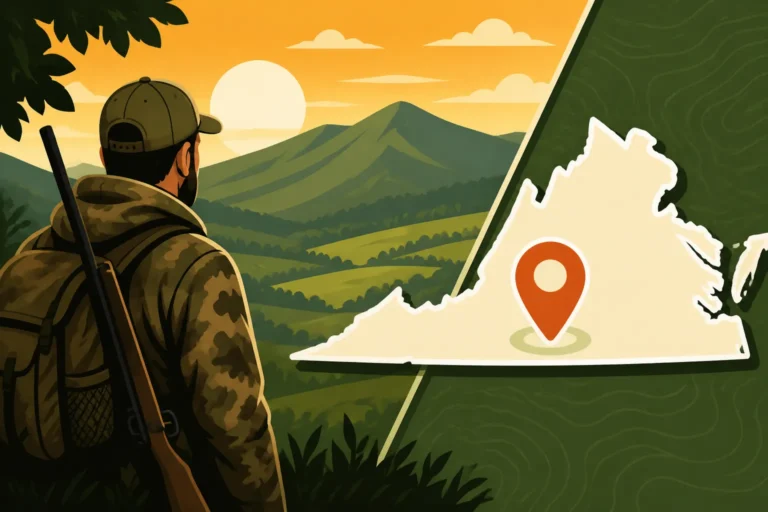
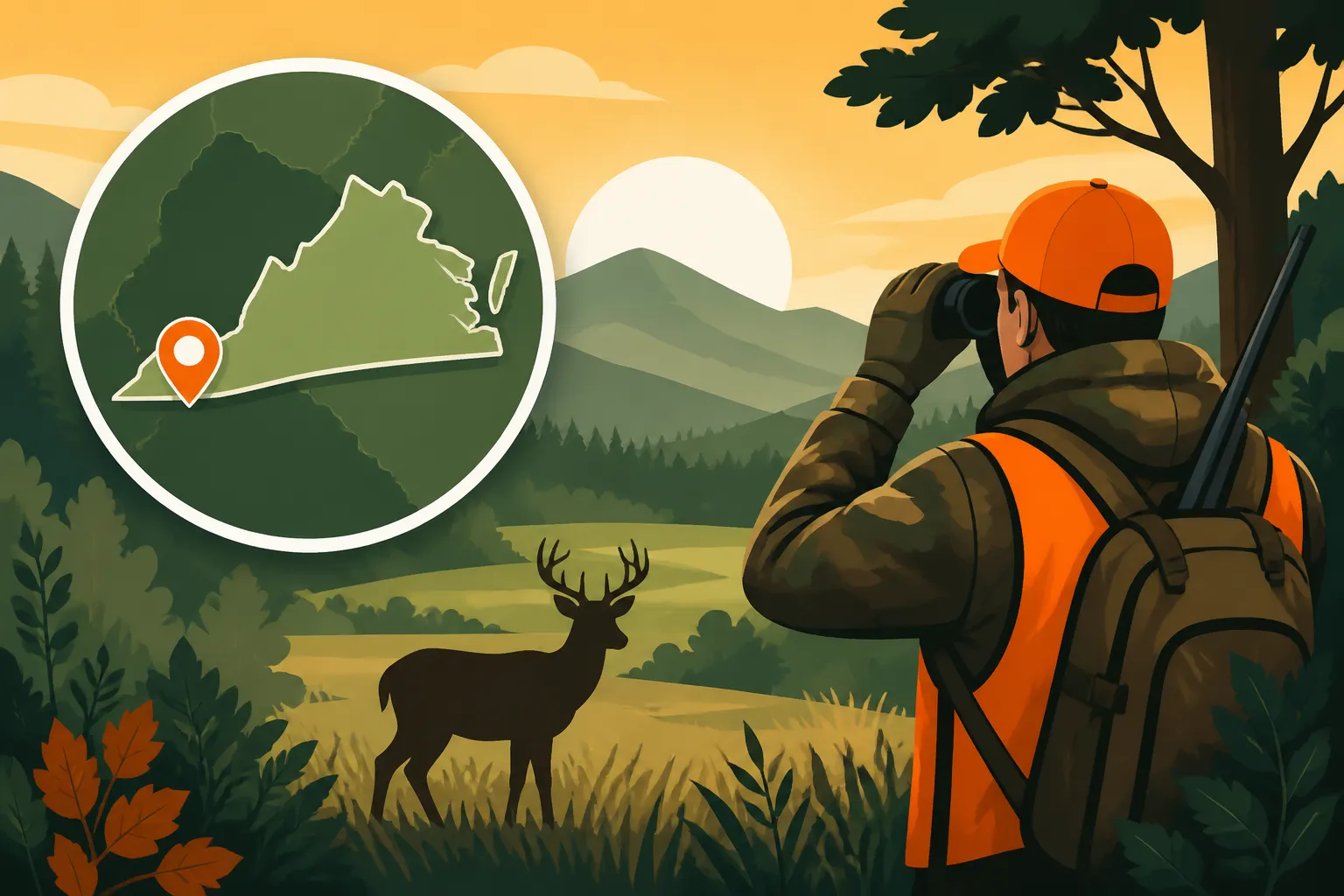
Hunting in Southwest Virginia, especially around a place like Abingdon, offers some truly spectacular—and sometimes incredibly challenging—opportunities. Many of us know the frustration of staring at a map, seeing all that green public land, but feeling overwhelmed by where to even begin, or how to get away from the crowds. This guide is all about peeling back those layers, helping you discover the fantastic public hunting grounds near Abingdon, and giving you the tools and tips to make your next hunt a success.
Navigating the Public Hunting Landscape Near Abingdon
When you live in or visit Southwest Virginia, particularly around Abingdon, you're nestled right into the heart of some truly wild country. This isn't the rolling Piedmont or the flat Eastern Shore; this is steep, rugged, and densely forested terrain. The public hunting landscape here is dominated by a behemoth: the Jefferson National Forest. While it might feel dauntingly large, it's also your biggest asset for finding extensive, wild hunting experiences that are increasingly rare in other parts of the state. Understanding how this vast federal land operates, alongside what few smaller state-managed parcels might exist, is your first step to unlocking success.
This region is famous for its robust populations of white-tailed deer and black bears, with wild turkeys also present. But unlike some more agricultural regions, hunting here often means earning your game with sweat equity. Expect long walks, significant elevation changes, and careful navigation. The sheer scale of the Jefferson National Forest means that even during popular seasons, you can often find solitude if you're willing to venture a bit deeper. This is where tools like Scouting Virginia Public Land Before Season become invaluable, allowing you to pour over topo maps and satellite imagery to pinpoint promising areas long before you ever set foot in the woods.
The Mighty Jefferson National Forest: Your Primary Resource
For anyone looking to hunt near Abingdon, the Jefferson National Forest is going to be your bread and butter. This isn't just a patch of woods; it's hundreds of thousands of acres of mountains, hollows, and ridge lines stretching across the western part of Virginia. It’s an integral part of Jefferson National Forest Hunting, offering unparalleled opportunities for deer, bear, and turkey. The terrain varies from steep, almost cliff-like slopes to more gradual benches and draws, all covered in mature hardwoods and thick undergrowth.
Access to the Jefferson can be tricky. You'll find a mix of well-maintained forest roads, old logging trails, and designated hiking paths. Often, the best hunting spots are a good walk from any vehicle access, which naturally filters out a lot of the casual pressure. This is where the depth of information provided by tools like onX Hunt truly shines. You can download maps for offline use, mark potential stand locations, identify property boundaries (crucial when public land borders private), and track your movements in real-time, even when you're deep in a hollow with no cell service. GoHunt offers similar robust mapping features that can give you an edge in pre-season planning.
Hunting the Jefferson National Forest demands a different mindset than hunting smaller, more manicured tracts. You're often looking for pockets of less disturbed habitat, areas with good mast crops (acorns, beech nuts), or benches that provide natural travel corridors. Patience and persistence are key, as is a good understanding of how Wind and Thermals on a Blue Ridge Slope influence deer and bear movement in such undulating terrain.
Virginia Wildlife Management Areas (WMAs) in Southwest Virginia
While the Jefferson National Forest dominates the landscape, Virginia does have a system of Wildlife Management Areas (WMAs) managed by the Department of Wildlife Resources (DWR). These are often smaller than national forest tracts but are specifically managed for wildlife and public recreation, including hunting. The challenge for Abingdon-area hunters is that most of the large, easily accessible WMAs tend to be further east in the Piedmont or north in the Shenandoah Valley.
However, it's always worth checking the DWR website or using their interactive map tools to see if any WMAs are within a reasonable drive. Sometimes, smaller, less-known WMAs or even cooperative public lands agreements can pop up closer than you'd expect. These areas typically have more defined boundaries, parking areas, and sometimes even specific regulations that differ from national forest land. It's crucial to always check the specific rules for any WMA you plan to hunt, as they can vary greatly from general state regulations.
For example, while some WMAs might be primarily for waterfowl, others could offer excellent upland bird or deer hunting. The benefit of WMAs is their focused management; you might find food plots, controlled burns, or specific timber stand improvements designed to boost game populations. The flip side is they can sometimes see higher pressure due to easier access or smaller size. However, if you are diligent with your research using the Virginia DWR App or GoHunt, you might uncover a hidden gem that offers a less strenuous hunt than the deep mountains.
Essential Tools and Techniques for Hunting Near Abingdon
Hunting the rugged country around Abingdon requires more than just a rifle or a bow; it demands the right mindset, the right gear, and a solid understanding of how to navigate and interpret the landscape. This is where modern technology really comes into its own, complementing traditional woodsmanship rather than replacing it. Whether you're chasing deer, bears, or turkeys, having a well-thought-out plan and the ability to execute it efficiently will make all the difference.
Getting away from the crowd is often the biggest challenge on public land, and Southwest Virginia is no exception. However, the steep topography and dense cover here naturally create barriers that reward the adventurous hunter. Don't be afraid to put in the miles, climb that extra ridge, or drop into that deep hollow. Often, the best hunting isn't found right off the road, but rather a mile or two in where others aren't willing to go.
Leveraging Mapping Technology: onX Hunt and GoHunt
In the expansive and often confusing terrain of the Jefferson National Forest, a reliable mapping application isn't just helpful; it's practically mandatory. Both onX Hunt and GoHunt are phenomenal tools that put a wealth of information at your fingertips, even when you're off the grid. Think of them as your personal, highly detailed GPS, compass, and property boundary map all rolled into one. They are particularly invaluable for identifying true public land boundaries, which can sometimes be unclear on the ground.
With onX Hunt, you can overlay public and private land boundaries, which is absolutely critical when hunting areas where national forest land abuts private parcels. You don't want to inadvertently trespass, and these apps make it incredibly easy to see exactly where you stand. You can mark waypoints for everything from parking spots to rub lines, water sources, and potential stand locations. The ability to download maps for offline use means you'll never be stranded without navigation, even in the most remote hollows where cell signal is non-existent. This feature is a game-changer for safety and efficiency.
GoHunt offers similar robust features, often favored by serious Western big game hunters, but equally applicable in Virginia's rugged mountains. Its detailed topographic maps can help you visualize elevation changes, identify saddles, benches, and funnels—key terrain features that deer and bears often use for travel. Using these tools to plan your entry and exit routes, scout remotely for promising habitat, and identify Finding Ground Others Walk Past is crucial. I always recommend spending hours with these apps before season, virtually scouting and planning your approach. The layers available for onX Layers for Virginia Land Status can even show you timber cuts, fire history, and other habitat modifications that might concentrate game.
Scouting and Strategy for Southwest Virginia Public Land
Pre-season scouting is always important, but on large, rugged public land like the Jefferson National Forest, it's absolutely essential. Since vehicle access is often limited, you'll want to focus your in-person scouting efforts on confirming what you've seen on your mapping apps. Look for fresh sign: tracks, droppings, rub lines, and scrapes. In the mountains, finding good food sources like acorn flats or areas with abundant soft mast can be a real jackpot for deer and bear. Bear activity, in particular, will often revolve around these seasonal food sources.
When it comes to strategy, adapting to the terrain is paramount. Still-hunting along ridgelines or slowly traversing benches can be very effective, especially for deer and bear. For turkeys, understanding their roosting habits and then trying to get close for an early morning setup is key, though the dense woods can make pinpointing a roosting gobbler challenging. Remember that Hunting West of the Blue Ridge often means dealing with steeper country and denser cover than many hunters accustomed to the Piedmont might encounter.
Always consider pressure. On opening weekend, easily accessible areas will see more hunters. If you're willing to hike in a mile or two, you'll dramatically increase your chances of finding undisturbed animals. Look for natural barriers like thick rhododendron thickets, steep ravines, or large laurel slicks that might deter other hunters. These often create natural sanctuaries where older, wiser animals seek refuge. Packing light but effectively for long walks, and knowing your way back to the truck after dark, are skills you'll quickly refine in this environment.
Overcoming Challenges and Maximizing Success
Hunting public land in Southwest Virginia, especially around Abingdon, isn't always easy. The challenges are real: steep terrain, unpredictable weather, and the sheer effort required to access prime areas. But with those challenges come immense rewards – the satisfaction of harvesting an animal in truly wild country, far from the crowds, and the deep immersion in nature that only such places can offer. It’s about being prepared, being patient, and being willing to put in the work.
From carrying the right gear to understanding the specific regulations that apply to these unique areas, every detail counts. Don't let the difficulty intimidate you; instead, view it as an opportunity to hone your skills and deepen your connection with the outdoors. Embrace the wildness of it all, and you’ll find that the experiences you gain in these mountains are second to none.
Practical Gear and Safety Considerations
Given the rugged nature of the terrain, your gear choices are critical. Comfortable, sturdy hiking boots with good ankle support are non-negotiable. Layered clothing is essential, as mountain weather can change rapidly from chilly mornings to warm afternoons, and then back to cold evenings. A good quality pack capable of carrying water, snacks, emergency supplies, and perhaps even game meat is also vital. Don't skimp on items like a headlamp, a basic first-aid kit, and enough water to stay hydrated during strenuous climbs.
For safety, always let someone know where you're going and when you expect to return. Carry a fully charged phone, but don't rely on it for navigation or emergencies in areas with no signal – that's where your offline mapping apps like onX Hunt or GoHunt truly prove their worth. Blaze orange is often required during general firearms seasons, so be sure to check the Virginia Blaze Orange Requirements and adhere to them strictly. Being visible to other hunters is paramount.
When it comes to game recovery, the challenging terrain can make tracking and dragging a deer extremely difficult. Consider carrying a game cart or a heavy-duty sled if you're hunting areas with somewhat smoother terrain, but for steep mountain country, boning out an animal in the field can sometimes be the only practical solution. This is a skill worth learning if you plan to hunt far from roads.
| Public Land Type | Typical Size | Management Focus | Access Challenges | Common Game Species |
|---|---|---|---|---|
| Jefferson National Forest | Vast (hundreds of acres) | Multi-use, wilderness | Remote, steep, few roads | Deer, Bear, Turkey, Grouse |
| Virginia Wildlife Mgmt Areas | Moderate (thousands of acres) | Wildlife habitat, hunting | Defined, but can be pressured | Deer, Turkey, Small Game, Waterfowl (area dependent) |
| State Forests | Varies | Timber, recreation, hunting | Good roads, some restrictions | Deer, Turkey, Small Game |
Respecting Regulations and Ethical Hunting
Virginia has clear regulations regarding hunting seasons, bag limits, and methods, and it's your responsibility as a hunter to know and follow them. Always ensure your Virginia Hunting Licenses and What They Cost are up-to-date, and understand the specific rules for the area you're hunting. For example, some areas within the National Forest might have specific closures or restrictions related to wilderness areas or specific timber operations.
Ethical hunting goes beyond just following the law. It means being a good steward of the land, respecting other outdoor users (hikers, campers, etc.), and making clean, ethical shots. If you wound an animal, make every effort to recover it, even if it means staying out late or returning the next day. The DWR provides guidance on Tracking a Deer Through Virginia Leaf Litter and ethical recovery.
Finally, leave no trace. Pack out everything you pack in, and if you can, pack out any trash you find along the way. The beauty and wildness of the lands around Abingdon are a privilege to enjoy, and ensuring they remain pristine for future generations is a responsibility we all share. Embrace the adventure, learn from every outing, and you'll find that hunting in Southwest Virginia offers some of the most rewarding experiences in the entire state.
Disclaimer
This article is for general informational purposes only and does not constitute professional advice. Laws, prices and regulations vary by location and change over time. Consult a qualified professional for guidance on your specific situation.