Cold-Weather Sitting Strategy in the Mountains
Mountain cold-weather hunting strategies in Virginia explain elevation, wind chill, and temperature inversions for staying warm in deer stands.
Close the distance.
Archery, muzzleloader, and firearm techniques — calling, stand placement, still-hunting, spot-and-stalk, and the weapon rules that change at the state line.
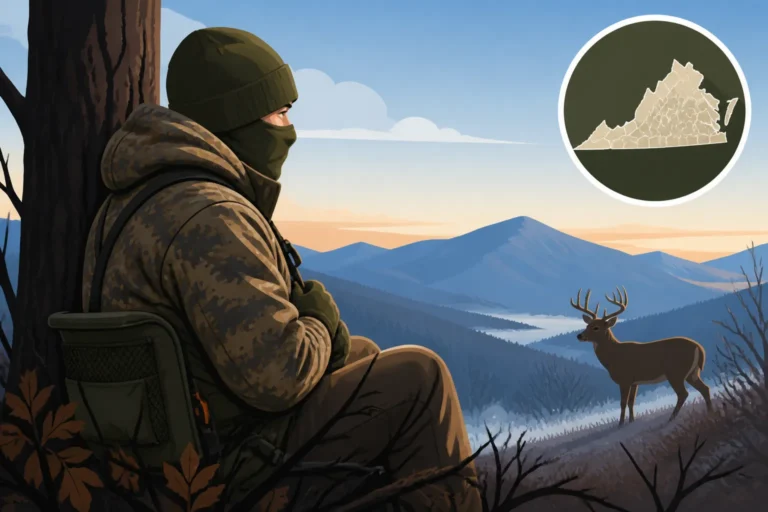
Mountain cold-weather hunting strategies in Virginia explain elevation, wind chill, and temperature inversions for staying warm in deer stands.
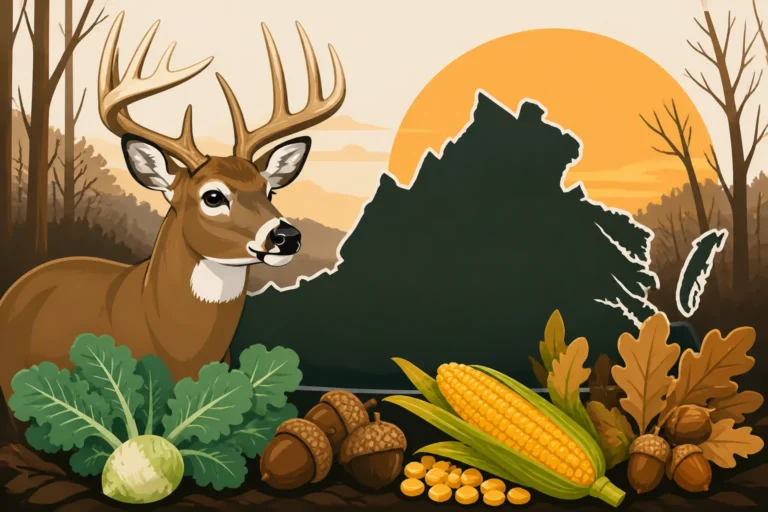
Virginia whitetails depend on late-season food sources for survival after the rut, changing movement patterns and behavior.

Virginia general firearms deer season closing dates, urban archery zones, and late-season whitetail behavior are explained for hunters.
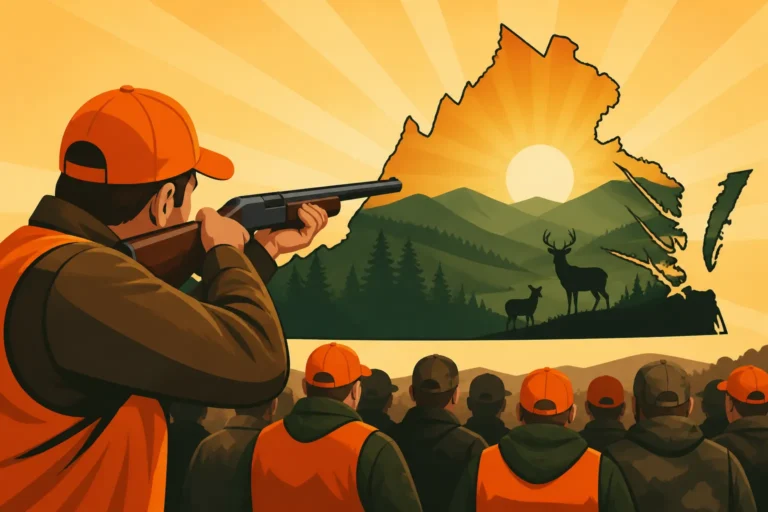
Virginia general firearms season opening day traditions, deer movement, and methods to succeed despite heavy hunting crowds.
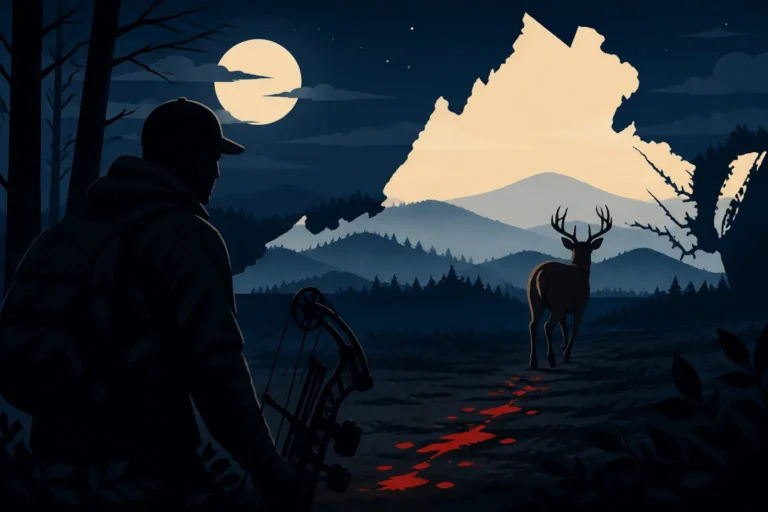
Night tracking of wounded deer in Virginia helps hunters recover game despite darkness, difficult terrain, and predators.
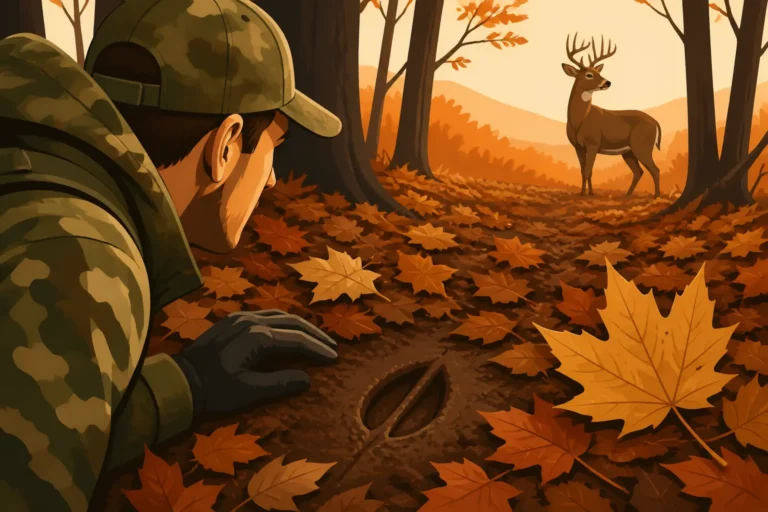
Tracking a wounded deer through Virginia leaf litter involves marking the impact site, waiting patiently, and gathering resources.
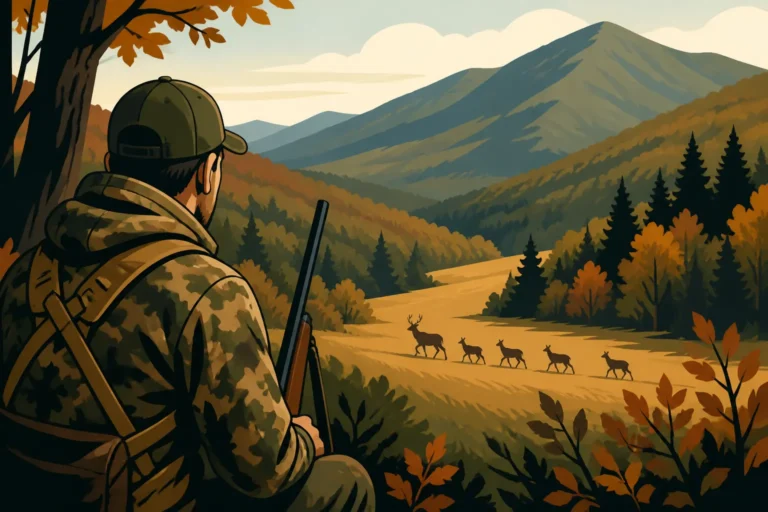
Deer drives in Virginia mountain hollows require strategic posting and mapping to push deer safely toward waiting hunters.
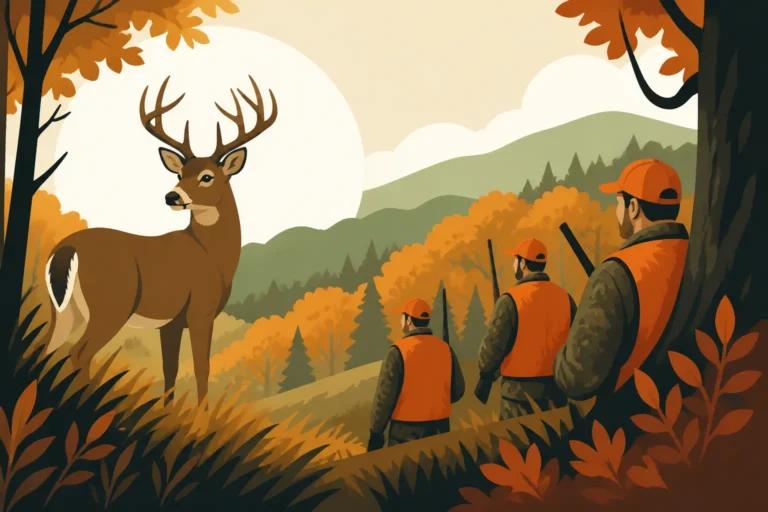
Small deer drives in Virginia detail how three or four hunters target thick cover to push animals toward waiting standers.
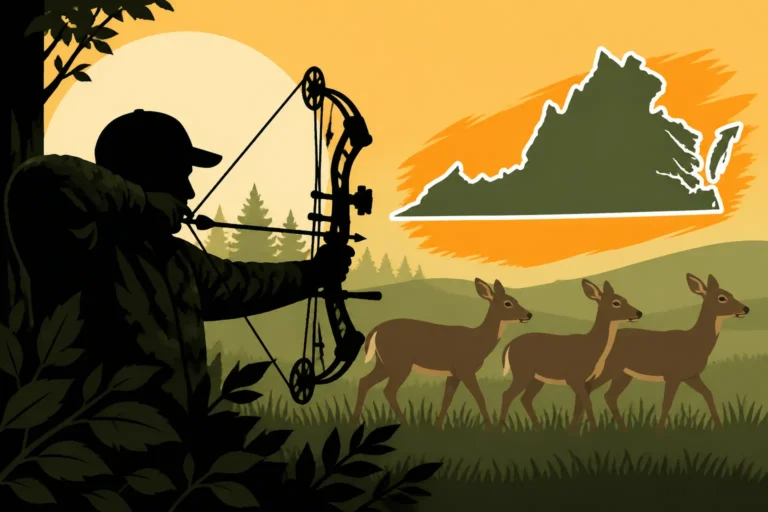
Virginia deer hunters can learn strategies to harvest three antlerless deer and stock freezer meat before the rut.
Virginia deer management regions use different buck limits because of historical population recovery rates and habitat differences.