Hunting the Virginia Youth Deer Weekend
Bringing a young person into the world of hunting is one of the most rewarding experiences a mentor can have, but let's be honest, navigating all the rules and ensuring a positive first-time afield can feel a little daunting. You want to make it special, create lasting memories, and set them up for a lifetime of ethical outdoor pursuit, not bog them down with confusing regulations or a frustrating experience. This guide is here to untangle the specifics of Virginia's Youth Deer Weekend, helping you plan an unforgettable and successful hunt that focuses on education and fun.
Understanding the Virginia Youth Deer Weekend Rules
The Virginia Department of Wildlife Resources (DWR) sets aside specific dates each year to give young hunters a fantastic, dedicated opportunity to harvest a deer without the pressure of the full season crowds. It’s a brilliant concept, but knowing the precise dates, what weapons are allowed, and the bag limits is crucial to staying legal and making the most of the advantage this weekend offers.
Specific Dates and Age Requirements
The Virginia Youth Deer Weekend typically falls on a designated Saturday and Sunday in late September or early October, providing an excellent early-season opportunity. This timing often precedes the main statewide archery or muzzleloader seasons, meaning deer haven't been heavily pressured yet, which can significantly increase a young hunter's chances. To participate, the youth must be 15 years of age or younger. They must be accompanied by a licensed, adult mentor who is at least 18 years old. This mentor must be a licensed hunter, but they are not permitted to hunt themselves, nor are they allowed to carry a firearm (unless transporting it to/from the hunting site, or if they are a law enforcement officer or have a valid concealed carry permit, in which case the firearm cannot be used for hunting during the youth hunt). The entire focus is on the youth hunter. It's a prime time for you to truly immerse yourself in guiding, teaching, and observing.
Allowed Weapon Types and Bag Limits
This special weekend usually allows for a wide range of legal hunting weapons, providing flexibility for young hunters. This includes archery equipment, muzzleloaders, and firearms. This is a significant benefit because it allows the youth to use the method they are most comfortable and proficient with, whether that's a crossbow, a .243 rifle, or a trusty shotgun. However, it's always wise to double-check the current year's regulations on the Virginia DWR website, as specific county rules or statewide changes can occur. For instance, while generally open to all legal weapons, some urban archery zones might have specific restrictions.
The bag limit during the Youth Deer Weekend is typically one deer per day, which can be antlered or antlerless. This is important to note because it means a young hunter could potentially harvest two deer over the two-day weekend if they are lucky and skilled. The usual statewide rules for antlered deer, such as the two-buck limit per license year, still apply to any antlered deer taken during this weekend. Antlerless deer, often the focus for new hunters due to their abundance and simpler hunting strategy, offer a great first-harvest opportunity. Remember, all harvested deer must be reported to the DWR, which can easily be done through their online system or the Go Outdoors Virginia app. Knowing the general Virginia Deer Season Structure Explained will provide a broader context for these rules.
Key Preparations for a Successful Youth Hunt
A successful hunt isn't just about pulling the trigger or releasing an arrow; it's about the entire experience, and that starts long before you even step foot in the woods. Thoughtful preparation can make all the difference, transforming a potentially frustrating day into an exhilarating adventure for your young hunter.
Pre-Season Scouting and Stand Selection
Before the Youth Deer Weekend arrives, you and your young hunter should spend time scouting. This isn't just for finding deer, it's about building excitement and teaching critical skills. Use tools like GoHunt to study aerial maps, identify potential food sources, water, and bedding areas. Look for funnels, pinch points, and natural travel corridors that deer might use. When scouting on public land, pay attention to areas that might see less pressure.
Think about the young hunter's comfort and safety. A good stand or blind location isn't just where deer are, but where the young hunter can sit comfortably and safely for an extended period. For younger kids, a ground blind is often the best choice. It provides warmth, conceals movement, and reduces the risk of a fall from a treestand. If you opt for a treestand, ensure it’s perfectly safe and stable, and that the youth is properly secured with a full-body harness. Remember, this weekend is about the experience, not just the kill. Prioritize safety and enjoyment above all else. Reading a Ridge for Blue Ridge Deer could give you insights into specific terrain scouting.
Gear Check and Practice
The right gear, and familiarity with it, can make or break a hunt. Start with the basics: comfortable, weather-appropriate clothing. The late September/early October weather in Virginia can be unpredictable, ranging from warm mornings to chilly evenings. Layering is key. Ensure the youth's firearm or bow fits them properly and that they've had ample practice. For firearms, make sure the recoil isn't too heavy, as flinching is a common issue that can ruin a shot and shake a young hunter's confidence. For archery, ensure the draw weight is manageable and they can consistently hit a target.
Don't just practice shooting; practice the entire sequence. This includes safely loading/unloading, quietly getting into position, raising the weapon, acquiring the target, and making the shot. Simulate hunting scenarios. Consider using a bipod or shooting sticks to ensure a steady shot, especially from a ground blind. This practice builds confidence and muscle memory, reducing the chances of error when the moment of truth arrives. A big part of this preparation involves ensuring they’ve met all Virginia Hunter Education Requirements, which is mandatory for many young hunters.
Effective Tactics for Hunting During the Youth Weekend
Once the preparations are complete, it's time to think about strategy. Because the Youth Deer Weekend often occurs early in the season, deer behavior can differ significantly from later hunts during the rut or cold weather. Adapt your approach to these conditions to maximize success and maintain the young hunter's interest.
Focusing on Early Season Food Sources
In late September and early October, deer are primarily focused on food. Acorns, especially white oaks, are a huge draw. If it’s a good acorn year, deer will be in the hardwoods, sometimes ignoring planted food plots. Spend your scouting time looking for fresh droppings and disturbed leaves under oak trees. If you've been Hunting After a Poor Acorn Year, deer might be more concentrated on agricultural fields, standing corn, or green food plots.
Consider setting up near transitions – where a bedding area (thick cover) meets a feeding area. Deer will often move to feed in the late afternoon and return to bed in the early morning. Setting up along these travel routes, especially where a funnel might naturally concentrate movement, can be highly effective. A detailed look at Late-Season Food Sources for Virginia Whitetails might seem out of place, but understanding the progression of food sources throughout the year helps you pinpoint what's currently drawing deer during the youth hunt.
Still Hunting and Ground Blind Strategies
For youth hunters, patience can sometimes be a challenge. Still-hunting, moving slowly and deliberately through the woods, can keep them engaged. It's an active way to hunt that allows for frequent stops to glass, listen, and look for fresh sign. This can be particularly effective in areas with diverse terrain and cover, like the edge of a large timber block or along a creek bottom.
However, a ground blind remains an excellent option, especially for all-day sits or in less-than-ideal weather. When Using a Ground Blind on Virginia Public Land, remember to brush it in well to break up its outline. The key is to minimize movement inside the blind and to have shooting lanes clear. Bring snacks, water, and maybe even a book or quiet game to keep the young hunter entertained during slow periods. Teaching them to observe squirrels, birds, and other wildlife can be a great way to pass the time and sharpen their woodsman skills.
Making the Experience Positive and Educational
Beyond the harvest itself, the Youth Deer Weekend is a golden opportunity to instill ethical values, respect for wildlife, and a deep appreciation for the outdoors. Prioritize learning and enjoyment over just "getting a deer."
Emphasizing Ethics and Conservation
Use this time to discuss why we hunt: for sustainable management, for healthy local food, and for connection to nature. Talk about shot placement and ethical harvesting. Explain the importance of only taking clean, humane shots. Discuss the role of the DWR in managing wildlife populations and how hunting licenses contribute to conservation efforts. This is also a perfect time to talk about the importance of reporting a deer. You can even walk them through the process of Checking a Virginia Deer Harvest Online after a successful hunt.
Validate their feelings, whether it's excitement, nervousness, or even disappointment if a shot is missed or no deer are seen. Reassure them that hunting is about the journey, not just the destination. These are the lessons that stick with a young hunter, shaping their character and making them responsible stewards of the land.
Creating Lasting Memories Beyond the Kill
Even if no deer is harvested, the weekend can be incredibly memorable. Pack plenty of their favorite snacks and drinks. Share stories from your own hunting experiences, especially the funny or challenging ones. Teach them to identify different tree species, animal tracks, or bird calls. If you're camping, share some Virginia Deer Camp Traditions around a campfire.
Take plenty of pictures (discretely, without disturbing the hunt) to document the adventure. Let them help with navigating, reading maps, or identifying sign. Every small task you involve them in builds their confidence and sense of ownership over the hunt. The goal is to make them want to come back next year, fostering a lifelong passion for hunting and the outdoors.
Safety First: Essential Considerations for Youth Hunters
Safety is paramount, especially when introducing new hunters to the field. Before, during, and after the hunt, every decision should be filtered through a lens of caution and responsibility. There are no shortcuts when it comes to keeping everyone safe.
Hunter Orange and Visibility Requirements
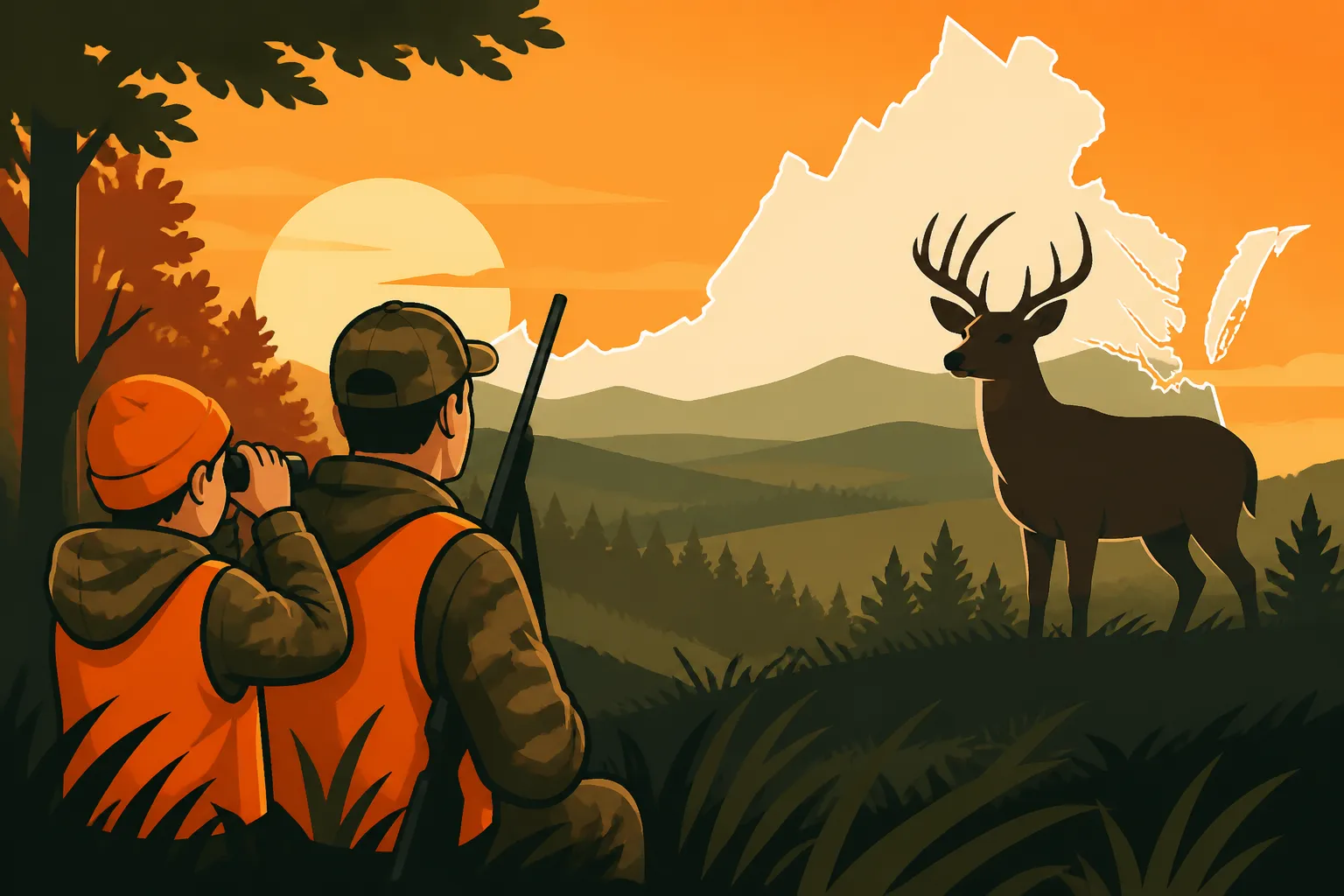
Virginia has clear requirements for hunter orange, and while youth hunters might be excited to wear the latest camo, safety demands visibility. During the Youth Deer Weekend, all hunters (and accompanying adults) are typically required to wear 400 square inches of solid blaze orange or pink above the waist, visible from 360 degrees. This is non-negotiable.
Emphasize to the young hunter why this is so important: to be seen by other hunters and prevent accidents. Even if you're the only group you see, always assume other hunters might be in the area. Review the rules for How Much Blaze Orange Virginia Requires and ensure your young hunter understands and adheres to them. This simple safety measure can make all the difference in a busy forest.
Firearm Handling and Situational Awareness
Before the hunt, review the four cardinal rules of firearm safety:
- Treat every firearm as if it's loaded.
- Always point the muzzle in a safe direction.
- Keep your finger off the trigger until ready to shoot.
- Be sure of your target and what is beyond it.
During the hunt, the mentor's role is critical. You are the ultimate safety officer. Maintain constant situational awareness. Know where the youth hunter is pointing their firearm at all times. Before they take a shot, visually confirm the target is legal, safe, and that no hazards are beyond it. This is where a rangefinder can be invaluable, especially for newer hunters who might struggle with estimating distances in the field. Discuss what to do if another hunter is spotted, or if a deer moves into an unsafe shooting lane. These conversations build responsible habits that will last a lifetime.
Beyond the Hunt: Processing and Celebrating Success
A successful hunt doesn't end with the shot. What happens afterward is just as important for the young hunter's understanding and appreciation of the entire process. It’s another valuable educational opportunity.
Field Dressing and Meat Care
This is often the least glamorous part of the hunt, but it's essential. Involve the young hunter in the field dressing process as much as they are comfortable. Explain why it's necessary to cool the animal quickly and how to properly care for the meat. This teaches respect for the animal and ensures the venison is high quality. Even if they don't do all the work, watching and understanding the steps is invaluable.
For an early season hunt, especially if temperatures are still warm, having a plan for immediate cooling is critical. This might mean having a cooler full of ice in the truck or knowing the location of a local processor. Learning to Field Dressing a Deer in Cold Weather is a useful skill for later in the year, but for the youth weekend, focus on prompt care to prevent spoilage. Discussing the origins of the food we eat, and the effort involved in bringing it to the table, strengthens the young hunter's connection to their food source.
Documentation, Reporting, and Family Meals
Once the deer is field-dressed, ensure the youth hunter understands the legal requirements for tagging and reporting. In Virginia, all deer must be tagged immediately after harvest, and then reported to the DWR within 24 hours. The Go Outdoors Virginia app makes this process simple and quick. Teach them how to correctly identify the deer's sex and whether it's antlered or antlerless for reporting purposes.
Finally, celebrate! Whether it's a small family gathering or a larger "deer camp" style meal, sharing the venison with family and friends is the ultimate celebration of the hunt. Let the young hunter tell their story. This completes the cycle of the hunt, from forest to table, and reinforces the positive aspects of the experience. It’s a chance to savor the bounty and reflect on the adventure.
| Aspect | Youth Deer Weekend Overview |
|---|---|
| Dates | Typically a Saturday and Sunday in late September or early October (check current DWR regulations for exact dates each year). |
| Age Requirement | 15 years of age or younger. |
| Mentor Requirement | Accompanied by a licensed, non-hunting adult (18+). Mentor cannot hunt or carry a weapon for hunting purposes. |
| Allowed Methods | Archery equipment, muzzleloaders, and firearms are generally permitted. Always verify current year's regulations and county-specific rules. |
| Bag Limit | One deer per day (antlered or antlerless). All statewide antlered deer limits (e.g., two bucks per season) still apply to any antlered deer harvested during this weekend. |
| Reporting | All harvested deer must be tagged immediately and reported within 24 hours via phone, online, or the Go Outdoors Virginia app. |
| Hunter Orange | Youth and mentor must wear 400 square inches of solid blaze orange or pink above the waist, visible 360 degrees. |
| Benefits | Reduced hunting pressure, dedicated time for youth, opportunity to use various legal weapons, focus on education and positive experience. |
Disclaimer
Please note: Hunting regulations and seasons can change. Always consult the most current Virginia Department of Wildlife Resources (DWR) regulations guide before planning any hunting trip. This article is for informational purposes only and does not supersede official DWR publications.