Chincoteague National Wildlife Refuge Hunting
For many Virginia hunters, the idea of chasing game on the Eastern Shore, particularly in a place as iconic as Chincoteague National Wildlife Refuge, holds a special allure. It's a completely different experience from the mountains or the Piedmont, with its unique coastal habitat and abundant wildlife. However, navigating the specific rules and regulations of a National Wildlife Refuge can feel like deciphering a cryptic puzzle, leading to confusion and frustration for even seasoned outdoorsmen. This guide aims to demystify hunting at Chincoteague, helping you understand the opportunities, the application process, and what it takes to have a successful and compliant hunt in this incredible natural treasure.
Understanding Chincoteague National Wildlife Refuge's Unique Environment
Chincoteague National Wildlife Refuge isn't your typical patch of public hunting land. It's a place managed first and foremost for wildlife conservation, offering critical habitat for migratory birds and endangered species. Because of this primary mission, hunting here comes with a distinct set of guidelines and opportunities that differ significantly from those on state-managed Wildlife Management Areas (WMAs) or even the National Forests.
The Refuge's Mission and Habitat
The U.S. Fish and Wildlife Service (USFWS) manages Chincoteague National Wildlife Refuge with a focus on protecting and conserving fish, wildlife, and plants. This means that while hunting is a recognized and valued wildlife management tool on the refuge, it's conducted in a way that aligns with these broader conservation goals. The habitat itself is a dynamic mix of barrier island, pristine beaches, salt marsh, pine forests, and freshwater impoundments. This diverse landscape supports a variety of game species, but it also means that hunters need to be acutely aware of their surroundings and the specific areas designated for hunting. You might be hunting marsh edges one day and dense pine thickets the next, so understanding the terrain and how it influences animal movement is key.
Federal Versus State Regulations
One of the biggest hurdles for hunters new to refuges is understanding the interplay between federal and state regulations. While Virginia's Department of Wildlife Resources (DWR) sets many of the overarching hunting laws for the state, federal refuges like Chincoteague operate under their own specific regulations, often more restrictive than statewide rules. This isn't meant to make things harder, but rather to ensure hunting activities are compatible with the refuge's primary conservation objectives. For instance, while Virginia might have a general archery season, Chincoteague will have its own specific dates, weapon types, and often quota limits. Always remember that federal refuge rules supersede state rules when there's a conflict, so checking the refuge's specific hunt brochure is non-negotiable before planning your trip.
Specific Hunting Opportunities at Chincoteague
Chincoteague National Wildlife Refuge offers some fantastic hunting experiences, particularly for deer and certain migratory birds. However, these opportunities are often limited in scope and highly regulated to protect the sensitive ecosystem and ensure sustainable harvests.
Deer Hunting (Archery and Muzzleloader)
Deer hunting at Chincoteague is primarily focused on white-tailed deer, and it's almost always a controlled hunt opportunity requiring a special permit. Historically, these hunts have utilized archery and sometimes muzzleloaders, offering a primitive weapons experience that aligns with the refuge's management philosophy. The season dates are very specific to the refuge and usually do not align with the broader Virginia Statewide Archery Season Opens or Virginia Early Muzzleloader Season Dates. Expect shorter seasons and often antlerless-only days or specific bag limits designed to manage the local deer population, which can thrive in the refuge's protected environment. Hunters often find good success, but the challenge lies in securing a permit and adapting to the unique coastal hunting conditions, which might include high tides, marshy terrain, and dense cover.
Waterfowl Hunting
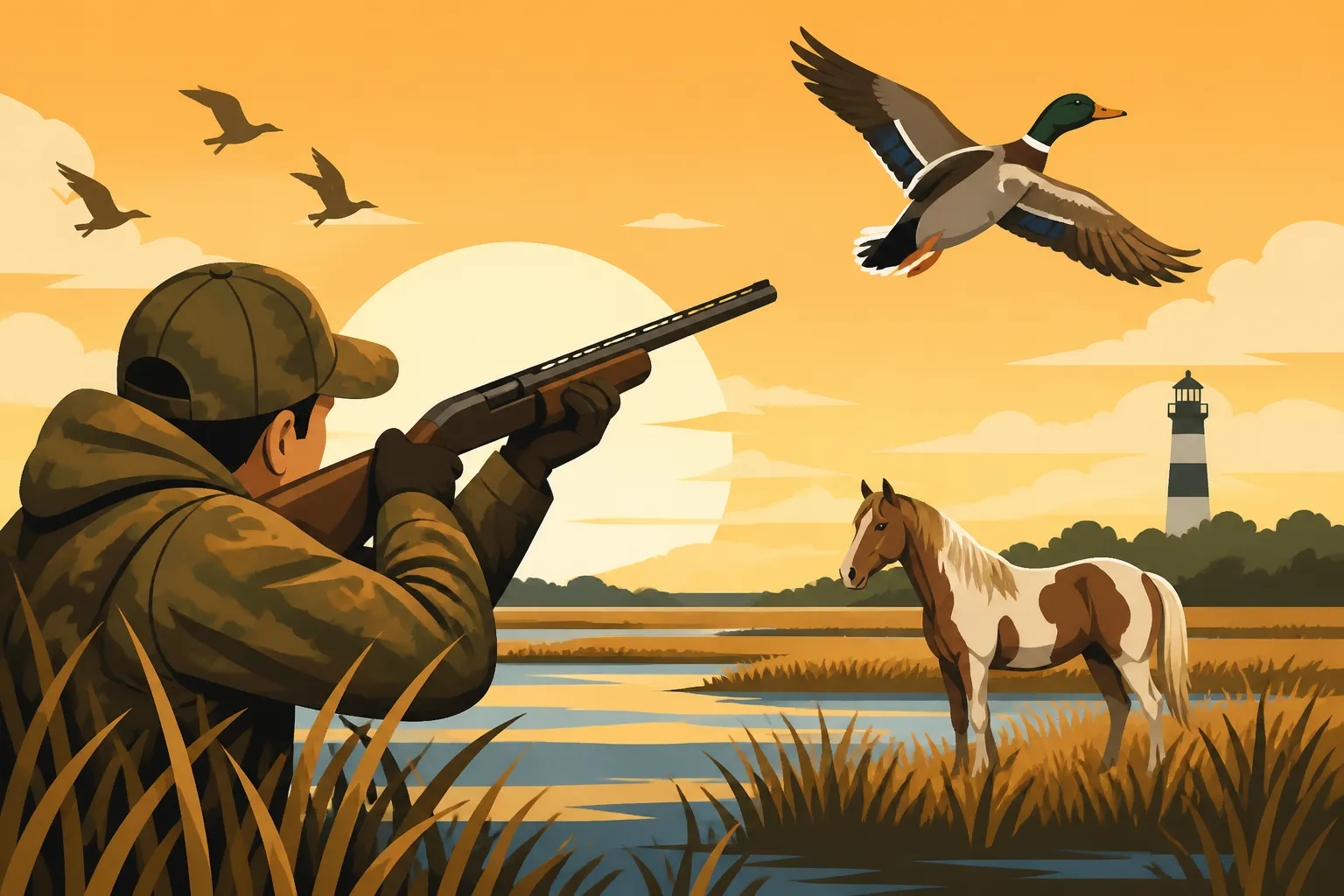
Given its location on the Atlantic Flyway, Chincoteague is a natural magnet for migratory waterfowl. The refuge provides crucial resting and feeding grounds for a vast array of ducks and geese. Waterfowl hunting opportunities are also managed through a permit system, often with designated hunting blinds or zones to minimize disturbance to non-hunted areas and to ensure hunter safety. You might find opportunities for various species, from puddle ducks in freshwater impoundments to diving ducks in the bay waters or geese feeding in agricultural fields. Waterfowl Hunting the Chesapeake Bay gives you a broader picture of the region, but Chincoteague's specific regulations will dictate bag limits, shooting hours, and allowed methods. Be prepared for robust competition for permits and potentially challenging hunting conditions, from icy mornings in layout blinds to navigating tidal creeks in a boat.
Navigating the Application and Permit Process
This is where many hunters hit a wall. Getting a permit to hunt Chincoteague isn't as simple as buying a general state license. It involves a specific application process, often with deadlines, drawings, and fees separate from your standard Virginia licenses.
The Quota Hunt System
Chincoteague, like many federal refuges, employs a quota hunt system. This means only a limited number of hunters are allowed into specific areas during designated periods. These hunts are generally managed through a lottery or drawing system. You'll typically apply for these hunts well in advance of the season, often months before you'd even think about buying your regular hunting tags. The application period and method can vary, but generally, you'll find information on the refuge's official website. It's crucial to pay close attention to deadlines; miss one, and you're out of luck for the season. The fees associated with applying are usually nominal, but if drawn, there might be an additional permit fee to secure your spot. Don't forget, even if you draw a Chincoteague permit, you'll still need your valid Virginia hunting license and any relevant big game or waterfowl stamps. Virginia Hunting Licenses and What They Cost is a good starting point for understanding state-level requirements.
Finding Information and Applying
The most reliable source for up-to-date information on Chincoteague's hunts is the refuge's official website or by contacting the refuge headquarters directly. They publish annual hunt brochures detailing available species, seasons, rules, and the application process. While some state quota hunts might be processed through the Go Outdoors Virginia platform, federal refuge hunts often have their own unique application portals or paper applications.
Here's a general outline of what to look for:
- Hunt Brochure Release: Typically released in late summer or early fall for the upcoming hunting season.
- Application Period: A specific window when applications are accepted. This is non-negotiable.
- Drawing Results: Dates when successful applicants are notified.
- Permit Fees: Any additional costs for successful applicants.
- Check-In/Orientation: Many refuge hunts require a mandatory check-in or orientation session prior to your hunt, where you'll receive maps, specific rules, and often be assigned a hunting zone.
Using mapping tools like onX Hunt can be incredibly useful even during the application phase. You can often overlay refuge boundary lines and see where different hunt zones might be located based on historical maps, helping you strategize which hunt units to apply for if given the option.
Permit Opportunities Overview
To give you a clearer picture, here's a general idea of the types of hunts typically offered, though specifics can change year to year:
| Hunt Type | Typical Species | Season Timing | Method | Permit Required | Notes |
|---|---|---|---|---|---|
| Deer Quota Hunt | White-tailed Deer | Fall (Archery) | Bow/Crossbow | Yes | Specific zones, often antlerless focus. |
| Late Fall (Muzzle) | Muzzleloader | Yes | Limited opportunities, very specific dates. | ||
| Waterfowl Draw | Ducks, Geese | Fall/Winter | Shotgun | Yes | Assigned blinds or zones, daily draw often involved. |
Note: This table is illustrative. Always check the official Chincoteague NWR hunt brochure for current year details.
Key Regulations and Restrictions for Chincoteague Hunting
Hunting on a National Wildlife Refuge involves adherence to a strict set of rules designed to ensure safety, conservation, and minimal impact on other refuge activities. Being fully aware of these is paramount to avoiding citations and preserving future hunting access.
Access and Movement Limitations
Unlike some open public lands where you might have free reign, Chincoteague will have very specific rules about where you can go and how you can get there. This often includes designated parking areas, foot access only in certain zones, and restrictions on vehicle use. Boating might be allowed in some areas for waterfowl, but with strict rules on motor size or propulsion methods to protect sensitive marsh habitats. Hunters should expect to do a good amount of walking, potentially through challenging terrain. Knowing the boundaries of permitted hunting areas is non-negotiable, and using a GPS app like onX Hunt or GoHunt that displays public land ownership and refuge boundaries can be a lifesaver, especially in areas with subtle transitions between hunting and non-hunting zones. Trespassing into closed areas, even accidentally, can lead to severe penalties.
Weapons, Ammunition, and Blaze Orange Requirements
The types of weapons and ammunition allowed are often more restricted on refuges. For deer, while archery and muzzleloader are common, centerfire rifles are typically prohibited. Shotgun ammunition might be restricted to non-toxic shot even for upland game if hunting within proximity to water. Always consult the refuge's hunt brochure for specific rules on legal firearms, archery equipment, and ammunition types.
Blaze orange or blaze pink requirements are also enforced for safety, often exceeding state minimums. For instance, How Much Blaze Orange Virginia Requires for general firearms season might be 400 square inches, but the refuge could require a full vest and hat regardless of the weapon being used or the season. Ensure you and any hunting partners are wearing the correct amount and color of visibility clothing.
Game Retrieval and Check-In Procedures
Harvesting an animal on a refuge often comes with specific check-in and retrieval protocols. You might be required to tag your animal immediately after harvest with your state tag, and then present it at a refuge check station for a federal tag or verification. This data helps refuge biologists manage populations effectively. Retrieval methods can also be restricted; for example, ATVs might be prohibited, requiring you to drag your deer out by hand or with a game cart, potentially over long distances or through marshy ground. Always know the nearest check station location and operating hours, and plan your retrieval strategy carefully, especially for larger game like deer. Blood Trailing After Dark in Virginia might be more challenging due to refuge regulations on night activity.
Preparing for Your Chincoteague Hunt
A successful hunt at Chincoteague requires more than just luck; it demands thorough preparation. From understanding the unique environment to having the right gear, thinking ahead will significantly increase your chances of success and enjoyment.
Scouting the Unique Coastal Terrain
Scouting is paramount, but coastal scouting comes with its own set of challenges and opportunities. Tide charts become as important as weather forecasts, as water levels can dramatically alter access points and game movement. Areas accessible at low tide might be completely submerged at high tide. Look for pinch points in the marsh, higher ground where deer might bed during high water, and travel corridors through dense scrub. Satellite imagery from platforms like onX Hunt can reveal subtle elevation changes and potential bedding areas that are otherwise invisible from the ground. Pre-season scouting on foot, when permitted, will allow you to learn the terrain, identify game trails, and find suitable stand locations. Remember that animal sign in marshy areas might be less obvious than in a deciduous forest. Scouting Virginia Public Land Before Season holds true, but apply it to this unique coastal context.
Essential Gear for Coastal Hunting
Your gear list for Chincoteague will look a bit different from a mountain hunt.
- Waterproof Everything: From your boots to your outer layers, you'll need serious waterproof protection. Rubber boots or chest waders are often essential, especially for waterfowl or retrieving deer from marsh edges.
- Thermals and Layers: Despite being on the coast, late fall and winter hunts can be bitterly cold, especially with the wind whipping off the ocean. Layering is key.
- Optics: Good binoculars are vital for spotting deer or waterfowl in open marsh areas. Binocular Choice for Virginia Whitetails is relevant, but consider moisture resistance.
- Navigation: A reliable GPS unit or a smartphone with a robust mapping app (like onX Hunt or GoHunt) is crucial for staying within hunt zones and navigating featureless marshland or dense thickets. Always carry a compass and physical map as a backup.
- Game Retrieval: A deer drag or sled will be invaluable. If hunting waterfowl, consider a sturdy boat or kayak (where allowed) and robust decoy bags.
- Bug Protection: Even in cooler months, insects can be an issue in marshy environments.
Environmental Considerations and Safety
Hunting on a barrier island comes with inherent risks. Rapidly changing weather, high winds, and strong tides can turn a calm day into a dangerous situation quickly. Always let someone know your exact hunting plan, including your entry and exit points and expected return time. Be prepared for self-rescue in case of a fall into cold water or getting stuck in mud. Carry a fully charged cell phone (though service can be spotty), a whistle, and a basic first-aid kit. Since the refuge is also a popular destination for non-hunters, be extra vigilant about identifying your target and being aware of other refuge users. Safety should always be your top priority.
Respecting the Refuge's Mission and Environment
Hunting at Chincoteague National Wildlife Refuge is a privilege that comes with a significant responsibility to uphold the refuge's conservation mission and ensure the area remains pristine for future generations of wildlife and visitors.
Leave No Trace Principles
Practicing "Leave No Trace" is not just good etiquette; it's often a strict requirement on federal lands. This means packing out everything you pack in, including spent shell casings, food wrappers, and any other trash. Do not disturb vegetation unnecessarily, and avoid creating new trails. When field dressing game, be mindful of where you leave entrails, ideally in areas that minimize impact or are designated by the refuge. The goal is to leave the area exactly as you found it, if not better. This also extends to temporary structures: if you use a ground blind, ensure it's removed completely at the end of your hunt. Using a Ground Blind on Virginia Public Land for specific setup tips.
Interacting with Non-Hunting Visitors
Chincoteague National Wildlife Refuge is a popular destination for bird watchers, photographers, beachgoers, and other nature enthusiasts. It's highly likely you will encounter non-hunters during your visit, even if you are in a designated hunting area. Always interact respectfully and professionally. Be courteous, answer questions politely if approached, and avoid any actions that could be perceived as unsafe or disrespectful. Our behavior as hunters directly impacts public perception and the future of hunting access on these precious lands. Being a good ambassador for hunting is crucial.
Hunters' Role in Conservation
Participating in managed hunts on refuges like Chincoteague underscores the vital role hunters play in wildlife conservation. These hunts are often designed by wildlife biologists to achieve specific population management goals, such as controlling deer numbers to prevent overbrowsing or reducing the spread of disease. By participating, hunters directly contribute to healthy ecosystems and balanced wildlife populations. Moreover, the fees associated with licenses and permits often directly fund conservation efforts, benefiting both game and non-game species alike. Embrace this role, and take pride in knowing your efforts help keep this special place wild and thriving.
Disclaimer
This article is for general informational purposes only and does not constitute professional advice. Laws, prices and regulations vary by location and change over time. Consult a qualified professional for guidance on your specific situation.