Using a Ground Blind on Virginia Public Land
Hunting Virginia's public lands is an experience steeped in tradition and challenge, but let's be honest, it can also be a real grind. Between trying to find that perfect, unpressured stand tree in a sea of public timber, dealing with unpredictable weather, or simply wanting a more comfortable, concealed hunt, many of us face frustrations that can make us question our methods. This guide is all about embracing the often-underestimated power of a ground blind on Virginia's public lands, offering deep insights into how to use them effectively for concealment, comfort, and, ultimately, success.
The Strategic Advantage and Practical Hurdles of Ground Blinds
There’s a certain romance to climbing a tree stand, watching the sunrise paint the forest. But let's get real for a moment: sometimes, a tree stand just isn't the best option, especially on public land that's seen its fair share of pressure. Ground blinds offer a unique set of advantages, but they come with their own learning curve and practical considerations. It’s about knowing when and how to deploy them to turn a potential frustration into a strategic edge.
Why a Ground Blind Can Be Your Best Friend (or Your Biggest Frustration)
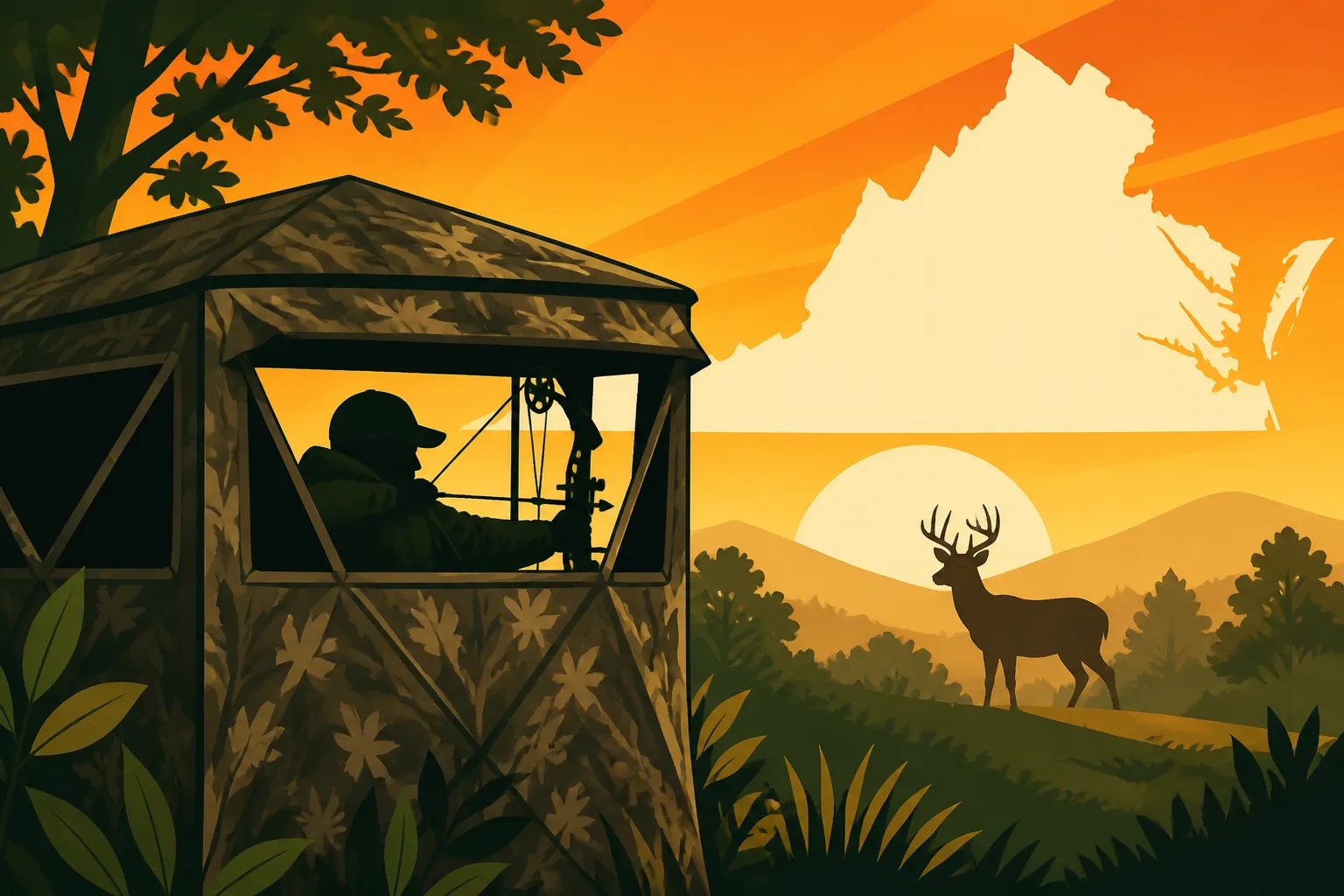
Let's talk about the good stuff first. The number one reason many of us turn to ground blinds is the unparalleled concealment they offer. No more worrying about that deer picking you out against the skyline or trying to perfectly match the bark of a tree. A well-placed and properly brushed-in ground blind simply makes you disappear. It breaks up your human outline, shields you from keen eyesight, and provides a dark interior that makes it incredibly difficult for animals to spot movement within. This is a game-changer when you're dealing with spooky public land deer or turkeys that have seen every trick in the book.
Then there's the thermal regulation and comfort. Imagine sitting out a sudden downpour, a biting wind, or even a late-season snowstorm, relatively dry and out of the direct blast. Ground blinds provide a legitimate refuge from the elements, which can extend your hunt time and keep you in the woods longer, especially during those notoriously unpredictable Virginia weather swings. For hunters with mobility challenges, youth hunters, or anyone simply looking to make a 6-hour sit more bearable, the ability to stretch out, sit in a real chair, and even bring a small heater (with proper ventilation, of course!) can make all the difference. This comfort also contributes to better scent control because the enclosed space can help contain and direct your scent, especially with a cross-ventilation strategy, or when used with additional scent elimination products.
However, it's not all sunshine and rainbows. Ground blinds introduce their own set of challenges. The biggest one for public land hunters is often portability. Hauling a bulky, sometimes heavy, blind, along with your chair and other gear, deep into a Wildlife Management Area or National Forest can be a real workout. Unlike a lightweight saddle or climber, a full-sized ground blind isn't designed for quick, silent relocation during the hunt.
Then there's the setup time and the potential for the "dark blob" effect. While you can deploy a blind fairly quickly, it takes time and effort to properly brush it in so it doesn't look like a black box dropped in the middle of the woods. If you don't take the time to blend it into its surroundings, it can stick out like a sore thumb and spook game from a mile away. You also have limited visibility compared to a treestand; you're not getting that expansive, bird's-eye view. This means you need to be very precise with your shooting lanes and understand the terrain immediately around you. The frustration of packing in all that gear only to realize your blind looks completely out of place, or that you missed a shot because of a branch you didn't see from eye level, is something many hunters have experienced. But with proper planning, these frustrations can be minimized.
Navigating Virginia's Rules and "Leave No Trace" Ethics
Before you even think about staking down a ground blind on public land in Virginia, you absolutely must understand the regulations. The Virginia Department of Wildlife Resources (DWR) manages a variety of public hunting opportunities, and rules can differ depending on whether you're on a DWR-managed Wildlife Management Area (WMA), National Forest land (like the George Washington or Jefferson National Forests), or State Forest land. It’s not a one-size-fits-all situation, and ignorance of the rules is no excuse.
Generally, for DWR-managed WMAs, ground blinds are considered temporary structures. This means they cannot be left unattended for extended periods. Often, there’s a rule regarding how long a temporary stand or blind can remain on the property, frequently 72 hours or similar, but this can vary by WMA. Crucially, all unattended blinds must be clearly marked with the hunter's DWR license number or customer ID. This isn't just a suggestion; it's a requirement to help DWR personnel manage the property and identify responsible parties. You don't want your carefully placed blind getting confiscated or you getting cited because you forgot to tag it. When visiting a WMA, remember that most require a special Virginia WMA Access Permit Sign-In Process, which is vital to understand before your hunt.
On National Forest land (George Washington and Jefferson National Forests), the general rule for temporary stands and blinds is similar – they must be removed at the end of the day's hunt or at the close of the season, depending on specific forest regulations. Permanent structures are never allowed. Again, personal identification like your DWR customer ID should be visible on any blind left for an overnight period (if permitted). The "Leave No Trace" principles are paramount here: anything you pack in, you must pack out. This includes your blind, any trash, and even spent shell casings. You should leave the area exactly as you found it, making no permanent alterations to the landscape. This means no cutting down live trees to brush in your blind, and no driving nails or screws into trees.
For State Forests, rules can also vary, so always check with the Virginia Department of Forestry (VDOF) for the specific forest you plan to hunt. Some state forests may have more restrictive rules regarding stands and blinds due to timber management practices or other recreational uses.
The golden rule for all public lands is: check the specific regulations for the area you intend to hunt before you go. The DWR website and individual WMA pages are invaluable resources. Don't rely on hearsay or what was allowed last year, as rules can change. This due diligence isn't just about avoiding fines; it's about being a responsible, ethical hunter who respects our shared public resources.
Mastering Placement and Concealment: Becoming Part of the Landscape
Throwing a ground blind down in a random spot is like flipping a coin for success. To truly leverage the advantages of a blind, you need a strategic approach to placement and an understanding of how to make it disappear into the environment. This takes careful scouting and a keen eye for detail.
Pinpointing Productive Locations: More Than Just a Pretty View
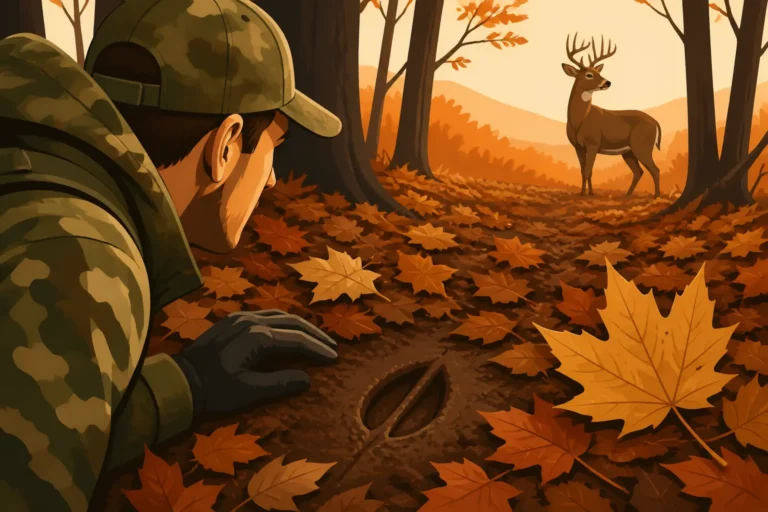
Effective ground blind placement starts long before opening day – it begins with meticulous scouting. This is where you become a detective, looking for clues that indicate consistent game movement and activity. You're not just looking for a clear shooting lane; you're looking for the why a deer or turkey would be there.
Start by identifying natural funnels and pinch points. These are areas where the landscape naturally constricts game movement, forcing animals through a smaller area. Think about creek bottoms, saddles between ridges, logging roads that serve as travel corridors, or even fence lines that act as barriers. A small strip of woods between a large open field and a thick bedding area is a classic pinch point. These areas are goldmines for blind placement because they increase your odds of an animal passing by within range. For deeper insights into this, check out strategies for Hunting a Funnel Between Two Hollows.
Next, consider food and water sources. During different times of the season, these become magnets for game. Early season might focus on soft mast (persimmons, wild grapes) or agricultural fields. Later in the fall, look for hard mast like oak flats laden with acorns. In drier periods, a reliable water source can be a hotspot. Pay attention to browse lines, which indicate heavy deer feeding. While public lands may not have planted food plots like private properties, natural browse and mast are abundant.
Terrain features also play a crucial role. Ridges, hollows, and benches on hillsides are used by deer for travel, bedding, and feeding. Understanding how deer navigate these features, especially concerning wind direction and thermals, is vital. Thermals, which are rising or falling air currents, can be just as important as prevailing winds, particularly in mountainous or hilly terrain, like when you're Reading a Ridge for Blue Ridge Deer. A blind placed on a ridgetop saddle might be great for travel, but you need to know how the wind behaves there.
Modern tools can be incredibly helpful in this phase. Applications like GoHunt or the Virginia DWR's own mapping tools allow you to analyze satellite imagery, topography, and public/private land boundaries from your couch. You can mark potential bedding areas, travel corridors, and even specific trees that might offer natural cover. Before the season, take boots-on-the-ground scouting trips to verify what the maps show, look for fresh sign (scrapes, rubs, tracks, droppings), and identify potential blind locations. This proactive approach to Scouting Virginia Public Land Before Season will dramatically increase your success rate.
The Art of Brushing In: Vanishing in Plain Sight
Once you've identified your ideal spot, the next critical step is making your blind disappear. A ground blind, especially a brand-new one with crisp edges and a solid color, can look incredibly out of place to wary game. Your goal is to break up its perfect geometric shape and blend it seamlessly into the surrounding environment. This isn't just about covering it; it's about making it look like it's always been there.
The key is to use natural vegetation from the immediate area. Don't bring in branches from a different habitat type; use what's right there. This could be deadfall branches, tall grasses, corn stalks if you're on a field edge, or evergreen boughs. Start by positioning your blind against a natural backdrop that already offers some cover – a thick hedgerow, a dense pine thicket, or a fallen log. This immediately reduces the amount of brushing in you'll need to do.
Focus on breaking up the blind's outline. Deer and turkeys are incredibly good at spotting unnatural shapes. Instead of piling brush flat against the blind, try to create depth and unevenness. Stick branches into the ground around the blind, leaning them against the sides. Weave smaller branches and grasses into the existing brush loops on your blind's exterior. Pay particular attention to the corners and the top edge, as these are often the most geometric and obvious parts. Think about how light and shadows play on the blind; you want a mottled, broken appearance, not a solid, dark mass. This prevents the dreaded "dark blob" effect, which can make your blind stand out like a billboard. If you’re hunting a field edge, take inspiration from how farmers might pile brush naturally. For more tips on this, see Brushing In a Blind on a Field Edge.
Consider the timing of your setup. If possible, set up and brush in your blind a few weeks before the season opens. This allows the game animals in the area to get accustomed to its presence. They'll see it as a permanent, non-threatening fixture in their territory. If you have to do a quick setup on the day of the hunt, it's even more crucial to be aggressive with your brushing in, even if it means sacrificing a few minutes of hunting time to ensure it's properly concealed. Remember to clear your shooting lanes before the hunt, making sure any branches or leaves won't interfere with your shot.
Optimizing the Hunt: Inside the Blind Experience
Once you’ve got your blind perfectly placed and brushed in, the work isn’t over. What you do inside the blind – how you manage your scent, control your movement, and equip yourself for comfort – can make or break your hunt. The blind offers advantages, but you still need to capitalize on them.
Minimizing Your Footprint: Scent, Sound, and Movement
A ground blind can be a powerful tool for scent control, but it's not a magical force field. You still need to be diligent. Think of the blind as a vessel that can contain and direct your scent. Always approach your blind with the wind in your favor, ideally walking against it to your setup location. Minimize your walking distance to the blind, especially if you're traversing active deer trails. Once inside, utilize the blind's window configurations to your advantage. Opening a window on the downwind side, and perhaps a small one on the upwind side, can create a slight cross-breeze that helps pull your scent out and away from the area you expect game to approach. This isn't foolproof, but it's far better than having stagnant scent pooling around you. Don't forget the basics: shower with scent-eliminating soap, wear clean hunting clothes, and consider using scent-eliminating sprays or even small portable ozone generators within the blind. For further insights on this, refer to Scent Control Gear for Urban Archery Hunts.
Managing movement inside a confined space is crucial, especially when an animal is approaching. The temptation to fidget, grab a snack, or check your phone is real. However, even subtle movements can be picked up by sharp eyes, particularly if your blind isn't perfectly brushed in or if an animal is looking directly at a window opening. Practice slow, controlled movements. Organize your gear before the hunt so everything is within easy reach and nothing has to be rummaged for. Make sure your bow can be drawn, or your rifle can be shouldered, quietly and smoothly without snagging on fabric or hitting a blind support pole. The dark interior of most blinds helps, but it doesn't make you invisible.
Noise reduction goes hand-in-hand with movement. Quiet zippers on your clothing and blind windows are essential. Avoid bringing noisy snacks or drinks. Wrap anything that rattles or clinks in soft cloth. Even the chair you choose can make a difference; some swivel chairs can creak or squeak when rotated. Do a "noise check" inside your blind before the season to identify and mitigate any potential sound issues. Every little bit of silence helps, particularly when a mature buck is easing through the timber just outside your shooting lane.
Essential Gear for Comfort and Effectiveness
One of the biggest advantages of a ground blind is the ability to bring more gear for comfort and effectiveness. This can significantly extend your time on stand and keep you focused.
First up, seating. Forget those tiny, uncomfortable fold-up stools. Invest in a comfortable, sturdy chair. Many hunters prefer a swivel chair that allows for quiet 360-degree rotation, giving you better visibility and shooting angles without having to shift your body. Look for chairs that are quiet, have good back support, and won't sink into soft ground. Some models even come with armrests and cup holders, which are luxurious amenities for a long sit on public land.
For those chilly Virginia mornings or brutal late-season hunts, a portable heater can be a game-changer. Small propane heaters, like those made by Mr. Heater, can make an otherwise unbearable sit quite pleasant. However, safety is paramount: always ensure adequate ventilation to prevent carbon monoxide buildup. Never use an unvented propane heater in a fully enclosed blind without leaving a window or vent partially open. Beyond heaters, remember the power of layering clothing for effective temperature regulation. Starting with a good base layer and adding insulating layers of fleece or wool, topped with a waterproof outer shell, will keep you comfortable regardless of the weather. For more on layering, read up on Layering for a Virginia Deer Stand.
Finally, optimize your visibility and shooting lanes. Most modern ground blinds feature multiple window options, from zippered openings to shoot-through mesh. Experiment with these. While shoot-through mesh offers excellent concealment, it can sometimes slightly impede arrow flight or obscure optics, especially in low light. For rifle hunting, you might prefer to open a window for a clearer shot. Always clear specific shooting lanes around your blind, both for bow and gun. This means trimming small branches or weeds that could deflect an arrow or block your view of a deer at a critical moment. Make sure you have clear lanes for every likely approach direction. Thinking about these details beforehand will save you precious seconds and potentially a missed opportunity when game appears. Comfort and readiness go hand in hand, allowing you to maximize your time in the field, even in challenging conditions that might drive a treestand hunter home early, as discussed in Cold-Weather Sitting Strategy in the Mountains.
Common Missteps and Smart Solutions
Even with the best ground blind and meticulous preparation, there are common pitfalls that can lead to frustration and empty hands. Recognizing these issues and having strategies to overcome them is key to consistent success on Virginia’s pressured public lands.
Avoiding Over-Hunting and Educating Game
One of the most significant challenges on public land, regardless of your chosen hunting method, is dealing with hunter interference and educating game. Public land deer, especially mature animals, are incredibly savvy. They quickly learn to associate unusual sights, sounds, or repetitive human activity with danger. If you place a ground blind in a high-traffic area or hunt the same blind repeatedly without success, you're not just over-hunting the spot; you're actively educating the deer in that area to avoid it. They will detect your presence, pick up your scent, or simply learn that a dark blob in the woods often means trouble.
The solution lies in pressure management and rotation. It's often better to have multiple ground blind locations scouted and prepped, allowing you to rotate between them. If you hunt a spot and don't see anything, or worse, you spook deer, give that area a break for a few days, or even a week, especially on smaller public tracts. This gives the animals a chance to settle back down and forget about your intrusion. Think of it like a chess game, not a sprint. Public land deer will often pattern you if you're not careful.
Your approach and exit routes are just as critical as your time inside the blind. Walking in and out loudly, or crossing fresh deer trails, can blow a hunt faster than anything you do while sitting still. Always try to approach your blind from a direction that minimizes disturbance, using topographical features, thick cover, or even waterways to conceal your movement. Whenever possible, enter and exit under the cover of darkness or during periods of high wind or rain, which can mask your presence. The goal is to leave as little evidence of your passage as possible, ensuring that the deer have no idea you were ever there. This level of stealth and awareness is what separates consistently successful hunters from those who struggle on public ground.
Weatherproofing and Long-Term Care
Virginia weather can be notoriously fickle, throwing everything from warm, sunny days to driving rain, biting winds, and sudden snowstorms at hunters. While a ground blind offers protection, it's not invincible, and proper weatherproofing and long-term care are essential for both your comfort and the longevity of your blind.
The wind is often a ground blind's worst enemy. A strong gust can pick up an unsecured blind and send it tumbling, potentially damaging the frame or tearing the fabric. Always use sturdy stakes and tie-downs to secure your blind, even if the forecast seems calm. Many blinds come with thin, plastic stakes that are insufficient for windy conditions or hard ground. Invest in better quality metal stakes, and consider adding extra tie-down points using paracord, securing them to nearby trees or heavy deadfall. If you plan to leave your blind out for more than a day (assuming regulations allow it), you might even consider adding a few heavy rocks or sandbags inside to weigh it down, especially if high winds are predicted.
Water management is another key consideration. While blinds are generally waterproof, prolonged heavy rain can sometimes lead to pooling water inside, especially if the ground beneath isn't perfectly level. Ensure your blind has good drainage, and always keep valuable gear – like your optics, phone, and extra clothing – off the floor, ideally in waterproof bags or elevated on a small stool.
Finally, maintenance extends the life of your investment. After each hunt, especially if it's been wet or muddy, take the time to inspect your blind. Look for any small tears in the fabric, bent poles, or sticky zippers. Repair minor issues immediately with patch kits or tape before they become bigger problems. When the season is over, or when you remove your blind from public land as per DWR regulations, clean it thoroughly, making sure it's completely dry before folding and storing it. This prevents mold, mildew, and unpleasant odors, ensuring your blind is ready and reliable for many seasons to come. Remember, respecting the land means leaving no trace, and that includes your gear, so always remove your blind completely when done with an area.
Disclaimer
The information provided in this article is for general guidance and informational purposes only. Hunting regulations, seasons, and access rules for public lands in Virginia are subject to change by the Virginia Department of Wildlife Resources (DWR) and other governing agencies. It is the responsibility of every hunter to consult the most current DWR regulations, local ordinances, and specific land management rules for the exact location they intend to hunt before engaging in any hunting activity. Failure to do so may result in fines, penalties, or loss of hunting privileges. Always prioritize safety, ethical hunting practices, and respect for wildlife and public resources.