Public Ground Near Danville
It's incredibly frustrating when you're itching to get out into the woods, but you feel like you're constantly running into "No Trespassing" signs, especially when you live in a region that feels like a patchwork of private farms and timberlands. Finding reliable public hunting ground near a place like Danville, Virginia, can seem like a daunting task, leaving many hunters feeling like they're hitting a brick wall. But don't despair! This guide is here to cut through that confusion and give you a clear roadmap to the public hunting opportunities available within a reasonable striking distance of Danville, detailing where to look, what to expect, and how to make the most of your trips.
Understanding Virginia's Public Land Landscape Around Danville
When you're based in the Southside Virginia area, particularly around Danville, the immediate perception might be that public hunting land is scarce. It's true that the vast tracts of national forest you find out west, closer to the Blue Ridge, aren't right on your doorstep. However, Virginia has a surprisingly diverse array of public hunting opportunities if you know where to look and are willing to put in a little windshield time. These opportunities range from Wildlife Management Areas (WMAs) managed by the Virginia Department of Wildlife Resources (DWR) to state forests and even some federal lands. Each type has its own flavor, rules, and potential for different game species.
Wildlife Management Areas The DWR's Backbone
WMAs are often the first place Virginia hunters turn to for public access, and for good reason. These lands are specifically acquired and managed by the DWR for wildlife habitat and public recreation, with hunting being a primary focus. They are typically scattered across the state, and while some are quite large, many are smaller, more accessible parcels. Near Danville, these are often going to be your most accessible options for a day trip. The DWR works hard to maintain diverse habitats on WMAs, which means you might find anything from mature hardwoods to pine plantations, open fields, and creek bottoms, all designed to support healthy populations of deer, turkey, small game, and even some migratory birds. Remember to check the specific WMA regulations before you go, as some may have unique rules regarding seasons, bag limits, or vehicle access that differ from statewide regulations.
State Forests More Opportunities Further Out
Virginia's state forests, managed by the Virginia Department of Forestry, also frequently offer public hunting opportunities. While their primary purpose is timber production and forest management, many allow hunting under DWR regulations, often requiring a State Forest Use Permit in addition to your regular hunting license. These can sometimes be larger than individual WMAs and offer a different kind of hunting experience, perhaps a bit more rugged, with a focus on timber stands and forest roads. Again, these aren't right on the edge of Danville, but they represent significant opportunities within a couple of hours' drive, offering a change of scenery and potentially less hunting pressure than the most popular WMAs.
National Forests A Western Destination
While not near Danville in the immediate sense, the George Washington and Jefferson National Forests represent the largest contiguous blocks of public hunting land in Virginia. These are sprawling federal lands in the western and southwestern parts of the state. If you're willing to make a longer drive, perhaps for a weekend trip or an extended hunt, these forests offer immense possibilities for deer, bear, and turkey, along with incredible solitude. Think rugged mountain terrain, vast wilderness areas, and endless possibilities for exploration. It's a different kind of hunting entirely, demanding more physical exertion and navigational skills, but the rewards can be incredible. Many hunters from the Piedmont make the journey west specifically for the challenging yet rewarding experience these national forests provide. Hunting West of the Blue Ridge will give you a deeper dive into what to expect in those areas.
Specific Public Hunting Areas Accessible from Danville
Okay, let's get down to brass tacks. Where can you actually go without burning half a tank of gas just to get there? While Danville itself is nestled in a highly agricultural and developed region, several excellent public hunting opportunities exist within a reasonable drive.
Staunton River Battlefield State Park and WMA
Perhaps one of the most accessible options to the north of Danville, Staunton River Battlefield State Park itself has designated hunting areas, often requiring special permits or drawing. Adjacent to it, and sometimes intertwined in terms of access perception, are other smaller DWR-managed tracts that offer general hunting. It's a great example of mixed-use public land. You'll find a mix of open fields, timber, and river bottomland, making it suitable for deer, turkey, and small game. The key here is always to check the DWR website for specific hunting regulations and boundaries, as state parks often have more restrictive rules or specific hunt dates compared to traditional WMAs. This area offers a chance to hunt some fantastic Piedmont habitat without an all-day drive.
White Oak Mountain Wildlife Management Area
Located just a bit east of Danville, in Pittsylvania County, White Oak Mountain WMA is a gem for local hunters. This WMA offers around 2,800 acres of prime hunting ground, characterized by steep slopes, mixed hardwood and pine forests, and some small clearings. It's a more rugged WMA than some of the flatter Piedmont offerings, providing diverse terrain that whitetails love. You can expect to find deer and turkey here, along with various small game species. Access involves navigating gravel roads, and scouting beforehand is always a good idea to understand the lay of the land, especially if you plan on getting away from the immediate road frontage. It's an excellent spot to practice Still-Hunting Jefferson Forest Ridges tactics, even if it's not the same forest, as the terrain can be quite similar in places.
Amelia Wildlife Management Area
While a bit further north (about an hour and a half to two-hour drive from Danville), Amelia WMA is a significant resource in the Piedmont and well worth the trip for many. This WMA boasts over 2,200 acres of diverse habitat, including hardwood forests, pine plantations, fields, and wetlands along the Appomattox River. It's a popular spot for deer, turkey, and small game, and even offers opportunities for waterfowl in certain areas. Because it's a larger, well-established WMA, it often sees more pressure, especially on opening days. However, if you're willing to walk a bit further or scout overlooked corners, you can still find productive ground. Amelia is also a great example of a WMA with managed habitat, often featuring prescribed burns and timber rotations to enhance wildlife populations. Amelia Wildlife Management Area offers even more specific details on this location.
Appomattox-Buckingham State Forest
Heading a bit northwest, about an hour and a half drive, you'll find the Appomattox-Buckingham State Forest, a huge tract of land offering extensive hunting opportunities. As a state forest, its primary mission is timber management, so you'll encounter a mosaic of different-aged timber stands, from recently cut clearings to mature hardwoods. This diversity creates excellent habitat for deer and turkey, and also provides great small game hunting. Remember, a State Forest Use Permit is typically required in addition to your hunting license. The sheer size of this forest allows for plenty of room to roam and get away from other hunters, which is a huge bonus, especially during peak seasons like Virginia's General Firearms Deer Season.
Here's a quick comparison of these public land options near Danville:
| Public Land Type | Typical Drive Time from Danville | Primary Game Species | Key Features | Special Requirements |
|---|---|---|---|---|
| White Oak Mountain WMA | 30-45 minutes | Deer, Turkey, Small Game | Hilly, mixed forest, local convenience | WMA Access Permit Required |
| Staunton River Battlefield (WMA sections) | 45-60 minutes | Deer, Turkey, Small Game, Waterfowl | Mixed fields, timber, river frontage | Check specific park/WMA rules; WMA Access Permit |
| Amelia WMA | 1.5 – 2 hours | Deer, Turkey, Small Game, Waterfowl | Diverse habitat, river access, higher pressure | WMA Access Permit Required |
| Appomattox-Buckingham State Forest | 1.5 – 2 hours | Deer, Turkey, Small Game | Large timber tracts, varying timber ages | State Forest Use Permit, WMA Access Permit |
| George Washington National Forest | 2.5 – 3.5 hours | Deer, Turkey, Bear, Small Game | Vast mountain terrain, wilderness experience | WMA Access Permit Required |
Navigating Access and Regulations
Finding the public land is only half the battle; knowing how to legally access it and understanding the rules is crucial. Virginia has a straightforward system, but it requires diligence from the hunter.
DWR's Go Outdoors Virginia Platform
The Virginia Department of Wildlife Resources (DWR) is your absolute best friend when it comes to understanding public land in the state. Their "Go Outdoors Virginia" platform is a hub of information. This online portal allows you to purchase licenses and permits, and crucially, it often provides maps and detailed regulations for individual WMAs and other public hunting lands. Before you plan any trip, always start here. You can usually find PDF maps that highlight boundaries, parking areas, and specific rules that might apply to that particular piece of ground. It's not just about knowing when Virginia Statewide Archery Season Opens, but also where you can legally take your bow on public land. Buying a License on Go Outdoors Virginia is an essential first step for any hunter.
Mapping Tools and Technology
In today's world, there's no excuse for getting lost or unknowingly trespassing. Modern mapping applications are invaluable for public land hunting. Tools like onX Hunt are game-changers, allowing you to clearly see property lines, public versus private land designations, and even locate features like trails, water sources, and potential bedding areas. You can download maps for offline use, which is critical when you're in areas with spotty cell service, a common occurrence on larger WMAs or in state forests. Having this information at your fingertips, whether on your phone or a dedicated GPS unit, gives you confidence and ensures you stay on the right side of the law. Similarly, GoHunt can sometimes offer additional planning resources, hunt unit breakdowns, and statistics that might give you an edge in selecting where to focus your efforts, especially for popular species. These tools are fantastic for Scouting Virginia Public Land Before Season to maximize your time in the woods.
General Public Land Rules to Remember
Even with specific area regulations, some general rules apply across most public hunting lands in Virginia:
- WMA Access Permit: Most DWR Wildlife Management Areas require a special WMA Access Permit in addition to your standard hunting license. This permit is often included with some annual licenses or can be purchased separately. Make sure you have it!
- Blaze Orange/Pink: During specific firearms seasons, strict blaze orange or blaze pink requirements are in place. Always consult the current DWR regulations to know when and how much you need to wear. This isn't just a rule; it's a critical safety measure.
- Tree Stands and Blinds: On many public lands, stands and blinds must be removed at the end of the day or hunting season, and they often cannot be affixed to trees in a way that damages them (e.g., screw-in steps are usually prohibited). Always check the specific rules for the area you're hunting. Treestand Setups in George Washington National Forest is a good resource for general public land treestand ethics.
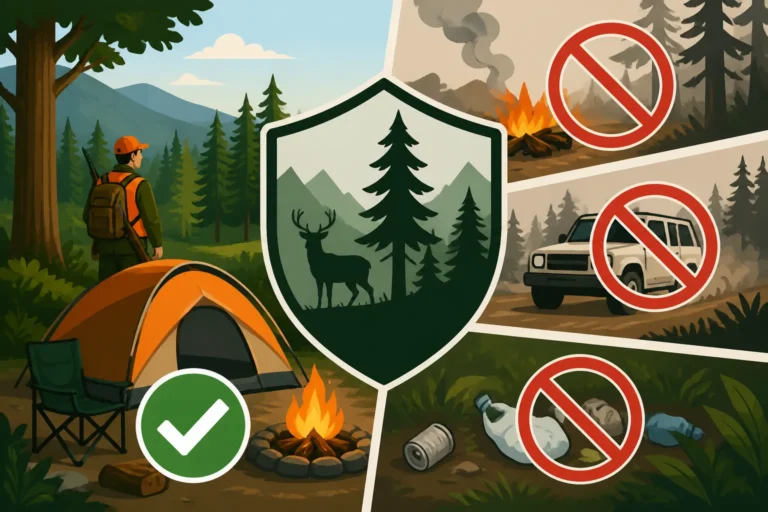
- Vehicle Access: Public land typically has designated parking areas. Vehicle use on interior roads is often restricted or prohibited. Respect these rules to preserve the integrity of the land and avoid fines.
- Trash In, Trash Out: Pack out everything you pack in. Leaving trash is not only disrespectful but also illegal. Let's keep these places wild for everyone.
Maximizing Your Public Land Hunting Success Near Danville
Hunting public land successfully often comes down to strategy, effort, and a bit of knowing where to focus your energy. It's not always about finding the most remote spot, but sometimes about hunting the right remote spot, or even a less obvious spot close to home.
Scouting Is Key
You'll hear it endlessly, and for good reason: scouting is paramount, especially on public land. Don't just show up on opening day hoping for the best. Use your mapping apps like onX Hunt from home to identify potential pinch points, clear-cuts, mature timber stands, and water sources. Then, put boots on the ground. Visit the WMA or state forest during the off-season. Look for old rubs, scrapes, bedding areas, and travel corridors. Pay attention to food sources, especially acorns in the fall or green browse. Understanding the terrain, like how Wind and Thermals on a Blue Ridge Slope affect deer movement, even in smaller hilly areas, can give you a significant advantage. The more you know about your chosen spot before the season starts, the higher your chances of success.
Consider Less Popular Times and Deeper Pushes
Public land, particularly WMAs closer to population centers, can see significant pressure during opening weekends or holiday hunts. If you can, consider hunting mid-week or during less popular times. Even an afternoon hunt after many hunters have left can be productive. Furthermore, most hunters don't venture far from their vehicles. If you're physically able and willing to walk a mile or more into an area, you'll often find less pressured game. This isn't always about going further in terms of distance from a road, but sometimes about getting into terrain that others avoid, like a thick bottomland swamp or a steep, nasty ridge.
Diversify Your Species Focus
While deer and turkey are undoubtedly the biggest draw for many, don't overlook the incredible small game opportunities on public lands near Danville. Squirrels, rabbits, and even some migratory birds like doves and woodcock can provide fantastic hunting and a way to extend your season. Squirrel and Small Game Hunting in Virginia can be a great way to introduce new hunters to the sport or just enjoy a more relaxed day afield. Plus, hunting small game often keeps you sharp for deer and turkey season, teaching you how to move quietly and observe the woods. Many WMAs and state forests have excellent habitat for these species, and the pressure is generally much lower than for big game.
Learn the Local Habits
Every piece of ground, and every deer herd, has its own rhythm. Pay attention to how deer move on the specific WMA you're hunting. Do they bed on certain ridges? Do they cross specific creek bottoms? What are their preferred food sources in different parts of the season? Sometimes, logging operations or mast crop failures can drastically alter deer behavior. For example, Hunting After a Poor Acorn Year requires different tactics than when acorns are plentiful. Learning these local nuances takes time, observation, and repeated visits, but it's what transforms a generic public land hunter into a successful one.
Public hunting land near Danville, Virginia, might not be as immediately obvious as other regions, but with a bit of research, a willingness to drive, and strategic effort, you'll find plenty of fantastic opportunities to pursue your passion.
Disclaimer
This article is for general informational purposes only and does not constitute professional advice. Laws, prices and regulations vary by location and change over time. Consult a qualified professional for guidance on your specific situation.