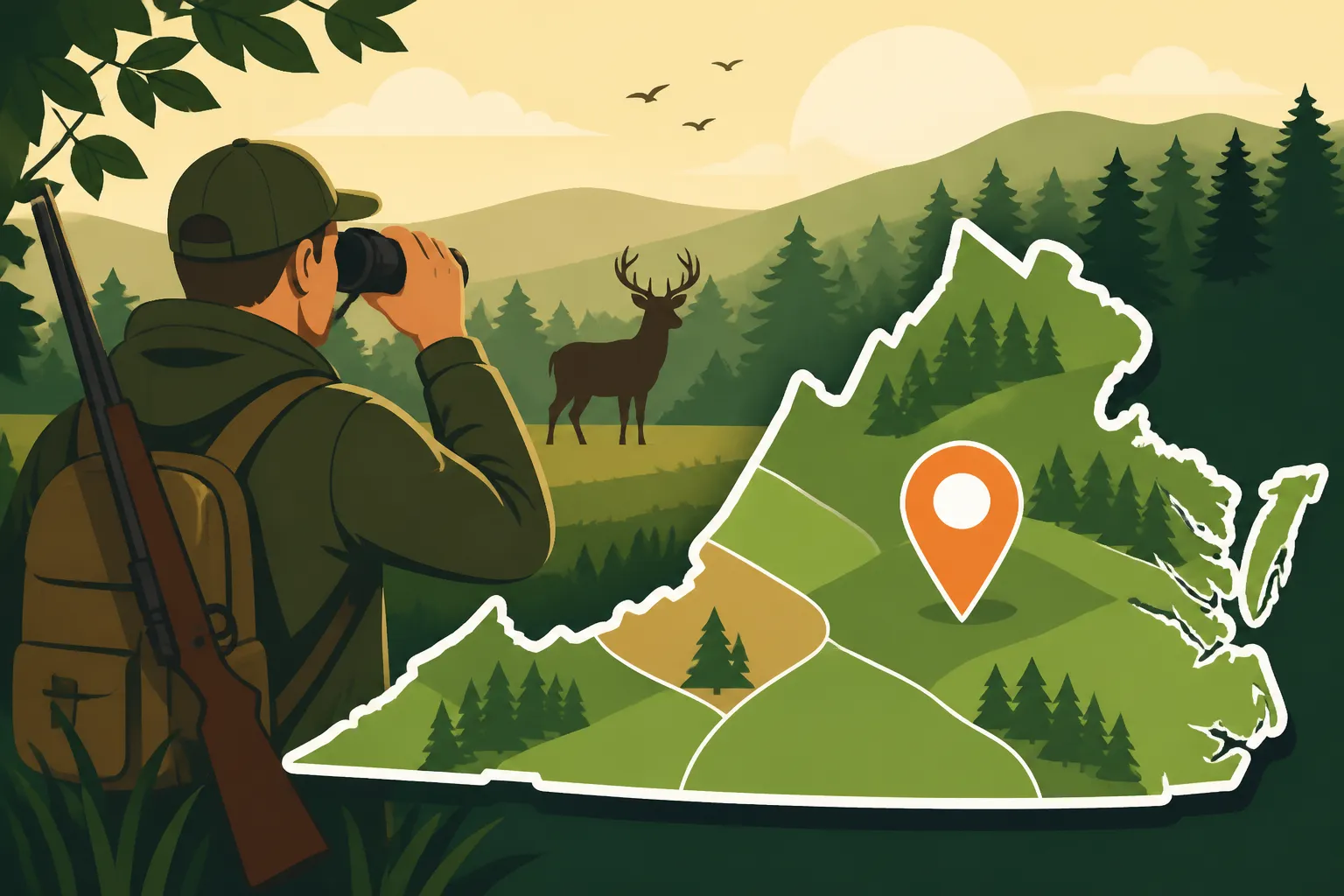
Finding a Virginia Hunting Lease
Oh, the dream of having your own slice of hunting heaven! So many of us hunters in Virginia wrestle with the reality of crowded public lands, the constant pressure of other boots on the ground, or the ever-present uncertainty of knocking on doors for permission each season. It’s tough to truly settle in, learn a property, and implement long-term strategies when you’re always chasing new spots. This guide is all about cutting through that frustration and helping you navigate the world of private hunting leases here in Virginia, offering a path to consistent, high-quality hunting experiences.
The Lure of a Private Virginia Hunting Lease
Let's be honest, the thought of having exclusive access to a piece of ground, knowing that only you and your chosen hunting buddies will be walking those woods, is incredibly appealing. It’s a game-changer for many, moving beyond the yearly scramble for a spot and allowing for a deeper connection with the land and the wildlife on it.
Why Private Land Matters
When you secure a hunting lease, you're not just buying access; you're investing in control and predictability. On public lands, especially during peak seasons like Virginia's General Firearms Deer Season or Virginia Early Muzzleloader Tactics, you might find yourself bumping into other hunters constantly. This pressure can make deer more nocturnal, turkeys more wary, and your overall experience less fulfilling. A private lease offers respite from this, creating a more consistent and often more productive hunting environment.
The ability to manage the habitat, set up stands exactly where you want them, and avoid the guesswork of what other hunters might be doing is invaluable. Imagine planting a small food plot without fear of it being trampled or hunted by strangers, or spending time year-round scouting without running into a dozen other folks looking for shed antlers. This level of intimacy with the land allows you to truly learn deer patterns, turkey roosts, and predator travel routes in a way that's rarely possible on shared public ground.
Common Frustrations with Public Land
Virginia boasts some fantastic public hunting opportunities, from the vast expanses of the George Washington National Forest to the numerous Wildlife Management Areas. However, the sheer popularity of hunting means these areas often come with significant drawbacks. You might scout a perfect ridge, hang a stand, and return on opening morning only to find someone already sitting in it, or worse, their truck parked right at your planned entry point. This isn't just annoying; it can actively disrupt your hunt and even compromise safety.
Another common complaint is the pressure. Deer on public land often become extremely savvy, quickly learning to avoid human activity. They go nocturnal, stick to the thickest cover, and become much harder to pattern. While challenging, this pressure can make consistency difficult, particularly if you're targeting older bucks or wary gobblers. For many hunters, the desire for a less crowded, more personal experience is what ultimately drives them to explore the option of a hunting lease. While Scouting Virginia Public Land Before Season is crucial, a private lease takes that knowledge to another level, letting you build on it year after year.
Your Search for the Perfect Virginia Hunting Lease
So, you're ready to explore the world of leases. But where do you even begin? It’s not like there are "For Lease" signs popping up on every landowner's gate. Finding the right piece of property requires a strategic approach, blending online tools with good old-fashioned networking.
Online Resources and Platforms
In today's digital age, online platforms are often the first stop for hunters seeking leases. Websites dedicated specifically to hunting leases act as a marketplace, connecting landowners with interested hunters. These sites allow you to filter by state, county, acreage, and even specific game species. While convenient, the listings can go fast, especially for prime Virginia properties, so being proactive is key. You might also find private groups on social media platforms where landowners or leaseholders post opportunities.
Beyond dedicated lease sites, don't underestimate the power of mapping applications like onX Hunt. While primarily used for in-field navigation and identifying property boundaries, onX Hunt can be an incredible tool for prospecting. You can use it to identify large landowners in areas known for good hunting, then research how to contact them directly. Pair this with research using the Virginia DWR app, looking at harvest data or public land maps for areas adjacent to private parcels you're considering. Virginia Hunting Lease Prices Per Acre might vary widely, but having a clear idea of what you're looking for helps narrow the search.
Building Local Connections
While online tools are powerful, sometimes the best leases are found through word-of-mouth and local connections. Get involved in local hunting organizations, attend sportsmen's banquets, or simply strike up conversations at your local feed store or diner. Landowners often prefer to lease to someone they know or someone who comes highly recommended by a trusted community member. This personal touch can make all the difference, especially in close-knit rural Virginia communities.
Consider reaching out to local farmers and timber companies directly, even if they haven't explicitly advertised a lease. Asking a Virginia Farmer for Permission for hunting is often a stepping stone, and a good relationship could evolve into a long-term lease agreement. These folks often manage large tracts of land and might be open to the idea of a lease, particularly if you can demonstrate responsibility and a respectful approach. Persistence, professionalism, and a genuine interest in being a good steward of their land will go a long way.
Key Considerations Before Committing to a Lease
Once you've identified a potential lease property, the real work begins. It’s crucial to do your due diligence and ask the right questions before you put pen to paper. A hasty decision can lead to disappointment, or worse, legal headaches down the road.
Understanding the Land and Its Potential
Before you even think about signing anything, you absolutely must walk the property. A map looks great on a screen, but the ground truth is what matters. What’s the timber like? Are there natural food sources, water, and bedding areas? Are there signs of deer, turkey, or other game? Look for old rubs, scrapes, tracks, and droppings. Identify potential stand sites, entry and exit routes, and areas that might be difficult to access. Use tools like onX Hunt or even the GoHunt app to really dig into the topography, satellite imagery, and soil types to understand the habitat.
It's also important to assess neighboring properties. What's the hunting pressure like around the perimeter? Are there agricultural fields that might draw deer, or are you surrounded by other actively hunted parcels? Don't be shy about asking the landowner about historical game sightings or harvest records on the property, though remember that conditions change year to year. Understanding these factors will give you a realistic expectation of the hunting potential and help you decide if the lease aligns with your goals. For instance, if you’re hoping for a Virginia Boone and Crockett Whitetails contender, you need to ensure the land has the resources to support mature bucks.
Legalities and Responsibilities
Lease agreements aren't just informal handshakes; they are legally binding contracts. It's vital to read every line and understand exactly what you're agreeing to. Key elements typically include the duration of the lease (one year, multiple years), the exact boundaries of the property (often with a map attached), the species you're allowed to hunt, and any specific harvest restrictions the landowner might impose beyond DWR regulations. You'll also need to clarify access points, whether you can bring ATVs, and if there are any restrictions on improving the property, such as planting food plots or cutting shooting lanes.
Furthermore, clarify liability. Most landowners will require you to carry liability insurance, often through a hunting club or a personal policy, to protect them in case of an accident. Understand your responsibilities regarding property maintenance, gate locking, trash removal, and respecting the landowner's primary operations, whether it's farming, timbering, or simply private residence. Don’t forget to verify if the land is part of an Virginia Urban Archery Zone or falls under any special local ordinances. Transparency and clear communication upfront can prevent many potential conflicts down the line.
Making Your Virginia Hunting Lease a Success
Once you’ve found the perfect spot and signed the agreement, your journey has just begun. A successful hunting lease is about more than just harvesting game; it’s about good management, positive relationships, and ensuring the property remains a great place to hunt for years to come.
Managing Costs and Group Dynamics
Let's face it, hunting leases aren't free, and the costs can add up. Beyond the annual lease fee, you might have expenses for liability insurance, food plot seeds, trail cameras, and stand maintenance. Many hunters choose to split these costs by forming a hunting club or group. If you go this route, clear communication and a written agreement among the group members are essential. Define how costs will be shared, how decisions will be made (e.g., who gets to hunt which stand, harvest quotas), and how disagreements will be resolved.
A shared lease can be a fantastic way to enjoy private ground without breaking the bank, but without proper management, it can also lead to friction. Consider creating a schedule for stand usage, agreeing on what types of improvements are allowed, and establishing a fair system for distributing any collected game. Setting clear expectations and rules from the outset will help maintain harmony within the group and ensure everyone enjoys the experience. Think about how many hunters are appropriate for the acreage you're leasing to avoid overcrowding your own private paradise.
Cultivating a Good Landowner Relationship
This might be the most crucial aspect of a long-term, successful hunting lease. A lease isn't just a business transaction; it's a partnership. Showing respect for the landowner, their property, and their wishes will go a long way. Always leave gates as you found them, pick up your trash (and maybe a little extra that wasn't yours), and adhere strictly to all terms of the lease. If there's an issue, communicate it promptly and respectfully.
Small gestures can make a huge difference. Offering to help with chores around the property, such as clearing a downed tree after a storm, fixing a fence, or even just bringing them some fresh eggs, can solidify your relationship. Keep them informed of what you're seeing on the property – game movements, unusual activity, or even potential problems like trespassers. A good relationship means the landowner trusts you, and that trust is the foundation for renewing your lease year after year. Remember, you want them to be happy to have you back, not looking for a new tenant. Maintaining access to Hunting Small Private Tracts in Virginia often comes down to being a responsible and respectful lessee.
| Feature | Public Land (e.g., National Forest, WMA) | Private Lease |
|---|---|---|
| Access | Open to all with proper license/permits | Exclusive to lessee(s) |
| Cost | Generally low (license, WMA permit) | Significant (annual lease fee, insurance) |
| Pressure | Often high, especially during peak seasons | Low, controlled by lessee |
| Habitat Control | None (managed by DWR/Forest Service) | Moderate to high (e.g., food plots, stand placement) |
| Predictability | Low (other hunters, changing conditions) | High (known conditions, consistent access) |
| Scouting | Possible, but subject to other hunters | Year-round access, build long-term knowledge |
| Responsibility | Adhere to state/federal rules | State/federal rules + landowner agreement |
| Longevity | Guaranteed access as long as rules followed | Dependent on lease renewal and landowner relationship |
Disclaimer
This article is for general informational purposes only and does not constitute professional advice. Laws, prices and regulations vary by location and change over time. Consult a qualified professional for guidance on your specific situation.