Page County Public Land Access
It can be incredibly frustrating to look at a map of Page County, see all that green space, and wonder where you can actually legally and successfully hunt. Many of us see the sprawling beauty of the Shenandoah Valley and the Blue Ridge Mountains and dream of chasing deer or turkeys, only to be daunted by the maze of private land and protected areas. This guide will walk you through the ins and outs of accessing public hunting land in Page County, Virginia, helping you find those hidden gems and navigate the terrain like a seasoned local.
Understanding Page County's Public Land Landscape
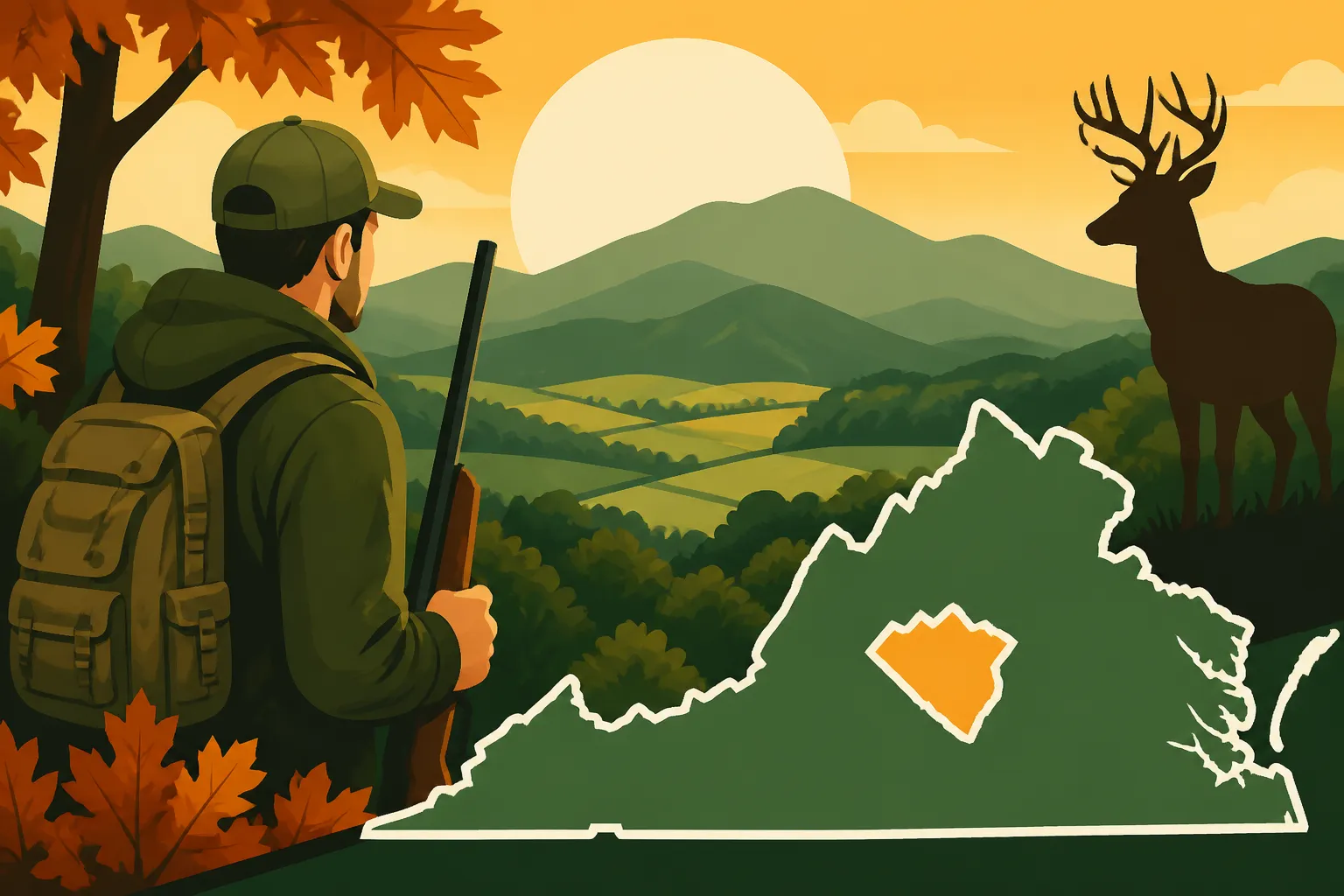
Page County, Virginia, is truly a beautiful part of the state, nestled between the Massanutten Mountain range to the west and the Blue Ridge Mountains to the east, with the Shenandoah River winding right through the valley. While much of the valley floor is private farmland, hunters looking for public access will primarily turn their attention to the surrounding mountainous terrain. It’s a mix of national forest land, which provides vast opportunities, and smaller, often overlooked parcels that require a bit more digging.
The Domination of George Washington National Forest
When we talk about public hunting land in Page County, we're overwhelmingly talking about the George Washington National Forest (GWNF). Large sections of this forest wrap around the county, offering thousands of acres for public recreation, including hunting. These areas are characterized by steep, rugged terrain, dense timber, and deep hollows, but also by expansive ridgetops that can be surprisingly open. This isn't flat, easy walking; expect significant elevation changes and plenty of leg work. The GWNF is a true wilderness experience in many places, meaning you'll often be far from roads and other hunters if you're willing to put in the miles. You'll find a wide variety of game here, from whitetail deer to wild turkeys and black bears. Understanding the sheer scale of the GWNF is the first step to successful hunting in Page County.
Navigating Access Points and Terrain Challenges
Accessing these vast tracts of national forest land often involves using forest service roads, many of which are gravel and might be seasonally closed. It’s critical to know which roads are open, especially during hunting season. Sometimes, what looks like a promising road on a map might turn into a foot-travel-only path or a dead-end. Parking can also be a challenge, as designated spots can fill up quickly on busy weekends, forcing you to find safe pull-offs that don't block traffic or forest access. Once you leave the road, be prepared for significant climbs and descents. The drainage systems create natural funnels, but they also mean you're often dropping into and climbing out of steep ravines. Knowing how to read a topo map or a digital mapping app for elevation changes is absolutely crucial here, as is understanding how Wind and Thermals on a Blue Ridge Slope can affect game movement.
One of the biggest terrain challenges is simply the density of the cover. While there are open timber stands, you'll also encounter thick laurel and rhododendron patches, especially in the hollows and on north-facing slopes. These areas can be incredibly difficult to walk through but often hold deer and bear seeking refuge. Plan your routes carefully, always considering your entry and exit strategies, especially if you plan to Dragging a Deer Out of a Mountain Hollow.
Essential Tools for Scouting and Navigation
Gone are the days when a paper map and compass were your only allies in the woods, though they still hold immense value. Today, a blend of traditional skills and modern technology can give you a significant edge in finding and accessing public land in Page County.
Leveraging Digital Mapping Applications
Digital mapping applications have revolutionized how hunters approach public land. Tools like onX Hunt are absolute game-changers for navigating the complex public/private land ownership mosaic in Page County. With a few taps, you can see property boundaries, which is invaluable for ensuring you stay on public ground and avoid accidental trespassing. This is especially important in areas where public and private parcels are intertwined or where logging roads might blur the lines. onX Hunt allows you to drop pins, mark promising sign, track your routes, and measure distances, all in real-time. You can pre-download maps for offline use, which is critical in the many areas of Page County where cell service is non-existent.
Another excellent resource is GoHunt, which can offer broader scouting insights, especially when combined with species-specific data. While perhaps more focused on western big game, its mapping tools and habitat information can still provide a useful perspective for understanding the types of cover and terrain you might encounter. These apps let you virtually "walk" the terrain from your couch, identifying potential bedding areas, travel corridors, water sources, and pinch points before you ever set foot in the woods. This remote scouting is a crucial step for hunters hoping to find less-pressured areas. You can overlay different map layers, such as satellite imagery and topographic maps, to get a comprehensive view of the landscape. Using these apps before you even leave home is key to efficient Scouting Virginia Public Land Before Season.
Traditional Maps and Compass Skills
While digital apps are fantastic, they rely on battery life and sometimes satellite signal. A solid understanding of traditional map and compass navigation is still a non-negotiable skill, especially in the rugged, remote parts of Page County's public land. Always carry a physical topographic map of the area you plan to hunt and know how to use it with a compass. You don't want to find yourself deep in a hollow with a dead phone and no way to orient yourself. Learning to read contour lines will give you an intuitive understanding of the steepness and direction of slopes, which is invaluable for predicting game movement and planning your approach. Consider bringing a waterproof map case and keeping your compass easily accessible. Sometimes, the simplest tools are the most reliable when you're miles back in the George Washington National Forest Hunting.
Scouting On Foot: What to Look For
There's no substitute for boots-on-the-ground scouting. Once you've identified promising areas using your digital maps, it's time to hit the woods. Early season or post-season scouting allows you to see the landscape without the distraction of foliage and actively look for fresh sign. In Page County, you'll be looking for deer trails, rub lines, scrape lines, and bedding areas. Pay close attention to food sources – acorns are a primary draw in the fall, but also look for clear-cuts or areas with specific browse.
Look for water sources, especially during dry spells, as game will gravitate toward them. Game trails along benches or saddles on ridgetops can be dynamite, offering natural travel routes. Consider where deer might bed during the day (often on leeward slopes or in thick cover) and how they travel to feeding areas. Don't be afraid to walk a little farther than others. Often, the best spots are a mile or two off the main roads, where fewer hunters venture. This effort can pay off with less-pressured animals. Keep an eye out for potential Scrape Lines Along a Logging Road or areas where deer are frequently crossing ridges.
Practical Tips for Hunting Page County Public Land
Hunting public land in Page County presents unique challenges and rewards. Being prepared and respectful are key to a successful and enjoyable experience.
Respecting Boundaries and Regulations
It cannot be stressed enough: know where you are at all times. The patchwork of public and private land, especially near the valley floor and even extending into the lower slopes, means accidentally crossing a property line is a real possibility. This is where your digital mapping apps really shine. Always double-check boundaries. Additionally, familiarize yourself with Virginia's hunting regulations specific to the GWNF and Page County. This includes season dates, bag limits, blaze orange requirements, and any specific rules for things like Treestand Rules on Virginia Public Land or the use of ATVs.
Ignorance of the law is never an excuse, and a simple mistake could lead to fines or losing your hunting privileges. Remember that many landowners in Page County are farmers or hold deep respect for their property; a respectful hunter who knows the rules is always appreciated, even if you’re just passing through on public land adjacent to their fields. Always be mindful of noise and visibility, especially near residential areas, even when within public land boundaries.
Hunting Pressure and Finding Seclusion
Page County's public lands, particularly those with easily accessible roads, can see significant hunting pressure, especially during opening weekends of firearms season. This means that deer and other game can become wary and shift their patterns. To combat this, you'll often need to hike further than others. Look for areas that are difficult to access, either due to steep terrain, thick cover, or simply being a long walk from the nearest parking area. These spots tend to hold less pressured animals.
Consider hunting during weekdays if your schedule allows, or later in the season when the crowds thin out. The deeper you go, the better your chances of encountering undisturbed game. Don't be afraid to explore those "nasty" looking areas on the map – the ones with steep ravines and dense vegetation – because those are often the places other hunters avoid, and where deer will seek refuge. Finding Ground Others Walk Past is often the key to success on public land.
Species-Specific Considerations
Page County offers excellent hunting for several species, but each requires slightly different tactics.
Deer Hunting
For deer, understanding their movement between bedding and feeding areas is paramount. In the mountains, bucks will often use ridgetops and saddles as travel corridors, especially during the rut. Scouting for fresh sign along these features can be incredibly productive. Focus on mast crops like acorns in the fall; if you find a good oak flat, you've found a deer magnet. When the leaves drop, visibility improves, but the deer also become more elusive. Late season, focus on thicker thermal cover and any remaining food sources. Hunting a Ridge-Top Saddle for Rutting Bucks can be a particularly effective strategy.
Turkey Hunting
Spring turkey hunting in Page County's national forest can be a thrilling experience. Gobblers will often roost in the tallest trees on ridgetops or along creek bottoms. Listening for gobbling at first light will help you pinpoint their general location. The steep terrain makes run-and-gun tactics challenging but not impossible. Often, setting up in a likely travel corridor or a small opening on a bench and calling them in is a good strategy. Patient calling and subtle movements are key. Learn to recognize Where Virginia Gobblers Roost to get a jump on them early.
Bear Hunting
Page County, with its extensive national forest lands, has a healthy black bear population. Bear hunting here is typically done by still-hunting or with hounds (where permitted). For still-hunters, focusing on areas with abundant natural food sources like acorns, persimmons, and berries is crucial. Bear sign, like scat, claw marks on trees, and overturned rocks, will tell you if they are in the area. Bear season often overlaps with deer season, so many deer hunters get the pleasant surprise of a bear encounter. The dense cover that makes hiking tough for you also provides excellent security for bears, so identifying travel routes through these thickets is important. Hunting Bears Over Natural Mast in the Mountains is a tried and true method.
Here's a quick look at some general characteristics of public hunting land in Page County:
| Public Land Area (Primary) | Primary Game Species | Terrain Overview | Key Access Tip |
|---|---|---|---|
| George Washington National Forest | Deer, Turkey, Bear, Small Game | Steep mountains, dense timber, deep hollows, ridgetops | Utilize forest service roads, be prepared for long hikes off-road |
Remember, a Virginia Hunting Licenses and What They Cost is always required, and specific stamps may be needed for certain species. Always double-check the current regulations before heading afield.
Disclaimer
This article is for general informational purposes only and does not constitute professional advice. Laws, prices and regulations vary by location and change over time. Consult a qualified professional for guidance on your specific situation.