Brush Pants for Virginia Mountain Laurel
Oh, the infamous Virginia mountain laurel. If you've ever tried to push through a thick patch of it, you know the struggle is real. It’s like a thorny, tangled fortress designed by nature to snag your clothes, scratch your legs, and generally make you question all your life choices. This isn't just a minor inconvenience; it can truly make or break a hunt, tearing up your gear and your skin. This guide is all about equipping you with the knowledge to pick the best brush pants, turning those frustrating, scratchy encounters into something you can confidently stride through, letting you focus on the hunt, not the thorns.
Understanding the Virginia Mountain Laurel Challenge
Anyone who’s spent time hunting the steeper, wilder parts of Virginia, especially west of the Blue Ridge, knows exactly what I’m talking about when I mention mountain laurel. It’s beautiful in bloom, yes, but in the fall and winter, it transforms into an impenetrable green wall that laughs at your flimsy denim or standard hunting pants. We've all been there, trying to sneak through what looks like a thin line of cover, only to find ourselves hopelessly ensnared, making more noise than a herd of elephants and emerging with bloodied shins and shredded fabric. It’s a quintessential Virginia hunting frustration.
The Unforgiving Nature of Virginia's Laurel Thickets
Mountain laurel (Kalmia latifolia) isn't just a shrub; it's a dense, woody nightmare for hunters. Its branches are tough, rigid, and often interlace so tightly that they form a nearly impenetrable barrier. What makes it particularly nasty is the sheer volume of it. You won't find just a few scattered bushes; often, it grows in massive thickets that can stretch for acres, especially on north-facing slopes, along creek beds, or in areas that have been clear-cut a few decades ago, allowing it to take over.
The branches, while not always having sharp thorns like greenbrier, are stiff and numerous, acting like thousands of tiny jabs and hooks designed to cling to fabric and scrape skin. When you try to push through, they resist, making you exert a lot of energy just to gain a few feet. It's not uncommon to find areas where the laurel grows taller than a man, forming a dark, enclosed tunnel beneath its canopy, perfect for deer, but a true test for any hunter trying to follow. These thickets are often prime bedding areas or escape cover for White-Tailed Deer Across Virginia and Virginia's Black Bear Population, making them irresistible, yet formidable, challenges.
Impact on Hunter Mobility and Comfort
Beyond the physical damage to your clothing, those dense laurel thickets profoundly impact your ability to hunt effectively. Stealth becomes almost impossible. Every step is a battle against snapping twigs and rustling leaves as the stiff branches grab at your legs. If you're trying to still-hunt or sneak into a stand location, the noise you make can blow your cover long before you're in range. It's maddening when you know a big buck is bedded just inside that green wall, but getting to him quietly is a pipe dream without the right gear.
Then there's the comfort factor. Even if your clothes don't tear, the constant scraping and jabbing against your legs can be incredibly irritating and distracting. On a cold, damp morning, that wet laurel will soak through standard fabric almost instantly, leaving your legs cold and miserable for the rest of the hunt. Imagine spending hours with wet, scratched legs while trying to stay focused on subtle deer movement. It's a recipe for cutting your hunt short. This is where specialized brush pants become not just a luxury, but a necessity, allowing you to move with more confidence and less agony, whether you're Still-Hunting Jefferson Forest Ridges or pushing a Deer Drives With Three or Four Hunters.
Key Features to Look for in Quality Brush Pants
When you’re facing down a wall of mountain laurel, regular hunting pants just won’t cut it. You need something designed specifically to withstand that kind of abuse. Think of brush pants as armor for your lower body, built to shrug off the punishment that Virginia’s wild places dish out. It’s not about finding the cheapest option; it’s about investing in gear that will save you discomfort, extend the life of your other clothing, and ultimately, allow you to hunt more effectively.
Material Durability and Puncture Resistance
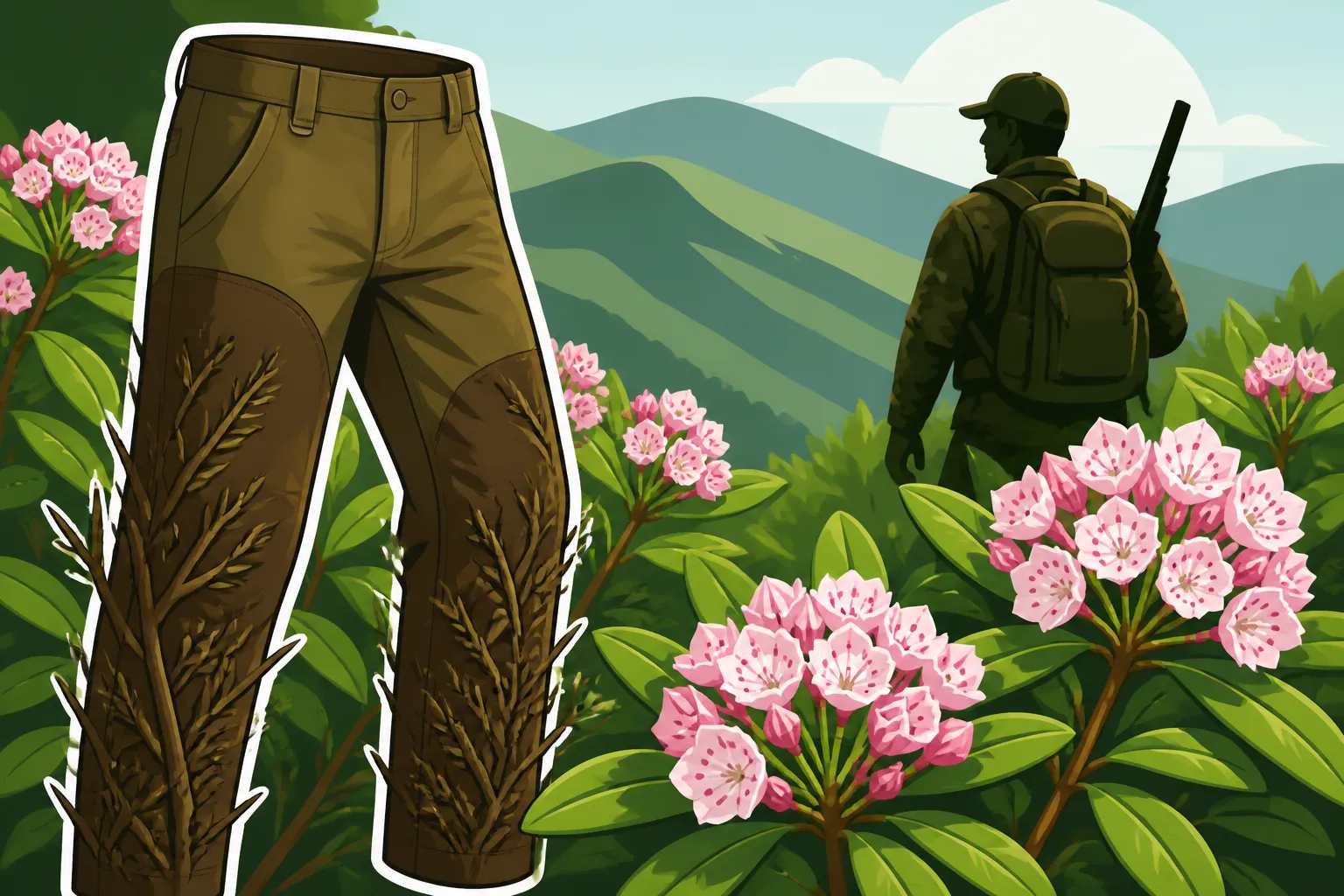
This is the absolute core of what makes brush pants effective. The primary job is to resist tears, snags, and punctures from all those stiff, woody branches and thorns. You'll often see these pants made from heavy-duty synthetic materials like nylon or polyester, frequently with a tight weave that makes them incredibly resistant to abrasion. Look for pants that feature reinforced panels, especially on the front of the legs and around the knees, where you’ll be pushing through the densest cover. These panels are often made from even tougher materials like Cordura or a proprietary blend designed for extreme durability.
Some brands use a DWR (Durable Water Repellent) finish on the fabric, which helps shed light rain and dew, keeping you drier as you wade through wet brush. The stitching is just as important as the fabric; look for double or triple stitching in high-stress areas like seams and pockets. This attention to detail means the pants won't fall apart after a few tough outings. Without this level of material toughness, you’ll be patching holes after every serious brush bust, and nobody has time for that. Many serious hunters, myself included, will turn to brands known for their rugged outdoor gear, and you can often find reviews and comparisons on sites like GoHunt to help you sort through the options and see how different materials hold up in real-world conditions.
Fit, Flexibility, and Freedom of Movement
While durability is paramount, what good are impenetrable pants if you can't move in them? Hunting in heavy cover often requires climbing over logs, stepping high through tangled brush, and navigating uneven terrain. Your brush pants need to allow for a full range of motion. This means looking for a fit that isn’t overly baggy, which can snag more easily, but also not so tight that it restricts movement. Articulated knees, gusseted crotches, and stretchy panels in key areas can make a huge difference in comfort and mobility.
Imagine trying to crawl under a downed tree or step up onto a steep bank while your pants are binding. It’s not only uncomfortable but potentially dangerous if it throws you off balance. Some brush pants might feel a bit stiff right out of the box due to their heavy-duty construction, but they should break in and offer increasing flexibility over time. When you’re spending hours on your feet, perhaps Reading a Ridge for Blue Ridge Deer or navigating steep terrain, unrestricted movement is vital for staying quiet and comfortable. Don't compromise flexibility for durability alone; seek a balance that allows you to hunt aggressively without feeling like you're wearing cardboard leg casings.
Weather Protection and Breathability
Virginia weather is notoriously unpredictable, especially during hunting season. A crisp, dry morning can quickly turn into a damp, misty afternoon, or you might find yourself pushing through dew-soaked laurel thickets at dawn. Good brush pants offer a degree of weather protection. The tightly woven, durable fabrics inherently resist wind and light moisture, but many also incorporate a DWR finish, as mentioned, or even a waterproof/breathable membrane in specific panels. This is crucial for staying dry and comfortable when moving through wet vegetation.
However, all that tough material can sometimes come at the cost of breathability. When you’re exerting yourself, especially on uphill climbs in the mountains, you'll sweat. Pants that don't allow moisture vapor to escape can quickly become clammy and uncomfortable. Look for features like mesh-lined pockets, strategic ventilation zippers, or fabrics that are designed to be both durable and somewhat breathable. It's a delicate balance, but finding pants that can shed moisture from the outside while allowing sweat to evaporate from the inside will significantly enhance your comfort, particularly on warmer early season days or during physically demanding hunts.
Choosing the Right Brush Pants for Your Virginia Hunt
Now that you know what makes a good pair of brush pants, let's talk about how to choose the right ones for your specific hunting style and the kind of Virginia terrain you frequent. There's no one-size-fits-all answer, but by considering your typical hunting scenarios, you can narrow down the options and make a choice that will serve you well for seasons to come.
Different Styles and Their Applications
Brush pants come in a few different configurations, each with its own advantages:
- Full Brush Pants: These are dedicated hunting pants built from the ground up with durable, briar-resistant materials and often reinforced panels. They offer all-around protection and are great for hunts where you expect to be in and out of thick cover frequently. They look and feel like regular pants but are significantly tougher. For an all-day hunt where you're constantly moving, these are often the best choice, providing consistent protection from waist to ankle.
- Brush Chaps: These are essentially heavy-duty leg coverings that you wear over your regular hunting pants. They offer excellent protection to the front and sides of your legs and are often secured with buckles or zippers. Chaps are a great option if you hunt in varying terrain – you can take them off when you're in open timber or fields and put them on quickly when you encounter thick stuff. They’re also often more affordable than full brush pants. The downside is they can be a little bulkier, and the back of your legs remain exposed. However, for a hunt that might involve some time in the open and then a push into a nasty clear-cut, chaps can be incredibly versatile.
- Hybrid Designs: Some manufacturers offer pants that incorporate heavy-duty material on the front of the legs but use more flexible, breathable fabric on the back. These are an attempt to get the best of both worlds – protection where you need it most, with improved comfort and ventilation elsewhere. These can be a fantastic choice for active hunters who cover a lot of ground and might move between dense cover and more open woods. If you're Hunting West of the Blue Ridge where the terrain is varied, a hybrid option might give you the balance you need.
It's wise to consider how much time you really spend in the nastiest stuff. If you're primarily Hunting a Green Field Planted for Deer and only occasionally brush through an edge, chaps might suffice. But if you're regularly busting through dense laurel, a full brush pant is probably your best bet.
Considerations for Specific Hunting Scenarios
Your hunting style in Virginia will heavily influence which brush pants are right for you.
- Deer Drives: If you're the designated "driver" in a Deer Drives With Three or Four Hunters, pushing thick cover to move deer toward standers, then maximum durability and puncture resistance are key. You're going to be in the thickest, nastiest stuff, and your pants will take a beating. Don't skimp here; robust full brush pants or heavy-duty chaps are essential. You'll thank yourself when you don't have briars ripping into your skin with every step.
- Still-Hunting and Scouting: For those slow, deliberate hunts where you're trying to move stealthily through the woods, or for Scouting Virginia Public Land Before Season, you need a balance of protection and quiet movement. Look for fabrics that don't make a lot of noise when they rub together or against brush. Flexibility is also paramount here, as you'll be crouching, kneeling, and stepping carefully. Hybrid pants or lighter, but still tough, full brush pants would be ideal.
- Upland Bird Hunting: If you're chasing Ruffed Grouse in the Virginia Mountains or Virginia Squirrel and Rabbit Season Rules, you're often moving constantly through briars, thickets, and low-growing underbrush. Breathability and flexibility are critical for staying comfortable during high-exertion hunts. Full brush pants with good articulation or durable chaps over lighter pants are popular choices for bird hunters. Brands often design specific upland pants with these needs in mind.
Consider the time of year as well. Early archery season in Virginia can still be warm, so breathability is a priority. Late general firearms season means cold temperatures, and added insulation or the ability to layer underneath your brush pants becomes more important. Look at the pocket configuration too; do you need cargo pockets for extra calls or gloves, or just simple hand pockets? Thinking through these scenarios will help you make a smart decision. On a hot day, you might not want a pair of super heavy-duty, lined brush pants that feel like a sauna.
Maintenance and Longevity of Your Gear
Investing in good brush pants means you want them to last. Proper care and maintenance are crucial for extending their lifespan and ensuring they perform season after season.
- Cleaning: Always follow the manufacturer's washing instructions. Typically, this means washing them in cold water on a gentle cycle, often with a sport-specific detergent that won't degrade the fabric's DWR finish or clog its pores. Avoid fabric softeners, as these can also compromise technical fabrics. Air drying is often recommended to prevent shrinking or damage to any waterproof membranes. Regularly cleaning your pants removes dirt, grime, and oils that can break down the fabric over time.
- Repairs: Even the toughest brush pants can get a snag or a small tear after years of abuse. Don't throw them out! Small holes can often be patched with tenacious tape or gear repair kits, or even sewn by hand with heavy-duty thread. For more significant damage, consider taking them to a professional gear repair shop. Proactive repairs can prevent small issues from becoming big problems.
- Storage: Store your brush pants clean and dry in a cool, dark place. Avoid leaving them crumpled in a damp corner of your garage, as this can encourage mildew growth. Proper storage helps maintain the integrity of the fabric and any waterproof coatings.
By taking a little time to care for your gear, those quality brush pants will be a reliable companion for many Virginia hunting seasons, saving you money in the long run and ensuring you’re always prepared for the next laurel thicket. It's a small effort for a big return in comfort and performance.
Beyond the Pants: Other Gear for Laurel Country
While brush pants are the absolute hero when it comes to tackling mountain laurel, they're part of a larger system of gear that helps you stay comfortable and effective in Virginia's challenging terrain. Think of it as a complete lower-body defense strategy. No single piece of gear works in isolation, and the right combination will make all the difference when you're deep in the thick stuff.
Footwear and Gaiters
Your feet and ankles are just as susceptible to the harsh conditions of mountain laurel country as your legs. Sturdy, waterproof boots are non-negotiable. Look for boots with aggressive traction to navigate slippery slopes and wet leaves, and ankle support to prevent twists and turns when stepping over hidden logs or through tangled roots. Choosing boots that are tall enough to offer some shin protection is also a good idea. Brands like Kenetrek or Schnee's offer excellent options for rugged mountain hunting, but even a good pair of sturdy Danner or Irish Setter boots will serve you well. Boots for Virginia Swamps and Ridges discusses this in more detail.
Beyond boots, gaiters are an unsung hero for thick cover. These are fabric sleeves that go over your boots and up your lower leg, bridging the gap between your pants and boots. They prevent debris, burrs, and, most importantly, thorns and moisture from working their way into your boots. If you're wearing chaps, gaiters offer extra protection to the exposed areas around your ankles. When the dew is heavy or after a rain, gaiters are invaluable for keeping your socks dry, which is critical for foot comfort and preventing blisters on long treks.
Upper Body Protection and Carrying Essentials
Don't forget about your upper body, especially if you're really busting through dense laurel. While brush pants protect your legs, your arms and torso can still take a beating. A durable hunting jacket or even a tough long-sleeved shirt can help. Look for materials that resist snagging and tearing. If you're carrying a pack, ensure it's made of robust material that won't easily shred. For Packs for a Jefferson Forest Day Hunt, durability is just as important as capacity.
When moving through thick cover, pockets are key. You want secure pockets that can hold essentials like your phone, calls, or a map, without them getting snagged or falling out. A good chest rig or an upland vest can also provide easily accessible storage for smaller items like mouth calls, a compass, or even a small pair of binoculars, keeping them from being caught on branches. Remember, the goal is to make every movement efficient and quiet, and ensuring your gear is secure and protected is a big part of that. Sites like GoHunt often have gear reviews and guides that can help you identify durable and functional upper body gear to complement your brush pants.
Disclaimer
This article is for general informational purposes only and does not constitute professional advice. Laws, prices and regulations vary by location and change over time. Consult a qualified professional for guidance on your specific situation.