Boots for Walking Virginia Ridges
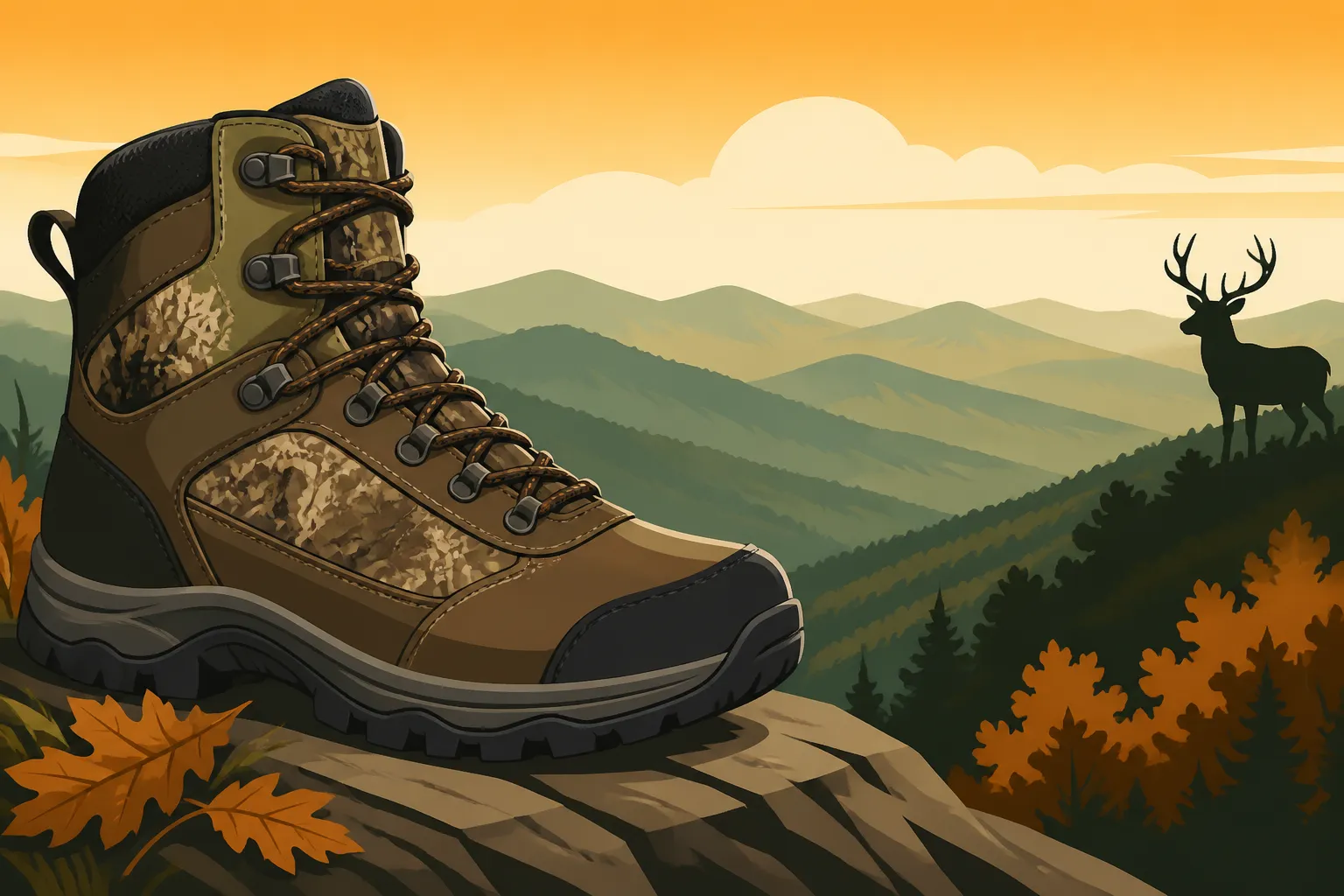
There’s nothing quite like the feeling of watching the sunrise paint the Blue Ridge Mountains, or the quiet crunch of leaves underfoot as you navigate a steep rise in the Jefferson National Forest. But that feeling can turn sour mighty fast if your feet are barking at you by mid-morning. Many hunters underestimate the brutal demands Virginia's diverse ridge country places on their footwear, leading to blisters, fatigue, and even missed opportunities. This guide will walk you through everything you need to know about choosing, breaking in, and caring for the best boots to keep you comfortable and effective when walking Virginia's challenging ridges.
Understanding Virginia's Ridge Terrain and Its Impact on Footwear
Virginia is a beautiful state, but its beauty often comes with rugged terrain, especially when you venture into the mountains and rolling hills of the Piedmont. The ridges here aren't just gentle slopes; they're dynamic landscapes that can be incredibly demanding on your feet and, by extension, your entire hunting experience.
The Varied Landscape of Virginia Ridges
When we talk about Virginia's ridges, we're encompassing a lot, from the steep, rocky climbs of the Alleghenies and Blue Ridge Mountains to the more subtle but still challenging undulations of the western Piedmont. You'll encounter everything from dense hardwood forests thick with leaf litter, which can be surprisingly slippery, to exposed rock scree that demands superior grip and foot protection. Crossing small feeder streams, trudging through boggy bottomlands tucked between rises, or navigating muddy trails after a rain are all part of the routine. Each step can be uneven, requiring your feet and ankles to constantly adapt, which is why proper support and stability are non-negotiable.
Imagine traversing a steep sidehill covered in a fresh layer of wet oak leaves; your foot is constantly trying to slide downhill, and your ankles are working overtime to keep you upright. Or picture climbing over a field of loose shale rock, where one misplaced step could lead to a painful twist. These are common scenarios for anyone spending significant time Hunting West of the Blue Ridge or exploring the public lands deeper in the mountains. Your boots are the critical interface between you and this demanding environment, and inadequate footwear will quickly lead to discomfort and potential injury, turning a promising day into a painful slog.
The terrain changes subtly, too. One minute you might be on a relatively flat, well-defined logging road, and the next you're bushwhacking through dense mountain laurel on a steep ascent to Hunting a High Elevation Mountain Bench. This constant variation means your boots need to offer a comprehensive package of features rather than excelling in just one area. They need to be adaptable, providing comfort on flatter stretches while still offering the serious protection and grip required for the gnarly stuff.
The Demands of All-Day Hunting on Your Feet
Hunting Virginia's ridges often means covering significant ground, sometimes miles, across unforgiving terrain. This isn't a casual stroll; it's a strenuous activity that puts immense pressure on your feet. Poorly fitting or inadequate boots will quickly manifest problems like blisters, hot spots, arch pain, and overall foot fatigue. Blisters are more than just an annoyance; they can be debilitating, making every step excruciating and forcing you to cut your hunt short. A compromised foot can also throw off your balance, making you less stable on steep slopes or when carrying a heavy pack.
Beyond physical discomfort, the wrong boots can impact your hunting effectiveness. Imagine trying to make a silent approach through crunchy leaves or over rocky ground when your feet are throbbing. Every movement becomes a conscious effort to avoid pain, detracting from your focus on the hunt itself. If you're Still-Hunting Jefferson Forest Ridges, silence is golden, and clunky, ill-fitting boots can quickly betray your presence. Fatigue in your feet can also lead to overall body fatigue, reducing your stamina for an all-day sit or for Dragging a Deer Out of a Mountain Hollow after a successful harvest.
Furthermore, a lack of adequate support can lead to long-term issues like plantar fasciitis or chronic ankle instability. Investing in quality boots isn't just about comfort for one hunt; it's about protecting your body for years of future adventures. Think of your boots as the foundation of your entire hunting system. If the foundation is weak, everything else suffers. You need boots that can handle the constant flexing, twisting, and impact absorption required by steep climbs and descents, all while keeping your feet dry and protected from external elements.
Key Features to Look for in Ridge-Walking Boots
Selecting the right pair of boots for Virginia's ridge country requires a careful consideration of several key features. You’re looking for a balance of support, traction, weather protection, and durability that can stand up to the unique challenges of the terrain and weather.
Prioritizing Ankle Support and Stability
When you're navigating uneven ground, scrambling over fallen timber, or traversing steep inclines and declines, your ankles are constantly at risk. A twisted ankle isn't just painful; it can be a serious safety hazard miles from the nearest road. This is why ankle support is paramount in boots designed for ridge walking. Look for boots with a high-cut design, typically extending well above the ankle bone. This construction cradles your ankle, providing lateral stability and preventing excessive twisting. The laces should extend high up the shaft, allowing you to cinch them tightly for a secure fit that minimizes movement within the boot.
Beyond the height, the stiffness of the sole plays a significant role in overall stability and reducing foot fatigue. A stiffer midsole, often reinforced with a shank (a piece of rigid material, usually steel or nylon), provides torsional rigidity, meaning it resists twisting and flexing. This is crucial when you're standing on small rocks or roots, preventing your foot from fatiguing from constantly trying to balance. It also protects the bottom of your foot from sharp objects and distributes pressure more evenly, making those long climbs much more bearable. When you're carrying a pack and negotiating tricky terrain, a stiff sole helps prevent your arch from collapsing, which is a major contributor to foot pain after a long day of Hunting the Rut West of the Blue Ridge.
Some boots might feature additional ankle support systems, such as reinforced cuffs or specialized lacing hardware that locks the ankle in place. While you want robust support, you don't want a boot that feels like a ski boot, completely restricting natural movement. There needs to be a balance that allows for comfortable walking while still offering critical protection. A good test is to try on the boots and walk around on an uneven surface, if possible, to see how your ankles feel. They should feel secure, not sloppy, and you should be able to confidently place your foot without feeling like your ankle is rolling.
Traction and Outsole Design for Slippery Conditions
Virginia's ridges, especially during deer season, are often carpeted with wet leaves, damp soil, loose rocks, and mud. Excellent traction is not just a convenience; it’s a safety feature. The outsole – the bottom rubber part of your boot – is where the rubber meets the road, or in this case, the muddy trail. Look for boots with aggressive lug patterns. "Lugs" are the deep grooves and protrusions on the sole that bite into the terrain. Deeper, multi-directional lugs are best for gripping soft earth, mud, and loose debris.
The rubber compound of the outsole is also critical. Softer rubber tends to provide better grip on wet rocks and roots but can wear down faster. Harder rubber is more durable but might be less grippy on slick surfaces. Many manufacturers use proprietary rubber compounds designed to offer a balance of durability and traction. Some high-end boots will even incorporate different rubber densities in various parts of the sole to optimize performance. When you're Reading a Ridge for Blue Ridge Deer, you need to be confident in your footing, especially when traversing steep sections or making a quiet approach.
Consider the spacing of the lugs as well. Widely spaced lugs tend to shed mud and debris more effectively, preventing your soles from getting caked up and losing their grip. Closely spaced lugs might offer more surface area contact on harder surfaces but can become slick with mud. A good ridge-walking boot will have a self-cleaning design that allows mud and leaves to fall away with each step. Before you head out for Scouting Virginia Public Land Before Season, check the outsole for wear. Worn-down lugs are a major hazard and will drastically reduce your boot's performance in slippery conditions.
Waterproofing and Breathability for Diverse Weather
Virginia weather is famously unpredictable. A crisp, dry morning can quickly turn into a drizzly afternoon, and even clear days can leave behind heavy dew or frost that soaks through inadequate footwear. Waterproofing is a non-negotiable feature for hunting boots in Virginia. The most common and effective waterproofing comes from breathable membranes like GORE-TEX or similar proprietary technologies. These membranes prevent water from entering the boot while allowing moisture (sweat) from your foot to escape, which helps prevent blisters and keeps your feet comfortable.
However, there's a delicate balance to strike between waterproofing and breathability. A completely waterproof boot that doesn't breathe will trap sweat, leading to clammy, cold, or blistered feet. This is particularly problematic during strenuous activity like climbing ridges. Look for boots that boast both excellent waterproofing and good breathability. While no boot is 100% breathable in all conditions, a quality membrane will make a significant difference. You want your feet to stay dry from both external moisture (rain, dew, stream crossings) and internal moisture (perspiration).
Beyond the membrane, the construction of the boot itself contributes to its waterproof integrity. Minimal seams and durable, water-resistant outer materials (like full-grain leather or synthetic blends with DWR coatings) are essential. Even the best membrane won't help if water can seep in through stitching or poorly sealed areas. Imagine spending a morning on a Cold-Weather Sitting Strategy in the Mountains and your feet are soaking wet. That's a quick trip back to the truck. When researching boots, looking at reviews that specifically mention how they perform in wet conditions can be incredibly helpful. Online platforms or community forums, like those often discussed on GoHunt, can provide insights into real-world performance from other hunters.
Durability and Materials for Longevity
Hunting boots are an investment, and you want them to last more than a single season. The materials and construction methods used directly impact a boot's durability. Full-grain leather is a traditional and highly durable material known for its longevity and ability to conform to your foot over time. It offers excellent abrasion resistance and, when properly cared for, can be highly water-resistant. However, full-grain leather can be heavier and requires more break-in time and regular conditioning.
Modern synthetic materials, on the other hand, are often lighter, require less break-in, and can offer excellent abrasion resistance. They are typically combined with waterproofing membranes. Many high-quality boots use a hybrid approach, combining durable leather in high-wear areas with lighter synthetic panels for breathability and flexibility. Regardless of the primary material, look for reinforced areas, especially around the toe and heel. Rubber rands or toe caps protect against scuffs and impacts from rocks and roots, which are prevalent when accessing Treestand Setups in George Washington National Forest.
Stitching should be robust and double-stitched in critical areas. Glued soles, while common, can eventually delaminate, especially with heavy use in wet conditions. A boot with a stitched-down or Goodyear welt construction, while often more expensive, is generally more durable and can even be resoled, extending its lifespan considerably. Consider the overall build quality – is it stiff where it needs to be, flexible where it counts, and does it feel like it can withstand years of abuse? While brand names aren't everything, reputable manufacturers often have a track record of using quality materials and construction methods that justify the higher price tag.
| Feature | Why It's Crucial for Virginia Ridges | What to Look For |
|---|---|---|
| Ankle Support | Prevents twists and sprains on uneven, steep terrain, crucial for stability and safety. | High-cut design (above ankle), secure lacing system, stiff collar, rigid midsole/shank. |
| Traction | Essential for gripping wet leaves, mud, loose rock, and steep inclines/declines. | Aggressive, multi-directional lug pattern, deep grooves, durable and grippy rubber compound (e.g., Vibram). |
| Waterproofing | Keeps feet dry from rain, dew, stream crossings, and damp ground, preventing blisters and cold. | Breathable membrane (e.g., GORE-TEX), water-resistant outer materials, minimal and sealed seams. |
| Breathability | Allows sweat to escape, preventing clammy feet, blisters, and discomfort during strenuous climbs. | Breathable membrane, synthetic panels (if used), proper sock pairing. |
| Durability | Ensures boots withstand abrasion from rocks, brush, and heavy use over multiple seasons, protecting your investment. | Full-grain leather or tough synthetics, reinforced toe/heel caps (rubber rands), robust stitching, quality sole attachment (stitched/welted). |
| Comfort/Fit | Reduces fatigue, prevents hot spots and blisters, allows for long days afield. | Proper sizing, adequate toe box space, supportive footbed, minimal pressure points. |
| Weight | Lighter boots reduce fatigue on long hikes, while heavier boots offer more protection and stability. | Balance between protection and mobility; consider hunting style (still hunting vs. stand hunting). |
Choosing the Right Boot Type for Your Hunting Style
The world of hunting boots offers a vast array of options, and the "best" boot is really the one that best suits your specific hunting style, the conditions you'll face, and your personal preferences. For Virginia's ridges, you'll generally be choosing between different levels of support, insulation, and material composition.
Lightweight vs. Heavy-Duty Hiking Boots
The first big decision often comes down to weight and overall ruggedness. On one end of the spectrum, you have lightweight hiking boots, often constructed with more synthetic materials. These are fantastic for covering long distances quickly, providing excellent agility and reducing leg fatigue, especially when you're making long approaches or doing a lot of Run-and-Gun Turkey Tactics on Public Land. They tend to have more flexible soles and require less break-in time. If your hunting involves extensive walking on moderate terrain, and you prioritize speed and agility, a lighter boot might be a good fit. They're also often more breathable, which can be a huge plus during early archery season or warmer fall days.
However, lightweight boots typically offer less ankle support and underfoot protection than their heavy-duty counterparts. Their more flexible soles mean your feet will work harder on truly rocky, uneven ground, leading to increased fatigue over time. If you're frequently traversing boulder fields, very steep slopes, or carrying heavy loads (like a treestand for Hanging a Stand on a Jefferson Forest Ridge or meat out of a hollow), a heavy-duty hunting boot is likely a better choice. These boots are built like tanks, often featuring full-grain leather, very stiff midsoles, and extensive rubber rands for maximum protection and support. They excel in providing stability and protecting your feet from sharp rocks and roots, reducing the risk of injury and fatigue on the toughest terrain.
The trade-off is weight and flexibility. Heavy-duty boots are, well, heavy, and they typically require a substantial break-in period. You won't be as agile, but you'll feel incredibly secure and protected. For Packs for a Jefferson Forest Day Hunt, where you might be covering rugged terrain with essential gear, that added security can be invaluable. The key is to honestly assess the typical conditions of your hunt. Are you doing fast-paced still-hunting on moderate slopes, or are you slogging up and down the steepest, rockiest sections of public land?
Insulated vs. Non-Insulated Options
The decision between insulated and non-insulated boots is largely dictated by the season you plan to hunt and your personal tolerance for cold. Virginia's hunting seasons span a wide range of temperatures. Early archery season in September and October can still see warm days, where insulated boots would lead to sweaty, uncomfortable feet and potentially blisters. For these warmer periods, a non-insulated, breathable boot is ideal. You can always manage colder mornings by adjusting your sock layering.
As the season progresses into late fall and winter, especially during Virginia's General Firearms Deer Season or when Hunting Into the January Second Close, insulated boots become a game-changer. Cold feet can ruin a hunt faster than almost anything else. Insulation, measured in grams (e.g., 200g, 400g, 800g, or even 1200g+), traps air to keep your feet warm. The amount of insulation you need depends on your activity level, the ambient temperature, and how long you'll be sitting still. For active hunting, less insulation (200-400g) might be sufficient to prevent overheating. For prolonged stand sits in frigid conditions, especially during Cold-Weather Sitting Strategy in the Mountains, 800g or more could be warranted.
It's worth noting that waterproof membranes can sometimes reduce the effectiveness of insulation if water penetrates the outer layer, as wet insulation is less effective. However, the combination of good insulation and a waterproof membrane is generally the best defense against cold, wet feet in late season. Many hunters opt for two pairs of boots: a non-insulated or lightly insulated pair for early season and a heavily insulated pair for late-season cold. If you must choose one, a lightly insulated (200-400g) waterproof boot offers the most versatility, allowing you to layer socks for colder days, keeping in mind that Wool Versus Synthetics in Mountain Cold has its own pros and cons.
Fit and Comfort: The Ultimate Decider
No matter how many fantastic features a boot boasts, if it doesn't fit well and isn't comfortable, it's the wrong boot. A poor fit is the number one cause of blisters, hot spots, and overall misery. You need to try on boots, ideally at the end of the day when your feet are slightly swollen, and with the type of socks you'll actually wear hunting. Walk around the store, go up and down any ramps, and pay close attention to pressure points.
Your toes should have enough room to wiggle freely, but your heel should feel secure with minimal lift. If your heel slips too much, you're inviting blisters. The boots should feel snug but not constricting. Different brands and models will have different lasts (the foot-shaped form around which the boot is built), so a size 10 in one brand might fit completely differently than a size 10 in another. Don't be afraid to try on multiple sizes and even different brands to find the perfect match for your foot shape.
Breaking in new boots is also a critical step that many hunters rush. Never wear brand new boots on a big hunt. Start with short walks, then progressively longer ones, allowing the materials to soften and conform to your foot. This process can take anywhere from a few days to several weeks, depending on the boot's stiffness and materials. Proper sock choice is also integral to comfort. High-quality wool or synthetic socks wick moisture away from your skin, reduce friction, and provide cushioning. Avoid cotton, as it traps moisture and can lead to blisters. If you're unsure about sizing or fit, a reputable outdoor retailer can often provide expert advice. You can also sometimes find detailed fit guides and user reviews on platforms like GoHunt, which often have sections dedicated to gear recommendations and real-world testing.
Maintenance and Care for Extended Boot Life
You’ve invested good money and time in finding the perfect pair of boots for Virginia’s ridges, so don't let them fall apart prematurely. Proper care and maintenance are crucial for extending their lifespan, preserving their performance, and ensuring they’re ready for every hunt.
Cleaning and Drying After Each Hunt
This is perhaps the simplest yet most overlooked step in boot care. After every hunt, especially one through mud, wet leaves, or dusty trails, your boots need a good cleaning. Mud and dirt can break down materials, clog waterproof membranes, and lead to unpleasant odors. Take a stiff brush or an old toothbrush to remove caked-on mud and debris from the outsole and the boot's upper. A damp cloth can be used for general cleaning. For heavily soiled boots, a gentle boot cleaner (specifically designed for footwear materials) and lukewarm water are appropriate. Avoid harsh detergents or scrubbing too vigorously, especially on waterproof membranes or delicate synthetic areas.
Once clean, proper drying is absolutely essential. Never dry your boots directly by a fire, on a radiator, or with a high-heat source. Extreme heat can damage leather, melt synthetic materials, and delaminate glued components, severely compromising the boot's integrity and waterproofing. Instead, remove the insoles (if removable) and open the laces wide to promote airflow. Stuff the boots with newspaper or paper towels, which will absorb moisture from the inside; change the paper every few hours until the boots are dry. A boot dryer with a low-heat or ambient air setting is also an excellent investment. Allow your boots to air dry in a well-ventilated area away from direct sunlight or heat. This prevents mildew, odor, and material degradation.
Failure to clean and dry boots properly can lead to a host of problems. Mud and grit left on the leather can dry and crack it. Clogged membranes lose their breathability, leading to sweaty feet. And, of course, the lingering smell of mildew is not something you want to bring into your truck or house. Taking just a few minutes after each outing can add years to your boot's life and keep your feet much happier.
Waterproofing Treatments and Conditioning
Even boots with built-in waterproof membranes need regular care to maintain their water repellency and the integrity of their outer materials. The Durable Water Repellent (DWR) coating on the exterior fabric or leather will wear off over time, causing water to "wet out" the surface rather than bead up and roll off. While the internal membrane still keeps your feet dry, a wet exterior makes the boot heavier, colder, and reduces breathability. Periodically reapply a DWR treatment, usually a spray-on or wash-in product, designed for breathable waterproof fabrics.
For full-grain leather boots, conditioning is crucial. Leather needs to be moisturized to prevent it from drying out, cracking, and losing its protective qualities. After cleaning and drying, apply a leather conditioner, cream, or wax. These products restore the leather's natural oils, maintain its flexibility, and enhance its water resistance. Be mindful of the type of conditioner you use; some waxes can affect the breathability of certain leather/membrane combinations. Always follow the boot manufacturer's recommendations for care products, as different materials (nubuck, suede, full-grain, synthetic) require specific treatments.
Regular conditioning and re-waterproofing not only extend the life of your boots but also ensure they perform optimally when you need them most. Imagine Hunting a Funnel Between Two Hollows after a rain, and your boots are shedding water instead of soaking it up. That's the benefit of consistent care. Some resources, including product care guides on manufacturer websites or general hunting gear maintenance tips sometimes found on GoHunt, can offer specific product recommendations and step-by-step instructions for your particular boot type.
When to Retire Your Boots
Even the best-cared-for boots won't last forever. Recognizing when it's time to retire a pair can save you discomfort, potential injury, and a ruined hunt. One of the clearest signs is compromised waterproofing. If your feet consistently get wet despite proper care and re-treatment, the internal membrane might be compromised, or the seams could be failing. This is often an irreversible issue.
Another major red flag is a loss of ankle support or a breakdown of the midsole. If your ankles feel wobbly on uneven ground, or if your feet are aching much faster than they used to, the structural integrity of the boot might be gone. The midsole, which provides cushioning and stability, can compress and lose its spring over time, leading to increased foot fatigue. Check for excessive creasing or cracking in the midsole material. Worn-out outsoles are also a clear indicator. If the aggressive lug pattern that once provided reliable traction is now smooth or significantly worn down, your boots are a slip-and-fall waiting to happen, especially on Virginia's slippery ridges.
Other signs of wear include excessive cracking or deep abrasions in the upper materials that can't be repaired, separating seams, or delaminated soles. While minor repairs (like replacing laces or patching small scuffs) can extend life, fundamental structural failures mean it’s time for a new pair. It's better to invest in new boots a little early than to push an old pair past its prime and suffer the consequences miles deep in the backcountry. Think of it as a proactive step to ensure your continued safety and enjoyment of Bowhunting Virginia's Statewide Archery Season and other adventures.
Disclaimer
This article is for general informational purposes only and does not constitute professional advice. Laws, prices and regulations vary by location and change over time. Consult a qualified professional for guidance on your specific situation.