Virginia Quail Season Status
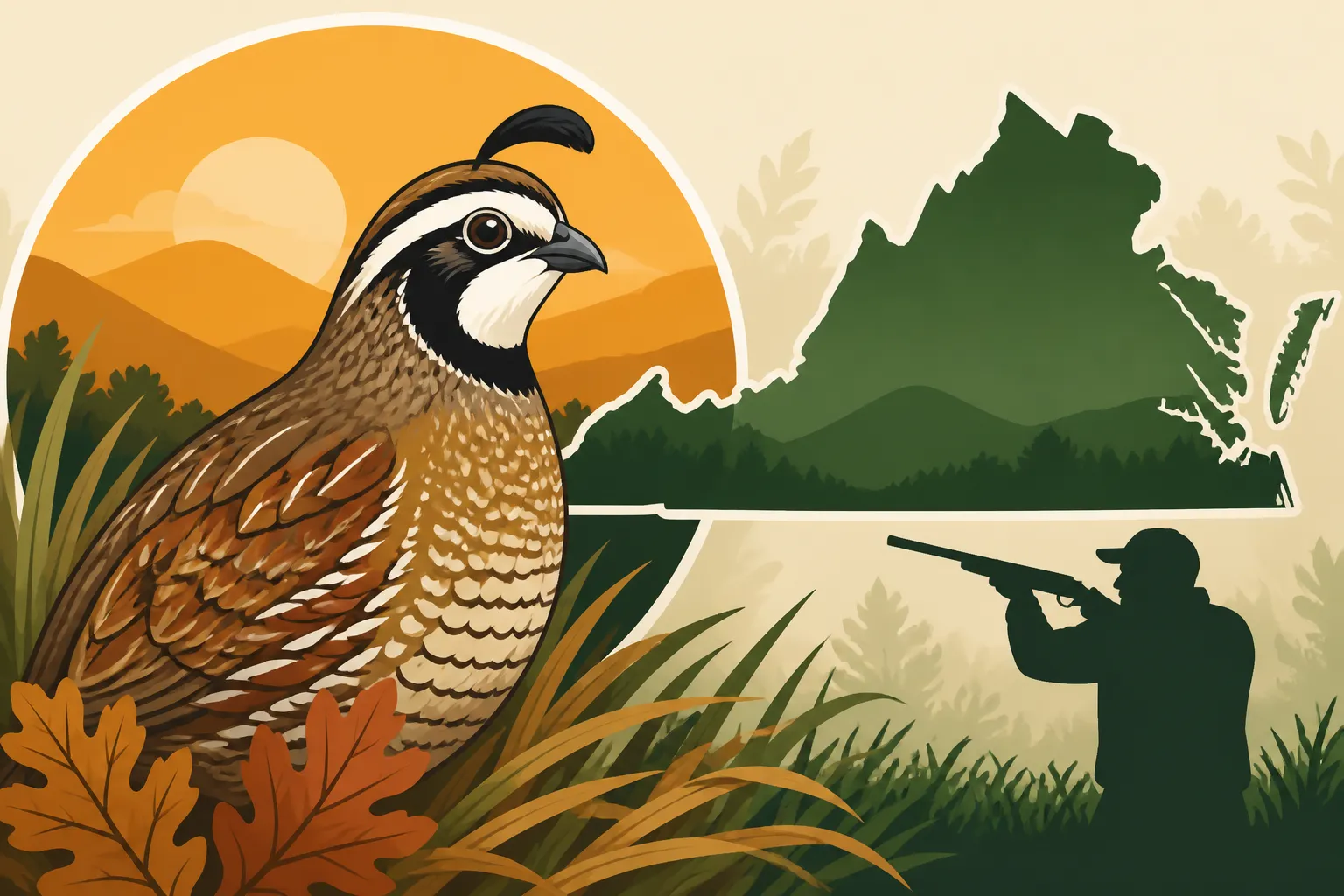
Oh, the mere mention of quail hunting in Virginia brings a sigh to many an old-timer and a wistful glance to newer hunters who’ve only heard the stories. If you’re wondering about the status of Virginia's quail season, you’re not alone; it's a question fraught with a sense of loss for many. This guide will walk you through the current regulations, the disheartening reasons behind the decline of our beloved bobwhites, and what the future might—or might not—hold for chasing these elusive birds.
The Harsh Reality of Virginia's Quail Decline
For generations of Virginians, the distinct "bob-white!" call was a ubiquitous sound across our farmlands and open woodlands. Bobwhite quail were once so abundant that they were a staple of small game hunting, providing exhilarating flushes and challenging wing-shooting. Grandparents tell tales of coveys numbering in the dozens, flushed from every fencerow and field edge. Today, however, that reality is a distant memory. Virginia's quail populations have experienced a severe, long-term decline, mirroring trends across much of the Southeast. It’s a truly tough pill to swallow for anyone who remembers "the good old days" or dreams of experiencing them.
Habitat Loss and Fragmentation: The Primary Culprit
The single biggest factor in the drastic reduction of bobwhite quail numbers is habitat loss and fragmentation. Think about the landscape of Virginia over the past 50-70 years. What was once a patchwork of small farms, diverse crops, overgrown fields, and pine forests managed with fire has transformed dramatically.
Intensive agriculture means larger, cleaner fields with fewer hedgerows, fencerows, and brushy borders where quail find refuge, nesting sites, and insects. Development and urban sprawl constantly chip away at rural lands, replacing prime quail habitat with houses and shopping centers. Even forestry practices have shifted; vast monoculture pine plantations often lack the diverse understory and open canopy that quail require. Without the crucial "early successional" habitat – the mix of native grasses, wildflowers, and shrubs that thrives in disturbed areas – quail simply can't survive and reproduce effectively. They need this dense, low cover for nesting and protection from predators, and the accompanying insect life for poult survival. The lack of prescribed burning, a natural process that historically rejuvenated these habitats, has allowed many areas to grow into dense, shaded timber that is largely devoid of quail food and cover.
Predation Pressure and Environmental Factors
While habitat loss is the undeniable lead villain, increased predation pressure and other environmental factors certainly exacerbate the problem. As natural habitats shrink, surviving quail coveys become more vulnerable. The populations of generalist predators like raccoons, opossums, and even domestic cats have soared in many areas, taking a significant toll on quail nests and adult birds. Coyote populations have also expanded dramatically across Virginia, adding another layer of predatory threat.
Beyond predators, other environmental factors play a role. The widespread introduction of non-native fescue grass, which grows dense and forms a thick thatch, makes it difficult for small quail chicks to move through and find the insects they need. Pesticide use reduces insect populations, a critical food source for growing quail chicks. Harsh weather patterns, including prolonged droughts or extremely wet springs, can also impact nesting success and poult survival, especially when birds are already struggling with limited habitat. It's a cumulative effect, each factor chipping away at an already fragile population.
Understanding Virginia's Current Quail Season Rules
Despite the stark decline, Virginia does still have a quail season. However, it's crucial to approach it with a realistic mindset. This isn't a season where you're likely to stumble upon covey after covey like in bygone eras. For most hunters, finding a huntable population of wild quail in Virginia is an exceptional, almost miraculous event, largely confined to very specific, well-managed private lands. The Virginia Department of Wildlife Resources (DWR) maintains a season to allow for opportunistic hunting in areas where populations persist, but it's not designed for widespread harvest. If you're passionate about small game, you might find more consistent opportunities with squirrels or rabbits, which are far more common across the state. Check out our guide on Virginia Squirrel and Rabbit Season Rules for more details on those opportunities.
Season Dates and Bag Limits
For the most up-to-date and specific information, always consult the current Virginia DWR hunting regulations. However, typically, the Virginia Bobwhite Quail season runs from early November through late January.
Here’s a general overview of the rules you can expect:
| Category | Detail |
|---|---|
| Season Dates | Early November – Late January (check DWR for exact dates) |
| Daily Bag Limit | 6 birds per hunter |
| Possession Limit | 18 birds per hunter |
| Shooting Hours | Half-hour before sunrise to half-hour after sunset |
It cannot be stressed enough: these dates and limits can change, so always verify with the official Virginia DWR regulations before heading afield. You can find the most current information on their website or by picking up a physical copy of the hunting regulations booklet. Having your Virginia Hunting Licenses and What They Cost and understanding all Virginia Small Game Season Rules are, of course, essential before you even consider stepping foot in the field.
Limited Opportunities and Realistic Expectations
Let's be brutally honest here: if your goal is to fill your freezer with quail, Virginia is probably not the place to do it in the wild. Finding enough wild quail to make a dedicated hunt worthwhile is incredibly challenging. Most successful wild quail hunts in Virginia today occur on private lands that have undergone extensive, often expensive, habitat restoration specifically for quail. These are usually passion projects by landowners dedicated to bringing back the birds.
On public lands, the odds are even longer. While some Virginia Wildlife Management Areas or National Forests might contain pockets of suitable habitat, they are usually not extensive enough to support huntable covey densities, especially after sustained hunting pressure. Even if you do find birds, they are often scattered and few. It’s more of a "trophy" hunt for the experience of flushing a truly wild covey than a harvest-oriented endeavor.
If you're determined to try, focus your scouting efforts on areas with a diverse mix of field edges, brushy cover, native warm-season grasses, and open woods. Understanding how to use mapping tools, like those found on GoHunt, can help you identify these habitat types from an aerial perspective before you even step foot in the woods. However, even with the best scouting, patience and persistence are key – and a healthy dose of luck.
The Uphill Battle for Quail Restoration in Virginia
While the situation for wild quail in Virginia can feel bleak, it's not without hope. A dedicated group of conservationists, landowners, and the Virginia DWR are fighting an uphill battle to restore suitable habitat and bring back the bobwhite. This isn't a quick fix; it's a long-term commitment that requires significant resources, effort, and a shift in land management practices.
DWR Efforts and Habitat Management Programs
The Virginia DWR recognizes the critical importance of quail. They have dedicated biologists and programs focused on understanding and reversing the decline. Much of their effort, and rightly so, revolves around habitat. You can learn more about this by reading up on Virginia's Historic Quail Decline and exploring the potential solutions in How Managed Pine Could Restore Virginia Quail.
Key DWR strategies and initiatives include:
- Prescribed Burning: Reintroducing controlled burns to public and private lands helps maintain the open understory and diverse plant life that quail need. Fire removes dense leaf litter, reduces woody vegetation, and stimulates the growth of native grasses and forbs that produce seeds and attract insects. Understanding Prescribed Burns and Virginia Hunting Closures is important if you plan to hunt areas undergoing this management.
- Native Grassland Restoration: Replacing non-native fescue with native warm-season grasses like switchgrass, indiangrass, and big bluestem provides crucial nesting cover, brood-rearing habitat, and winter thermal protection.
- Early Successional Habitat Creation: Actively managing forest edges, creating brush piles, and planting specific food plots and cover strips create the dense, diverse habitats that quail rely on.
- Technical Assistance: DWR staff offer advice and assistance to private landowners interested in managing their properties for quail. They can help with planning, species selection, and even identifying funding opportunities for habitat projects.
Many Virginia Wildlife Management Areas are also actively managed for small game, and while not solely for quail, these efforts benefit them too. Learning about Habitat Work on Virginia WMAs can give you an idea of the scale of effort being made.
The Role of Private Landowners and Organizations
Private land ownership is absolutely critical to quail recovery in Virginia. The vast majority of Virginia is privately owned, meaning large-scale habitat restoration needs to happen beyond public lands. Organizations like Quail Forever work tirelessly to partner with private landowners, providing technical expertise and even financial incentives to implement quail-friendly land management practices.
For landowners, this means:
- Creating Edge Habitat: Allowing fencerows and field borders to grow into brushy cover rather than keeping them "clean."
- Timber Management: Thinning pines and hardwoods to allow more sunlight to reach the forest floor, promoting the growth of native understory plants.
- Food Plots: Planting specific seed mixes that provide food and cover, especially through the lean winter months.
- Pollinator Gardens: These can attract insects vital for quail chicks, integrating with broader ecological benefits.
If you’re a landowner, contacting the DWR or a conservation group can provide a wealth of information and support. For hunters looking to find these pockets of quail, developing relationships with landowners and seeking permission to hunt properties that are clearly managed for small game can be your best bet. Tools like GoHunt can provide detailed satellite imagery and land ownership data, helping you identify potential areas where good habitat might exist and who to contact.
Realistic Outlook and Future for Virginia Quail Hunters
Let's face it: the days of abundant wild quail coveys across much of Virginia are likely gone for good. The scale of habitat loss is immense, and reversing it will take generations of sustained, dedicated effort. However, that doesn't mean the dream of hunting quail is entirely dead. It simply means hunters need to adjust their expectations and perhaps their definition of a "successful" hunt.
Managing Expectations and Shifting Focus
For most Virginia hunters, a successful quail hunt today might mean flushing a single covey, perhaps getting a shot or two, and then soaking in the experience. It’s less about the bag limit and more about the connection to a vanishing tradition. The satisfaction comes from knowing you’re in a special place, one where these resilient birds still manage to eke out an existence.
If you’re primarily interested in consistent bird hunting action, you might consider:
- Preserve Hunting: Many private hunting preserves in Virginia offer stocked quail hunts, providing a reliable opportunity to experience the thrill of a covey flush. This allows you to train dogs and practice your wing-shooting without impacting wild populations.
- Other Small Game: As mentioned, Virginia still offers decent hunting for squirrels and rabbits. These species are more adaptable to modern landscapes and can provide plenty of action. We have a lot of resources on Squirrel and Small Game Hunting in Virginia if you want to diversify your hunts.
- Supporting Conservation: Direct your passion and resources towards supporting organizations and DWR initiatives that are actively working on quail habitat restoration. Your license dollars and any additional donations make a difference.
Supporting Quail Recovery
Every hunter who values the bobwhite has a role to play in its recovery. Even if you only hunt quail once a decade, your support for conservation is vital.
Here’s how you can help:
- Purchase Licenses: Your hunting license fees directly fund DWR conservation efforts, including habitat work that benefits quail.
- Donate: Consider donating to organizations like Quail Forever or the Virginia DWR’s non-game fund. Every dollar helps.
- Volunteer: Get involved in local habitat projects or DWR volunteer days. Hands-on work is incredibly rewarding and impactful.
- Educate Others: Share the story of the bobwhite’s decline and the importance of habitat with fellow hunters and non-hunters alike.
- Practice Good Stewardship: If you own land, even a small parcel, consider implementing habitat improvements. Even small efforts can add up across the landscape. Use tools like GoHunt to understand your property's topography and potential for habitat management.
- Scouting for Quail: If you are lucky enough to find some quail, consider limiting your harvest. The true value of these birds in Virginia now often lies in their breeding potential for future generations.
The future of wild quail hunting in Virginia hinges on widespread habitat restoration. It's a long, arduous journey, but the unwavering dedication of those committed to the bobwhite keeps the flame of hope alive. Perhaps one day, the familiar "bob-white!" call will once again echo widely across the Old Dominion.
Disclaimer
Please note that hunting regulations, season dates, and bag limits are subject to change. Always consult the official Virginia Department of Wildlife Resources (DWR) regulations annually before participating in any hunting activities. This information is provided for general guidance and educational purposes only and should not be considered legal advice. Hunting carries inherent risks; always prioritize safety and ethical practices.