How Many Does You Must Take Before a Third Buck
It's easy to get tangled up in Virginia's deer hunting regulations, especially when you start thinking about taking more than a couple of bucks in a season. Many hunters scratch their heads trying to figure out the exact rules for harvesting antlerless deer to "earn" that elusive third antlered buck. This guide is going to meticulously break down those requirements, ensuring you understand the ins and outs of Virginia's deer management system so you can stay compliant and enjoy a successful season.
Understanding Virginia's Deer Hunting Regions and Limits
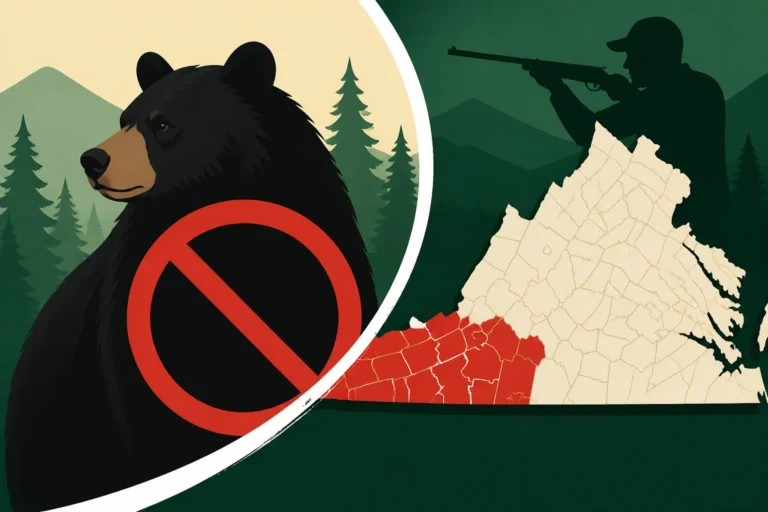
Virginia's deer hunting regulations are designed to manage the herd effectively, which means they can vary significantly depending on where you're hunting. The biggest dividing line is the majestic Blue Ridge Mountains, which split the state into two primary deer management regions: East of the Blue Ridge and West of the Blue Ridge. It’s absolutely vital to know which side of this line you’re on, as the rules for antlered and antlerless deer can be quite different.
The East vs. West Blue Ridge Divide
Imagine drawing a line right down the spine of the Blue Ridge Mountains. Everything to the east, generally including the Piedmont and Tidewater regions, falls under one set of guidelines. To the west, encompassing the mountainous counties, the regulations shift. These differences aren't just arbitrary; they reflect the varying deer populations, habitat types, and management goals specific to each area. The Virginia Department of Wildlife Resources (DWR) carefully monitors herd health and hunter success in both regions, adjusting bag limits and season structures to maintain a healthy balance. For a deeper dive into how these rules are structured, you might want to read our article on Virginia Deer Season Structure Explained.
Antlered Buck Limits: Your Starting Point
Before we even talk about "earning" additional bucks, let's nail down the basic antlered deer limits. In Virginia, hunters are generally allowed to harvest two antlered deer per license year. This is your standard starting point. An "antlered deer" is typically defined as a deer having antlers visible above the hairline. There are also specific rules about antler point restrictions in some counties, but for the purpose of this discussion, we're focusing on the total number of antlered deer.
This two-buck limit is straightforward for most hunters. You head out, fill a buck tag, then maybe get lucky again later in the season and fill a second. No extra steps, no complicated math required. But what if you're having an incredible year, or perhaps you just want to capitalize on every opportunity the regulations allow? That's when the antlerless deer requirement for a third buck comes into play, and that's where the regional differences become really important. To understand these core limits thoroughly, take a look at our guides on Eastern Region Antlered Buck Limits and Western Region Antlered Buck Limits.
The "Earn-A-Buck" System: Taking That Third Antlered Deer
Virginia's system for harvesting a third antlered deer is often referred to as an "earn-a-buck" system by hunters, even if the DWR doesn't officially use that term. Essentially, you need to prove your commitment to herd management by harvesting antlerless deer before you can tag that extra buck. This isn't about making hunting harder; it's about promoting a balanced herd, which often means reducing the number of does to control population growth and improve buck quality.
Eastern Region Requirements for a Third Buck
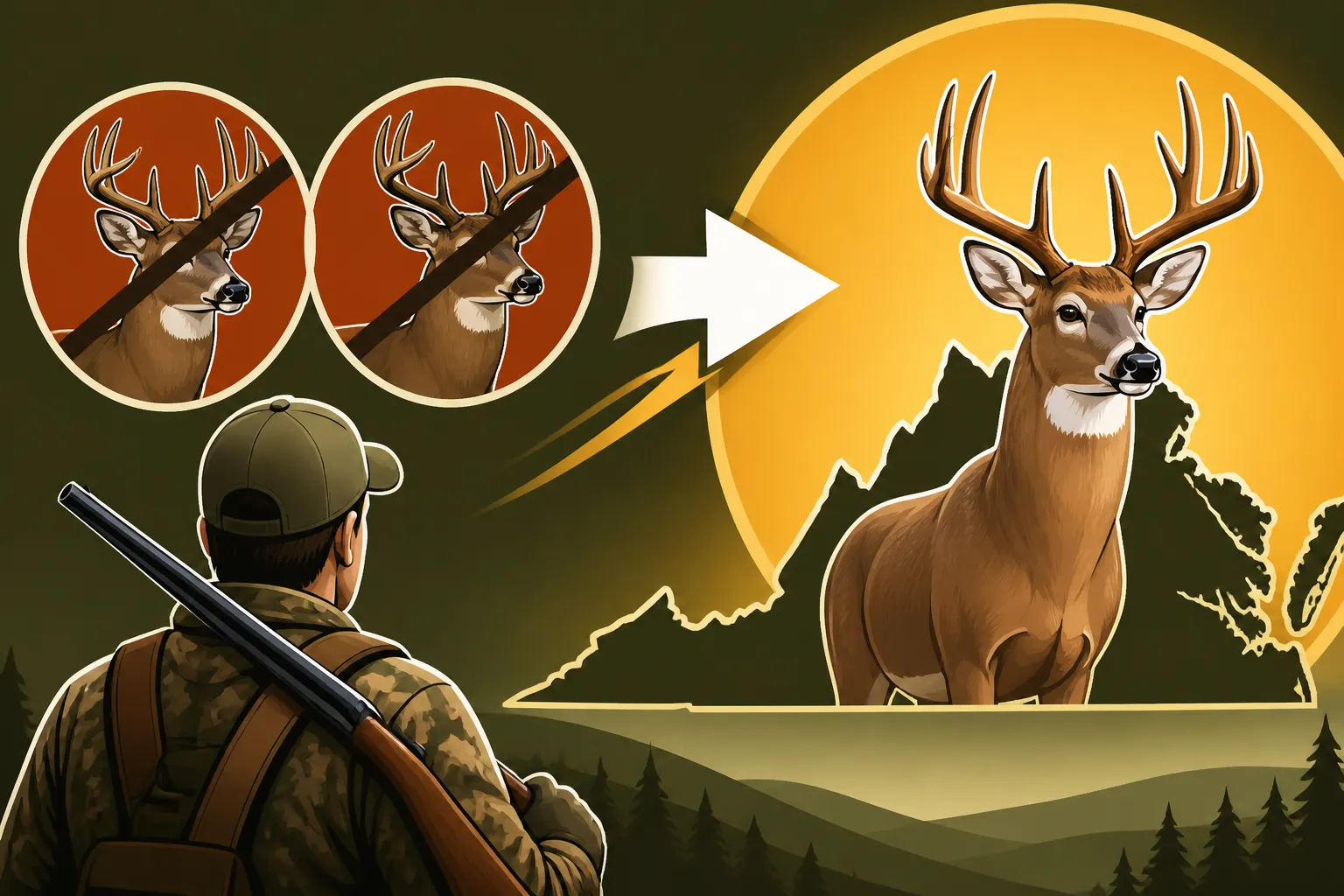
If you're hunting East of the Blue Ridge, the pathway to a third antlered buck is pretty clear: you must harvest at least one antlerless deer before taking your third antlered deer. It's a one-for-one exchange, so to speak. If you've already taken two bucks and want to pursue a third, your next deer must be an antlerless one. Once you've successfully harvested and reported that doe, you're then eligible to tag your third antlered buck for the season.
This system is designed to incentivize the harvest of does, particularly in areas where deer populations might be higher and habitat damage could become an issue. Think about the rich agricultural lands of the Piedmont or the dense suburban woodlots; these areas often support larger deer numbers, and controlling the doe population is crucial for herd health and mitigating conflicts with human activity. A great tool like the mapping functionality on GoHunt can show you where high deer densities might warrant more antlerless harvest opportunities, helping you plan your hunts strategically.
Western Region Requirements for a Third Buck
Now, if your hunting adventures take you West of the Blue Ridge, the rules for that third antlered deer get a little more stringent. In the mountainous western counties, you're looking at needing to harvest at least two antlerless deer before you can take your third antlered buck. That's right, it's a two-for-one deal here. If you've filled your initial two buck tags and still have that third buck on your mind, you'll need to successfully harvest and report two does before you can legally tag that final antlered deer.
Why the difference? The Western Region typically has a lower deer density compared to the Eastern Region, and the rugged, less fertile mountain habitat can support fewer deer overall. The DWR wants to ensure that the doe harvest is substantial enough to have a meaningful impact on population dynamics in these areas if hunters choose to take an additional buck. It’s a reflection of conservation efforts tailored to regional ecological conditions. Understanding the nuances of Virginia Antlerless Deer Requirements is key here, no matter which side of the mountains you're on.
The Importance of Antlerless Harvest Reporting
This is absolutely critical and where many hunters can accidentally get themselves into trouble. Your antlerless harvest must be reported correctly and promptly to the Virginia DWR. It's not enough to simply shoot a doe; you have to register it through the DWR's reporting system for it to count towards your requirement for a third buck.
The DWR's system is digital, primarily through their Go Outdoors Virginia website or mobile app. When you report a deer, you'll be asked to provide details like the county, date of kill, sex, and whether it was antlered or antlerless. This information is instantly logged, and the system keeps track of your harvest. If you attempt to report a third antlered deer without having first reported the required number of antlerless deer for your region, the system will flag it, and you could face penalties. So, treat every reported deer as a crucial step in maintaining compliance. Our guide on Virginia Deer Reporting Requirements can walk you through the process step-by-step.
Here's a quick summary table of the requirements:
| Region | Standard Antlered Buck Limit | Antlerless Deer Required Before 3rd Antlered Buck |
|---|---|---|
| East of Blue Ridge | 2 | 1 antlerless deer |
| West of Blue Ridge | 2 | 2 antlerless deer |
Note: All antlered and antlerless deer must be legally harvested and reported to the Virginia DWR.
Navigating Antlerless Deer Harvest: Why It Matters Beyond Just Tags
Understanding the regulations for a third buck is just one part of the picture. The bigger story behind antlerless deer harvest in Virginia is about responsible wildlife management and ensuring a healthy, sustainable deer population for future generations. It’s not just about filling your freezer, though that’s certainly a welcome bonus!
Managing the Herd: Why DWR Encourages Doe Harvest
The Virginia DWR consistently encourages hunters to harvest antlerless deer. There are several vital reasons for this:
- Population Control: Left unchecked, deer populations can explode, leading to overbrowsing of habitat, increased disease transmission (like in Virginia's Four Chronic Wasting Disease Areas), and more deer-vehicle collisions. By harvesting does, hunters help keep the population in balance with its available food and space.
- Improved Herd Health and Quality: When there are too many deer, competition for food increases. This can lead to smaller, less healthy deer, including bucks with smaller antlers due to nutritional stress. A balanced buck-to-doe ratio, often achieved through doe harvest, can result in healthier deer and more mature bucks.
- Agricultural Damage Reduction: In many parts of Virginia, deer can cause significant damage to agricultural crops and timber resources. Increased doe harvest helps alleviate this pressure, benefiting farmers and landowners.
- Urban Deer Management: In rapidly developing areas, deer can become a nuisance, damaging landscaping and posing safety risks. Special seasons like Urban Archery Hunting in Virginia Cities are specifically designed to address these localized overpopulation issues, often with a strong emphasis on antlerless harvest.
Thinking beyond just the regulations, the act of harvesting does is a direct contribution to the overall well-being of Virginia's deer herd. It's a key part of what makes hunters genuine conservationists.
Practical Tips for Fulfilling Your Antlerless Requirement
So, you're committed to managing the herd and potentially earning that third buck. How do you go about it efficiently?
- Prioritize Early Season Does: If you know you want to try for a third buck, make an effort to tag an antlerless deer early in the season, perhaps during the Bowhunting Virginia's Statewide Archery Season or early muzzleloader. This takes the pressure off later in the year. Many hunters find success by focusing on doe groups during early morning or late evening feeding patterns in agricultural fields or along field edges.
- Focus on Food Sources: Does, especially those with fawns, are heavily reliant on consistent food sources. Target areas like acorn flats, soybean fields, clover plots, or even browse lines in cutovers. Scouting these areas meticulously before the season can give you a huge advantage. Tools like the GoHunt mapping platform can highlight agricultural fields, timber cuts, and other potential food sources that will attract deer.
- Use Strategic Stand Placement: Consider ground blinds or treestands that offer good visibility over feeding areas or high-traffic travel corridors that does use. Remember, doe groups often travel together, so if you see one, more are likely nearby. When thinking about stand setups, our guide on Treestand Setups in George Washington National Forest offers some great insights that can be adapted to many areas.
- Hunt During the Rut (Carefully): While the rut is often buck-focused, does are still present and moving. A patient hunter can often intercept a doe during this period, especially if you're hunting areas where bucks are cruising for receptive females. Just be mindful of your target. Our article on Hunting the Virginia Rut in November provides excellent context for this time of year.
- Late Season Opportunities: Don't forget the late season! As food sources dwindle and pressure decreases, deer often become more predictable, returning to prime food areas. This can be an excellent time to fill antlerless tags, especially after a cold front. Consider focusing on Late-Season Food Sources for Virginia Whitetails when planning your hunts.
Common Pitfalls and Misunderstandings
Even with clear regulations, it's easy to make mistakes. Here are a few common pitfalls to avoid:
- Forgetting to Report: This is the absolute biggest mistake. If you don't report your antlerless deer, it doesn't count. Always report immediately after the kill, following DWR guidelines. The Go Outdoors Virginia app makes this process quite straightforward.
- Reporting the Wrong Sex/Antler Status: Double-check your entry when reporting. Accidentally marking an antlerless deer as antlered, or vice-versa, can create headaches.
- Ignoring Regional Differences: Assuming the rules are the same across the entire state is a recipe for trouble. Always confirm the regulations for the specific county you're hunting in.
- Procrastinating Antlerless Harvest: Waiting until the very end of the season to try and fill your antlerless tags for a third buck can lead to missed opportunities and frustration. Make it a priority.
- Not Carrying Proof of License: Always have your license and big game tags readily accessible, whether it's the physical copy or on your phone via the DWR app. You might want to review Carrying Proof of License on Your Phone for more details.
Tools and Resources for Staying Compliant
In today's hunting world, there are fantastic tools available to help you keep track of regulations, scouting information, and your personal harvest records. These resources are invaluable for navigating complex rules like the antlerless requirement for a third buck.
Utilizing the Go Outdoors Virginia Platform
The Virginia DWR has done an excellent job with its Go Outdoors Virginia platform. This is your one-stop shop for almost everything related to hunting licenses, regulations, and reporting.
- License Purchase and Management: You can buy your Virginia Resident Hunting License Options or non-resident licenses, as well as any necessary big game stamps, directly through the portal.
- Deer Reporting: As discussed, this is where you report all your deer harvests. The system automatically tracks how many antlered and antlerless deer you've taken, and if you've met the requirements for additional bucks.
- Regulation Access: While this guide breaks down specific aspects, the official regulations are always available and up-to-date on the DWR website, accessible through the Go Outdoors portal. It's always a good idea to cross-reference if you have any doubts.
- Maps and WMAs: The platform also offers tools to help you find public hunting lands, including Virginia Wildlife Management Areas. The Utilizing the Go Outdoors Virginia Map Tool can be incredibly helpful for planning your hunts.
Make it a habit to check your Go Outdoors Virginia account regularly, especially if you're aiming for that third buck. It's your personal compliance dashboard.
Leveraging Mapping and Information Tools
Beyond the official DWR resources, many third-party hunting apps and platforms can enhance your understanding and planning. GoHunt, for example, is an excellent resource that offers detailed mapping layers, public/private land boundaries, and topographical information. These features can be particularly useful for:
- Scouting: Identifying potential pinch points, bedding areas, and feeding zones where you might encounter doe groups.
- Boundary Awareness: Ensuring you're always on legal hunting ground and aware of any specific county regulations.
- Tracking: Marking your successful harvest locations and planning future hunts based on past success.
Having these kinds of detailed maps, especially when planning a hunt on unfamiliar public land or trying to understand property lines near urban archery zones, can make a huge difference in your effectiveness and compliance. Whether you're hunting deep in the Jefferson National Forest or simply trying to find a good spot to harvest a doe to fulfill your tag requirement, these tools are invaluable.
When to Consult the Virginia DWR Regulations
Even with all the tools and guides available, nothing beats going straight to the source when you have a question that isn't crystal clear. The Virginia DWR website (dwr.virginia.gov) has the most current and official hunting regulations.
- Specific County Rules: Some counties might have unique rules or exceptions, especially concerning firearms, Sunday hunting, or CWD management zones. Always check the regulations for your specific hunting location.
- Changing Regulations: Regulations can sometimes change from year to year. While this guide aims to be comprehensive, always verify the latest information at the start of each new hunting season.
- Unusual Situations: If you encounter a unique situation or have a question about a specific scenario not covered, it's always best to contact your local DWR conservation police officer or the DWR headquarters directly. They are there to help you stay legal and safe.
By proactively using these resources, you'll not only stay within the law but also become a more informed and effective hunter, contributing positively to Virginia's deer management efforts.
Disclaimer
Please note that hunting regulations are subject to change. While this article strives for accuracy based on current Virginia Department of Wildlife Resources (DWR) regulations, it is the hunter's sole responsibility to consult the official DWR hunting regulations annually before participating in any hunting activity. This guide is for informational purposes only and does not supersede official state regulations.