Western Region Antlered Buck Limits
One of the trickiest parts about hunting deer in Virginia isn't necessarily finding the deer, but truly understanding the often-complex regulations around antlered buck limits, especially when you cross that invisible line between the eastern and western halves of our beautiful Commonwealth. Many hunters feel that nagging worry of misinterpreting a rule and inadvertently breaking the law. This comprehensive guide will untangle the specific antlered buck limits for Virginia's Western Region, helping you navigate the season with confidence and ensure every tag is used legally and ethically.
Understanding Virginia's Deer Regions
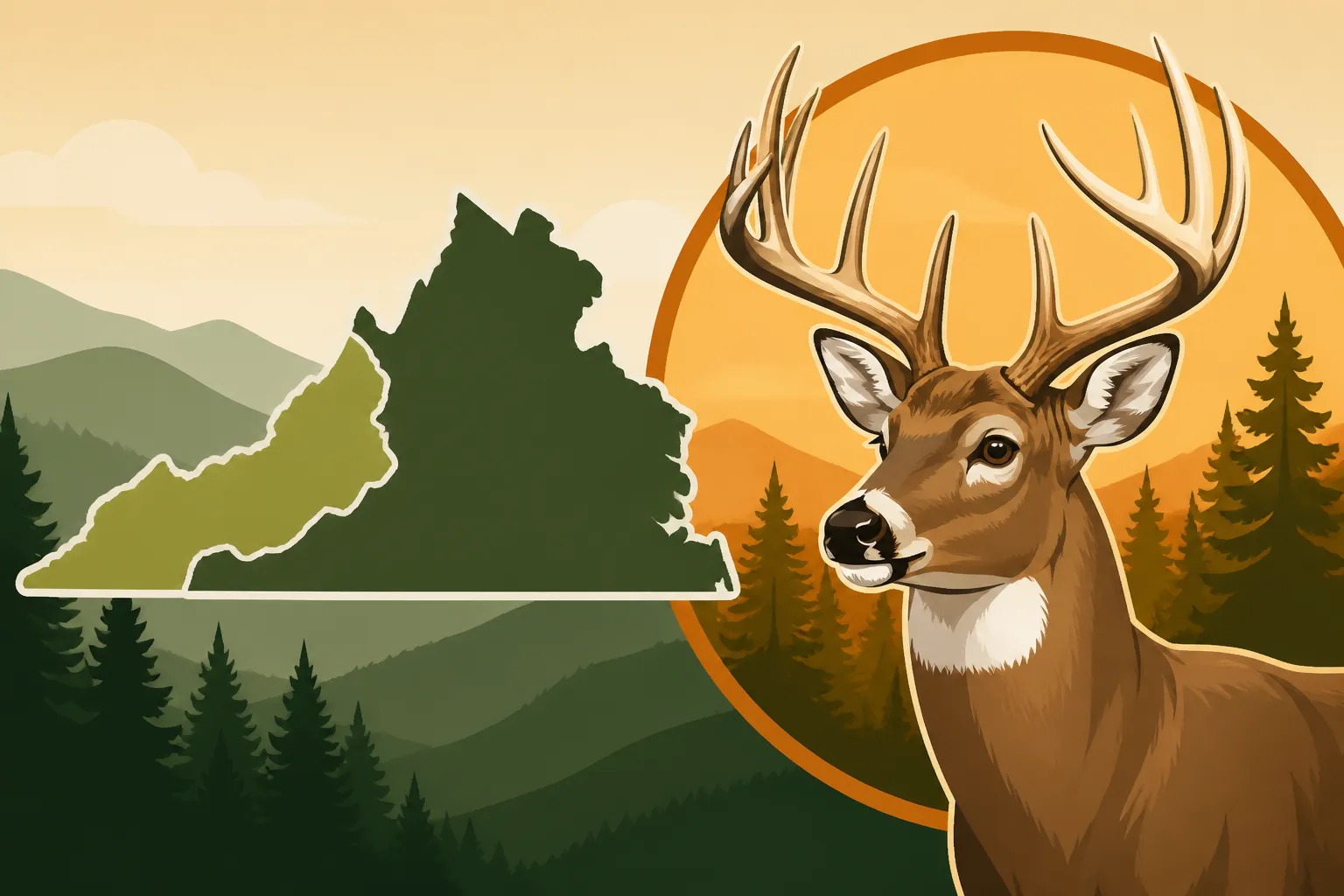
Virginia is a state of diverse landscapes, from the flat coastal plains to the rolling Piedmont and, eventually, the rugged Appalachian Mountains. This geographical variety isn't just scenic; it also dictates how deer are managed, particularly when it comes to separating the state into distinct hunting regions. The most significant boundary for deer management purposes is the Blue Ridge Mountains, which effectively bisect the state and create two very different zones with their own specific rules for harvesting deer. It’s crucial to know which side of this divide you're hunting on because the regulations for antlered bucks can change dramatically.
The Blue Ridge Divide and Its Significance
The towering peaks and long ridgelines of the Blue Ridge Mountains aren't just a physical barrier; they represent a fundamental split in Virginia's deer management philosophy. West of the Blue Ridge, the landscape tends to be more forested, with larger tracts of public land like the George Washington and Jefferson National Forests. Deer populations here often face different habitat challenges, food sources, and hunting pressure compared to their eastern counterparts. This distinction led the Virginia Department of Wildlife Resources (DWR) to establish separate regulations to ensure healthy deer herds in both regions. For many hunters, crossing the Blue Ridge means a shift in not only topography and tactics but also in the number of antlered deer they can legally harvest. It's not uncommon for hunters who frequently move between regions to get caught off guard by these differences, making it vital to check specific county rules if you hunt near the boundary.
Eastern vs. Western Management Philosophies
The DWR's approach to deer management in Virginia is quite nuanced, reflecting the unique ecological and social factors of each region. East of the Blue Ridge, where agriculture is more prevalent, and suburban expansion is constant, the focus often leans towards managing deer populations to minimize agricultural damage and human-deer conflicts. This sometimes translates to higher antlerless harvest opportunities to control overall numbers. In contrast, west of the Blue Ridge, deer management priorities often emphasize herd health in a more contiguous forest environment, focusing on sustainable populations that can thrive in a more remote, rugged landscape. This difference in approach directly impacts the antlered buck limits. The goal in the west is often to allow bucks to reach older age classes, fostering a healthier age structure within the herd. Understanding this overarching strategy helps explain why the rules are different, rather than just knowing what the rules are. It truly underpins the reason for measures like the varied "East Versus West of the Blue Ridge Bag Limits."
The Core Western Region Antlered Buck Limit
Now, let's get down to brass tacks: what's the actual limit for antlered bucks if you're hunting west of the Blue Ridge? This is where many hunters, especially those new to the western counties or those accustomed to eastern rules, can get confused. Virginia's DWR has a clear, consistent regulation for the Western Region designed to promote a balanced deer population and offer quality hunting experiences. Unlike some other states with complex antler point restrictions that can feel like a pop quiz in the woods, Virginia's Western Region keeps it relatively straightforward, at least for the antlered buck count.
The Two-Buck Rule Explained
For the vast majority of counties located west of the Blue Ridge, the antlered buck limit is two per license year. That's it – plain and simple. You can harvest a maximum of two antlered deer during the entire deer season, regardless of whether you're using archery, muzzleloader, or general firearms. This applies to all seasons combined: early archery, early muzzleloader, and the general firearms season. It’s important to remember that this limit is per hunter, not per hunting trip or per weapon type. So, if you're fortunate enough to tag a nice buck with your bow in October, and then get another opportunity with your rifle in November, you've hit your limit for the year. This firm limit helps maintain a healthy population of mature bucks across the western counties, contributing to the overall quality of the herd. To learn more about specific western opportunities, you might want to read our guide on Hunting West of the Blue Ridge.
What Qualifies as an Antlered Buck
The DWR isn't just interested in any deer with horns; there are specific criteria for what constitutes an "antlered buck" for tagging purposes. In Virginia, an antlered deer is defined as any deer having antlers visible above the hair. There are no minimum beam length or antler point restrictions (APRs) in the Western Region, unlike some other states or even certain counties within Virginia that may have more specific rules for earning a second buck tag. This means if it has visible antlers, it counts as one of your two permitted antlered bucks for the season.
This straightforward definition is a relief for many hunters who might otherwise stress over counting points or measuring lengths in the field. It removes much of the guesswork and allows you to focus on a clean, ethical shot once you've identified an antlered deer. However, it also means that a young "spike" buck, with only short, unbranched antlers, counts the same as a massive 10-pointer towards your two-buck limit. Knowing this definition is crucial for proper tag management throughout the season. When considering How Many Bucks the Western Region Allows, always keep this simple definition in mind.
Antlerless Deer Requirements and Their Impact
While the focus here is on antlered buck limits, it's impossible to discuss deer management in Virginia's Western Region without touching on antlerless deer harvest. Antlerless deer, often referred to as does, are a cornerstone of healthy deer population management. Many hunters initially focus solely on harvesting a buck, but understanding the role of antlerless tags can significantly impact your overall hunting strategy and even influence future buck opportunities. The DWR encourages antlerless harvest as a primary tool to manage herd numbers, maintain a balanced buck-to-doe ratio, and ensure the health of the deer population and their habitat.
Balancing Buck and Doe Management
The DWR's management strategy in the Western Region encourages hunters to harvest antlerless deer to help keep populations within ecological carrying capacity. This isn't just about reducing numbers; it's about fostering a healthier herd overall. When doe populations become too high, it can lead to overbrowsing, impacting habitat quality for all deer, including the very bucks you're hoping to hunt. It can also lead to increased disease transmission. By strategically harvesting does, hunters contribute to better nutrition for the remaining deer, which in turn can lead to healthier fawns and bucks with larger body weights and antler growth.
For many hunters, the "two-buck limit" can feel restrictive if they're focused solely on antlers. However, viewing the season as an opportunity to fill multiple tags, including antlerless ones, not only helps the DWR's management goals but also provides more venison for the freezer. A hunter focused on herd health might aim to take a couple of does early in the season before the rut, then pursue their two antlered bucks later. This balanced approach helps ensure a sustainable future for deer hunting in Virginia's mountains and valleys.
Using Antlerless Tags Strategically
While the Western Region's antlered buck limit is two, hunters often have multiple antlerless tags available, depending on their license type and the specific county or management area. These tags are usually included with a standard big game license or can be purchased as bonus tags. Using these tags strategically is key. For instance, if you're hunting in a remote area of the George Washington National Forest, where deer densities might be lower, you might be more selective with your antlerless harvest. Conversely, if you're on private land or a wildlife management area (WMA) where deer populations are higher, taking multiple does can be a beneficial part of your overall hunting plan.
Some hunters might prioritize filling their freezer with venison early in the season by harvesting antlerless deer. This takes pressure off the buck hunt and allows them to be more patient for a quality antlered animal later. Other hunters might use antlerless harvest as a way to "scout" for buck sign, moving through different areas and taking a doe if the opportunity arises. Tools like GoHunt can be invaluable for understanding local deer densities and planning where to focus your antlerless efforts, especially if you're trying to fill more than just your buck tags. Remember, every deer harvested contributes to the overall management data collected by the DWR, so reporting all kills, antlered or antlerless, is crucial.
Special Considerations and Exceptions in the West
While the two-buck limit is generally consistent across the Western Region, Virginia's dynamic wildlife management occasionally introduces specific considerations or exceptions. These aren't designed to complicate matters, but rather to address localized issues, such as disease outbreaks or unique habitat circumstances. Staying informed about these nuances is part of being a responsible hunter and ensures you remain compliant with the most current regulations. Always consult the latest Virginia DWR regulations guide before heading afield, as rules can change annually.
Chronic Wasting Disease DMAs and Testing in the Western Region
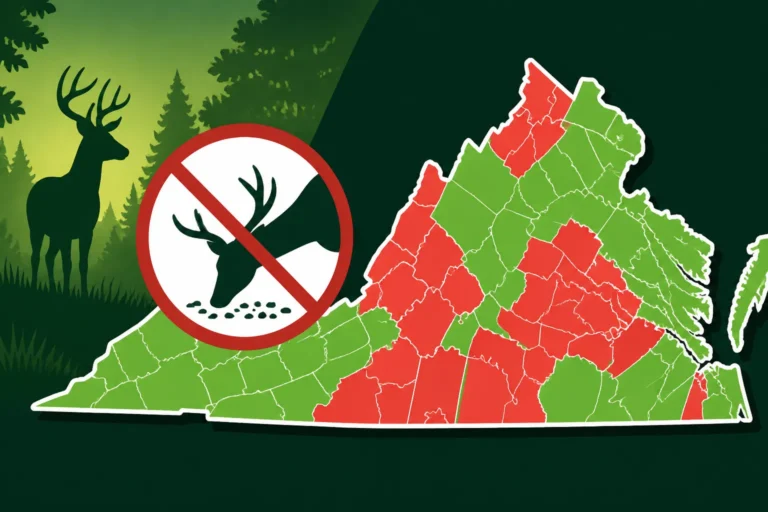
Chronic Wasting Disease (CWD) is a serious concern for Virginia's deer population, and specific areas are designated as Disease Management Areas (DMAs) to help monitor and control its spread. These DMAs, particularly DMA1 and DMA2, are primarily located in Virginia's Western and Northern Shenandoah Valley regions. When hunting within a CWD DMA, there might be mandatory CWD testing requirements for harvested deer, carcass movement restrictions, and sometimes even altered bag limits or additional harvest opportunities to reduce deer densities and slow disease transmission.
For example, counties like Frederick, Clarke, Shenandoah, and Augusta, which fall within CWD DMAs, often have specific rules regarding how you process and transport your deer. You might be required to submit a sample for testing or prohibited from moving certain parts of the carcass out of the DMA. While the core two-buck antlered limit might remain, these additional rules are critical to follow. For hunters in these zones, staying updated on "Virginia's Four Chronic Wasting Disease Areas" and understanding "Mandatory Testing Inside a Virginia DMA" is not just recommended, it's essential. Organizations like GoHunt also often provide updated information on CWD zones and testing locations, which can be a real time-saver.
County-Specific Regulations or Restrictions
Although the overarching Western Region antlered buck limit is two, some individual counties or specific properties might have additional, localized rules. These are usually rare for antlered bucks but can apply to season dates, legal firearms, or even Sunday hunting permissions. For instance, some counties may have different opening or closing dates for certain seasons, or restrictions on hunting with dogs for deer. While less common for buck limits, it's not unheard of for local ordinances to impact hunting.
It's paramount to always check the DWR regulations for the specific county you intend to hunt. This is especially true if you are hunting near a border or on a federal or state-managed property like a National Wildlife Refuge or a Military Base, as these areas often have their own specific rules that might supersede or add to statewide regulations. A simple check on the Virginia DWR website or a quick call to a local game warden can save a lot of headaches and ensure you don't inadvertently break a hyper-local rule.
Planning Your Western Region Buck Hunt
Successfully harvesting two antlered bucks in Virginia's Western Region requires more than just knowing the regulations; it demands thoughtful planning, diligent scouting, and an adaptable hunting strategy. The rugged terrain, extensive public lands, and often thicker cover west of the Blue Ridge present unique challenges and opportunities. Maximizing your chances means understanding deer behavior in this environment and effectively managing your limited buck tags throughout the season.
Scouting and Strategy for Limited Buck Tags
With only two antlered buck tags available, every opportunity counts. This makes pre-season scouting incredibly important. Spend time in the woods looking for sign – rubs, scrapes, tracks, and bedding areas. Pay attention to food sources, which can vary greatly depending on the time of year. Early season might find deer keying in on soft mast like persimmons or apples, while later in the fall, acorns become king. Understanding when and where deer are feeding, traveling, and bedding in your chosen hunting area will give you a significant advantage. Reading a Ridge for Blue Ridge Deer can often reveal travel corridors and bedding areas that are otherwise hidden.
Consider the diverse seasons available. Bowhunting Virginia's Statewide Archery Season offers early opportunities before heavy gun pressure. Muzzleloader Deer Hunting in Virginia during its own dedicated season provides a unique window, often coinciding with the early stages of the rut, allowing you to use a primitive firearm without the general firearms crowds. When the general firearms season opens, you'll face more competition, especially during the first weekend. Knowing the flow of the season and strategically allocating your time and effort for those two bucks is crucial. Are you hoping for an early season bow buck, or holding out for a rifle shot at a mature deer during the peak of the rut? Having a plan, but being flexible, is key.
Utilizing Technology for Compliance and Success
In today's hunting world, technology can be a powerful ally, not just for finding deer but also for staying compliant with regulations. Mapping applications like GoHunt, onX Hunt, or even the Virginia DWR app are invaluable for hunting in the Western Region. They allow you to accurately identify property boundaries, pinpoint your location within a WMA or National Forest, and understand the topography like never before. This is especially useful for avoiding inadvertent trespass or ensuring you're within designated hunting areas.
Beyond location services, these apps often provide overlays for CWD DMAs, public/private land distinctions, and even current weather and wind conditions, which are critical when navigating the thermal currents of mountain hunting. When planning your hunt, use these tools to mark potential stand locations, scout access routes, and identify food sources. When you do harvest a deer, the Virginia DWR app can be used to easily report your harvest, which is a mandatory step for all successful hunters. This seamless integration of technology makes managing your two Western Region buck tags and staying legal much simpler and more efficient.
Reporting Your Harvest and Staying Compliant
You've done the hard work: put in the scouting, braved the elements, and finally tagged one of your precious two antlered bucks in Virginia's Western Region. Congratulations! But the job isn't quite finished. Reporting your harvest is not just a formality; it's a legal requirement and a critical step in contributing to sound wildlife management. Skipping this step can lead to penalties and, more importantly, deprive the Virginia DWR of vital data needed to make informed decisions about deer populations and future hunting seasons.
The Importance of Accurate and Timely Reporting
Every deer harvested in Virginia, whether it's an antlered buck or an antlerless doe, must be reported to the Virginia DWR. This data is the backbone of the state's deer management program. It allows biologists to track harvest trends, estimate population sizes, monitor herd health, and assess the impact of regulations. Without accurate reporting, the DWR operates in the dark, making it harder to ensure sustainable hunting opportunities for future generations. For instance, data on how many bucks are harvested annually directly impacts discussions around topics such as "Why the Two Regions Cap Bucks Differently."
The process is generally straightforward. You can report your harvest online via the Virginia DWR website, through the official Virginia DWR mobile app, or by phone. It's often required to be reported within a certain timeframe, typically within 24-48 hours of harvest. Be prepared to provide information such as the county of harvest, the date, the sex of the deer, and whether it was antlered or antlerless. This information, combined with data from thousands of other hunters, paints a comprehensive picture of Virginia's deer herd dynamics. Check out "The Virginia Deer Reporting Deadline" for specific timelines.
Consequences of Non-Compliance
Failing to report your deer harvest, or reporting it inaccurately, carries legal consequences. These can range from fines to loss of hunting privileges, depending on the severity and frequency of the offense. More importantly, non-compliance undermines the very system designed to protect and manage our valuable wildlife resources. As stewards of the land and its creatures, hunters have a responsibility to adhere to all regulations, including harvest reporting.
Beyond the legal ramifications, consider the ethical implications. Hunting is a privilege, and with that privilege comes the responsibility to ensure the long-term health of the game we pursue. By diligently reporting your harvests, you're actively participating in the conservation effort. Imagine if only a fraction of hunters reported their deer; the DWR would have a skewed understanding of the actual harvest pressure, potentially leading to misguided regulations that could negatively impact deer populations or future hunting seasons. So, when you tag that second Western Region buck, take pride in filling out that report, knowing you've done your part for Virginia's hunting heritage.
Disclaimer
Please note that hunting regulations, including bag limits and season dates, are subject to change. While this guide provides current information, it is the hunter's responsibility to review and comply with the most up-to-date regulations published by the Virginia Department of Wildlife Resources (DWR) before participating in any hunting activity. Always confirm specific rules for the county or property you intend to hunt.