Virginia Bonus Antlerless Tag Purchase Rules
It's a common scenario for many Virginia deer hunters: you've filled your general antlerless tags, perhaps even taken a couple of does during the early archery season or the youth weekend, but you know your local deer population could still benefit from more harvest. Maybe you're seeing too many deer in your food plots, or perhaps you just want more venison in the freezer for the long winter. This guide will walk you through everything you need to know about Virginia's bonus antlerless tag purchase rules, ensuring you understand how and when you can legally acquire those extra tags to help manage the herd and fill your freezer.
Understanding Virginia's Deer Management Zones and General Limits
Before we dive into the specifics of bonus antlerless tags, it’s absolutely essential to grasp the foundational deer season structure here in Virginia. Our state's deer management is thoughtfully divided, reflecting the distinct ecological and population dynamics across different regions. This distinction directly impacts how many deer you can harvest and, consequently, your eligibility and need for bonus tags. It’s not just a matter of knowing if you can take more does, but why the rules are set up the way they are.
The East vs. West Blue Ridge Divide
Virginia is effectively split into two primary deer management regions by the Blue Ridge Mountains: the Eastern and Western Deer Management Regions. This geographical division isn't just for scenic beauty; it’s a critical regulatory boundary that dictates bag limits, season lengths, and specific harvest regulations. The deer densities, habitat types, and hunting pressures vary dramatically between the agricultural fields and suburban fringes of the East and the vast, mountainous public lands of the West. This means what's allowed in, say, Loudoun County might be quite different from what's permitted in Tazewell County. Understanding these regional differences is the first step to knowing your baseline. You can delve deeper into these nuances by reading our guide on East Versus West of the Blue Ridge Bag Limits.
In the Eastern Region, which encompasses most of the Piedmont and Coastal Plain, deer populations tend to be higher due to more abundant agricultural food sources and often milder winters. Consequently, antlerless harvest is generally encouraged more aggressively to manage herd health and reduce conflicts like crop damage and vehicle collisions. Hunters here often have more opportunities for antlerless deer, including longer seasons and more liberal bag limits under their general license. Conversely, the Western Region, characterized by its extensive forests and mountainous terrain, typically supports lower deer densities. Here, the focus often shifts more towards sustainable harvest, and antlerless opportunities under general licenses are usually more conservative.
Your Initial Antlerless Opportunities
Under your standard Virginia hunting license, you're automatically granted certain antlerless deer harvest opportunities. These aren't "bonus" tags; they are your fundamental allowances before you even consider purchasing anything extra. For most hunters, this includes specific opportunities during the statewide archery season, the early muzzleloader season, and portions of the general firearms season. For example, during the early archery season, many hunters can take an antlerless deer per day statewide. During the general firearms season, your ability to take antlerless deer will again depend heavily on whether you are hunting in the Eastern or Western Region, and even more specifically, on the county you are in.
It's crucial to consult the Virginia Department of Wildlife Resources (DWR) regulations annually, as these details can change. Many counties have specific dates for antlerless deer harvest during the firearms season, often referred to as "doe days" or a continuous antlerless season. This initial allocation is designed to allow hunters to contribute to herd management without needing to purchase additional permits right away. Think of it as your primary toolset for deer management. If you're looking for a comprehensive overview of how Virginia structures its deer seasons, check out our piece on Virginia Deer Season Structure Explained. It's always a good idea to scout and plan your hunts based on these general opportunities first, perhaps using a tool like GoHunt to visualize deer densities and public land access in your target areas, identifying where these base antlerless opportunities might be most fruitful.
The Specifics of Bonus Antlerless Tags
Once you've maximized your general antlerless tags and still find yourself with more hunting days or a desire to take more deer, Virginia's bonus antlerless tag system comes into play. These tags are designed to provide additional flexibility for hunters and serve as a crucial tool for the DWR in managing deer populations, especially in areas with high densities. It’s important to understand that these aren't just extra tags; they come with specific rules, acquisition methods, and validities. They allow for a targeted approach to reduce deer numbers where they are most abundant, contributing significantly to local ecosystem health and agricultural damage reduction.
Who Can Purchase Bonus Tags and Where
The ability to purchase bonus antlerless tags, often referred to as "Special Antlerless Deer Archery/Muzzleloader/Firearms" tags, is primarily determined by the specific deer management needs of different regions and counties. Generally, these tags are more readily available, and often required, in the Eastern Deer Management Region, especially in the Piedmont and Coastal Plain counties where deer populations are typically higher. These areas frequently have longer antlerless seasons or more liberal bag limits that necessitate the use of these bonus tags once your general tags are filled.
For example, in many Eastern counties, after you've harvested the antlerless deer allowed under your basic license during specific seasons (like the early muzzleloader or a firearms "doe day"), you can purchase and use these special tags to take additional antlerless deer. Conversely, in the Western Deer Management Region, the availability of these bonus tags might be more limited, or they might not be offered at all in certain counties, reflecting the lower deer densities and different management objectives there. It's always critical to consult the DWR's annual hunting regulations digest for the most up-to-date county-specific information. Sometimes, hunters in Chronic Wasting Disease (CWD) Management Areas might even find additional incentives or requirements for antlerless harvest, which these bonus tags can facilitate. Knowing your Virginia Antlerless Deer Requirements inside and out is key here.
How to Acquire These Additional Tags
Acquiring your bonus antlerless tags is a straightforward process, thanks to the DWR's modern licensing system. The easiest and most common way to purchase these tags is online through the Go Outdoors Virginia website, or via their mobile application. This platform acts as your one-stop shop for all Virginia hunting licenses and permits. You'll typically find the option to purchase "Special Antlerless Deer Archery," "Special Antlerless Deer Muzzleloader," or "Special Antlerless Deer Firearms" tags listed under the available permits. The nomenclature might vary slightly by year, so always look for something indicating "additional" or "bonus" antlerless options for the specific weapon type you intend to use.
When you're logged into your Go Outdoors Virginia account, navigate to the license purchase section. You'll usually select your desired license year, then browse the available permits. Be sure to select the correct type (archery, muzzleloader, or firearms) depending on when and how you plan to use them. For instance, if you plan to hunt late-season does with a rifle, you'd select the "Special Antlerless Deer Firearms" tag. Once purchased, these tags are electronic and linked to your hunter ID, which you can easily display on your smartphone through the Go Outdoors Virginia app. This eliminates the need to carry physical tags, a convenience many hunters appreciate. This online system is also where you'd go for your primary Virginia Hunting Licenses and What They Cost, making it a familiar process for most.
Cost and Validity of Bonus Antlerless Tags
The cost of Virginia's bonus antlerless tags is generally quite reasonable, typically just a few dollars per tag. This affordability makes them an accessible option for hunters committed to increasing their antlerless harvest. However, it's crucial to remember that these tags are purchased per season type. This means if you want to take an extra doe with your bow, you buy an archery bonus tag. If you then want to take another with your muzzleloader, you'll need to purchase a separate muzzleloader bonus tag. The same applies to firearms season. They are not interchangeable across weapon types.
Once purchased, these bonus tags are valid for the remainder of the current hunting season for which they were bought. For example, if you buy a Special Antlerless Deer Firearms tag in mid-November, it's good through the end of the general firearms season, usually the first Saturday in January. They do not roll over to the next hunting year. Like all other harvested deer in Virginia, any deer taken with a bonus antlerless tag must be reported to the DWR within 24 hours of harvest. This reporting is vital for the DWR to monitor deer populations accurately and make informed management decisions. You can report your harvest easily through the Go Outdoors Virginia app or website, as outlined in our article on Virginia Deer Reporting Requirements. Always double-check the DWR's current regulations for exact pricing and any specific use-by dates, as these can be subject to minor annual adjustments.
Strategic Use of Bonus Antlerless Tags for Deer Management
Beyond just extending your hunting opportunities, bonus antlerless tags are a powerful tool in a hunter's arsenal for contributing to effective deer management. They're not just about filling a quota; they're about playing an active role in maintaining healthy deer populations and ecosystems. Understanding how to deploy these tags strategically can make a significant difference, both for the local herd and for your overall hunting experience. This aspect of hunting requires a bit more thought than just pulling the trigger – it’s about making informed decisions that benefit the broader wildlife community.
Impact on Local Deer Populations
In many parts of Virginia, particularly the Eastern Region, deer populations can often exceed the carrying capacity of the land. This leads to a variety of issues: overbrowsing of native vegetation, which harms other wildlife species; increased crop damage for farmers; and a higher incidence of deer-vehicle collisions. An overpopulated deer herd can also lead to a decline in the deer's own health, as competition for food sources increases, potentially resulting in smaller body sizes and reduced antler quality. This is where bonus antlerless tags become incredibly valuable.
By allowing hunters to take additional does, these tags directly contribute to reducing the overall herd size. Removing does, especially mature ones, has a much greater impact on future population growth than removing bucks, as each doe has the potential to produce fawns annually. Thoughtful and increased antlerless harvest, facilitated by these bonus tags, helps to bring the population back into balance with its habitat, improving the health of the remaining deer and mitigating the negative impacts on agriculture and property. It's a key component of what wildlife biologists call "doe management," and it's something every responsible hunter should consider, particularly when using tools like GoHunt to identify areas with high deer concentrations that could benefit from increased harvest.
Integrating Bonus Tags with Your Hunting Strategy
Integrating bonus antlerless tags into your hunting strategy requires a bit of forethought and often some scouting. Instead of just trying to fill your general tags, consider how these extra tags can help you achieve specific goals. For instance, if you hunt a property with an obvious imbalance of does to bucks, using bonus tags to remove several does can help rebalance the sex ratio, potentially leading to more mature bucks in the future. During the peak of the rut, when bucks are actively seeking does, focusing on antlerless harvest can still be productive, as bucks will often follow doe groups. Our guide on Hunting the Rut East of the Blue Ridge can offer some insights into how deer behave during this crucial period.
Furthermore, bonus tags are excellent for targeting specific areas within your hunting grounds where deer are concentrated, such as around agricultural fields or late-season food sources like acorn flats or planted green fields. If you've got standing beans or corn nearby, or a patch of late-season clover, those are prime spots for does. By using these tags, you can exert more localized pressure, encouraging deer to move and spread out, or simply reducing numbers in problematic areas. This can be especially effective during the late season when deer are focused on sustenance. You can find more information on how to capitalize on these patterns in our article about Late-Season Food Sources for Virginia Whitetails. Planning your hunts with a map tool like GoHunt can help you pinpoint these high-traffic areas, ensuring your bonus tags are used where they'll have the most impact.
Important Considerations and Common Misconceptions
Hunting regulations, especially those concerning additional tags, can sometimes feel like a maze. It’s easy to misunderstand a rule or overlook a critical detail. When it comes to Virginia's bonus antlerless tags, there are a few important considerations and common misconceptions that hunters frequently encounter. Addressing these ensures you remain compliant with DWR regulations and can utilize your tags effectively and legally. Ignorance of the law is never an excuse, and staying informed protects both you and the resource.
CWD Zones and Special Regulations
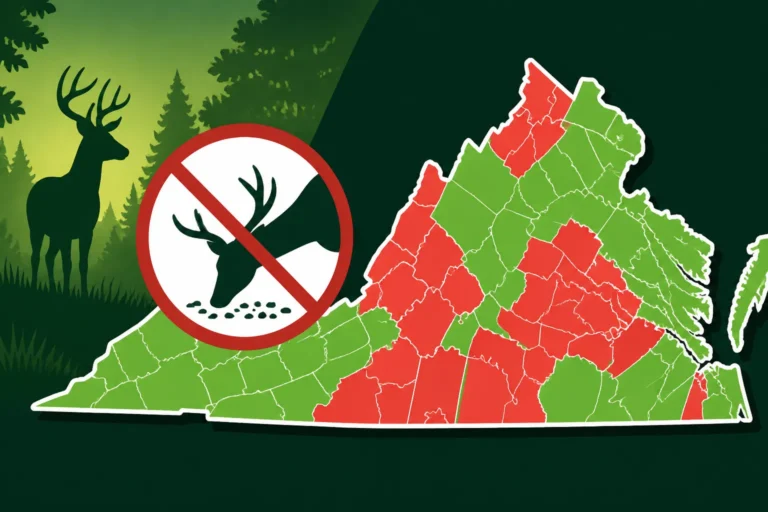
Chronic Wasting Disease (CWD) is a serious concern for Virginia's deer herd, and its presence significantly influences hunting regulations, including those related to antlerless harvest. Virginia has established several Chronic Wasting Disease Management Areas (DMAs), primarily in the Shenandoah Valley and extending into parts of Northern Virginia. If you hunt within one of these DMAs, you need to be aware that special rules often apply, and these can impact your use of bonus antlerless tags. In some CWD zones, the DWR actively encourages increased antlerless harvest as a strategy to help control the spread of the disease by reducing deer densities.
This might mean that bonus antlerless tags are even more critical, or there might be specific requirements or recommendations for their use within these areas. Hunters in DMAs might also be subject to mandatory CWD testing requirements for harvested deer and restrictions on the movement of deer carcasses out of the zone. Always consult the DWR's annual regulations specifically for the county you are hunting in, paying close attention to any CWD-related provisions. Understanding Virginia's Four Chronic Wasting Disease Areas is paramount for any hunter in or near these regions, as compliance is not just about legality but also about protecting the future of our deer herd. A mapping application like GoHunt can be invaluable for identifying DMA boundaries before you even step foot in the woods.
Reporting Requirements for All Harvested Deer
One of the most crucial, and sometimes overlooked, aspects of using bonus antlerless tags is the mandatory reporting of all harvested deer. It doesn't matter if it was your first doe of the season under your general license or your fifth doe using a bonus tag – every single deer you legally take in Virginia must be reported to the DWR within 24 hours of harvest. This isn't just a bureaucratic formality; it's a fundamental component of wildlife management. The data collected from hunter reports provides the DWR with vital information about deer population trends, harvest rates, and herd health across the state. Without this accurate data, management decisions would be based on guesswork, which is detrimental to the resource.
The reporting process is streamlined and user-friendly, primarily through the Go Outdoors Virginia website or the DWR's mobile app. You'll typically need to provide information such as the county of harvest, the date, the sex of the deer, and the method of take. For antlered deer, you'll also report the number of antler points. It’s an easy process that takes just a few minutes, but failing to report a harvested deer is a violation of Virginia law. Make it a habit to report your harvest as soon as possible, ideally before leaving the field, or as soon as you have cell service. This commitment to accurate reporting ensures that the DWR has the best possible information to continue managing Virginia's robust deer population for generations to come.
Virginia Antlerless Tag Summary
To make things a bit clearer, here's a quick overview of how antlerless opportunities generally break down in Virginia, particularly with bonus tags in mind. Remember, specific county regulations and annual DWR updates can always modify these general guidelines, so staying current with the official digest is non-negotiable.
| Category | Eastern Deer Management Region | Western Deer Management Region | Special Antlerless (Bonus) Tags |
|---|---|---|---|
| General Archery | 1 antlerless deer/day, statewide | 1 antlerless deer/day, statewide | Available for purchase, typically for additional harvest. |
| General Muzzleloader | Usually 1 antlerless deer/day | Usually 1 antlerless deer/season (or more restricted) | Available for purchase, often required for more than 1 antlerless deer. |
| General Firearms | Varies by county; often liberal antlerless days or continuous season | Varies by county; often 1 antlerless deer or specific "doe days." | Widely available for purchase in most Eastern counties for additional harvest. Less common/available in Western counties. |
| CWD Zones Impact | Increased emphasis on antlerless harvest, bonus tags encouraged. | Possible increased opportunities, but generally more restrictive. | May be encouraged or have specific rules for use within DMAs. |
| Reporting | Mandatory for ALL harvested deer (general & bonus tags) within 24 hours. | Mandatory for ALL harvested deer (general & bonus tags) within 24 hours. | Mandatory for ALL harvested deer (general & bonus tags) within 24 hours. |
Disclaimer
Please note that hunting regulations, seasons, and bag limits in Virginia are subject to change. While this guide aims to provide accurate and up-to-date information, it is your responsibility to consult the most current Virginia Department of Wildlife Resources (DWR) hunting regulations manual before heading afield. This guide is for informational purposes only and should not be considered legal advice.