Taking Virginia Hunter Education Online
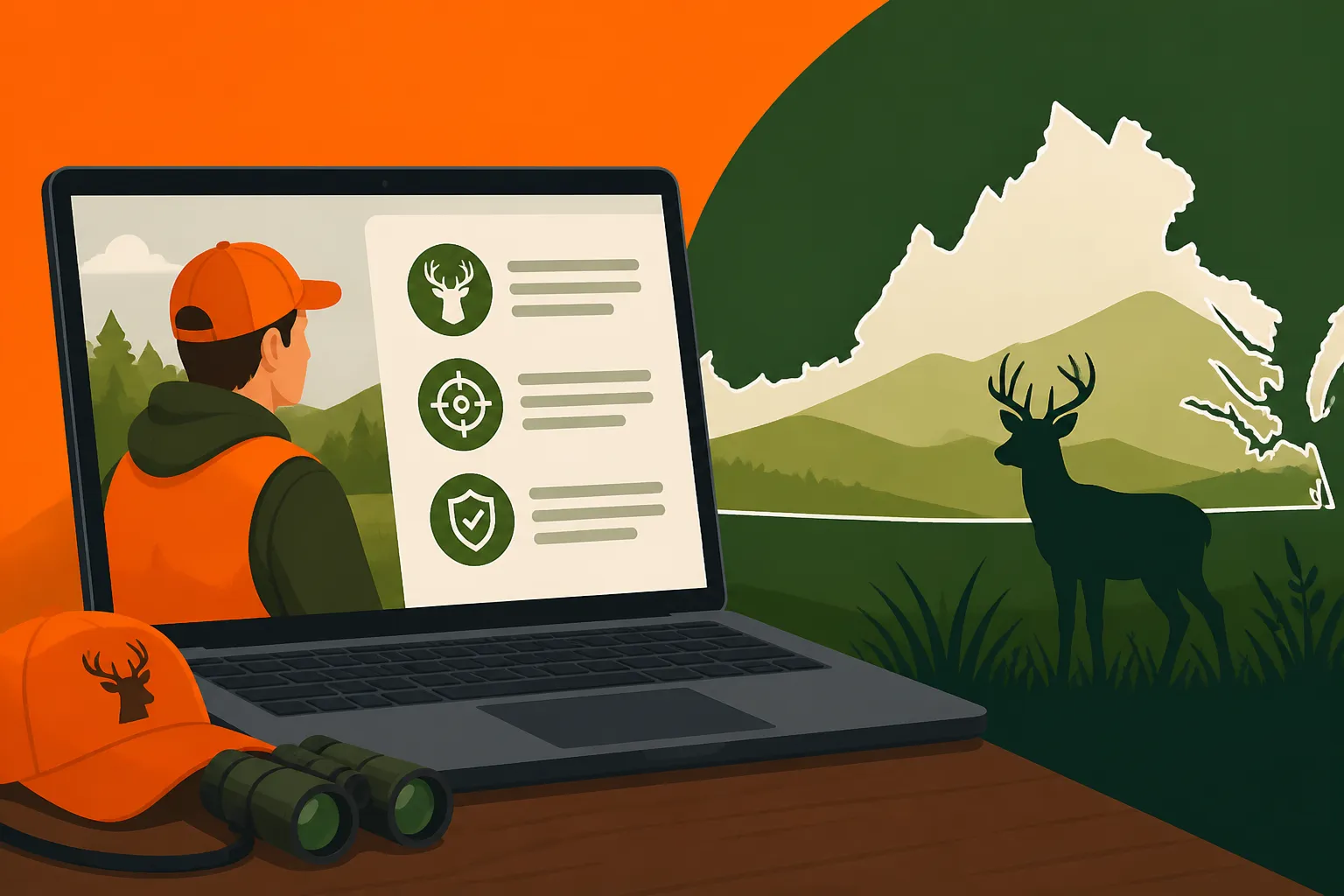
The path to becoming a responsible hunter in Virginia can feel a bit like navigating a winding mountain trail – exciting, but sometimes a little confusing, especially when it comes to the mandatory hunter education requirements. Many new hunters, or even those just looking for a refresher, wonder if they really have to sit in a classroom for hours on end. This comprehensive guide is here to unravel the ins and outs of taking Virginia's hunter education online, helping you understand the requirements, the process, and what you need to do to get certified from the comfort of your home.
Who Needs Hunter Education in Virginia Anyway?
It’s easy to feel like you just want to grab a license and get out there, especially if you’ve grown up around hunting. But Virginia, like almost every state, has specific rules about who needs to complete a hunter education course. These aren’t just hoops to jump through; they’re fundamental to ensuring safety, ethical hunting practices, and the future of our wildlife resources.
Mandatory Requirements and Exemptions
In Virginia, if you’re a first-time hunter and you’re 12 years of age or older, you absolutely must complete a hunter education course before you can purchase your first hunting license. There's no getting around this for most folks. This requirement applies whether you plan to pursue deer, bear, turkey, or small game. The goal is to ensure everyone heading into the field has a baseline understanding of firearm safety, wildlife identification, hunting regulations, and ethical behavior.
However, there are a few important exemptions. For instance, if you were born before January 1, 1974, you are generally exempt from the hunter education requirement. This recognizes that many seasoned hunters from earlier generations learned these skills through experience and mentorship before formal education was widely mandated. Additionally, if you hold a valid hunting license from another state that has an equivalent hunter education program, Virginia typically recognizes that certification.
Another popular pathway for new hunters, especially those who want to get out in the field with an experienced mentor before committing to a full course, is the Virginia Apprentice Hunter License Rules. This special license allows individuals to hunt for a limited time under the direct supervision of a licensed adult hunter, giving them hands-on experience before completing their formal education. It's a fantastic way to introduce someone to hunting and see if it's truly for them, all while maintaining safety under an experienced eye.
Why Even Experienced Hunters Might Benefit
While the mandatory requirement primarily targets new hunters, there’s a strong argument to be made for why even seasoned veterans might benefit from revisiting hunter education, especially through an online format. Think of it as a professional development course for your passion!
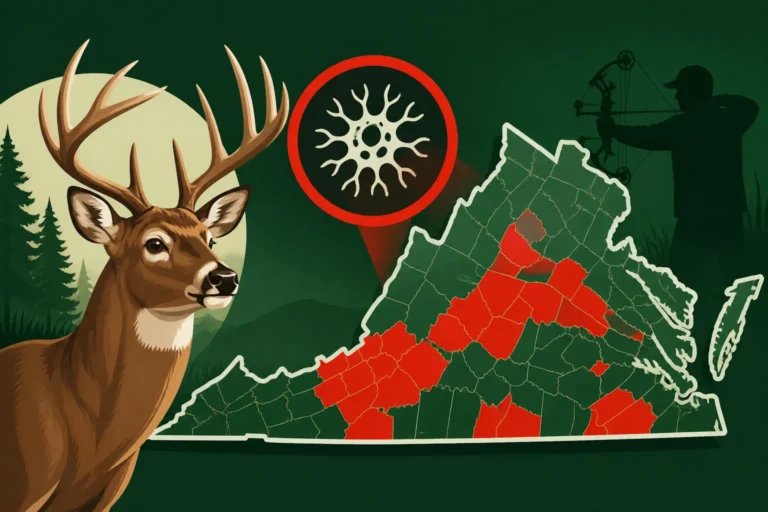
Regulations change, sometimes subtly, sometimes significantly. Virginia's Department of Wildlife Resources (DWR) updates its rulebook annually, and it can be tough to keep up with every single tweak to bag limits, season dates, or specific gear restrictions. For example, understanding nuances like East Versus West of the Blue Ridge Bag Limits or the specific rules within Virginia's Four Chronic Wasting Disease Areas can be crucial, and these courses often highlight such changes. Taking an online course can serve as an excellent refresher, ensuring your knowledge of current laws and ethical practices is sharp.
Beyond regulations, these courses often delve into updated best practices for wildlife management, game recovery, and even first aid in the field. They can spark conversations about the evolving role of hunters in conservation and remind us of the immense responsibility we carry. Plus, the convenience of an online course means you can brush up on topics at your leisure, perhaps during the off-season when you're already dreaming of your next hunt. It’s an investment in staying safe, legal, and truly proficient in the field.
Navigating the Online Hunter Education Options in Virginia
The beauty of modern hunter education is the flexibility it offers. Gone are the days when a weekend classroom session was your only option. Now, you can complete the bulk of your learning online, fitting it around your work, family, and other commitments. But it's important to understand which online courses are approved and how they integrate with the practical, hands-on component.
The Official Virginia DWR Online Course
The Virginia Department of Wildlife Resources (DWR) directly oversees and approves specific online hunter education courses. These are designed to cover all the essential knowledge areas, from firearm safety and handling to ethical hunting practices and game identification specific to Virginia.
Typically, an approved online course will be broken down into several modules, each focusing on a different aspect of hunting safety and responsibility. You’ll find interactive elements, videos, and quizzes throughout to keep you engaged and test your understanding as you go. The pace is entirely up to you; you can usually log in and out as needed, picking up where you left off. This flexibility is a huge advantage for busy individuals.
However, a crucial point for Virginia is that the online portion often serves as the knowledge component, but it doesn't entirely replace the need for practical application. Many online courses require you to complete a separate, in-person "field day" or "skills session" after you've passed the online exam. This field day is where you demonstrate hands-on safety with firearms, practice shooting skills, and learn crucial field techniques like Treestand Setups in George Washington National Forest or proper game recovery. You can often find and schedule these field days through the DWR website once you’ve completed the online theory. This hybrid approach ensures that while you gain the knowledge online, you also develop the critical practical skills under the guidance of certified instructors. After you’re certified, resources like GoHunt can be incredibly useful for scouting new areas and planning your hunts.
Third-Party Providers and Their Offerings
While the DWR offers direct guidance, several DWR-approved third-party providers also offer online hunter education courses that satisfy Virginia’s requirements. These platforms are generally very user-friendly and offer a robust learning experience. Some of the most common and reputable names you might encounter include Hunter-ed.com, Kalkomey, and ILearnToHunt.
These providers usually offer a similar modular structure to the DWR's direct recommendations, covering topics like gun safety, hunting laws, conservation principles, and wildlife identification. They often incorporate high-quality graphics, simulations, and video demonstrations that can make the learning process more engaging. The primary differences between these providers might be in their pricing, the specific interface design, and sometimes the availability of customer support. All DWR-approved courses, regardless of the provider, will culminate in a final online exam. Passing this exam then qualifies you for the mandatory field day, if applicable.
When choosing a third-party provider, the most important thing is to double-check that their course is officially recognized and approved by the Virginia DWR. A quick visit to the DWR website or a direct call can confirm this. Avoid any online course that claims to offer "certification" without a DWR endorsement, as it likely won't be accepted when you go to purchase your license. Once you're certified and ready to explore Virginia's hunting grounds, platforms like GoHunt can become an invaluable tool for researching different Virginia Wildlife Management Areas or understanding the nuances of Hunting the Virginia Piedmont.
The Nitty-Gritty: What to Expect from the Online Course
Deciding to take hunter education online is a smart move for many, but what does the actual learning experience entail? It’s more than just clicking through slides; these courses are designed to be comprehensive and prepare you for real-world hunting scenarios.
Course Content and Structure
Virginia’s online hunter education courses are meticulously structured to cover a broad range of essential topics. You can expect modules that delve deep into:
- Firearm Safety and Handling: This is paramount. You’ll learn the fundamental rules of firearm safety (T.A.B. + L – Treat every firearm as if it’s loaded, Always point the muzzle in a safe direction, Be sure of your target and what’s beyond it, and Keep your finger outside the trigger guard until ready to shoot, plus Load and unload safely), different types of firearms, ammunition components, and safe storage practices.
- Archery Basics: For those interested in Bowhunting Virginia's Statewide Archery Season, these sections cover bow types, arrow selection, safe shooting techniques, and broadhead considerations.
- Hunting Ethics and Responsibility: This goes beyond the law, exploring concepts like fair chase, respect for wildlife, landowners, and other outdoor users. It's about developing a strong moral compass in the field.
- Wildlife Management and Conservation: You'll gain an understanding of how wildlife populations are managed in Virginia, the role of hunters in conservation, and the importance of habitat.
- Game Identification: Learning to distinguish between species, and often between sexes or age classes, is critical for legal and ethical hunting. This is particularly important with varied bag limits like those for Virginia Deer Season Structure Explained.
- Survival Skills and First Aid: What to do if you get lost, how to signal for help, basic first aid for common hunting injuries, and preparing for adverse weather conditions are all covered.
- Virginia Hunting Regulations: A detailed overview of state and local laws, licensing requirements, and reporting procedures like Reporting a Deer Through Virginia's App.
These courses typically incorporate a mix of text, images, videos, and interactive simulations. You might watch a video demonstrating how to safely cross a fence with a firearm, or participate in an interactive quiz identifying different types of ducks. The goal is to make the learning engaging and memorable. While you can typically move at your own pace, there's usually a minimum time requirement, ensuring you're actually absorbing the material and not just rushing to the final exam. This ensures a thorough understanding before you’re certified.
The Field Day Requirement: Bridging the Gap from Screen to Field
One of the most common questions about online hunter education in Virginia is, "Do I still need to go in person?" For many, the answer is yes. Virginia currently operates under a "hybrid" model for hunter education. This means while the knowledge portion can be completed online, a practical, hands-on "field day" or "skills session" is often required to complete your certification.
The field day is absolutely crucial because it takes the theoretical knowledge you've gained online and puts it into practice under the watchful eyes of certified instructors. Imagine trying to learn how to drive a car just by reading a manual; you need time behind the wheel! Similarly, in a field day, you will:
- Practice live-fire exercises: This is where you actually handle and shoot various firearms (rifles, shotguns) on a range, demonstrating safe loading, aiming, and unloading.
- Hands-on safety drills: Instructors will walk you through scenarios like carrying a firearm safely in different terrains, crossing obstacles, and communicating with hunting partners.
- Tree Stand Safety: For many Virginia deer hunters, a tree stand is a common tool. Field days often include practical demonstrations and instruction on safe tree stand use, including the importance of a full-body harness.
- Outdoor Scenarios: You might participate in simulated tracking exercises or learn how to properly cross a creek, understanding the principles of Wind and Thermals on a Blue Ridge Slope.
Finding and scheduling a field day is typically done through the Virginia DWR website. After passing your online course, you'll receive instructions on how to locate available sessions in your area. It's wise to book these well in advance, especially during peak seasons, as spots can fill up quickly. Remember, the online course sets the foundation, but the field day ensures you can apply that knowledge safely and effectively in a real-world hunting environment. Once you’ve got that certification in hand, you can then use resources like GoHunt to scout and plan your actual hunting adventures, exploring new territories and understanding their unique challenges.
After Certification: Getting Your License and Hitting the Woods
Once you've successfully completed both the online modules and the in-person field day (if required), you're almost ready to head afield! The final steps involve receiving your official certification and purchasing the necessary licenses.
Receiving Your Hunter Education Card
After you've passed the online exam and completed any required field day, the DWR or your chosen third-party provider will process your certification. You'll typically receive a temporary certificate immediately, which you can often print out. Your official, permanent Virginia Hunter Education Card will then be mailed to you within a few weeks. This card is your proof of completion and is vital for purchasing a hunting license.
It's absolutely essential to keep this card in a safe place. While digital proof of certification is often accepted, having the physical card can be incredibly convenient, especially if you're ever asked to present it by a game warden in the field. You can also upload a picture of it to your phone, as Carrying Proof of License on Your Phone is increasingly accepted and convenient. Make sure the name on your hunter education card exactly matches the name you use when purchasing your hunting license to avoid any hiccups.
Purchasing Your First Virginia Hunting License
With your hunter education certification in hand, you are now eligible to purchase a Virginia hunting license! This is a big moment, marking your official entry into the hunting community. Virginia offers a variety of license options, depending on your residency status, age, and the types of game you plan to hunt.
Most first-time resident hunters will start with a basic Virginia Resident One-Year License Cost, which covers small game. If you plan to hunt big game like deer, bear, or turkey, you’ll also need to purchase the appropriate Virginia Big Game License Requirements add-on. There are also specific licenses for non-residents, youth, and even lifetime options for those committed to hunting in Virginia for the long haul.
You can purchase your Virginia hunting license in several convenient ways:
- Online: The easiest and most common method is through the Go Outdoors Virginia website. This portal allows you to select your licenses, pay, and print them instantly or have them mailed.
- DWR Offices: You can visit any DWR customer service center during business hours.
- License Agents: Many sporting goods stores, bait shops, and even some convenience stores across the state are authorized license agents.
When you purchase your license, you'll be prompted to provide your hunter education certification number. This is why having your card readily available is so important. Once purchased, you’ll need to carry your license with you whenever you are hunting. Many hunters use a platform like GoHunt to not only explore regulations but also to purchase their licenses directly, making it a one-stop shop for all their hunting needs. With your license and certification complete, you’re now ready to join the ranks of Virginia hunters, uphold ethical practices, and contribute to the rich tradition of conservation in the Commonwealth.
Online Hunter Education Course Comparison for Virginia
Understanding the options available can help you choose the best fit for your learning style and schedule. While all DWR-approved courses cover similar content, there can be differences in format, cost, and field day integration.
| Feature / Provider | Virginia DWR Approved Online Course | Hunter-ed.com (Kalkomey) | ILEARNTOHUNT |
|---|---|---|---|
| Cost (Approx.) | Varies, often free or minimal fee | ~$29.00 – $39.00 | ~$29.95 |
| Format | Modular, interactive, quizzes | Video-rich, simulations | Text, quizzes |
| Field Day Req. | Yes, separate DWR field day | Yes, separate DWR field day | Yes, separate DWR field day |
| Pacing | Self-paced, typically ~6-8 hours | Self-paced, ~6-8 hours | Self-paced, ~6-8 hours |
| Key Advantage | Direct DWR resource, potentially free | Highly interactive, popular | Straightforward, efficient |
| Certification | DWR recognized | DWR recognized | DWR recognized |
Note: Costs are approximate and subject to change. Always verify current pricing and field day requirements directly with the Virginia DWR or the respective course provider.
Disclaimer
The information provided in this guide is for general informational purposes only and does not constitute legal advice. Hunting regulations and requirements can change. Always consult the official Virginia Department of Wildlife Resources (DWR) website and current hunting regulations manual before planning or engaging in any hunting activities.