Virginia Deer Reporting Requirements
You've been out there, put in your time, and finally, your persistence paid off – you've harvested a deer in Virginia! That rush of accomplishment is fantastic, but hold on a minute, because the hunt isn't truly over until you’ve reported your harvest to the Virginia Department of Wildlife Resources (DWR). I know, it can feel like just another piece of red tape, a bureaucratic hurdle to jump through after a long day afield. But believe me, navigating Virginia’s deer reporting requirements correctly is crucial, not just for you, but for the health of our deer herds and the future of hunting in our beautiful state. This guide is here to walk you through every step, answer your burning questions, and help you understand exactly why your report makes such a difference.
Why Deer Reporting is So Important
It's easy to look at deer reporting as just another chore after a long day in the woods. You're tired, the deer needs to be processed, and filling out forms or navigating an app might be the last thing on your mind. But trust me, as someone who's been hunting Virginia's diverse landscapes for years, this step is anything but trivial. It’s the backbone of how the Virginia Department of Wildlife Resources (DWR) keeps our deer population healthy, balanced, and sustainable for generations to come. Without accurate reporting, the DWR would be flying blind, and that would quickly lead to problems for both deer and hunters.
Population Management and Bag Limits
Think about it: how else would the DWR know how many deer are being harvested each year? Each reported deer contributes a vital data point that helps wildlife biologists understand population trends across the state. They look at overall harvest numbers, the ratio of bucks to does, and even the age structure of the deer being taken. This information is crucial for setting future season dates, determining bag limits for different regions, and implementing specific management strategies, like those seen in areas with high deer densities or where Virginia Deer Season Structure Explained might require antlerless harvest incentives.
For instance, if reports show a consistent decline in harvest numbers in a particular county, the DWR might consider adjusting bag limits or season lengths to allow the population to rebound. Conversely, if a region is experiencing overpopulation, leading to increased crop damage or deer-vehicle collisions, higher antlerless bag limits could be put in place to help thin the herd. Your simple act of reporting directly influences these decisions, ensuring that we continue to have robust and healthy deer populations throughout areas like the Piedmont and the mountains. It's a collective effort, and every hunter's contribution counts towards this larger ecological balance.
Disease Monitoring and Public Health
Beyond just population numbers, deer reporting plays an absolutely critical role in disease monitoring. With concerns like Chronic Wasting Disease (CWD) on the rise, knowing where and when deer are harvested allows DWR to track the spread of such illnesses. When you report a deer, especially if you're hunting in or near one of Virginia's Four Chronic Wasting Disease Areas, that location information can be invaluable. If a hunter takes a deer that later tests positive for CWD, the DWR can use the reporting data to pinpoint the general area of the harvest and intensify surveillance efforts.
This isn't just about deer health; it's about public health and the sustainability of our hunting heritage. The DWR uses this data to inform hunters about safe handling practices, carcass movement restrictions, and mandatory testing requirements in affected zones. Imagine if hunters didn't report their deer—it would create massive blind spots, allowing diseases to spread undetected and potentially jeopardize the entire deer herd and the future of hunting in Virginia. Your report, along with others, forms a critical early warning system, protecting both wildlife and the broader community.
The Nitty-Gritty of Virginia's Deer Reporting Process
Alright, so we've established why reporting is important. Now let's dive into the how. The good news is that the Virginia Department of Wildlife Resources (DWR) has streamlined the process significantly over the years, primarily leveraging technology to make it more convenient. Gone are the days of needing to find a physical check station in the middle of nowhere, though I know some of us veteran hunters still miss the camaraderie of those spots! Today, you have a few primary options, and it’s critical to choose the one that works best for you and follow the steps carefully. The most important thing to remember is the deadline: all deer must be reported within 24 hours of harvest. No excuses, no exceptions.
Reporting via the Go Outdoors Virginia App
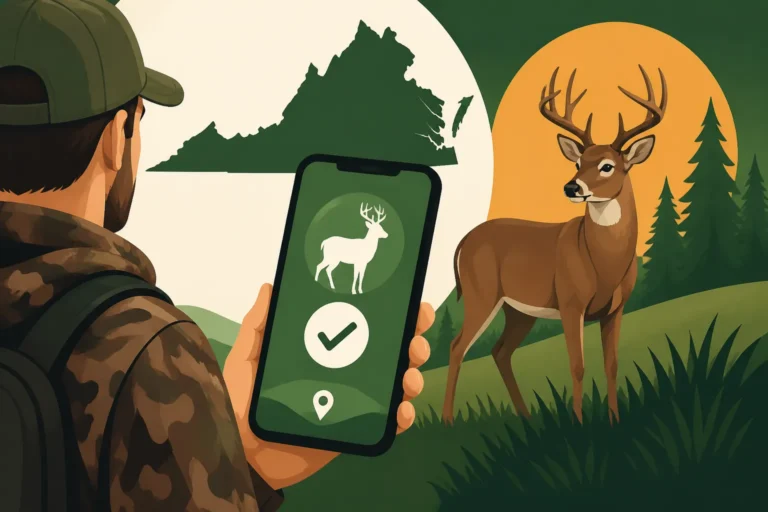
For many modern hunters, the Go Outdoors Virginia app is the easiest and most preferred method for reporting a deer. It's designed to be user-friendly, allowing you to report your harvest right from your phone, often while you're still in the field (assuming you have service, of course!). I’ve personally used it countless times, even when hunting the remote sections of the Jefferson National Forest, and it truly makes the process quick. The app is available for both iOS and Android devices, and it’s generally quite intuitive once you've set up your DWR account.
To report, you'll open the app, log in, and navigate to the harvest reporting section. You'll need to enter details like the date and time of harvest, the county where the deer was taken, the sex of the deer (buck or doe), and whether it was antlered or antlerless. For bucks, you'll also need to specify the number of antler points on each side. The app will then generate a unique confirmation number, which you must write down or screenshot. This confirmation number is your proof of reporting, and it acts as your "check tag" for transporting the deer. This feature is a game-changer, especially compared to the old paper tag system. Many hunters also find platforms like GoHunt invaluable for planning hunts and then seamlessly linking to the DWR app for reporting when the time comes.
Reporting Online Through the DWR Website
If you're not a smartphone person, or if you find yourself in an area with spotty cell service, reporting online through the official Virginia DWR website is another excellent option. This method provides the exact same functionality as the app, just through your web browser. It's a reliable backup plan, especially if you get home and realize your phone battery died or you prefer the larger screen of a computer. Just head to the DWR website, look for the "Harvest Reporting" link, and log in with your DWR customer ID.
The online portal will guide you through the same questions as the app: date, time, county, sex, antler status, and antler points if applicable. Once submitted, you'll receive that crucial confirmation number. Print it out or save it digitally, as this is your legal documentation. I always recommend having a plan B for reporting, especially if you're hunting in areas where connectivity is unpredictable. This could mean waiting until you get back to camp or home where you have reliable internet access. Just remember that 24-hour window!
Reporting by Phone: The Old-School Method
While less common now with the prevalence of digital tools, you can still report your deer harvest by phone in Virginia. This option is particularly useful if you're somewhere without internet access and your phone is strictly for calls, or if you simply prefer talking to a human. The DWR provides a dedicated toll-free number for harvest reporting: 1-866-GOT-GAME (1-866-468-4263).
When you call, an automated system will guide you through the process, asking for the same information required by the app and website. You'll need your DWR customer ID handy, and it’s a good idea to have a pen and paper ready to jot down the confirmation number at the end of the call. While it might take a little longer than using the app, it's a solid, reliable method, especially for those who appreciate a more traditional approach. No matter which method you choose, the consistency in the information requested ensures that all harvest data is collected uniformly, contributing to better wildlife management across the state.
Specific Scenarios and Common Reporting Challenges
Even with the streamlined reporting options, there are always unique situations that can throw a wrench into the process. Hunters often face questions about specific deadlines, special zones, or how youth hunts factor into the equation. It's these nuanced scenarios that can lead to confusion and, sometimes, accidental non-compliance. Let's dig into some of these common challenges and how to navigate them effectively, ensuring you stay within the bounds of Virginia's hunting regulations.
Late-Season Reporting and Deadline Pressures
The 24-hour reporting deadline is firm, but it can feel particularly challenging during late-season hunts. Imagine you're out on a cold December evening, having just connected with a buck right before last light. By the time you track it, field dress it, and haul it back to the truck, it could be well into the night. Then you have a long drive home, perhaps in a rural area with no cell service. It's easy for that 24-hour clock to tick away faster than you anticipate. This is where planning ahead becomes crucial.
If you're hunting deep in a remote area, like parts of the George Washington National Forest, and anticipate a late recovery, plan to drive to an area with service or wait until you get home to report. But remember that clock is ticking! It's never an excuse to simply not report because you ran out of time. If you realize you're cutting it close, prioritize reporting before you start the quartering or butchering process, especially if it’s a long drive. Some hunters even keep a printed copy of their DWR customer ID in their hunting pack for quick reference if using the phone system. The DWR takes this deadline seriously, as timely data is paramount for their management efforts.
Harvesting in CWD Zones
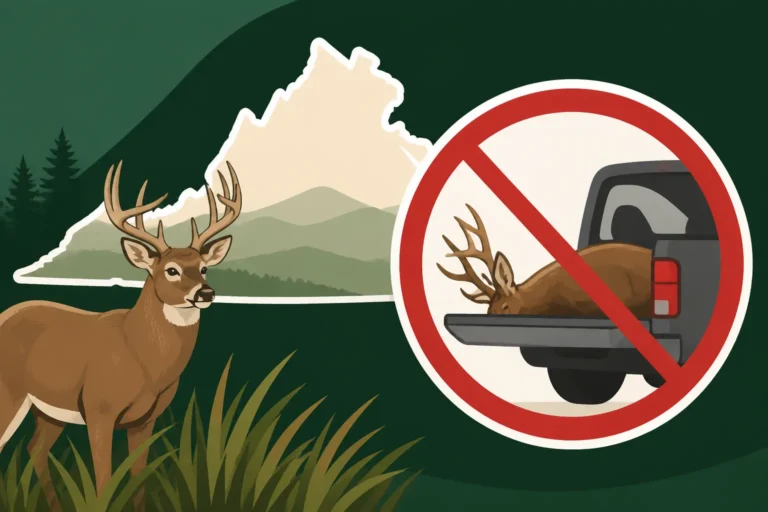
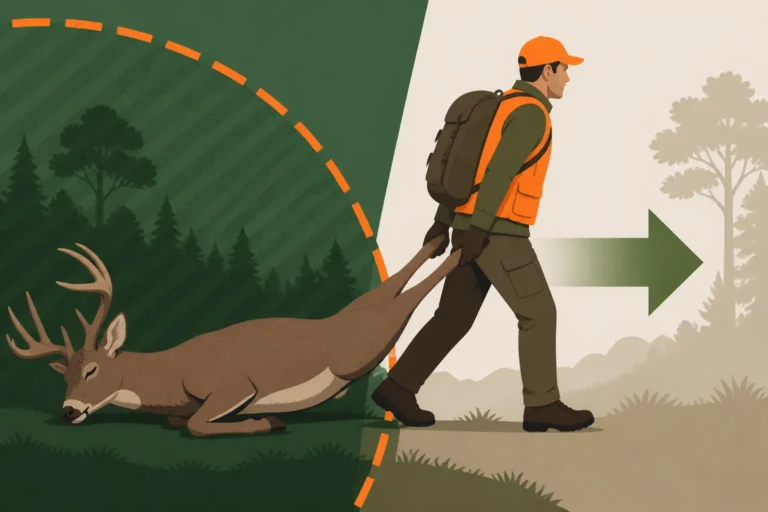
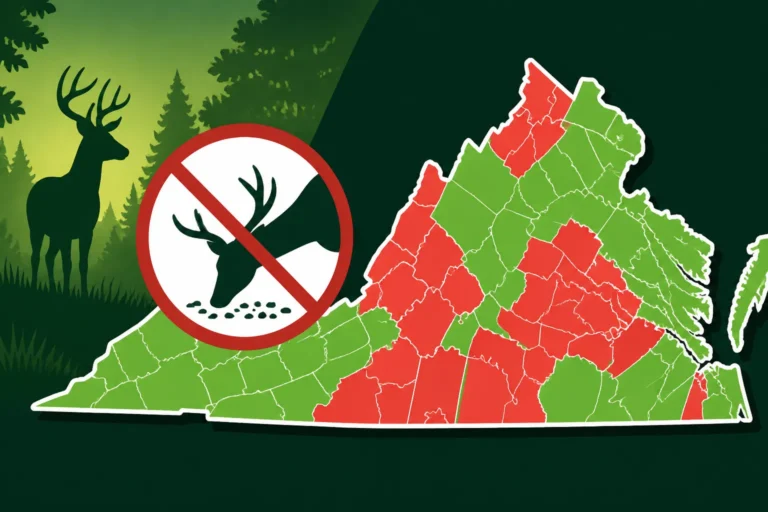
Hunting in one of Virginia’s Chronic Wasting Disease (CWD) Management Areas (DMAs) adds an extra layer of responsibility to your reporting duties. Currently, Virginia has multiple DMAs, including a significant one in the Shenandoah Valley (DMA1), which encompasses counties like Frederick, Clarke, Shenandoah, and Warren. If you harvest a deer in one of Virginia's Eighteen CWD Counties, the DWR has specific requirements not just for reporting, but often for mandatory testing and carcass movement restrictions. These rules are crucial for monitoring and containing the spread of CWD.
When you report a deer harvested in a DMA, the DWR system will automatically recognize the county and may prompt you with additional instructions. For instance, in DMA1, all deer harvested during the first two days of the general firearms season (and specific dates during early archery and muzzleloader) must be brought to a DWR CWD sampling station for testing. Even outside those mandatory testing periods, voluntary testing is highly encouraged. This means your reporting location is vital. You'll still use the app, website, or phone, but be prepared for extra steps or information specific to those areas. Always check the current DWR regulations for the specific DMA you plan to hunt before heading out, as these rules can change from year to year.
Youth and Apprentice Hunts
Virginia's Youth and Apprentice Weekend and other special youth hunts are fantastic opportunities to introduce the next generation to hunting, but they also have specific reporting nuances. While the young hunter might be pulling the trigger, the responsibility for reporting typically falls on the supervising adult. The rules for Virginia Youth Deer Weekend Rules state that any deer harvested by a youth hunter during these special seasons must be reported just like any other deer, within 24 hours.
The key difference here is ensuring the deer is reported under the youth hunter's DWR customer ID, not the adult's. This ensures that the harvest data accurately reflects youth participation and helps DWR track the effectiveness of these special seasons. It's a small detail that can sometimes be overlooked in the excitement of a young hunter's first deer. Always double-check whose license number you're entering into the app or online portal. This helps keep our data clean and ensures that youth hunting programs continue to be supported by accurate information.
Understanding the Data: How Your Report Helps DWR
It's easy to feel like your single deer report is just a drop in the ocean, a tiny piece of data that gets swallowed up by a vast governmental system. But believe me, that drop is essential. Every single report contributes to a massive dataset that the Virginia Department of Wildlife Resources (DWR) meticulously analyzes. This isn't just about crunching numbers; it's about painting a comprehensive picture of Virginia's deer population, which then directly informs the management decisions that impact our hunting experiences for years to come. Think of yourself as a citizen scientist, providing crucial field observations that shape conservation efforts.
Tracking Regional Deer Trends
Your reported deer helps DWR track regional deer trends with remarkable precision. By aggregating thousands of harvest reports, biologists can identify areas where deer populations are thriving, stagnant, or declining. They look at variables like total harvest numbers per county, success rates during specific seasons, and changes in the buck-to-doe ratio. For instance, if data shows an increasing number of antlerless deer harvested in a particular area of the Piedmont, it might indicate a healthy, growing doe population that can sustain continued antlerless harvest. Conversely, a drop in buck harvest in the Western region might trigger a deeper look into habitat changes or hunting pressure.
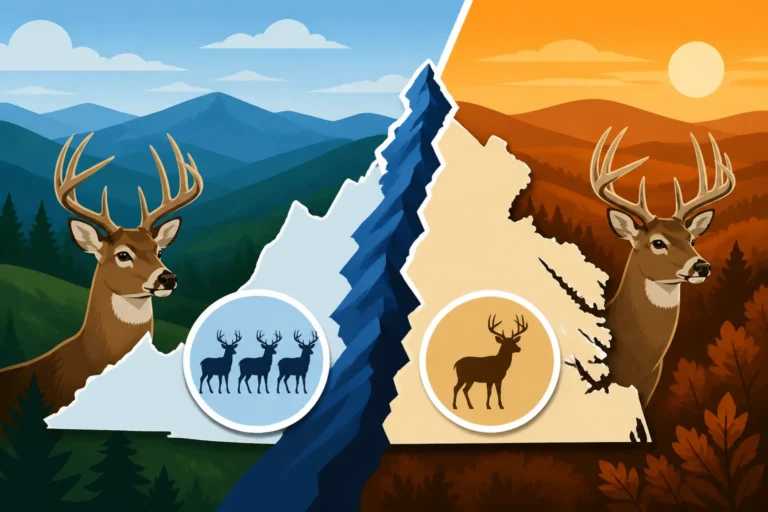
This granular data allows the DWR to manage deer at a local level, rather than just a statewide one. This is why bag limits and season dates can vary significantly between the Eastern and Western regions of the state, or even between specific counties. Your report, combined with thousands of others, creates a "census" of sorts, providing the DWR with the evidence they need to make informed, data-driven decisions about the health and sustainability of local deer herds. The more accurate the data, the better the management outcomes for everyone who enjoys Virginia's outdoors.
Informing Future Season Structures
Perhaps one of the most direct impacts of your deer reporting is how it informs future season structures. Every year, DWR biologists and policymakers review the previous year's harvest data, population surveys, and public input to refine the hunting regulations. If the data suggests that antlerless harvest is insufficient to control a burgeoning population in a specific zone, they might extend How Virginia's Season Runs Urban Archery to January or increase daily bag limits for does. On the other hand, if trophy buck quality is declining, they might explore antler point restrictions in certain counties, like those debated in some parts of the state to help Why the Piedmont Grows Big Bucks.
Consider the careful balance required for Virginia Deer Season Structure Explained. That structure isn't pulled out of thin air; it's the result of continuous analysis of historical and current harvest data. Your input, through your report, is a direct contribution to that annual evaluation. It's a clear demonstration of how responsible hunting practices, including timely and accurate reporting, are foundational to adaptive wildlife management. Companies like GoHunt, which provide tools for hunters to better understand these regulations and identify prime hunting areas, often rely on publicly available DWR data that you help create.
Resource Allocation and Management Decisions
Finally, the data you provide influences how DWR allocates its resources for conservation and enforcement. If harvest reports indicate high hunting pressure or a need for improved habitat in certain Wildlife Management Areas (WMAs), the DWR can prioritize funding and personnel for those areas. For example, consistent reports of high deer harvest in an area might lead to increased DWR presence for monitoring or better trail maintenance to improve hunter access.
Conversely, if there's a significant outbreak of EHD (Epizootic Hemorrhagic Disease) in a particular region, identified through hunter reports of sick or dead deer, the DWR can focus resources on surveillance, public outreach, and disease management efforts in that specific locale. Every piece of information helps them deploy their limited resources most effectively, whether it's for habitat improvements, managing Virginia's Black Bear Population, or enforcing hunting regulations. It’s a closed-loop system: hunters report, DWR analyzes, and then DWR implements changes that benefit hunters and wildlife alike.
Avoiding Common Reporting Mistakes and Penalties
Let's be frank: making a mistake on your deer report can happen, especially when you're tired, cold, and excited after a successful hunt. But these mistakes, whether accidental or intentional, can have consequences. The Virginia DWR takes harvest reporting seriously, not to be punitive, but because the accuracy of the data is so crucial for effective wildlife management. Understanding the pitfalls and ensuring meticulous reporting will save you headaches and help maintain the integrity of the state's hunting data.
Misidentifying Deer Sex or Antler Status
One of the most common mistakes I've seen hunters make is misidentifying the sex or antler status of their harvested deer. It might seem like a simple thing, but sometimes, particularly with young deer or in low light, it can be tricky. A button buck, for example, can easily be mistaken for an antlerless doe, especially if you're processing quickly. Similarly, a spike buck might only have tiny antlers that are barely visible. Virginia’s rules for Eastern Region Antlered Buck Limits and Western Region Antlered Buck Limits are very specific, and mistaking a button buck for a doe can lead to an illegal harvest if you’ve already filled your buck tags.
When reporting, it's absolutely vital to be certain of what you've harvested. Take a moment to thoroughly examine the deer before you report. If it's a button buck, look for those small, hair-covered antler nubs. For antlered deer, accurately count the points on each side. Remember, an antler point must be at least one inch long to count. If you accidentally report a doe as a buck, or vice-versa, and it comes to light, you could face fines or even loss of hunting privileges. It's always better to take an extra minute for verification than to rush and make a costly error.
Forgetting to Report Entirely
While misidentification is a common error, the most significant and often penalized mistake is simply forgetting to report a deer entirely. The 24-hour deadline isn't a suggestion; it's a legal requirement. Life happens, I know. You might have an emergency, lose cell service, or just be utterly exhausted and forget. But in the eyes of the law, "I forgot" isn't a valid defense. Failure to report a deer is a direct violation of Virginia hunting regulations and can carry serious consequences.
Imagine you're driving home from a great hunt, deer in the truck, and get pulled over for a routine check. If you haven't reported that deer within 24 hours and can't provide a confirmation number, you're in violation. This isn't just a slap on the wrist. It could result in significant fines, potential revocation of your hunting license, and even seizure of the harvested animal. It's a harsh reality, but it underscores the importance of making that report a top priority immediately after the harvest. Set a reminder on your phone, write it on your hand, or make it part of your routine—just don't forget. Many experienced hunters use tools like those offered by GoHunt to help keep track of their season progress and reporting deadlines, which can be a real lifesaver.
Consequences of Non-Compliance
The penalties for failing to report a deer or making a false report can range from a warning (rare for significant offenses) to substantial fines and loss of hunting privileges for a period of years. The specific penalty will depend on the severity of the violation, any prior offenses, and the discretion of the court. For instance, an intentional false report, such as reporting an illegally harvested deer, could lead to more severe charges than a simple oversight.
Beyond the legal ramifications, there's also the ethical component. Every unreported deer is a missing piece of data that compromises the DWR's ability to accurately manage the herd. It impacts population estimates, disease surveillance, and the overall sustainability of hunting in Virginia. Responsible hunters understand that complying with reporting requirements is part of our commitment to conservation and ensuring that our traditions can continue. Make it a point to understand the Virginia Wildlife Violation Penalties and commit to being a compliant and ethical hunter. Your actions reflect on the entire hunting community.
Staying Up-to-Date with Virginia DWR Changes
The world of wildlife management isn't static. Regulations, season dates, and even reporting requirements can and do change from year to year based on current data, emerging challenges like CWD, and shifts in deer populations. What was true last season might have a minor tweak this season, or even a major overhaul. As hunters, it's our personal responsibility to stay informed. Relying on outdated information or hearsay from a buddy can quickly lead you astray and potentially into a violation.
Checking Official DWR Resources Regularly
The most reliable source for up-to-date information is always the Virginia Department of Wildlife Resources (DWR) itself. Before any hunting season, make it a habit to visit the official DWR website. Don't just skim the headlines; dig into the specific regulations for deer hunting, especially for your particular county and the methods you plan to use (archery, muzzleloader, firearms). Pay close attention to any changes regarding CWD zones, special youth hunts, or revised bag limits. The DWR publishes its annual hunting and trapping regulations digest, which is available both online as a PDF and often in print at license agents.
I can't stress this enough: always consult the current year's regulations. Don't assume anything. I've heard too many stories of hunters getting caught off guard by a small but significant change to a season segment or a new CWD testing requirement. A quick check of the DWR website or downloading the latest digest is a small investment of time that can save you a world of trouble. This diligence is also vital for understanding nuanced rules like Crossbow Rules During Virginia Archery Season or when specific segments of Virginia's General Firearms Deer Season might open or close in your hunting area.
Subscribing to DWR Updates
Beyond actively seeking out the regulations, a proactive way to stay informed is by subscribing to DWR's official communication channels. The DWR often sends out email newsletters and alerts when significant changes are made to regulations, when new CWD cases are confirmed, or when important seasons are approaching. This is an effortless way to have critical updates delivered directly to your inbox.
You can usually find a signup link for these newsletters on the DWR website. Following their official social media channels (like Facebook or X, formerly Twitter) can also be beneficial, as they often post timely reminders and important announcements. While social media shouldn't be your sole source of truth, it can serve as a great prompt to go check the official regulations for more detail. Companies like GoHunt, which aim to provide comprehensive hunting information, also often curate and highlight DWR updates, but always cross-reference with the official DWR channels to ensure you have the most direct and accurate information. By staying connected, you're not just protecting yourself from potential violations; you're also staying engaged with the broader conservation efforts in Virginia.
Virginia Deer Reporting Methods Summary
| Reporting Method | Pros | Cons | Requirements & Notes |
|---|---|---|---|
| Go Outdoors VA App | Convenient, quick, in-field reporting (with service). Generates confirmation number. | Requires smartphone and cell/data service. Can drain phone battery. | DWR Customer ID, accurate harvest details. Screenshot/record confirmation number. |
| DWR Website Online | Accessible from any internet-connected device. Reliable backup to app. | Requires internet access. Not ideal for in-field reporting. | DWR Customer ID, accurate harvest details. Print or save confirmation number. |
| Phone (1-866-GOT-GAME) | Does not require internet or smartphone app. Good for rural areas. | Can be slower than digital methods. Requires pen/paper for confirmation number. | DWR Customer ID, accurate harvest details. Listen carefully for and record confirmation number. |
| Overall Deadline | 24 hours from time of harvest | Failure to meet deadline can result in fines and loss of privileges. | This deadline applies to ALL methods. |
| CWD Zones | DWR system prompts for additional CWD-specific info/actions. | May require mandatory physical testing or restrict carcass movement. | Always check specific DMA regulations before hunting. |
Disclaimer
Please remember that hunting regulations can change. Always consult the official Virginia Department of Wildlife Resources (DWR) website and the current Hunting & Trapping Regulations Digest for the most up-to-date and complete information before heading afield. This guide provides general information and should not be considered a substitute for official DWR resources.