Chronic Wasting Disease Risk in Virginia
It's an unsettling feeling for any deer hunter in Virginia: the creeping worry about Chronic Wasting Disease (CWD). You spend countless hours scouting, prepping your gear, and finally, harvesting a magnificent animal, only to be hit with the thought, "Could this deer be sick?" This guide will help you understand CWD, its presence in Virginia, what DWR is doing, and most importantly, your vital role in protecting our cherished deer herd and hunting heritage.
Understanding Chronic Wasting Disease CWD – The Basics
CWD isn't just another deer ailment; it's a unique and persistent threat that has changed deer management across North America, including right here in Virginia. For hunters, it's crucial to grasp what we're up against to effectively participate in the solution.
What CWD Is and How It Spreads
CWD is a fatal, neurological disease that affects cervids – white-tailed deer, mule deer, elk, and moose. It's caused by an abnormal protein called a prion, not a bacteria or a virus, which makes it incredibly difficult to eliminate. When these misfolded prions accumulate in the brain and nervous system, they cause spongiform changes, leading to neurological dysfunction. Imagine your deer's brain slowly turning into a sponge; that's the devastating effect of CWD.
The disease manifests in several ways that slowly degrade the animal's health and behavior. Affected deer will gradually lose body condition, becoming emaciated despite eating. They might exhibit abnormal behaviors like staggering, drooling, increased thirst, and a general lack of fear of humans. The tragic part is that it's always fatal, with no known treatment or cure once symptoms appear.
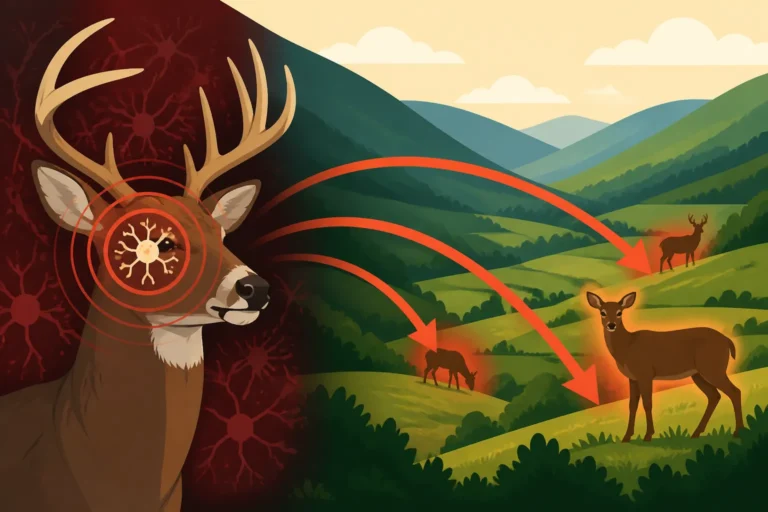
One of the most concerning aspects of CWD is how it spreads and how persistent it is in the environment. Transmission can occur through direct animal-to-animal contact, where an infected deer sheds prions through saliva, urine, or feces, contaminating the environment. Even more troubling, these prions can persist in soil, water, and plants for years, even decades, becoming a source of infection for healthy deer long after an infected animal is gone. This environmental persistence makes CWD incredibly challenging to eradicate, turning certain areas into long-term hotbeds of infection. It's also believed that mother deer can transmit the disease to their fawns, ensuring generational spread.
Symptoms and Detection in Wild Deer
Catching CWD early in a wild deer is incredibly difficult, which is one of the biggest frustrations for hunters and wildlife managers alike. The clinical signs of CWD—such as severe weight loss, lethargy, drooling, a vacant stare, and an abnormal gait—typically only become apparent in the very late stages of the disease. By the time a deer looks visibly sick, it's usually been shedding infectious prions into the environment for a considerable period.
Many of these late-stage symptoms can easily be mistaken for other common ailments or even starvation. A deer that looks skinny and listless could be suffering from EHD (Epizootic Hemorrhagic Disease), internal parasites, or simply be a very old animal struggling to forage in harsh conditions. This overlap in symptoms is why visual observation alone isn't a reliable way to diagnose CWD in the field, making the disease a stealthy threat that often goes unnoticed until it's well-established.
Because visual diagnosis is so unreliable, definitive detection of CWD relies almost entirely on post-mortem laboratory testing. This involves taking samples of lymph node tissue from behind the throat or brainstem tissue from the deer's skull. Most of these samples come from harvested deer, which is why hunter participation in CWD surveillance is absolutely critical. Without hunters bringing in their deer for testing, wildlife agencies like the Virginia Department of Wildlife Resources (DWR) would have a much harder time accurately mapping the disease's spread and prevalence.
CWD's Arrival and Spread in Virginia
For years, Virginia hunters watched with trepidation as CWD spread through neighboring states. We knew it was a matter of when, not if, it would arrive on our doorstep. The day it did, it sent ripples of concern through the entire hunting community.
The First Confirmed Cases and Initial Response
Virginia's first confirmed case of CWD hit in 2009, in a deer harvested in Frederick County, which is located in the northern part of the Shenandoah Valley. This was a significant and sobering moment for the Virginia Department of Wildlife Resources (DWR) and hunters across the state. It confirmed that the threat was no longer theoretical; it was here, on our home turf. The initial discovery immediately triggered a series of rapid and decisive actions by the DWR, knowing that swift containment was the best hope.
The DWR's immediate response was comprehensive. They quickly established a CWD Containment Area (later renamed a Disease Management Area, or DMA) around the affected region. This involved increasing surveillance efforts dramatically, urging hunters to voluntarily submit deer for testing, and launching an intense public outreach campaign to educate hunters and landowners about the disease and the new regulations. The goal was to understand the extent of the infection and implement measures to slow its spread, using every available resource and method.
The detection of CWD in Virginia was a game-changer for deer management. It meant shifting from purely managing deer populations for sport and ecological balance to actively combating a disease that could potentially devastate the herd. The stakes were incredibly high, not just for the health of the deer, but for the future of Virginia's rich hunting traditions. It forced everyone involved to think differently about how we interact with wildlife and manage our natural resources, emphasizing collaboration between the agency and the hunting public.
Tracking the Expansion – Virginia's CWD Footprint
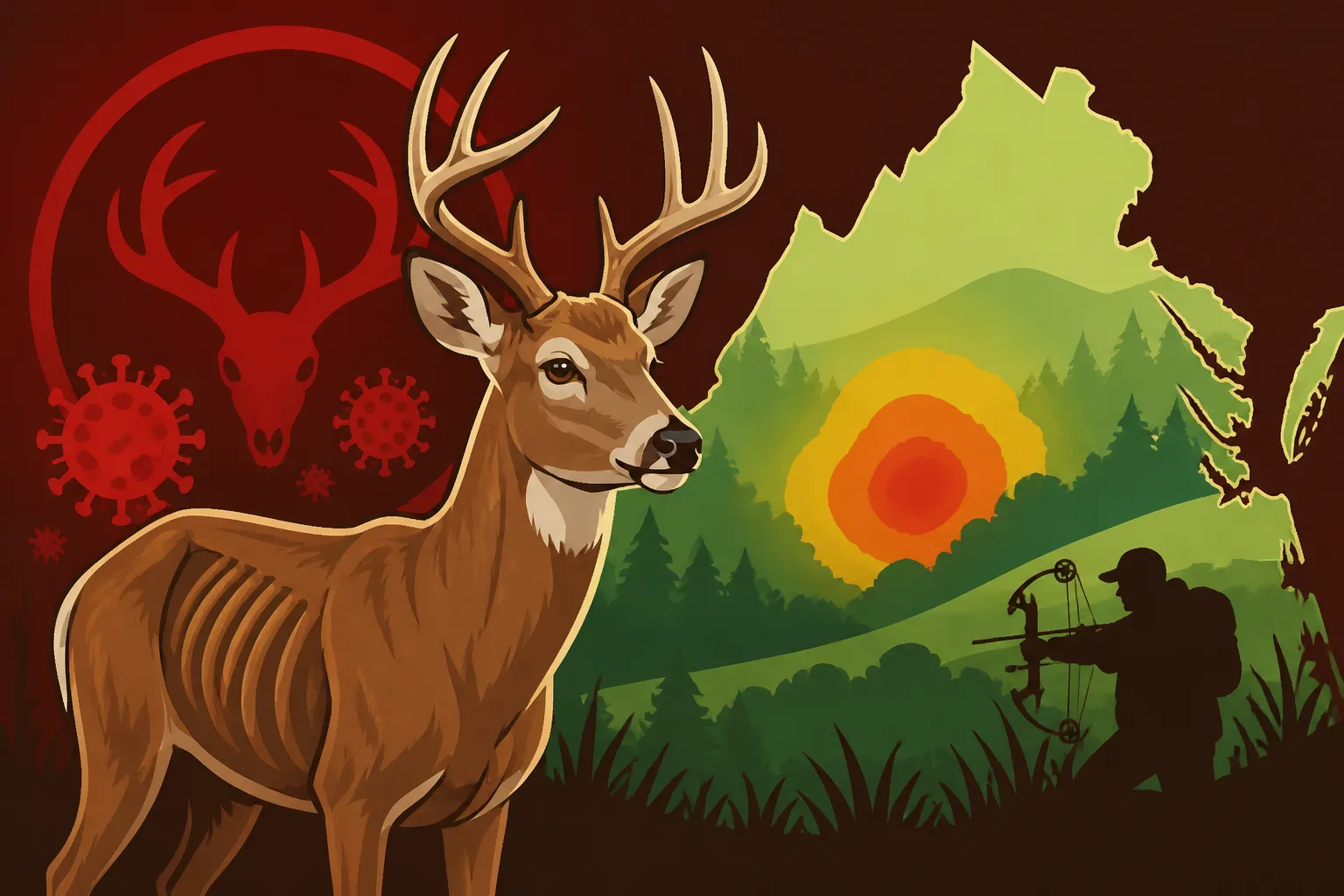
Since that first detection in Frederick County, CWD has, unfortunately, continued to spread, albeit slowly, across parts of Virginia. The disease's footprint has primarily expanded within the initial CWD-affected regions, particularly the northern Shenandoah Valley. However, new cases have popped up in other areas, sometimes due to natural deer movement and other times possibly due to inadvertent human-assisted transport of infected carcasses or parts. Understanding Virginia's Eighteen-County CWD Footprint is essential for any hunter operating in these areas.
Today, the core of Virginia's CWD prevalence remains concentrated in what is now known as Disease Management Area 1 (DMA1), encompassing counties like Frederick, Clarke, Shenandoah, Warren, and parts of Fauquier and Loudoun. This region consistently reports the highest number of positive cases each year. However, the DWR has also established other DMAs, such as DMA2, which includes counties like Rockingham, and DMA3 and DMA4 in Southwest Virginia, indicating that the disease is a statewide concern, even if some areas are currently more affected than others.
Several factors contribute to the spread and concentration of CWD in specific areas. High deer densities can accelerate transmission, as can habitat features that cause deer to congregate. The persistent nature of prions in the environment means that once an area is infected, it's incredibly difficult to clear. Additionally, hunter behavior, such as unknowingly moving infected deer carcasses outside of a DMA, can facilitate new outbreaks. The DWR continuously analyzes data from mandatory and voluntary testing to track this spread and adjust management strategies, allowing hunters to easily find Where to Get a Virginia Public Land Map to stay informed on current zones.
Virginia's Chronic Wasting Disease Management Areas DMAs
If you hunt in Virginia, especially in the western and northern parts of the state, understanding Disease Management Areas (DMAs) isn't just a suggestion—it's absolutely critical for compliance and for doing your part to manage CWD. These zones are the DWR's primary tool for containing and slowing the disease's spread.
Understanding the DMA System
Virginia's Disease Management Area (DMA) system is a set of geographically defined zones where specific, often stricter, hunting regulations are implemented to address the threat of CWD. The primary purpose of these DMAs is straightforward: to slow the transmission of the disease to uninfected areas and, where possible, reduce its prevalence within established zones. It's a proactive and reactive measure, adapting as the DWR learns more about CWD's spread and impact.
Currently, Virginia has multiple DMAs, each established based on the proximity and density of CWD-positive deer. DMA1, for instance, in the northern Shenandoah Valley, represents the area with the longest history and highest prevalence of CWD. DMA2, centered around Rockingham County, was established as CWD cases began appearing there. More recently, DMA3 and DMA4 have been created in southwestern Virginia to address new, isolated detections. These various DMAs reflect the DWR's strategic approach to tailor regulations to the specific risk level of each region, making sure responses are proportional and effective.
The regulations within a DMA typically include measures designed to limit opportunities for CWD spread. These often involve restrictions on the movement of certain deer carcass parts, mandatory CWD testing requirements during specific periods, and feeding and baiting bans. These rules are not arbitrary; they are based on scientific understanding of how CWD prions behave and transmit. For hunters, this means a certain level of adaptation is required. It's about taking on a shared responsibility to protect our state's deer herd, even if it means altering long-standing hunting practices.
Key Regulations and Hunter Responsibilities in DMAs
The most critical regulation for hunters operating within any Virginia DMA revolves around the movement of deer carcasses. To prevent the accidental spread of CWD prions to uninfected areas, hunters are generally prohibited from transporting certain high-risk carcass parts out of a DMA. This usually includes the brain, spinal cord, eyes, spleen, and lymph nodes—tissues where CWD prions are most concentrated. You can usually take out deboned meat, clean hides with no head attached, antlers attached to a clean skull plate, and finished taxidermy products. It's vital to check the latest DWR regulations or use resources like the DWR app to confirm the exact boundaries and rules before you hunt. For those hunting in DMA1 Shenandoah Valley Rules are especially stringent.
Mandatory CWD testing is another cornerstone of DMA management. During specific periods, typically the opening weekends of firearms season, hunters harvesting deer within certain DMAs are required to bring their deer to a designated DWR sampling station or utilize self-serve kiosks. This allows DWR staff to collect the necessary tissue samples for CWD testing. The process is usually quick and straightforward, and hunters are provided with a unique sample number to check their results online later. The DWR uses this data to monitor the disease's prevalence and spread, making your participation invaluable. Remember, accurate and timely deer reporting through Virginia's App is crucial for this data collection.
Another common regulation within DMAs is a ban on feeding and baiting deer. This might seem like an inconvenience, especially if you're used to placing corn or other attractants. However, the science is clear: concentrating deer at artificial feed sites increases direct deer-to-deer contact, and these sites can become heavily contaminated with CWD prions through saliva and urine. Removing bait reduces these opportunities for transmission, making it a critical, albeit sometimes unpopular, measure.
| DMA Designation | Primary Counties Involved | Key Regulations | Hunter Actions Required |
|---|---|---|---|
| DMA1 | Frederick, Clarke, Shenandoah, Warren, Loudoun, Fauquier | Carcass movement restrictions (deboned meat, clean skull plate only), Mandatory CWD testing during specific periods (e.g., first 2 weekends of firearms season), Feeding/baiting ban, Increased antlerless harvest opportunities | Check DWR map for exact boundaries, Comply with carcass transport rules, Bring deer to DWR sampling station for mandatory testing, Do not feed/bait deer, Consider harvesting antlerless deer |
| DMA2 | Rockingham, parts of Page | Carcass movement restrictions, Mandatory CWD testing during specific periods, Feeding/baiting ban | Check DWR map, Comply with carcass transport rules, Bring deer for mandatory testing, Do not feed/bait deer |
| DMA3 & DMA4 | Isolated detections in Southwest Virginia (e.g., Pulaski) | Carcass movement restrictions (localized), Voluntary CWD testing encouraged, Feeding/baiting ban (localized) | Check DWR map for localized rules, Voluntarily submit deer for testing if available, Adhere to localized feeding/baiting bans |
These rules are not about making hunting harder; they are about giving our deer herds a fighting chance against a devastating disease. By understanding and adhering to these regulations, Virginia hunters become active participants in the conservation effort, ensuring that hunting remains viable for future generations.
The Science Behind the Scares – Health Implications for Humans and Deer
CWD isn't just an animal health issue; it sparks legitimate concerns about human health and the broader ecological impact. Separating fact from speculation is essential to informed decision-making for hunters and policymakers alike.
Human Health Risk – The Ongoing Research and Precautions
One of the most pressing questions surrounding CWD is, naturally, "Can humans get it?" This is a question that deeply worries hunters, their families, and public health officials. Currently, there have been no confirmed cases of CWD transmission to humans. This is a critical point to understand. However, major health organizations, including the Centers for Disease Control and Prevention (CDC) and the World Health Organization (WHO), strongly advise extreme caution. They recommend against consuming meat from CWD-positive animals or even those harvested in CWD-affected areas if testing results are unknown.
The reason for this caution stems from the nature of prion diseases. Other animal prion diseases, such as bovine spongiform encephalopathy (BSE, or "mad cow disease"), have indeed jumped the species barrier to humans. While CWD appears to have a robust species barrier to humans in laboratory settings, scientists acknowledge that prions can evolve, and the long incubation period in humans means that any potential cases might not manifest for decades. Therefore, the prudent approach is to avoid exposure. This means if you hunt in an area with CWD, getting your deer tested is not just about compliance, it's about peace of mind for you and your family.
Specific precautions are paramount. The DWR, in alignment with health agencies, advises hunters to avoid consuming meat from any deer that tests positive for CWD. Furthermore, when field dressing any deer, particularly in CWD-affected zones, it's recommended to wear latex or rubber gloves and minimize contact with brain and spinal cord tissues. These tissues are where prions are most concentrated. Using separate knives and equipment for processing game versus other food preparation is also a wise practice. Until more is known, acting with an abundance of caution is the smartest path forward.
Impact on Virginia's Deer Herd and Ecosystem
While the direct human health risk remains unproven, the impact of CWD on white-tailed deer populations and the broader ecosystem is undeniable and deeply concerning. CWD is a uniformly fatal disease, meaning every infected deer will eventually succumb to it. In areas with high CWD prevalence, studies from other states have shown significant declines in deer populations, particularly affecting adult bucks, which tend to have larger home ranges and more opportunities for interaction. This selective mortality can disrupt the age structure and genetics of a deer herd, potentially reducing its overall health and resilience.
Beyond direct mortality, CWD can have cascading effects on herd demographics. As older, more dominant deer are removed from the population, it can lead to younger deer filling those niches, potentially impacting breeding patterns and overall herd health. A reduction in the number of mature bucks, for instance, could alter the timing and intensity of the rut, influencing breeding success and fawn recruitment. These subtle but significant changes can ripple through the population, affecting the very dynamics that hunters depend on for healthy, thriving deer numbers.
The broader ecological implications of CWD are also a growing concern. If deer populations in heavily infected areas decline, it could lead to changes in vegetation, as deer are significant browsers. This, in turn, could impact other wildlife species that rely on certain plant communities. While the full scope of these ecosystem-level changes is still being researched, it highlights that CWD is not just a problem for deer; it's a problem for the intricate web of life within our forests and fields. The interconnectedness of nature means that a significant shift in one species, particularly a keystone species like the white-tailed deer, can have far-reaching and often unpredictable consequences.
Hunter's Role in CWD Mitigation – What You Can Do
As hunters, we are often the first line of defense and the most important partners in wildlife management. When it comes to CWD, your actions—or inactions—can have a profound impact on the health of Virginia's deer herd and the future of hunting in our state.
Vigilance and Reporting – Be the Eyes and Ears
One of the most powerful roles a hunter can play in CWD mitigation is simply being vigilant and reporting suspicious observations. You are spending more time in the woods, observing deer behavior, than almost anyone else. Knowing what to look for in a sick deer is paramount. While early CWD symptoms are subtle, later signs like severe emaciation (a deer that looks like a rack of bones), excessive drooling, stumbling or neurological issues, a dull coat, or an unusual lack of fear of humans should raise a red flag. These are not typical behaviors for a healthy wild deer.
If you encounter a deer exhibiting any of these concerning symptoms, it's absolutely crucial to report it to the Virginia Department of Wildlife Resources (DWR) immediately. Do not approach or handle the animal unnecessarily. You can contact the DWR directly through their regional offices, or often more conveniently, through their official DWR website or mobile app. The app often has a direct link or contact information for reporting sick wildlife. Be prepared to provide as much detail as possible, including the exact location, the date and time of observation, and a description of the deer's condition.
Every report matters. Even if it turns out to be another ailment, your observation contributes to the DWR's overall surveillance efforts. Early detection of a new CWD case can be the difference between containing an outbreak and allowing it to spread. By being the "eyes and ears" in the field, hunters provide invaluable real-time data that helps wildlife biologists understand the disease's presence and adapt their management strategies quickly. This collaboration is the bedrock of effective wildlife conservation. For more general information, learning about Virginia Deer Population Estimate can help you understand the context of such reports.
Best Practices for Hunters in CWD Areas
Hunting in a CWD-affected area requires more than just knowing the regulations; it demands a commitment to best practices that minimize the risk of spreading the disease. This isn't about fear; it's about responsible stewardship. One key area is field dressing. While it's nearly impossible to avoid all contact with potentially infected tissues, you can minimize risk by wearing disposable gloves and being particularly careful when removing the brain and spinal cord, as these tissues contain the highest concentration of prions.
Proper carcass disposal within a DMA is another critical responsibility. You cannot simply leave high-risk parts in the field or transport them outside the DMA. The DWR typically advises that deer carcasses harvested within a DMA, especially those parts prohibited from transport, should be disposed of in a landfill that accepts municipal waste or buried deep on the property where the animal was harvested. This prevents prions from contaminating new environments or being consumed by scavengers that could further spread the disease. Always check the current DWR guidelines for the most up-to-date disposal instructions for your specific DMA.
Thorough cleaning of all hunting gear is often overlooked but incredibly important. Knives, saws, game bags, and even vehicle surfaces that come into contact with a deer carcass should be cleaned thoroughly with soap and water, followed by a bleach solution (a 50/50 mix of bleach and water is often recommended). While prions are notoriously resilient, proper cleaning can help reduce potential contamination. If you're using a mapping tool like GoHunt, ensure you're marking your harvest locations and staying informed on any specific disposal sites or rules mentioned in the DWR updates integrated into the platform. Staying updated is crucial, especially for the Virginia Deer Season Structure Explained which is influenced by CWD.
The Future of CWD in Virginia – Long-Term Outlook
The battle against CWD is a long-term endeavor, and there's no magic bullet. However, ongoing research, evolving management strategies, and the adaptability of Virginia's hunting community offer hope for managing this complex disease.
Ongoing Research and Management Strategies
The scientific community, including researchers at universities and state and federal agencies, is relentlessly pursuing a deeper understanding of CWD. This includes developing more efficient and accurate testing methods, such as live-animal tests or environmental tests that could detect prions in soil or water. Imagine being able to test a deer for CWD before harvest, or even test a hunting spot to gauge its risk! There's also ongoing, albeit challenging, research into potential vaccines for cervids, or even genetic solutions that could make deer more resistant to the disease. These are long-term goals, but the dedication of scientists offers a glimmer of hope for future mitigation.
Here in Virginia, the DWR's long-term management strategy for CWD is dynamic and adaptive. It involves continuous surveillance through hunter-submitted samples, targeted harvest efforts to reduce deer densities in high-prevalence areas, and ongoing public education campaigns. The DWR might adjust bag limits or season structures, particularly for antlerless deer, in DMAs to achieve specific harvest objectives aimed at slowing the disease. They also engage in habitat management strategies that can influence deer movement and aggregation, further impacting disease transmission. Their goal is not necessarily eradication, which is likely impossible given the nature of prions, but rather containment and management to keep prevalence rates low and minimize impacts on the overall deer population.
Tackling CWD isn't just a state-level effort. Virginia participates in broader regional and national collaborations with other state wildlife agencies, federal partners like the U.S. Geological Survey and the U.S. Fish and Wildlife Service, and organizations like the Association of Fish and Wildlife Agencies. This collaborative approach allows for sharing research findings, best practices, and resources, recognizing that CWD is a widespread issue that requires a collective response. Through these combined efforts, the hope is to find more effective tools and strategies to manage CWD for the long haul. Understanding these broader efforts also helps explain why regulations like Virginia's Twenty-Five-Mile Feeding Ban are implemented.
Adapting Hunting Traditions in a CWD-Present Landscape
The reality of CWD means that some long-standing hunting traditions and practices are inevitably changing, and that can be a tough pill to swallow for many. Deer camp might look a little different now, with more discussions about carcass disposal and testing results than just recounting tales of the day's hunt. It’s natural to feel a sense of frustration or even loss when beloved rituals are impacted by something as insidious as CWD. But this adaptation isn't about abandoning our heritage; it's about evolving it to ensure its survival.
The most crucial aspect of this adaptation is recognizing and embracing the shared responsibility that all hunters bear. We are not just participants in a sport; we are stewards of the wildlife resource. Every hunter who takes the time to understand CWD regulations, submits their deer for testing, or responsibly disposes of a carcass is contributing to the health of the entire herd. This collective action is what will truly make a difference in slowing the disease and protecting our deer. It means trusting the DWR's scientific approach, even when regulations feel restrictive, and understanding that these measures are in place for the long-term benefit of the resource we all cherish.
Staying informed is perhaps the simplest yet most powerful way to adapt. The DWR consistently updates its website, social media, and produces informational materials about CWD. Regularly checking these resources, participating in hunter education courses that cover CWD, and engaging in respectful dialogue with fellow hunters and landowners will keep you current on the latest information and regulations. By doing so, you're not just complying with rules; you're actively safeguarding Virginia's white-tailed deer population and ensuring that future generations can experience the joy and challenge of Bowhunting Virginia's Statewide Archery Season or Virginia's General Firearms Deer Season for many years to come. Your dedication makes all the difference.
Disclaimer
The information provided in this article is for general guidance and informational purposes only. Hunting regulations, CWD management areas, and disease prevalence can change rapidly. Always consult the official Virginia Department of Wildlife Resources (DWR) website and current regulations before planning or engaging in any hunting activities. It is your responsibility to know and abide by all applicable laws and regulations.