Coyotes and Predators in Virginia
It's no secret that Virginia is a state absolutely teeming with wildlife, and while many of us cherish the sight of a healthy deer herd or a flock of wild turkeys, there's another, often unseen, force shaping these populations: predators. For many hunters and landowners, the presence of coyotes, bears, and other furbearers can be a real point of frustration, especially when it feels like they're directly impacting deer fawn survival or turkey poult numbers. This guide is here to dive deep into the world of Virginia's primary predators, helping you understand their roles, their impact, and how we, as responsible outdoors enthusiasts, can better coexist and manage these fascinating animals.
Understanding Virginia's Primary Predators: Coyotes and Black Bears
When you talk about predators in Virginia, two species often dominate the conversation: the wily coyote and the powerful black bear. While they operate in different ways, both have a significant influence on the balance of our local ecosystems and can present unique challenges and opportunities for hunters.
The Rise of the Coyote in Virginia
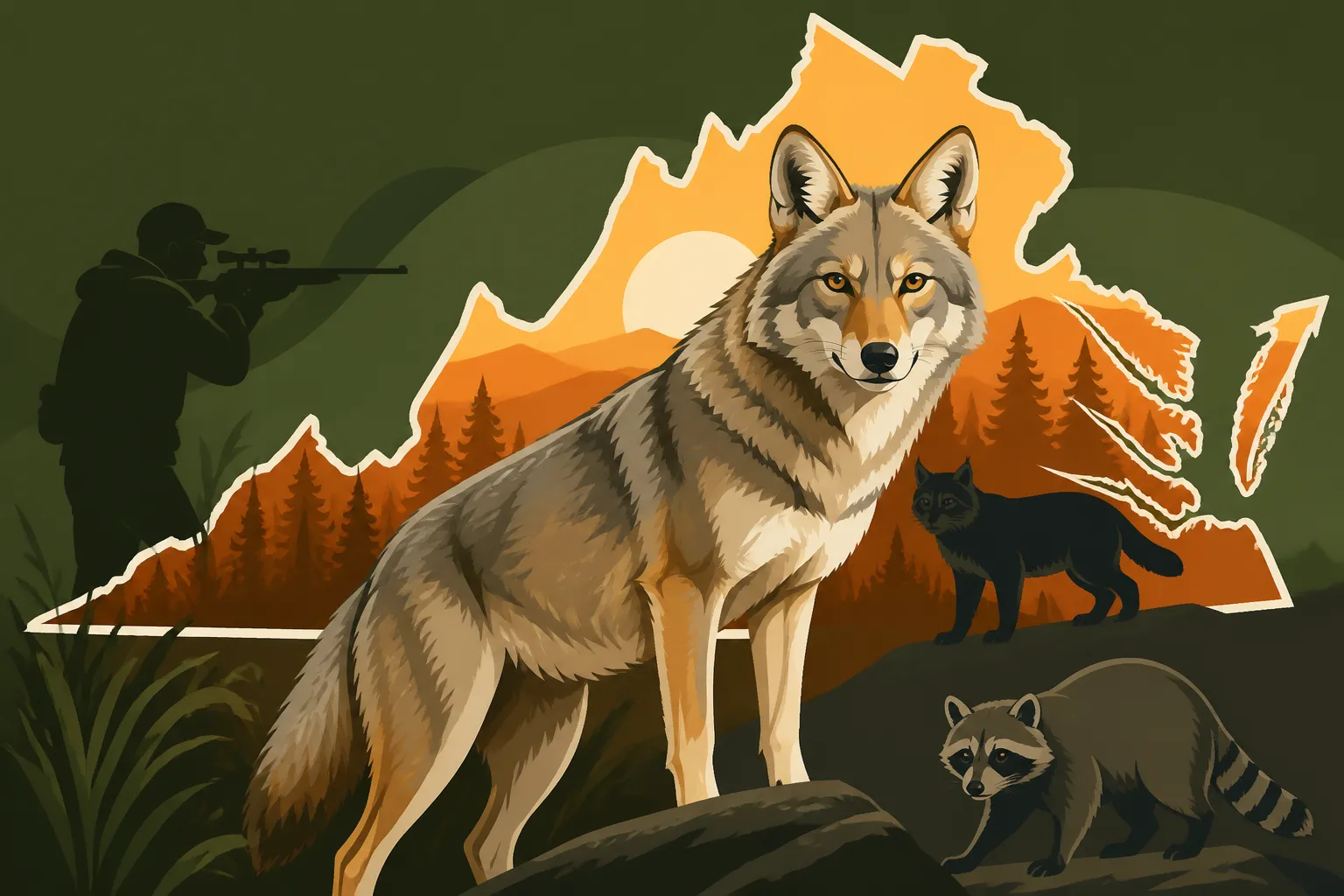
The coyote is a relatively new player in Virginia's historical wildlife landscape, yet its presence is now felt across every corner of the Commonwealth. Unlike our native predators, coyotes are an introduced species, having expanded their range eastward from the American West throughout the 20th century. They first established a foothold in Virginia in the 1970s and have since proliferated, thriving in our varied habitats from dense mountain forests to open Piedmont farmlands and even increasingly in suburban fringes.
Their incredible adaptability is the secret to their success. Coyotes are generalist predators, meaning they aren't picky eaters. While they certainly prey on deer fawns, young turkeys, and small game like rabbits and rodents, they'll also readily consume carrion, fruits, and insects. This diverse diet allows them to survive and reproduce even when preferred prey might be scarce. You've likely heard the stories or even witnessed the signs yourself: deer activity patterns shifting, less small game in certain areas, and those unsettling howls carrying across the fields at night. For many deer and turkey hunters, the coyote represents a direct threat to the game populations they pursue, making their presence a constant topic of discussion around hunting camps. Their impact on local deer herds, particularly on fawn recruitment, is a well-documented concern for the Virginia Department of Wildlife Resources (DWR) and hunters alike. They are incredibly efficient at finding and preying on vulnerable young fawns in the spring.
Virginia's Thriving Black Bear Population
In stark contrast to the coyote, the black bear is a true native Virginian, and its population story is one of remarkable recovery and growth. Historically, black bears were confined mostly to the rugged mountain regions and the vast swamps of southeastern Virginia. However, thanks to effective management practices, habitat protection, and their own impressive adaptability, the bear population has exploded and expanded its range dramatically. It's no longer uncommon to see bears or their sign in areas that traditionally had few to none, pushing eastward into the Piedmont and even reaching the outer edges of some urban centers. For an in-depth look at their recovery, check out our piece on How Virginia's Bear Population Grew So Large.
While black bears are omnivores, with a diet primarily consisting of berries, nuts, insects, and carrion, they are also opportunistic predators. They certainly contribute to fawn mortality, especially in areas with high bear densities, and can sometimes prey on livestock if easy opportunities arise. This expansion into new territories, especially those closer to human development, inevitably leads to increased human-bear conflicts, from raiding trash cans to damaging property. The DWR actively manages the bear population through regulated hunting seasons, aiming to maintain a healthy population that can coexist with people while also providing hunting opportunities. Hunters play a vital role in this management, helping to control numbers and prevent overpopulation which could lead to increased disease or starvation, and, ultimately, more conflicts with humans. Understanding Virginia Bear Season Rules is critical for anyone interested in participating in this important management effort.
Other Key Predators and Their Impact
While coyotes and black bears capture a lot of attention, Virginia's predatory landscape is diverse, featuring several other fascinating and impactful species, from the elusive bobcat to the more common foxes and raccoons. Each plays a specific role in the intricate web of life.
Bobcats: Elusive Hunters of the Virginia Woods
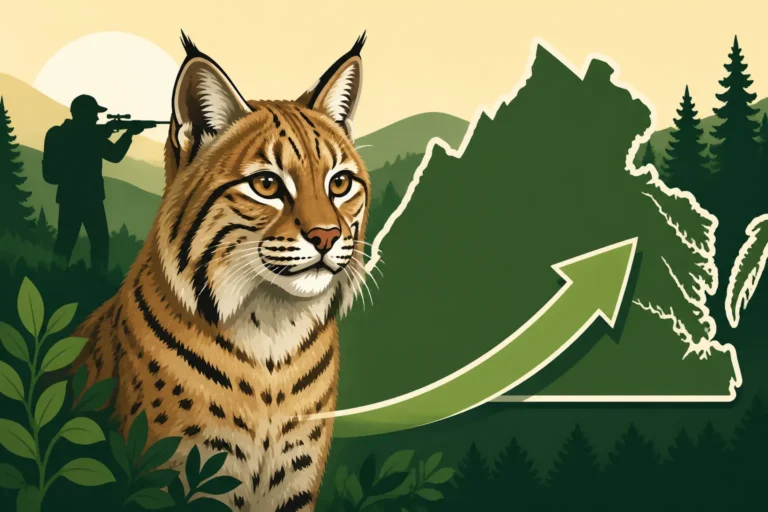
Bobcats are truly magnificent creatures, embodying the wild spirit of Virginia's deep woods. These medium-sized wild cats are masters of stealth, moving with incredible grace and blending seamlessly into their surroundings. Their population in Virginia has seen a strong recovery over the past few decades after historical declines due to habitat loss and unregulated hunting. Today, they are found throughout much of the state, though they remain elusive and largely nocturnal, making sightings a rare treat for most outdoors enthusiasts.
Their primary diet consists of rabbits, squirrels, mice, and other small mammals, making them vital in controlling rodent populations. They'll also occasionally prey on ground-nesting birds, and in some instances, may take a deer fawn if the opportunity presents itself, though this is less common than with coyotes or bears. While they are a legal furbearer to hunt and trap in Virginia during specific seasons, their secretive nature and low densities mean they are not subject to the same kind of population pressures as more abundant species. Their impact on larger game species like adult deer or turkeys is generally considered minimal compared to coyotes. However, their role in maintaining healthy small game populations is crucial. Observing bobcat sign, like tracks or scat, is a thrilling experience, a reminder of the wildness that persists even in well-settled parts of the state.
Foxes, Raccoons, and Opossums: Opportunistic Omnivores
Beyond the major players, a cast of smaller, yet highly effective, opportunistic predators also roams Virginia's landscapes. Red foxes and gray foxes are both common, with red foxes often found in more open, agricultural areas and gray foxes preferring denser woodlands. Both are incredibly intelligent and agile hunters, primarily targeting rabbits, rodents, and ground-nesting birds like wild turkeys and quail. They are notoriously adept at locating turkey nests and consuming eggs or vulnerable poults, contributing significantly to nest predation and impacting Virginia Turkey Population Trends.
Raccoons and opossums, while often thought of as scavengers or nuisance animals around suburban homes, are also highly effective predators, especially on eggs and very young birds. Their dexterity allows them to raid nests with alarming efficiency. A raccoon can systematically clear out a turkey nest in a single night, leaving little trace. Opossums, with their keen sense of smell, are also significant nest predators. While individually their impact might seem small, collectively, these widespread omnivores exert considerable pressure on ground-nesting birds and their offspring. For hunters focused on increasing local turkey or quail numbers, understanding the impact of these smaller predators and the legal means to manage them, such as trapping, is an important consideration. These animals also play a role in disease transmission, so understanding topics like Virginia Wildlife Disease Monitoring is important for all outdoors enthusiasts.
The Ecological Role of Predators in Virginia's Ecosystem
It's easy to view predators solely as "takers," especially when they're impacting the game species we pursue. However, the truth is far more complex and essential. Predators are not just a nuisance; they are integral to a healthy, balanced ecosystem. Their presence shapes everything from vegetation patterns to disease prevalence, ultimately contributing to more robust and resilient wildlife populations.
Natural Selection and Herd Health
One of the most critical, albeit sometimes difficult to accept, roles of predators is their contribution to natural selection. Predators, whether it's a coyote chasing a deer or a bobcat stalking a rabbit, often target the weakest, slowest, or sickest individuals within a prey population. This isn't a malicious act; it's simply an act of survival for the predator. But the ecological benefit is profound. By removing these less-fit individuals, predators help to cull disease, prevent the spread of genetic weaknesses, and ensure that only the strongest, healthiest animals survive to reproduce.
Consider a deer herd. If left unchecked and without natural predation, a deer population can quickly exceed the carrying capacity of its habitat, leading to overbrowsing, habitat degradation, and increased competition for food. This, in turn, can stress the deer, making them more susceptible to diseases like Epizootic Hemorrhagic Disease (EHD) or the ever-present threat of Chronic Wasting Disease (CWD). Predators act as a crucial check and balance, helping to keep populations at a sustainable level and maintaining the overall genetic fitness and health of the herd. While we hunters also contribute to this through selective harvest, predators provide continuous pressure year-round, impacting every generation. The DWR monitors many aspects of herd health, including in Virginia's Eighteen CWD Counties, where predator impacts might be considered as part of a broader management strategy.
Impact on Prey Species Populations
The direct impact of predators on prey populations, particularly deer and turkey, is a constantly debated and extensively studied topic. While predators are a natural part of the equation, their influence can become more pronounced under certain conditions, leading to noticeable fluctuations in game numbers.
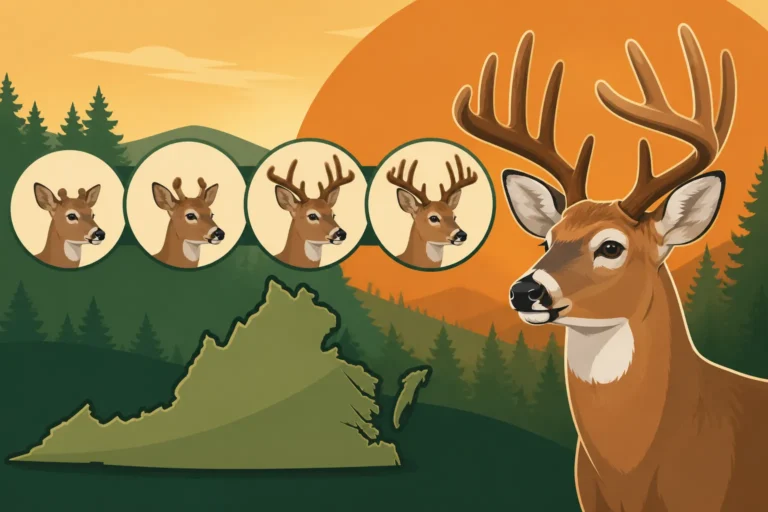
For deer, the primary concern revolves around fawn recruitment. Coyotes are especially efficient at preying on young fawns during their vulnerable first few weeks of life. Studies have shown that coyote predation can be a significant factor in Virginia deer fawn survival rates, particularly in areas with high coyote densities and lower quality fawning cover. While an adult, healthy deer can usually outrun or deter a coyote, a newborn fawn, relying on camouflage, is an easy target. Similarly, black bears will also opportunistically take fawns. This doesn't mean predators destroy the deer herd; rather, they regulate its growth. When fawn mortality is high due to predation, the overall deer population might not grow as rapidly, leading to fewer deer on the landscape over time. For more general information on deer numbers, you can explore the Virginia Deer Population Estimate.
For wild turkeys, the impact is often felt most keenly during the nesting and brooding seasons. As mentioned, foxes, raccoons, and opossums are highly effective nest predators, destroying countless clutches of eggs. Once poults hatch, coyotes, foxes, and even bobcats can pick off young, vulnerable birds. This constant pressure on turkey reproduction can significantly reduce the annual poult-to-hen ratios, which are a key indicator of turkey population health. A string of years with poor poult survival due to high predator loads, combined with other factors like poor weather or habitat quality, can lead to a noticeable decline in local turkey numbers. Hunters often feel this directly when spring gobbler opportunities seem scarcer.
Table: Overview of Key Predators in Virginia
| Predator Species | Primary Range in Virginia | Primary Prey | Hunting/Trapping Season Status | Management Challenges |
|---|---|---|---|---|
| Coyote | Statewide | Deer fawns, rabbits, rodents, turkey poults, carrion, fruits | Year-round hunting, regulated trapping | Rapid reproduction, adaptability, impact on deer/turkey |
| Black Bear | Western mountains, Piedmont, Dismal Swamp, spreading statewide | Berries, nuts, insects, carrion, deer fawns, small mammals | Regulated hunting seasons | Population growth, human-bear conflicts, habitat expansion |
| Bobcat | Statewide, preferring dense forests | Rabbits, squirrels, rodents, birds, occasional fawns | Regulated hunting and trapping seasons | Elusive nature, maintaining healthy populations |
| Red Fox | Statewide, favoring open country/farm edges | Rabbits, rodents, ground birds, poultry | Regulated hunting and trapping seasons | Nest predation, small game impact |
| Gray Fox | Statewide, favoring dense woodlands | Rabbits, rodents, ground birds, small mammals | Regulated hunting and trapping seasons | Nest predation, small game impact |
| Raccoon | Statewide | Eggs, young birds, amphibians, insects, fruits, carrion | Regulated hunting and trapping seasons | Significant nest predation, nuisance issues |
| Opossum | Statewide | Eggs, insects, carrion, fruits | Regulated hunting and trapping seasons | Nest predation, carrion removal |
Managing Predator Populations: Hunter's Perspective
For many hunters, understanding predator ecology goes hand-in-hand with exploring options for managing their populations, particularly when they perceive an imbalance. Virginia's DWR provides various opportunities for hunters and trappers to participate in predator management, recognizing the important role regulated harvest plays in the overall wildlife picture.
Hunting Coyotes in Virginia
If you're looking to directly influence predator numbers and potentially boost local game populations, coyote hunting is one of the most accessible avenues in Virginia. The DWR classifies coyotes as a nuisance species and, as such, they have a continuous, year-round open season with no bag limit. This means you can pursue them at almost any time, though methods and times are subject to specific regulations. Coyote hunting offers a unique challenge, requiring stealth, patience, and often a good understanding of calling techniques. For example, using distress calls mimicking a rabbit or fawn can be incredibly effective, especially during the early deer season when fawns are still relatively small or later in winter when food is scarce.
Many hunters will combine coyote hunting with other pursuits, setting up for coyotes after their deer hunt for the day is over, or even calling them in while turkey hunting. Night hunting for coyotes is also legal in Virginia on private land with landowner permission, presenting an entirely different set of tactics and gear requirements. If this interests you, it's crucial to thoroughly review the Night Hunting Rules for Virginia Coyotes to ensure full compliance with state law regarding lights and firearms. Utilizing mapping tools, perhaps even a service like GoHunt, can be invaluable for identifying potential calling locations, understanding terrain, and planning access points on both public and private lands, maximizing your chances of success. Successful coyote hunting can not only be a thrill but also contribute to healthier local deer and turkey populations.
Bear Hunting as a Management Tool
Virginia's black bear population is robust and expanding, making regulated bear hunting an essential management tool. Unlike coyotes, black bears are a prized big game species with specific seasons and bag limits, designed to manage their population growth and minimize human-bear conflicts. Bear hunting typically occurs in the fall and early winter, with different seasons for archery, muzzleloader, and firearms, often broken down by specific regions or counties. For example, some western mountain counties might have earlier seasons or different restrictions than the eastern Piedmont.
Participation in bear hunting directly helps the DWR maintain sustainable bear numbers, especially as bears expand their range into new areas where conflicts with agriculture or suburban residents are more likely. Without regulated hunting, bear populations could outgrow their available habitat, leading to increased disease, starvation, and a greater number of nuisance encounters. Hunters who harvest bears contribute valuable data to DWR biologists through mandatory checking requirements, providing critical information on population health, age structure, and distribution. If you're considering bear hunting, our detailed guide on Virginia Bear Season Rules will provide all the necessary information to get started. It's a challenging and rewarding hunt that plays a vital role in Virginia's conservation efforts.
Trapping and Other Control Methods
Beyond hunting, trapping offers another effective method for managing predator populations, particularly for species like coyotes, foxes, raccoons, and opossums. Trapping is a highly regulated activity in Virginia, requiring specific licenses, knowledge of ethical and humane trapping techniques, and adherence to strict rules regarding trap types, placement, and checking frequencies. For many landowners facing persistent issues with specific predators impacting livestock or game bird nests, trapping can be a highly targeted and efficient solution.
Trapping is especially effective for reducing local populations of nest predators around turkey and quail nesting areas, or for addressing nuisance animals that are causing damage to property. The DWR provides resources and guidance for trappers, emphasizing responsible practices to ensure animal welfare and public safety. For those interested in this method, it's paramount to get educated and properly licensed before setting any traps. This also extends to other nuisance species; for instance, understanding Trapping Virginia Feral Hogs is essential for controlling that invasive species which can also pose a significant threat to native wildlife and agriculture. While not always as visible as hunting, trapping is a specialized skill that contributes meaningfully to predator management and broader wildlife conservation.
Coexisting with Virginia's Predators: Safety and Strategy
Living and recreating in Virginia means sharing the landscape with a diverse array of wildlife, including predators. While active management is crucial, understanding how to safely coexist with these animals and minimize negative interactions is equally important for both human safety and wildlife welfare.
Protecting Livestock and Pets
As Virginia's predator populations, particularly bears and coyotes, expand their ranges, encounters with domestic animals, livestock, and pets become more frequent. For rural residents and farmers, protecting their animals is a serious concern. Effective strategies focus on prevention and deterrence. Robust fencing is often the first line of defense; electric fencing can be particularly effective against bears and coyotes. Secure enclosures for poultry, goats, and other smaller livestock, especially at night, are critical. Many farmers also employ guardian animals, such as LGDs (Livestock Guardian Dogs), which are specially bred to protect livestock from predators.
For pet owners, keeping dogs on a leash, especially during dawn and dusk hours when coyotes are most active, can prevent unwanted encounters. Never leaving pet food or garbage outside, particularly at night, removes easy food sources that might attract bears or coyotes to your property. If you live in an area with a known bear presence, securing trash cans with bear-resistant lids is highly recommended. Understanding local wildlife patterns, especially if you use resources like GoHunt to scout your property, can help anticipate potential issues. If a predator becomes a persistent problem or exhibits aggressive behavior, contacting the DWR is crucial. They can offer advice, resources, or intervention if necessary, providing a service for Reporting a Sick Animal in Virginia or a nuisance animal.
Best Practices for Hunters in Predator-Rich Areas
Hunters operating in Virginia's predator-rich environments need to adopt strategies that account for these animals, both for safety and for maximizing hunting success. When scouting for deer or turkey, always be on the lookout for predator sign: coyote scat, bear tracks, or bobcat scratch marks. This can give you an indication of their presence and activity levels in your chosen hunting area. Tools like the Scouting Virginia Public Land Before Season guide are invaluable, and it's wise to incorporate predator sign into your scouting routine.
If you are calling for deer, especially with fawn distress calls, be aware that you might attract coyotes as well. Similarly, when turkey hunting, ensure your setup provides good visibility and back protection, as an aggressive coyote or even a curious bear might approach your calls. Carrying a sidearm (where legal and appropriate) or being prepared to defend yourself if a situation escalates is a personal choice, but awareness is key. After a successful harvest, especially during warmer early archery seasons, rapid meat care is paramount. Predators, particularly coyotes and bears, have an excellent sense of smell and can quickly locate a downed animal. Field dressing promptly and moving the carcass to a cooler or processing facility can prevent scavenging. For example, if you're bowhunting in September, swift action can save your venison. Always consider the potential for encounters and adjust your tactics accordingly, remembering that safety is always the priority, which includes reviewing regulations like Virginia Blaze Orange Requirements to ensure visibility to other hunters.
The Future of Predator Management in Virginia
The dynamic relationship between humans, game species, and predators is constantly evolving. As Virginia's landscape changes and human populations expand, the way we understand and manage these complex interactions must adapt. The future of predator management in the Commonwealth hinges on sound science, robust monitoring, and the continued involvement of engaged citizens.
Research and Monitoring by DWR
The Virginia Department of Wildlife Resources (DWR) is at the forefront of understanding and managing Virginia's diverse wildlife populations, including its predators. Their work involves continuous research and monitoring efforts to gather critical data on population sizes, health, distribution, and reproductive success of species like coyotes, black bears, and bobcats. This includes extensive population surveys, genetic studies, and tracking projects that provide insights into movement patterns and habitat use. For instance, the DWR meticulously monitors Virginia Bear Harvest Trends and uses this data, combined with other research, to adjust hunting seasons and bag limits to ensure sustainable populations.
A significant part of their effort is dedicated to Virginia Wildlife Disease Monitoring. This involves testing harvested animals for diseases like CWD, but also tracking the prevalence of other conditions, such as mange in bears and foxes, which can impact predator health and population dynamics. By understanding these factors, the DWR can make informed decisions about management strategies, including the creation of special regulations or even the closure of seasons in specific areas, as has been seen in some mange-affected counties for bears. This scientific approach ensures that management decisions are grounded in ecological understanding, aiming for healthy ecosystems rather than reactive measures based solely on anecdotal evidence.
Hunter Involvement and Conservation Ethics
Hunters are, and always have been, crucial partners in wildlife conservation. This responsibility extends to predator management. When you harvest a coyote, bear, or furbearer, accurately reporting your harvest provides invaluable data to the DWR. This data helps biologists understand population trends, distribution, and the overall impact of hunting pressure. Whether it's through mandatory bear checking or voluntary coyote harvest reporting, every piece of information contributes to the larger picture.
Beyond direct harvest, hunters embody a conservation ethic that recognizes the value of all wildlife. While some hunters may feel frustrated by predator impacts on deer or turkey, the broader understanding is that predators play a vital role in ecological balance. The ongoing debate about predator control versus natural processes is a healthy one within the hunting community. It encourages thoughtful discussion about when and how human intervention is appropriate, always with the goal of fostering healthy, resilient wildlife populations. As we move forward, a balanced approach that combines scientific management with ethical hunting practices and a deep respect for all species will be essential for preserving Virginia's rich natural heritage for generations to come.
Disclaimer
Please remember that hunting regulations, seasons, and licensing requirements in Virginia can change. Always consult the most current Virginia Department of Wildlife Resources (DWR) regulations before planning any hunting or trapping activities. This guide provides general information and should not be used as the sole basis for legal or safety decisions in the field.