How Virginia Quail Numbers Fell Since the 1960s
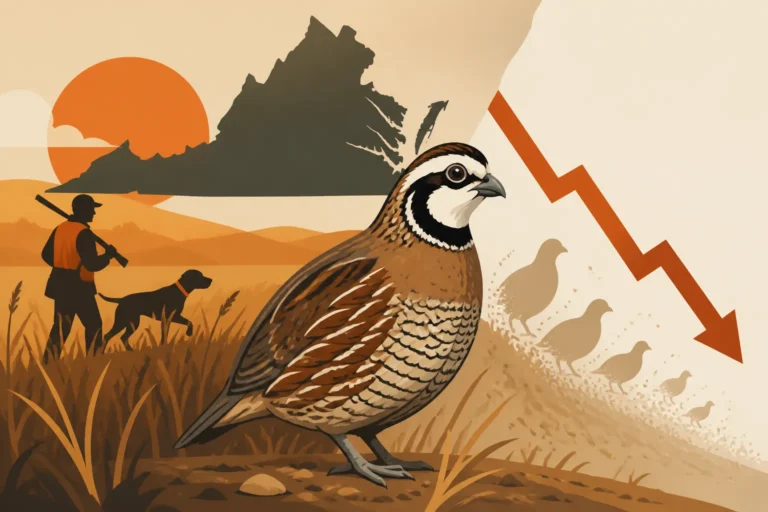
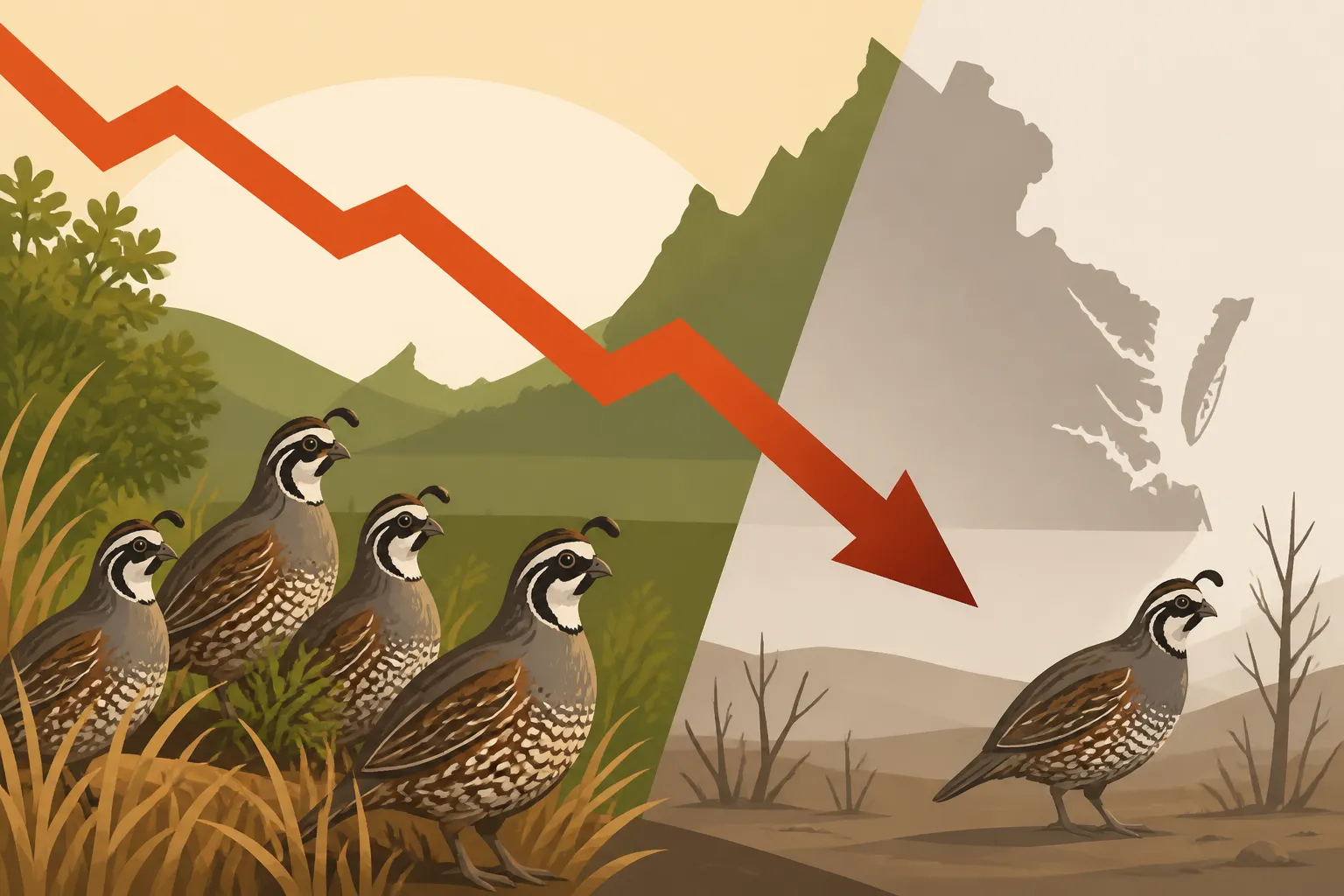
If you've spent any time talking to an old-timer hunter in Virginia, chances are you've heard wistful tales of a bygone era when coveys of bobwhite quail were seemingly everywhere. It's a stark contrast to today's reality, where hearing that distinctive "bob-white!" call is a rare treat. Many hunters and conservationists alike lament the drastic decline in Virginia's quail numbers since the 1960s, a trend that has left many feeling frustrated and wondering what exactly happened. This guide will dive deep into the multifaceted reasons behind this heartbreaking reduction, exploring the historical context, the primary drivers of the decline, and what efforts are underway to bring these iconic birds back.
The Echoes of a Golden Era: What Quail Hunting Used to Be
It’s hard to imagine now, but not so long ago, Virginia was a bobwhite quail hunter's paradise. Generations grew up with dogs running fields, the thrill of a covey flush, and the distinct sound of quail calling from every hedgerow and field edge. My own grandfather used to talk about how he’d walk out his backdoor in rural Powhatan County and nearly trip over a covey in the corn stubble. This wasn't just anecdotal; the numbers, while less formally tracked than today, certainly suggested a widespread, robust population across much of the Commonwealth.
Back in the mid-20th century, the landscape of Virginia looked very different. Small family farms dominated, characterized by a patchwork of diverse habitats. You had small crop fields, often rotated with legumes, interspersed with overgrown fencerows, small woodlots, hedgerows, and brushy edges. This mosaic of agriculture and natural cover created the perfect conditions for bobwhite quail to thrive. They had everything they needed within a small home range: nesting cover, brooding cover with insects, escape cover, and reliable food sources. This was the habitat tapestry that supported not just quail, but a whole host of Virginia Small Game and Furbearers.
The hunting tradition itself was deeply woven into the fabric of rural life. Quail hunting wasn't just a sport; it was a way of life, a social event, and often a practical way to put food on the table. Families would gather, dogs would be trained with pride, and the local general store would be abuzz with talk of the season's best covey finds. It’s no wonder that those who remember these days feel a profound sense of loss, as if a vital piece of Virginia’s natural and cultural heritage has slipped away.
The Cascading Factors: Why Virginia's Quail Population Declined So Dramatically
The decline of the bobwhite quail in Virginia isn't a single, simple story; it's a complex narrative driven by a confluence of environmental and human-induced changes. From the Piedmont to the coastal plain, these birds faced an onslaught of pressures that slowly but surely eroded their populations. It wasn't a sudden crash, but rather a steady, almost imperceptible erosion over decades that collectively led to the current situation. Understanding these factors is the first step in appreciating the immense challenge of quail conservation.
One of the most frustrating aspects for many who remember the abundance is the feeling that it all happened so quickly, yet also so slowly that no one seemed to grasp the full extent until it was almost too late. The changes were often incremental, a field here, a hedgerow there, adding up over time to a vastly altered landscape. This makes it difficult to pinpoint one single "smoking gun," but rather a series of interconnected events that all contributed to the current, much lower, population.
It's also important to remember that this isn't just a Virginia problem. The bobwhite quail has seen significant declines across much of its historical range in the southeastern United States. While local factors certainly play a role, the overarching trends reflect broader shifts in land use and agricultural practices across the region. Virginia's story, unfortunately, is a common one for this beloved game bird.
Habitat Loss: The Primary Culprit
When we talk about the decline of bobwhite quail, habitat loss almost always tops the list, and for good reason. The subtle changes in how we manage our land, particularly agricultural land, have had a devastating impact on these birds. The diverse, messy, and abundant habitat quail once relied upon has largely disappeared.
The Rise of Industrial Agriculture
The biggest seismic shift came with the mechanization and industrialization of agriculture starting in the mid-20th century. Small family farms, with their mosaic of diverse crops, pastures, and unkempt edges, began to give way to larger, more efficient operations. This meant bigger fields, monoculture crops (like vast stretches of corn or soybeans), and the elimination of "waste" areas.
Consider those old fencerows and hedgerows that my grandfather cherished. They were prime quail habitat: offering nesting cover, escape routes from predators, and a bounty of insects and seeds. As farms grew, these vital corridors were often ripped out to create larger, more easily farmed fields. Similarly, smaller woodlots were cleared, and the practice of leaving crop stubble over winter fell out of favor as clean-farming became the norm. This effectively created "food deserts" and "cover deserts" for quail. They simply had nowhere to hide, nest, or feed without being exposed to predators or the elements.
| Habitat Feature (1960s) | Description | Impact on Quail | Current Status |
|---|---|---|---|
| Small, Diverse Fields | Rotated crops, varied plant species | Abundant food sources, varied cover | Larger, monoculture fields |
| Brushy Fencerows/Hedgerows | Dense vegetation between fields | Nesting, escape, and travel cover | Often removed or closely mowed |
| Unmowed Field Edges | Transition zones of tall grasses/weeds | Brooding cover, insect foraging | Frequently mowed, sprayed, or planted |
| Small Woodlots/Thickets | Mixed hardwoods and brush | Winter cover, predator protection | Cleared for agriculture or development |
| Dispersed Pastures | Grazed areas with interspersed cover | Foraging, open areas for dusting | Fewer, larger pastures; often "cleaner" |
This table really highlights the dramatic shift. The kind of cover that was once ubiquitous is now a rarity. A quail can't survive in a massive, open field of just one crop, even if that crop technically offers food, if there's no safe place to raise its young or hide from a hawk. The structure of the habitat is just as important as the food itself.
Suburban Sprawl and Development
Beyond agriculture, Virginia has seen significant population growth and development, especially in the Piedmont and Northern Virginia regions. As towns and cities expanded, and suburbs sprawled outward, more and more rural land was converted into residential areas, shopping centers, and roadways. While a suburban yard might have some bushes, it rarely provides the interconnected, diverse cover that quail need to survive and reproduce.
This kind of development breaks up any remaining large tracts of suitable habitat into smaller, isolated fragments. A covey that might have once had miles of continuous cover now finds itself surrounded by houses and roads. This isolation makes them more vulnerable to predation, restricts their movement to find mates, and limits their ability to recover from population dips. Even if a small pocket of good habitat remains, it often becomes an "island" that cannot support a sustainable population over the long term. This is a common frustration for folks trying to find spots to pursue Squirrel and Small Game Hunting in Virginia, not just quail.
Beyond Habitat: Other Pressures on Quail
While habitat loss is the dominant theme, several other factors have conspired against Virginia's bobwhite quail, acting as additional stressors on an already struggling population. These factors often interact with habitat degradation, exacerbating the overall decline.
Increased Predation
With fragmented habitats, quail become far more vulnerable to predators. When there are fewer places to hide effectively, and coveys are smaller and more isolated, predators can have a disproportionately higher impact. Virginia has healthy populations of a variety of predators, including raccoons, opossums, skunks, foxes, and raptors. Add to that the expanding Virginia Coyote Range and Density and increasing populations of feral cats, and the pressure on ground-nesting birds like quail becomes immense.
Imagine a small covey trying to nest and raise chicks in a narrow strip of cover between two large, open fields. They are much easier for a hawk to spot from above, or for a fox to scent out along the exposed edge. In a landscape full of dense, diverse cover, a predator might pass by unnoticed. But in a simplified landscape, the odds are stacked against the quail. It's not necessarily that there are more predators than before, but that the quail are more exposed to them due to habitat changes, making predation a far more significant limiting factor than it once was.
Pesticide Use and Insect Decline
Another subtle but significant factor is the widespread use of pesticides in agriculture and even residential areas. Quail chicks, particularly in their first few weeks of life, are almost entirely reliant on insects for protein. They need a rich supply of beetles, grasshoppers, caterpillars, and other invertebrates to grow rapidly. Pesticides, while targeting agricultural pests, also inadvertently reduce these crucial insect populations.
If a hen leads her newly hatched brood into a field edge that has been sprayed, the chicks may simply starve because their primary food source has been decimated. This indirect effect on the food chain is often overlooked but has a profound impact on quail survival and recruitment. Without enough protein, chicks don't develop properly, making them weaker and less likely to survive to adulthood. This is a silent killer, and it's a hard one for hunters to observe directly, but it's undoubtedly playing a role in the numbers we see today.
Disease and Weather Patterns
While not as consistently impactful as habitat or predation, disease outbreaks and extreme weather patterns can also deliver significant blows to quail populations, especially when numbers are already low. Heavy, prolonged rains during nesting season can flood nests or cause hypothermia in chicks. Severe winters with deep, persistent snow can make it impossible for quail to find food, leading to starvation, particularly in areas with poor cover.
Diseases, though less common in wild quail than in some other species, can also occur, especially in stressed populations. The Virginia Department of Wildlife Resources (DWR) keeps an eye on Virginia Wildlife Disease Monitoring for various species, but for a species as elusive and thinly spread as quail, tracking disease can be challenging. A bad year, whether due to weather or disease, can be devastating for a struggling covey that lacks the numerical resilience of a larger population.
Looking Ahead: Efforts to Revive Virginia's Quail
Despite the bleak picture of the past several decades, there's a glimmer of hope and a dedicated community working hard to turn the tide for Virginia's bobwhite quail. Conservationists, state agencies, and passionate landowners are implementing strategies to restore the crucial habitats that these birds need to thrive. It’s a marathon, not a sprint, and it requires a significant shift in thinking about land management.
One of the most promising avenues for restoration is the focus on habitat improvement on both public and private lands. This means actively managing forests and fields to create the "messy", diverse cover that quail love. This can include prescribed burning, which mimics natural fire cycles and creates open understories with diverse plant growth, as well as thinning timber to allow sunlight to reach the forest floor. The DWR manages numerous Virginia Wildlife Management Areas where these practices are often employed, demonstrating how habitat can be enhanced.
Managed Pine and Early Successional Habitat
A significant part of the strategy, especially in regions like the Piedmont and coastal plain, involves the creation and maintenance of early successional habitat. This means managing forests to prevent them from becoming too dense and mature, and allowing for patches of young pines, shrubs, and weeds to grow. Often, this involves actively managing pine stands. As we explored in How Managed Pine Could Restore Virginia Quail, establishing and then periodically thinning pine plantations can create excellent quail habitat. The open canopy allows sunlight to penetrate, promoting the growth of native grasses and forbs that provide food and cover.
For private landowners, programs exist that can provide technical and financial assistance to implement these practices. Organizations often partner with landowners to help them develop habitat management plans that benefit quail and other small game. These plans might include planting native warm-season grasses, creating brush piles for escape cover, or establishing buffer strips along field edges. Tools like GoHunt's mapping features can also be incredibly useful for landowners or managers to visualize and plan habitat restoration projects, identifying optimal areas for specific treatments and understanding property boundaries for cooperative efforts.
The Role of Hunter and Landowner Engagement
Ultimately, the future of Virginia's bobwhite quail hinges on the collective efforts of many, particularly landowners and hunters. Hunters, in particular, are often the first to notice changes in wildlife populations and are frequently passionate advocates for conservation. Their license fees directly support the DWR's efforts, including habitat restoration projects. Encouraging landowners to engage in quail-friendly farming and forestry practices is paramount, as the majority of suitable habitat lies on private land.
This often involves education and outreach, helping people understand the ecological and economic benefits of diverse habitats. Beyond just quail, these practices benefit a host of other wildlife, improve soil health, and can even contribute to carbon sequestration. While the days of ubiquitous quail coveys may be a long way off, concerted and sustained efforts offer the best hope for ensuring that the distinctive "bob-white!" call continues to echo across the Virginia landscape for generations to come. For those looking for existing populations, checking DWR resources or using mapping applications like GoHunt can help identify potential areas, though finding robust populations remains a challenge, even in the Best Virginia Counties for Wild Quail.
Disclaimer
This article is for general informational purposes only and does not constitute professional advice. Laws, prices and regulations vary by location and change over time. Consult a qualified professional for guidance on your specific situation.