Virginia Elk Restoration in the Coalfields
The majestic return of elk to Virginia's coalfields is a story of dedication, collaboration, and a profound appreciation for wildlife. For generations, the idea of wild elk roaming the Old Dominion felt like a distant dream, a ghost from a bygone era. Many Virginians, especially those in the southwestern part of the state, often wonder about the current status of these impressive animals and what their presence means for the landscape and local communities. This guide will take a deep dive into the fascinating journey of elk restoration, from their historical disappearance to their successful reintroduction and the ongoing efforts to ensure their future.
The Historic Return of Elk to Virginia
For centuries, elk were an integral part of Virginia's diverse wildlife, roaming vast tracts of wilderness. However, as European settlement expanded and hunting pressure, coupled with habitat loss, intensified throughout the 18th and 19th centuries, Virginia's native elk population was completely extirpated. By the late 1800s, these magnificent animals, once so prevalent, had vanished from the state's forests and mountains. Their absence left a void, a silent testament to the impact of human activity on the natural world.
A Look Back at Virginia's Native Elk
Imagine vast, old-growth forests and open woodlands across Virginia, from the Blue Ridge Mountains stretching into the Piedmont. These were once the stomping grounds of Eastern elk, a subspecies that thrived in the rich habitat. Early explorers and settlers documented their encounters with these large deer, often marveling at their size and powerful antlers. Their disappearance wasn't a sudden event but a gradual erosion, pushed by the relentless march of agriculture and unchecked market hunting. It's a somber chapter in our state's conservation history, one that many have worked tirelessly to reverse. The loss of such an iconic species surely weighed on the minds of those who valued the wild character of Virginia.
The Dawn of Restoration Efforts
The idea of bringing elk back to Virginia began to gain serious traction in the early 2000s, fueled by successful reintroduction programs in neighboring states like Kentucky. Conservation organizations, local communities, and the Virginia Department of Wildlife Resources (DWR) recognized the ecological and economic potential of restoring a native species that had been missing for so long. It wasn't just about putting an animal back on the landscape; it was about healing a historical wound and enriching the biodiversity of the state. This ambitious vision started small, with careful planning and assessment, looking at habitat suitability, potential conflicts, and the crucial support needed from residents.
Choosing the Coalfields for Reintroduction
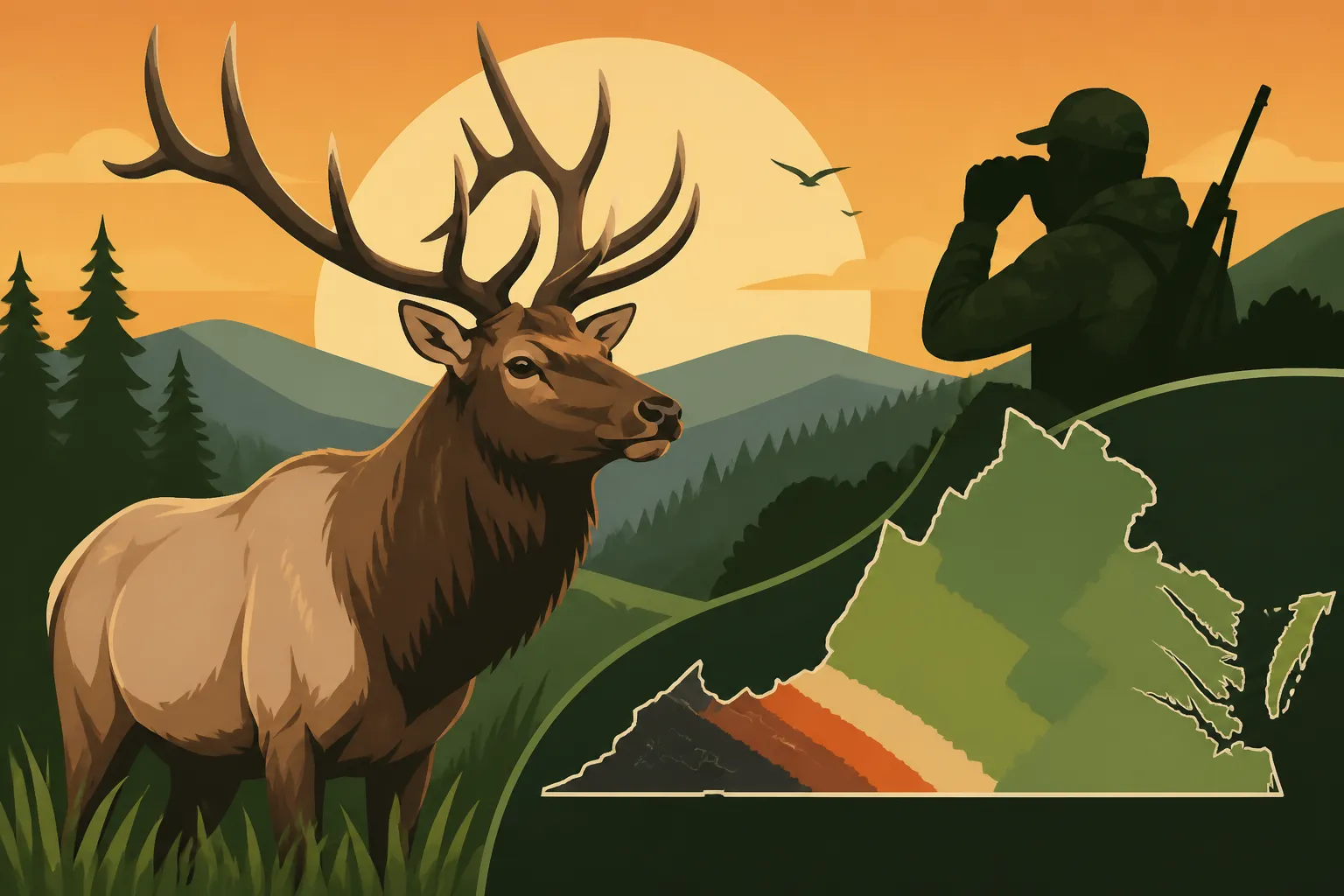
The selection of Virginia's southwestern coalfields for the elk reintroduction wasn't accidental. This region, encompassing counties like Buchanan, Dickenson, and Wise, offered vast tracts of reclaimed mine land, creating a mosaic of open fields, young forests, and mature timber. These reclaimed lands, often characterized by grasses and shrubs, provided ideal forage and cover, mimicking the open woodlands and prairies elk prefer. Critically, these areas also offered large expanses of contiguous habitat with relatively low human population density, minimizing potential conflicts. The communities in the coalfields, eager for economic diversification and a renewed sense of natural heritage, largely welcomed the idea, seeing the elk as a symbol of hope and a driver for eco-tourism. This careful consideration of both biological and social factors was paramount to the project's early success.
Understanding the Restoration Program
The Virginia elk restoration program has been a monumental undertaking, carefully managed to ensure the long-term health and stability of the herd. It's much more than just releasing animals; it involves ongoing monitoring, community engagement, and adaptive management strategies. The initial stages required immense planning, from source herds to transport logistics and disease protocols.
Sourcing and Releasing the Elk
The first wave of elk, mostly cows and calves, were sourced from Kentucky, a state with a thriving and well-established elk population thanks to its own successful restoration efforts. This was a critical step, as it ensured a healthy genetic foundation for Virginia's new herd. The process of capturing, transporting, and releasing these animals was meticulously planned to minimize stress and maximize their chances of survival in their new home. Each elk underwent health screenings and was fitted with GPS collars, allowing DWR biologists to track their movements, understand their habitat use, and monitor their adaptation to the Virginia landscape.
| Year | Milestone | Key Details |
|---|---|---|
| Early 2000s | Initial Discussions | Conservation groups and DWR begin planning. |
| 2012 | First Release | Elk from Kentucky released in Buchanan County. |
| 2013 | Second Release | More elk brought in to bolster population. |
| 2014 | Third Release | Final phase of planned reintroduction efforts. |
| Ongoing | Monitoring & Research | GPS tracking, health assessments, habitat analysis. |
Habitat Management for a Growing Herd
Restoring elk isn't a "set it and forget it" operation; it requires active habitat management. The reclaimed mine lands, while initially providing excellent forage, need continuous care to remain productive. This involves prescribed burning to maintain open grasslands, planting specific forage species, and managing forest edges to create ideal browsing and bedding areas. The DWR works closely with private landowners, coal companies, and other partners to ensure a patchwork of diverse habitats that can support a growing elk population. Understanding how elk utilize different parts of their range, whether they are in open fields or using thicker cover, helps refine these management strategies. This intricate dance of land management is vital for the continued success of the program.
Collaborative Conservation Efforts
The Virginia elk restoration project is a shining example of collaborative conservation. It involves a diverse group of stakeholders, from the DWR and local government agencies to private corporations like the coal companies that own much of the land, and non-profit conservation groups like the Rocky Mountain Elk Foundation. Local communities in the coalfields have also played an indispensable role, embracing the elk as a symbol of regional pride and an economic asset. This broad coalition ensures that different perspectives are considered and that resources are pooled, creating a more robust and sustainable effort. Without this collective buy-in, such a large-scale reintroduction would be far more challenging, if not impossible. Keeping tabs on the progress and learning about the various partners involved can often be done through state agency websites, and sometimes even through tools like GoHunt, which can help organize information for various game species and conservation initiatives.
Challenges and Successes of Elk Management
Bringing back a large, long-absent species like the elk is never without its hurdles. The Virginia program has faced, and continues to navigate, several significant challenges, even as it celebrates remarkable successes. Understanding these dynamics is crucial for appreciating the complexity of wildlife management.
Adapting to the Landscape
One of the initial concerns was how well the elk would adapt to Virginia's unique landscape, particularly the combination of reclaimed mine land and surrounding forested areas. While the Kentucky elk came from a similar reintroduction program, every environment has its nuances. Biologists closely monitored their movements using GPS collars, observing calving rates, and assessing general herd health. Early indications showed strong adaptation, with elk quickly establishing routines and utilizing the diverse forage available. This adaptability is a testament to the resilience of the species and the careful site selection. However, expanding their range beyond the core restoration zone, perhaps into areas where "Reading a Ridge for Blue Ridge Deer" is common, presents different habitat challenges.
Disease Monitoring and Prevention
With any reintroduction of large game, disease monitoring is a top priority. Virginia has existing concerns with Chronic Wasting Disease (CWD) in its deer population, particularly in areas like DMA1 Shenandoah Valley. Ensuring the health of the reintroduced elk, and preventing the spread of any potential diseases to or from the deer herd, is paramount. The DWR implements rigorous testing protocols, both at the time of introduction and through ongoing surveillance. Carcass movement restrictions and mandatory testing requirements are familiar to deer hunters in certain zones, and similar vigilance is applied to elk management to protect both species. This preventative approach is critical to maintaining a healthy and robust elk population.
Mitigating Human-Wildlife Conflicts
As the elk population grows and expands its range, managing human-wildlife conflicts becomes increasingly important. While the initial release sites were chosen for their remoteness, elk don't always stay put. They are large animals that can cause crop damage, impact fencing, and pose a risk on roadways. The DWR has proactive strategies in place, working with landowners to implement deterrents, offering assistance with damaged property, and educating the public on safe coexistence. It's about finding a balance between allowing the elk to thrive and ensuring the well-being and livelihoods of the local residents. This involves constant communication and adaptation, something that can be tracked through public land resources and even through mapping tools available from providers like GoHunt, which can show population ranges over time.
Population Growth and Future Management
The good news is that Virginia's elk herd has been growing steadily. From the initial releases, the population has expanded through natural reproduction, a strong indicator of the program's success. While exact figures fluctuate, the overall trend is positive. This growth brings with it questions about future management, including how to sustain healthy numbers, potential expansion of their range, and the long-term impact on local ecosystems. As the herd continues to expand, managing issues such as "Virginia Deer Vehicle Collisions" will become relevant for elk as well, necessitating careful consideration of road safety and public awareness. The long-term goal is a self-sustaining population that contributes to the ecological health and natural heritage of the Old Dominion.
Living Alongside Virginia's Elk
The return of elk has brought a new dynamic to the coalfields, creating both opportunities and responsibilities for residents and visitors alike. It's a privilege to share the landscape with these magnificent creatures, but it also requires a conscious effort to understand and respect their presence.
The Economic Impact of Elk Tourism
One of the most immediate and tangible benefits of elk restoration has been the boost to local economies in the coalfields. Elk viewing has become a significant draw, attracting nature enthusiasts, photographers, and wildlife tourists from across the region and beyond. This influx of visitors supports local businesses – gas stations, restaurants, lodging, and guide services – providing much-needed diversification in an area historically reliant on the coal industry. The sight of a bull elk bugling against a mountain backdrop is truly unforgettable and has created a new identity for these communities. It's a powerful example of how conservation can directly benefit people.
Observing Elk Responsibly
For those eager to catch a glimpse of Virginia's elk, responsible viewing is paramount. Remember, these are wild animals, and their welfare comes first. This means maintaining a respectful distance, never pursuing or harassing them, and certainly never feeding them. Early morning and late evening are typically the best times for viewing, especially in the reclaimed mine areas where they often graze. Using binoculars or spotting scopes allows for close observation without disturbing the animals. Always be aware of your surroundings, especially if you're in an area where "Hunting the Southwest Coalfields" is popular for other species, as elk will often share habitat with deer and bears. A simple rule of thumb: if an elk changes its behavior because of your presence, you're too close.
Elk and Landowners: Coexistence Strategies
Landowners in the elk management zone play a crucial role in the program's success. While the presence of elk offers unique opportunities, it can also present challenges, such as damage to crops or fences. The DWR actively works with landowners to implement coexistence strategies, including providing resources for fencing repair, offering technical advice on deterrents, and, in rare instances, issuing permits for crop damage abatement. Building strong relationships and fostering open communication between landowners and wildlife managers is essential to ensure that elk can thrive while minimizing negative impacts on agricultural operations and private property. This partnership approach ensures the long-term viability of the herd within a working landscape.
The Future of Virginia's Elk Herd
The journey of elk restoration in Virginia is far from over. While initial goals have been met and surpassed, ongoing efforts are needed to ensure the long-term health, expansion, and public appreciation of this once-lost species. The future holds exciting possibilities, but also continued responsibilities.
Expanding Their Range and Population Goals
Currently, the core elk herd remains concentrated in the southwestern coalfields. While some individuals may venture beyond these established areas, the DWR is carefully monitoring natural expansion. Future population goals are not just about numbers, but about establishing a robust, genetically diverse, and self-sustaining herd that can withstand environmental fluctuations. This might involve strategic habitat improvements in adjacent counties or, if conditions allow, even considering further small-scale reintroductions in suitable habitats. The ultimate vision is for elk to once again be a recognized and thriving part of Virginia's natural heritage, albeit within carefully managed zones. The Virginia Elk Viewing Only Status makes it clear that for now, the focus is purely on population growth and establishment.
Potential for Future Hunting Opportunities
As the elk population continues to grow, discussions naturally turn to the potential for regulated hunting in the future. Currently, elk hunting is not permitted in Virginia; the herd is still in its recovery and establishment phase. However, many successful elk restoration programs in other states have eventually incorporated limited, carefully managed hunting seasons as a wildlife management tool. This not only helps manage population numbers and herd health but also provides funding for ongoing conservation efforts. Any future hunting opportunities in Virginia would involve extensive research, public input, and careful consideration of population dynamics to ensure sustainability and ethical practices. For now, hunters interested in other big game can explore options like Bowhunting Virginia's Statewide Archery Season or Virginia's General Firearms Deer Season.
The Role of Citizen Scientists and Public Involvement
The success of the elk restoration program relies heavily on public awareness and involvement. Citizen scientists can play a valuable role in reporting elk sightings, documenting their behavior, and contributing to data collection. Educational programs are vital to inform residents about elk biology, responsible viewing practices, and the importance of coexistence. As the herd grows, public support and understanding will be crucial for navigating potential challenges and advocating for continued conservation funding. Tools like the DWR app, or even services like GoHunt, can sometimes help coordinate reporting efforts and disseminate information, ensuring that everyone invested in Virginia's wildlife can contribute to its future.
Long-Term Conservation and Monitoring
Long-term conservation of Virginia's elk will require continuous monitoring of herd health, population dynamics, and habitat quality. This includes ongoing disease surveillance, genetic diversity studies, and adaptation to climate change or new environmental pressures. The DWR, in partnership with conservation groups and landowners, remains committed to ensuring that the elk not only survive but truly flourish in Virginia for generations to come. It’s a powerful statement about our ability to right past wrongs and restore the wildness that once defined our state. The story of elk in Virginia is a testament to what dedicated conservation efforts can achieve, reminding us of the profound value of every species.
Disclaimer
This article is for general informational purposes only and does not constitute professional advice. Laws, prices and regulations vary by location and change over time. Consult a qualified professional for guidance on your specific situation.