Virginia Wildlife Disease Monitoring
It's disheartening to be out in the beautiful Virginia woods, soaking in the peace, only to stumble upon an animal that just doesn't look right—or worse, to hear whispers of new regulations popping up due to wildlife diseases. This concern is very real for hunters and outdoor enthusiasts across the Commonwealth. This guide is here to walk you through Virginia's critical wildlife disease monitoring efforts, explaining why it matters and how you can play a vital role in keeping our wild populations healthy.
Why Wildlife Disease Monitoring Matters in Virginia
When we talk about wildlife disease monitoring, it’s not just some abstract scientific endeavor happening in a lab somewhere. It directly impacts our hunting seasons, the health of the animals we pursue, and even the safety of the meat we bring home to our families. For those of us who cherish Virginia's natural resources, understanding these efforts is paramount. It’s about being good stewards of the land and its creatures.
Protecting Deer and Other Game Species
Imagine a prime hunting spot you've scouted for years, rich with healthy deer, robust turkey populations, or thriving waterfowl. A disease outbreak can fundamentally alter that landscape, sometimes devastatingly quickly. Diseases like Chronic Wasting Disease (CWD) in deer or Avian Influenza in waterfowl can reduce populations, weaken the genetic health of herds, and force management agencies to implement drastic changes, like reduced seasons or increased harvest limits in affected areas, to control spread. Why the Piedmont Grows Big Bucks speaks to the health and vitality of our deer, something we all want to protect. Monitoring helps wildlife biologists understand trends, predict potential outbreaks, and implement strategies to mitigate impact, ensuring that future generations can enjoy the same abundance we do.
Furthermore, a healthy population is a resilient population. When animals are struggling with disease, they're more susceptible to other environmental stressors, like harsh winters or habitat loss. Monitoring programs serve as an early warning system, allowing the Virginia Department of Wildlife Resources (DWR) to intervene with targeted management actions before a localized issue becomes a widespread crisis. It helps us avoid the heartbreak of seeing entire pockets of our beloved game species suffer.
Safeguarding Hunter Health
Beyond the health of the animals themselves, disease monitoring is also about protecting us, the hunters. While many wildlife diseases pose little to no risk to humans, some, like Chronic Wasting Disease, are still being studied for their potential impact. The DWR takes these concerns seriously, and their monitoring efforts, along with recommendations for handling and processing game, are designed to minimize any theoretical risks. No one wants to spend a season pursuing game, only to feel uncertain about whether that meat is safe for the dinner table.
Knowing that the DWR is actively sampling, testing, and tracking disease allows hunters to make informed decisions about where and how they hunt, and how they handle their harvest. It provides peace of mind, allowing us to enjoy the fruits of our labor with confidence. Regulations around carcass movement, for instance, are specifically put in place to prevent the spread of diseases from affected areas to unaffected ones, directly safeguarding both wildlife and human health by limiting exposure.
Key Diseases Under Watch in Virginia
Virginia is a diverse state, from the mountains to the coast, and with that diversity comes a variety of wildlife and potential disease concerns. The DWR has a watchful eye on several key diseases, each with its own unique challenges and implications for our game species.
Chronic Wasting Disease CWD
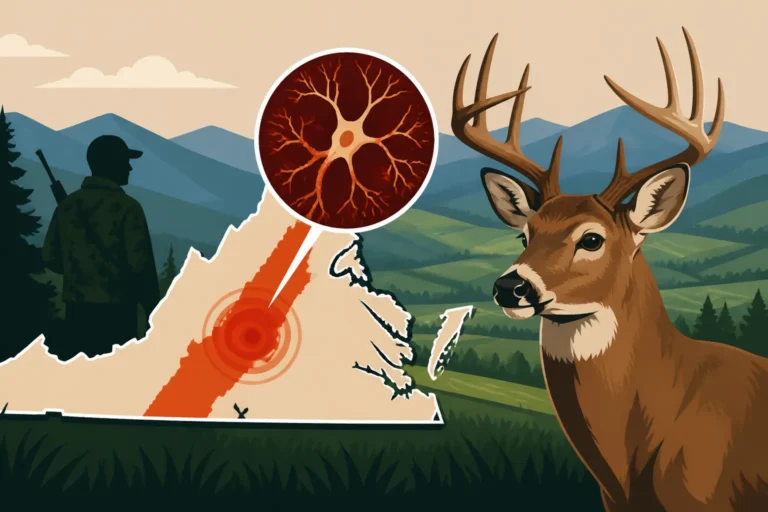
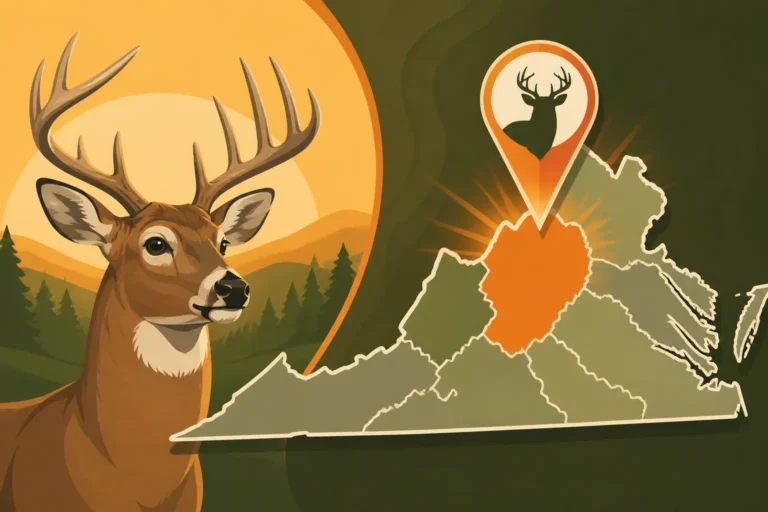
CWD is arguably the most talked-about and concerning disease for deer hunters in Virginia. It’s a neurological disease that affects cervids (deer, elk, moose), caused by an abnormal protein called a prion. It's always fatal. In Virginia, CWD has primarily been detected in the northern Shenandoah Valley and is slowly but steadily expanding its footprint. The DWR has established specific management areas, known as Disease Management Areas (DMAs), to contain and monitor the spread. Virginia's Eighteen-County CWD Footprint highlights just how serious this issue is becoming.
The symptoms of CWD can be subtle at first: a deer might appear thin, stumble, drool excessively, or show abnormal behavior like being unafraid of humans. These symptoms typically appear late in the disease progression, which makes early detection through monitoring and testing even more crucial. Hunters play a huge role here; mandatory sampling stations are often set up within DMAs, and cooperation from hunters is vital for collecting the data needed to understand prevalence and distribution. Using resources like GoHunt or the DWR's official app can help you quickly locate these testing sites and ensure you're compliant with regulations.
Epizootic Hemorrhagic Disease EHD
Unlike CWD, Epizootic Hemorrhagic Disease (EHD) is a much more common and cyclical disease in Virginia's deer population, and one that most veteran hunters have likely heard about or witnessed its effects. EHD is caused by a virus transmitted by biting midges, often called "no-see-ums" or "gnats." While it can cause significant deer mortality in local areas, especially during hot, dry summers followed by mild falls, it's not typically a long-term threat to the overall deer population. You often hear about it when hunters find deceased deer near water sources during late summer or early fall. EHD Die-Offs in Virginia Deer offers more insight into its local impacts.
The symptoms of EHD can include fever, swelling of the head, neck, and tongue, and hemorrhages in internal organs. Infected deer often become lethargic and seek water to cool down, which is why many are found dead near ponds or streams. While EHD is not known to be transmissible to humans, dogs, or livestock, it’s still critical for the DWR to track outbreaks to understand population impacts and inform future management decisions, especially when combined with other stressors.
Mange in Bears and Coyotes
Mange, particularly Sarcoptic mange, is a skin disease caused by microscopic mites that burrow into the skin. While it can affect a variety of mammals, it’s a notable concern for Virginia’s bear and coyote populations. For bears, mange outbreaks have been observed in certain regions, leading to severe hair loss, skin lesions, and often death due to exposure or secondary infections. These animals suffer immensely, and their compromised health can impact reproductive success and overall population vitality. Mange in Virginia Coyotes, Foxes and Bears details how widespread this issue can be.
For coyotes, mange is also present and can weaken individuals, making them less effective hunters and potentially impacting local populations. The DWR monitors mange incidents through reports from hunters and the public, as well as observations during wildlife captures and surveys. This helps track the severity and geographic spread of the disease, guiding any potential interventions or changes to hunting seasons in affected areas, such as the reduced bear seasons seen in certain counties.
Avian Influenza in Waterfowl
Waterfowl hunters, this one's for you. Highly Pathogenic Avian Influenza (HPAI) is a significant concern for bird populations, especially migratory waterfowl, which can act as carriers, spreading the virus over vast distances. While wild birds often don't show severe symptoms, HPAI can be devastating to domestic poultry and other wild bird species. The DWR, in coordination with federal agencies, closely monitors waterfowl populations for signs of avian influenza to prevent outbreaks and protect both wild and domestic bird health.
Hunters might encounter birds that appear lethargic, disoriented, or are found dead without obvious cause. While the risk to humans is considered low, precautions like wearing gloves when handling harvested birds and thoroughly cooking all game are always advised. Monitoring efforts include surveillance of wild bird populations, especially during migration periods, and responding to reports of unusual bird mortality. Avian Influenza in Virginia Birds is a must-read for any waterfowl enthusiast to understand the current situation.
How Virginia Monitors Wildlife Health
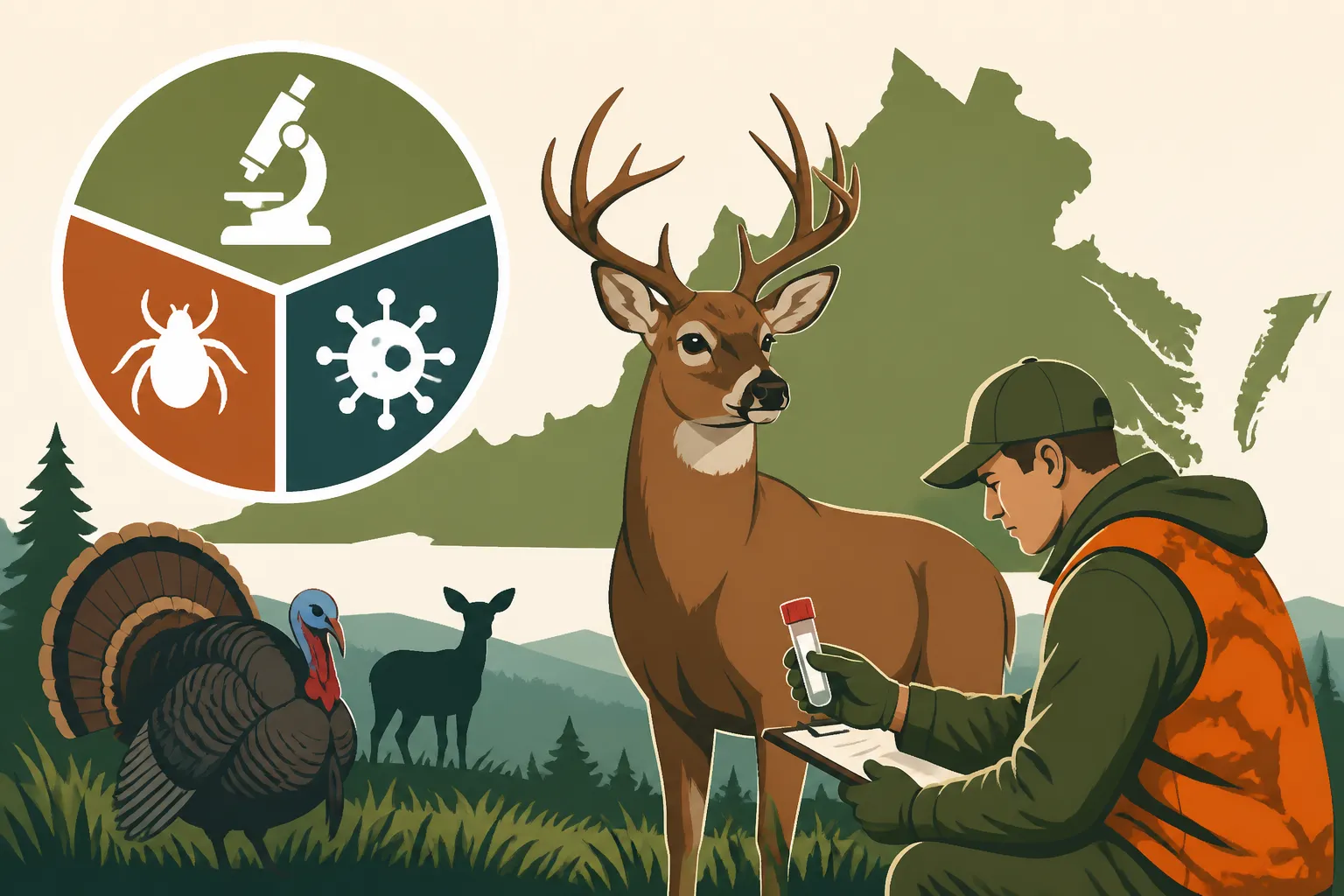
The DWR doesn't just sit back and wait for problems; they have robust systems in place to proactively monitor wildlife health across the state. These efforts rely on a combination of scientific expertise, dedicated field staff, and crucially, the active participation of Virginia's hunting community.
Hunter Reporting and Sampling Stations
You, the hunter, are often the first line of defense. When you're out in the field, you're essentially an extra set of eyes and ears for the DWR. Reporting any unusual sightings of sick or deceased animals is incredibly important. Whether it's a deer showing CWD symptoms, a bear with severe mange, or a cluster of dead ducks, your observations provide invaluable data points. The DWR has systems in place for reporting, often accessible through their website or the Go Outdoors Virginia app. A quick search on GoHunt could also lead you to the right reporting channels.
For diseases like CWD, mandatory sampling stations are established in DMAs during specific hunting seasons. Hunters harvesting deer in these areas are often required to bring their deer (or just the head, depending on local rules) to a check station for testing. This allows biologists to collect critical tissue samples to track the disease's prevalence and spread. This collective effort provides the most comprehensive picture of disease status.
Here's a quick look at common monitoring activities for different diseases:
| Disease | Primary Affected Species | Key Monitoring Methods | Hunter Role |
|---|---|---|---|
| Chronic Wasting Disease | Deer, Elk | Mandatory sampling, surveillance, public reports | Mandatory testing, reporting sick deer |
| Epizootic Hemorrhagic Disease | Deer | Public reports, seasonal observations | Reporting dead/sick deer, especially near water |
| Sarcoptic Mange | Bear, Coyote, Fox | Public reports, DWR observations during captures | Reporting mangy animals |
| Highly Pathogenic Avian Influenza | Waterfowl, Wild Birds | Surveillance, testing of wild bird samples, public reports | Reporting unusual bird deaths/symptoms, safe handling |
Carcass Movement and Feeding Restrictions
One of the most effective ways to slow the spread of diseases like CWD is to limit the movement of potentially infected materials. This is why Virginia has strict Virginia Carcass Movement Restrictions in place for deer harvested within a CWD Disease Management Area. Essentially, certain parts of the deer, particularly the brain and spinal cord, which can harbor prions, cannot be transported out of a DMA. Hunters are often encouraged to process their deer within the DMA or only transport deboned meat, hides, and cleaned skull plates or antlers. These rules are crucial and designed to prevent accidentally introducing the disease to new, unaffected areas.
Coupled with carcass movement restrictions are Virginia's Twenty-Five-Mile Feeding Ban zones. Feeding deer concentrates animals in one spot, which can significantly increase the risk of disease transmission, especially for a disease like CWD that can persist in the environment. By restricting artificial feeding, the DWR aims to reduce deer congregation and minimize the chances of disease spreading through nose-to-nose contact or contaminated feed sites.
DWR Surveillance Programs
Beyond hunter-centric initiatives, the Virginia DWR conducts extensive surveillance programs. This includes regular testing of harvested animals (not just from DMAs), live capture and sampling, and necropsies (animal autopsies) on found carcasses. They also track wildlife mortality events across the state, looking for patterns or unusual spikes that might indicate an emerging health issue. This scientific detective work provides the backbone for Virginia's wildlife disease management.
These programs often involve partnerships with universities, veterinary diagnostic labs, and federal agencies. Scientists analyze samples, track genetic markers, and study disease ecology to understand how diseases behave in Virginia's specific landscapes and populations. It's a continuous, evolving process of research and adaptation, always striving to improve our understanding and response to wildlife health challenges.
What Hunters Can Do to Help
As hunters, we have a deep connection to the land and its wildlife. This connection comes with a responsibility to be part of the solution when it comes to disease monitoring and prevention. Your actions in the field directly contribute to the health of Virginia's game species and the future of our hunting heritage.
Practicing Responsible Carcass Disposal
Proper carcass disposal is a simple yet powerful way you can help prevent the spread of wildlife diseases. If you harvest a deer outside of a CWD DMA, or process your deer within one, the safest practice for disposing of the remaining carcass parts (bones, entrails, etc.) is to leave them at the kill site or bury them deeply. This prevents scavengers from potentially spreading disease, and ensures that any prions or pathogens remain localized. Never dispose of carcasses in publicly accessible areas, waterways, or landfills unless specifically instructed by the DWR.
For hunters in or near a CWD DMA, strict adherence to carcass movement restrictions is paramount. If you're unsure about the rules for your specific hunting location, always check the current DWR regulations or consult the DWR's online resources. Tools like GoHunt or the Virginia DWR app are excellent for quickly checking your location against CWD zones. By being diligent, you're actively protecting deer populations in unaffected regions of Virginia.
Recognizing and Reporting Sick Animals
As mentioned earlier, your eyes are vital to early detection. Spend a moment to familiarize yourself with the signs and symptoms of common diseases like CWD, EHD, and mange. If you encounter a deer, bear, or any other game animal that appears lethargic, emaciated, disoriented, or exhibits unusual behaviors, it's crucial to Reporting a Sick Animal in Virginia to the DWR.
Don't approach or handle sick or deceased animals unless you are a trained professional, as some diseases can be transmitted through direct contact. Instead, note the exact location (GPS coordinates if possible!), the species, and a brief description of what you observed. Then, contact your local DWR office or use their online reporting system. This information, even if it turns out to be nothing serious, helps the DWR track potential outbreaks and maintain a real-time pulse on wildlife health across the Commonwealth.
Disclaimer
This article is for general informational purposes only and does not constitute professional advice. Laws, prices and regulations vary by location and change over time. Consult a qualified professional for guidance on your specific situation.