Best Public Ground for Blue Ridge Deer
Finding quality public ground for deer in Virginia's Blue Ridge can feel like looking for a needle in a haystack, especially when you're up against vast, rugged terrain and the occasional crowd. It's not like hunting flatland agricultural fields where deer patterns might be more predictable. Here, the mountains demand a different approach, a keen eye for subtle sign, and a willingness to work harder. This guide will help you navigate the unique challenges and incredible rewards of pursuing whitetails in the stunning, unforgiving beauty of Virginia's Blue Ridge Mountains, pointing you toward some of the best public lands and strategies to find success.
Understanding the Blue Ridge Landscape for Deer
The Blue Ridge Mountains, running like a spine through western Virginia, present a hunting environment unlike any other in the state. We're talking about elevations that climb, steep hollows that drop, and an incredible diversity of forest cover. It's a land of hard climbs and even harder drags, but it's also where some of Virginia's most elusive and impressive whitetails make their home. You won't find the sheer numbers of deer you might see in the Piedmont, but the bucks that survive here are tough, smart, and often carry impressive racks.
Topography and Habitat
The terrain itself is the first major factor. You're dealing with mountains, plain and simple. Expect steep inclines, deep hollows, and rocky outcroppings. This kind of topography naturally funnels deer movement in predictable ways, if you know what to look for. Ridge tops, saddles, benches, and creek bottoms become critical travel corridors and bedding areas. Don't let the vastness overwhelm you; instead, break it down into smaller, more manageable sections, focusing on these key topographical features.
The habitat is predominantly mature hardwood forest, with oaks, hickories, and beeches dominating the landscape. This means mast crops—acorns, hickory nuts, and beechnuts—are the primary food source for deer, especially in the fall. A good mast crop year can spread deer out, making them harder to find, while a poor mast year will concentrate them around the few areas producing food, or drive them into lower elevations and agricultural edges if available. Keep an eye on the mast conditions year-to-year; it's a huge clue for where deer will be feeding. Also, look for natural springs or seepages, as water sources can be just as important as food, particularly during dry spells or in areas far from streams.
Deer Behavior in Mountainous Terrain
Deer in the Blue Ridge are masters of using the elevation to their advantage. They often bed high on the leeward sides of ridges, seeking thermal cover and a vantage point to detect danger approaching from below. As thermals rise in the morning and fall in the evening, deer adjust their positions. Understanding Wind and Thermals on a Blue Ridge Slope is absolutely crucial here; if you hunt against the thermals, your scent will broadcast your presence long before you see a deer.
Travel corridors often follow benches—those flatter sections along a hillside—or saddles, which are dips in a ridge line that make for easier crossing. Reading a Ridge for Blue Ridge Deer becomes second nature once you spend enough time out there. Deer will use these features to conserve energy, moving along the contour rather than constantly climbing up and down. They also tend to move more during daylight hours in these rugged areas, as they don't have the same level of human interaction as deer in more populated zones. This provides a great opportunity for patient still-hunters or those who can sit on a stand for extended periods.
Key Public Land Areas in the Blue Ridge
Virginia is fortunate to have a significant amount of public land accessible to hunters in the Blue Ridge, primarily through our National Forests and, to a lesser extent, certain Wildlife Management Areas (WMAs) and State Forests. These vast tracts offer incredible opportunities, but they also demand respect for their rugged nature and the sheer effort required to navigate them.
George Washington and Jefferson National Forests
These two magnificent National Forests are the crown jewels of public hunting in Virginia's Blue Ridge. Together, they offer hundreds of thousands of acres spanning the western part of the state. George Washington National Forest Hunting is a unique experience, often characterized by steep slopes, thick laurel thickets, and remote hollows. Similarly, Jefferson National Forest Hunting provides vast expanses of wild land, with elevations that can challenge even the most seasoned hunter.
The sheer size of these forests can be intimidating, but it's also their greatest asset. It means there's always new ground to explore and plenty of room to get away from other hunters. Focus your efforts on areas that are at least a mile or more from established roads or popular access points. Many hunters won't venture that far, and these deeper sections often hold older, less pressured bucks. Look for benches, saddles between ridges, and thickets of mountain laurel or dense pines on south-facing slopes, which offer excellent bedding cover, especially in colder weather. Creek bottoms can also be productive, as they provide water and often softer ground for easier travel, creating natural funnels.
State Forests and Wildlife Management Areas (WMAs)
While not as expansive as the National Forests, Virginia's State Forests and Wildlife Management Areas (WMAs) in or near the Blue Ridge can be fantastic, albeit often smaller, options. Places like G. Richard Thompson WMA in Fauquier County, or portions of other WMAs that butt up against the mountains, can offer a mix of habitat types, from mature timber to reclaimed clear-cuts and even some managed fields. These areas tend to be more intensively managed for wildlife, which can sometimes mean better habitat, but also often means more hunting pressure, especially on opening day.
The key to success on WMAs is often to scout diligently and be willing to walk further than others. Even on smaller parcels, a long walk in can get you away from the crowds. Pay close attention to the rules for each specific WMA, as they can vary regarding access, hunting hours, and specific deer regulations. Many WMAs require a What a Virginia WMA Access Permit Covers in addition to your regular hunting license, so make sure you're squared away before you head out. These areas can be excellent for those who prefer slightly more accessible hunting grounds, but still want a wild feel.
| Feature | George Washington/Jefferson National Forests | Virginia Wildlife Management Areas (WMAs) |
|---|---|---|
| Size | Vast, hundreds of thousands of acres | Smaller, typically hundreds to a few thousand acres |
| Terrain | Predominantly rugged, steep mountains, deep hollows | Variable, often hilly to mountainous, but can include flatter sections |
| Habitat | Mature hardwood forests, some pine, natural mast crops | Managed forests, mixed hardwoods/pines, food plots, clear-cuts |
| Access | Numerous forest roads, hiking trails; often remote | Designated parking areas, established trails; generally more accessible |
| Hunting Pressure | Can be high near roads, but easy to escape with effort | Often higher due to smaller size and easier access |
| Regulations | General statewide regulations, special local rules (e.g., specific dates) | Specific WMA regulations, often more restrictive (e.g., sign-in, quota hunts) |
| Permits | Standard hunting license, Big Game license | Standard licenses + WMA Access Permit often required |
| Best For | Hunters seeking solitude, wilderness experience, challenging terrain | Hunters looking for managed habitat, potentially higher deer density in spots |
Strategies for Scouting and Hunting Blue Ridge Public Land
Hunting the Blue Ridge is as much about strategy and preparation as it is about time in the woods. You can't just stumble into a great spot; it requires thoughtful scouting, smart use of modern tools, and an understanding of how to hunt these unique conditions.
Pre-Season Scouting and Mapping Tools
Before your boots even hit the dirt, you should be doing some serious homework. Start with mapping applications like onX Hunt or GoHunt. These tools are invaluable for identifying property lines (crucial for public land), contour lines (to find those benches and saddles), and potential access points. You can mark areas of interest, potential bedding sites, and escape routes long before the season even opens. Look for pinch points created by topography, old logging roads that deer might use, and areas of dense cover that would be appealing bedding spots. Scouting Virginia Public Land Before Season is not just an option, it's a necessity, and these digital tools are your first line of defense.
Once you have a few promising spots identified on your map, it's time for boots-on-the-ground scouting. Hike those ridges, walk those creek bottoms, and explore those thickets. Look for fresh deer sign: rubs, scrapes (especially along logging roads or ridge tops), tracks, and droppings. Identify mast trees and check for acorn production. Pay attention to game trails, particularly where they cross saddles or converge along benches. Don't be afraid to walk a little farther than you think is necessary; often, the best sign is found just beyond where most casual hunters turn back. Remember, deer will often travel further into the wilderness areas to avoid pressure.
Tactics for Mountain Deer
When it comes to actual hunting, two primary methods stand out for Blue Ridge deer: still-hunting and stand hunting. Still-hunting, moving slowly and deliberately through the woods, can be incredibly effective here. The dense cover and broken terrain allow you to approach deer unseen if you are patient and pay close attention to the wind and thermals. Focus on moving into the wind or crosswind, slowly glassing ahead and to the sides, taking a few steps, then stopping for several minutes to observe and listen. This allows you to cover more ground than sitting in a stand, which can be advantageous in vast public lands where deer might be spread out. For this, Still-Hunting Jefferson Forest Ridges provides excellent insights into effective techniques.
For stand hunting, placement is everything. You're often dealing with limited sightlines, so positioning your stand to cover a primary travel corridor, a saddle, or a bench system is critical. Think about prevailing winds and thermals. If you're on a ridge line, consider how thermals will affect your scent throughout the day. Often, a morning hunt might be best on the lower third of a slope, letting your scent rise, while an evening hunt might be better higher up, letting your scent fall away from deer approaching from below. Treestand Setups in George Washington National Forest requires careful thought, especially regarding tree selection and access routes that won't spook deer. Look for natural funnels where deer movement is concentrated, such as narrow sections of benches, saddles, or the confluence of several game trails.
Overcoming Challenges and Maximizing Success
Hunting in the Blue Ridge is undeniably challenging, but that's also what makes it so rewarding. It pushes you physically and mentally, and success here feels truly earned. Recognizing and preparing for these challenges will significantly increase your odds of punching a tag.
Dealing with Hunting Pressure
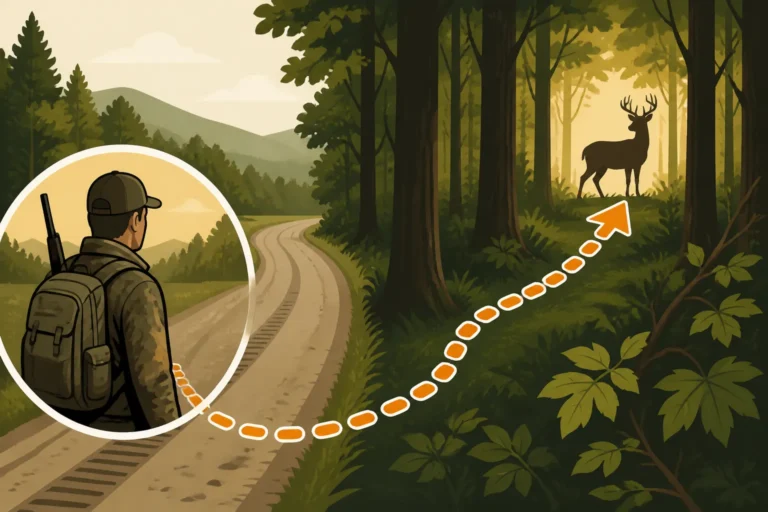
Public lands, especially those with good access, often see significant hunting pressure, particularly during opening weekends of firearms season. This pressure can push deer into the thickest, nastiest cover, or drive them deeper into remote areas. Your best strategy is to embrace the "walk-in" approach. Use your mapping apps, like onX Hunt, to identify areas that are a mile, two, or even three miles from the nearest parking area or road. Most hunters won't venture that far, leaving those remote pockets relatively undisturbed. Deer that feel pressured quickly learn to associate human presence with easier-to-access areas.
Consider hunting during the week rather than on weekends if your schedule allows, or during less popular seasons like late archery. Also, look for terrain features that are difficult to access – steep draws, rocky faces, or dense thickets. These are often natural sanctuaries where deer will seek refuge. Don't be afraid to Finding Ground Others Walk Past by looking at the topo map for those steep-sided points or hard-to-reach benches that others overlook. Even small variations in terrain can offer a buck enough sense of security to hunker down.
Physical Demands and Preparation
Let's be honest: hunting the Blue Ridge is a workout. You'll be climbing steep slopes, navigating uneven terrain, and potentially dragging a deer out of a deep hollow. Physical conditioning is not just recommended; it's essential for safety and success. Start conditioning well before the season by hiking with a loaded pack, hitting the stair climber, or simply walking hills in your local area. The better shape you're in, the further you can go, the more effectively you can hunt, and the safer you'll be. This is especially true if you're exploring Hunting West of the Blue Ridge, where the mountains can be particularly rugged.
Beyond physical fitness, having the right gear is critical. Sturdy, comfortable hiking boots are non-negotiable. A quality backpack that can carry your essentials—water, snacks, first-aid kit, game bags, and an emergency shelter—is also vital. A GPS unit or a reliable mapping app on your phone (with downloaded offline maps!) is a lifesaver in vast, unfamiliar terrain. Good optics, like binoculars or a spotting scope, can help you pick apart distant ridges and spot subtle deer movement. Finally, always let someone know where you're going and when you expect to return, especially when venturing into remote areas. It's not just about bagging a deer; it's about getting home safely. Consider the type of weather you might encounter, too. The Blue Ridge can have rapidly changing conditions, from warm, sunny days to sudden cold fronts, rain, or even early snow. Layering your clothing is key.
Hunting the Blue Ridge for deer is an experience that will challenge you, humble you, and ultimately reward you with incredible memories and perhaps, some hard-earned venison. It requires preparation, persistence, and a deep appreciation for the wild. Whether you're chasing them during Bowhunting Virginia's Statewide Archery Season or later in Virginia's General Firearms Deer Season, the mountains offer a truly wild hunt.
Disclaimer
This article is for general informational purposes only and does not constitute professional advice. Laws, prices and regulations vary by location and change over time. Consult a qualified professional for guidance on your specific situation.