DMA3 and DMA4 Southwest Virginia Rules
Navigating the specific hunting regulations within Virginia's Chronic Wasting Disease (CWD) Management Areas can feel like trying to untangle a particularly stubborn fishing knot, especially when you're just trying to enjoy your time afield. The frustration is real when you want to do the right thing but the rules seem to shift and change depending on which county line you cross. This comprehensive guide is here to shed light on the unique rules governing DMA3 and DMA4 in Southwest Virginia, ensuring you understand exactly what's required and how you can contribute to managing this critical wildlife health issue.
Understanding Virginia's Chronic Wasting Disease Management Areas
Chronic Wasting Disease (CWD) is a neurological disease affecting deer, elk, and moose. It's always fatal, and there's no cure. As hunters, we have a vital role to play in monitoring and managing its spread, which is why the Virginia Department of Wildlife Resources (DWR) has established specific Chronic Wasting Disease Management Areas (DMAs). These aren't just arbitrary lines on a map; they're critical zones where special regulations are put in place to help detect, contain, and slow the progression of CWD within the deer herd.
What is CWD and Why Does Virginia Have DMAs?
CWD is caused by abnormal proteins called prions, which can persist in the environment for years, making its management incredibly challenging. Once a deer contracts CWD, its brain and nervous system slowly degenerate, leading to symptoms like emaciation, abnormal behavior, and drooling. The concern isn't just for the individual animal; it's about the long-term health and sustainability of Virginia's deer population. The Virginia DWR has identified several areas across the Commonwealth where CWD has been detected, and these are designated as DMAs. You can learn more about Virginia's Four Chronic Wasting Disease Areas in detail to grasp the statewide picture. These zones are established to prevent further spread by implementing stricter rules on carcass movement, feeding, and mandatory testing. It’s a proactive step to protect the health of our deer for future generations of hunters.
The General Purpose of DMAs
At their core, DMAs serve as a protective barrier, designed to limit the movement of potential CWD prions, whether they're in a deer's carcass, bone, or even soil. The overarching goal is to minimize human-assisted spread of the disease. This means hunters in DMAs face different rules regarding what they can do with their harvested deer, where they can take them, and sometimes, even how they must report them. While these regulations can sometimes feel like an added hassle, they are fundamental to the DWR's strategy in trying to contain a disease that has no known cure. By understanding and adhering to these rules, every hunter becomes a crucial part of the solution, helping to safeguard Virginia's incredible wildlife resources.
Focusing on DMA3 in Southwest Virginia
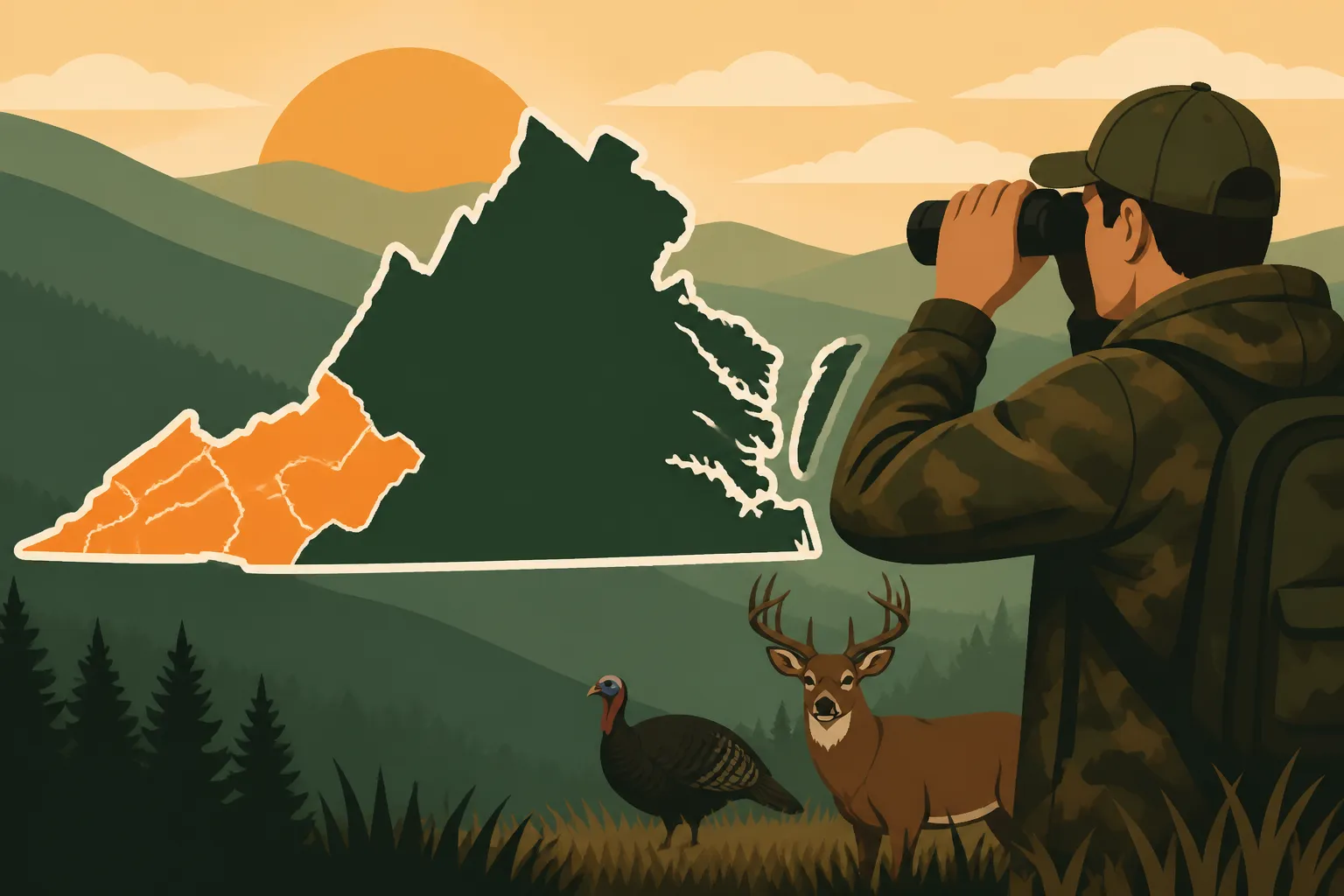
Southwest Virginia is known for its rugged mountains, dense forests, and, unfortunately, some areas where CWD has been detected. DMA3 is one such zone, specifically established to manage CWD in a cluster of counties in the far southwestern part of the state. Knowing these boundaries is your first step to being a responsible hunter in this region.
Geographic Boundaries and Affected Counties
DMA3 encompasses specific counties in Virginia's extreme southwest. Currently, this includes Buchanan, Dickenson, Russell, and Wise Counties. It's important to remember that these boundaries can change, so always check the latest DWR regulations before heading out. Imagine you're hunting deer in the deep timber of Russell County, enjoying the crisp autumn air. If you harvest a buck there, you’re operating under DMA3 rules. These counties share borders with other states, making the management of CWD even more complex, as deer don't respect state lines. Understanding the precise boundaries is critical, as a few miles can make all the difference in the regulations you must follow. Hunters often use tools like the GoHunt app to overlay these specific DMA boundaries onto their maps, which can be a real game-changer when planning a hunt in potentially overlapping zones.
Specific Hunting Regulations in DMA3
Hunting in DMA3 comes with a distinct set of regulations beyond the standard statewide Virginia deer season structure. The most significant regulations revolve around mandatory CWD testing requirements and strict carcass movement restrictions. If you harvest a deer within Buchanan, Dickenson, Russell, or Wise County, you must submit its head for CWD testing at an authorized DWR sampling station within 24 hours of harvest. This isn't optional; it's a legal requirement designed to monitor disease prevalence and spread.
Furthermore, you cannot move certain parts of a deer carcass out of DMA3. This means you can't simply take your whole deer home to another county if that county isn't also within a DMA. You can only transport the following out of a DMA: deboned meat, quarters or other parts that contain no spinal column or head material, hides, cleaned skull plates (antlers attached) or cleaned skulls (no meat or tissue attached), and finished taxidermy products. This is to prevent the physical movement of prions, which are most concentrated in the brain and spinal cord. For example, if you shoot a deer near Haysi in Dickenson County, you’ll need to debone it or process it locally if you intend to take it back to a non-DMA county. These rules are non-negotiable and are crucial for slowing the disease's spread. You can find more detail on Virginia Carcass Movement Restrictions for a broader understanding.
Navigating DMA4 in Southwest Virginia
Just like DMA3, DMA4 is another critical CWD management area in Southwest Virginia, addressing a separate cluster of affected deer populations. While the principles are similar, the specific geographic scope and sometimes nuanced local rules require careful attention from hunters.
Geographic Boundaries and Affected Counties
DMA4 covers a different, but equally important, set of counties in Southwest Virginia. Currently, this includes Smyth and Tazewell Counties. Again, it's vital to stay updated on the Virginia DWR website for any potential changes to these boundaries. If you're planning to hunt near Hungry Mother State Park in Smyth County or the vast public lands within Tazewell, you'll be operating under DMA4 regulations. These areas, with their unique landscapes and deer populations, require tailored management efforts to keep CWD contained. The topography here, with its interspersed agricultural lands and mountain ranges, creates unique challenges for monitoring wildlife movement and potential disease transmission.
Specific Hunting Regulations in DMA4
Similar to DMA3, hunters in DMA4 are subject to mandatory CWD testing and carcass movement restrictions. Any deer harvested in Smyth or Tazewell Counties must have its head submitted for CWD testing at an official DWR sampling station within 24 hours. This is a crucial step for the DWR to understand the prevalence and geographic extent of the disease in these areas. Think of it as a community effort: every hunter's contribution to testing provides invaluable data that helps wildlife managers make informed decisions.
The carcass movement restrictions in DMA4 mirror those in DMA3. You cannot transport whole carcasses, spinal columns, or brains out of the zone. This means you must process your deer down to deboned meat, cleaned skulls, or other approved parts before leaving Smyth or Tazewell County if your destination is outside a DMA. For instance, if you harvest a deer near Richlands in Tazewell County and live in an unaffected county, you'll need to process your animal before transporting it home. These rules are designed to prevent the accidental spread of prions to new areas, protecting the health of deer herds across the entire state. Make sure to check Virginia CWD Testing for Hunters for the most current locations and procedures.
Mandatory CWD Testing and Carcass Movement Restrictions
The cornerstone of CWD management in DMAs is the mandatory testing of harvested deer and strict regulations on how deer carcasses can be moved. These measures are in place to gather vital data and prevent the physical spread of prWD, which are highly resistant and can remain infectious in the environment for years.
How and Where to Get Deer Tested
When you harvest a deer in DMA3 or DMA4, submitting the head for CWD testing is not just recommended, it's a legal requirement. The Virginia DWR sets up designated CWD sampling stations, often at local DWR offices, certain private processors, or even self-serve kiosks, particularly during the peak deer hunting seasons. These stations are equipped to collect the lymph node tissue needed for testing. You’ll typically need to fill out a short form, providing your contact information and the exact location of your harvest. Make sure you know where your nearest sampling station is before you head out hunting. Many hunters use the GoHunt app or the DWR's online map to locate these stations and plan their post-harvest route. It's often a good idea to have a cooler or appropriate container ready to transport the head safely, especially on warmer days, to ensure the sample remains viable for testing. You can typically expect test results within a few weeks, which the DWR will communicate to you directly. The data collected from these tests directly informs DWR's understanding of How Many Deer Have Tested CWD-Positive in Virginia.
Rules for Transporting Carcasses In and Out of DMAs
The carcass movement rules are designed to be quite precise, focusing on preventing the transport of those parts of the deer that are most likely to contain CWD prions. If you harvest a deer inside DMA3 or DMA4, you can only transport the following items out of those DMAs:
- Deboned meat
- Cleaned skull plates (antlers still attached are fine)
- Cleaned skulls (no brain or tissue matter)
- Hides
- Finished taxidermy products
This means that transporting a whole carcass, or even a quarter with bone-in, out of a DMA is generally prohibited unless you are transporting it directly to another DMA, or to a licensed processor or taxidermist within a DMA. Conversely, bringing certain carcass parts into a Virginia DMA from another state or an uninfected area can also be restricted. The key is to minimize the potential for prions to be introduced or spread. It's a pain point for sure, needing to process a deer in the field or find a local processor, but it's a small price to pay to protect the wider deer population from this devastating disease. Understanding Virginia Carcass Movement Restrictions is paramount for any hunter crossing DMA boundaries.
Preventative Measures and Hunter Contributions
While mandatory testing and carcass restrictions are critical, there are other preventative measures hunters can take, and should be aware of, to help control CWD. These largely revolve around minimizing artificial congregation of deer and reporting any suspicious animal behavior.
The Importance of the Twenty-Five-Mile Feeding Ban
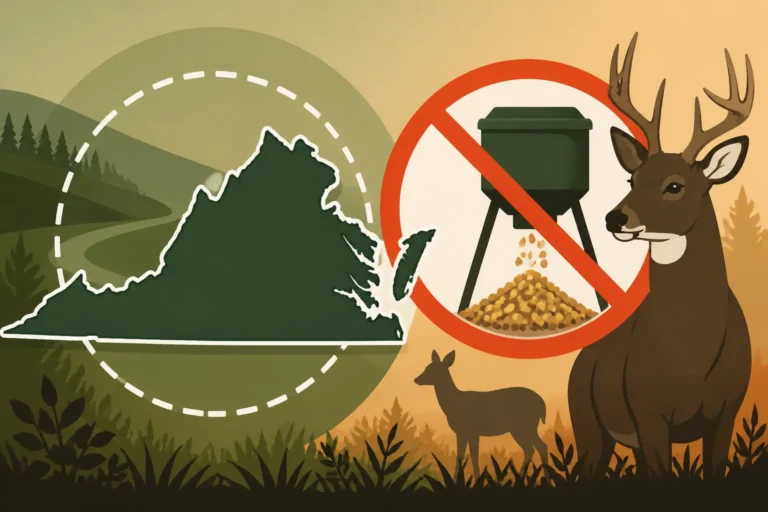
Within and surrounding CWD Management Areas, Virginia often implements a Virginia's Twenty-Five-Mile Feeding Ban. This isn't just a suggestion; it's a critical regulation designed to prevent deer from congregating unnaturally at bait sites or supplemental feeders. Why is this so important? Because CWD prions are shed through saliva, urine, and feces. When deer gather in close proximity at a feeder or bait pile, the risk of disease transmission through direct contact or environmental contamination increases exponentially. Even if a deer isn't showing symptoms, it could be shedding prions, contaminating the feed site for other deer.
Imagine a corn pile in a DMA. Deer visit it repeatedly, depositing bodily fluids that could contain prions. If an infected deer visits, it leaves those prions behind, and other deer coming to the same spot can easily pick them up. This ban is tough on some traditional hunting methods, but it's a necessary step to reduce the density-dependent spread of CWD. As hunters, respecting this ban is one of the most direct ways we can help prevent the disease from establishing a stronger foothold and spreading to new areas.
What Hunters Can Do to Help Stop the Spread
Beyond following all regulations, hunters have a profound responsibility and opportunity to contribute to CWD management.
- Be Observant: If you see a deer exhibiting unusual behavior—extreme emaciation, drooling, difficulty walking, or acting disoriented—do not harvest it. Instead, immediately report it to the Virginia DWR. You can easily do this through their website or the Go Outdoors Virginia mobile app. Identifying and reporting sick animals helps DWR track potential outbreaks and remove infected animals from the population. Learning how to identify and report a sick animal is key to Reporting a Sick Animal in Virginia.
- Clean Equipment Thoroughly: CWD prions can adhere to surfaces. After processing a deer, thoroughly clean all knives, tools, and surfaces with a bleach solution (50/50 bleach and water) or other prion-deactivating agents. This includes your vehicle, cooler, and even your boots if you've been in contact with brain or spinal tissue.
- Support Research and Management: Stay informed about the latest CWD research and DWR's management strategies. Your license fees and active participation directly support these critical efforts.
- Volunteer: Sometimes the DWR needs volunteers for sampling efforts or educational outreach. Getting involved can be a rewarding way to directly support wildlife conservation.
Every action, no matter how small it seems, contributes to the larger effort to manage CWD and protect Virginia's incredible deer herd.
Staying Informed and Planning Your Hunt
The regulations around CWD are dynamic; they can change based on new scientific information or the detection of new cases. As such, staying continuously informed is perhaps the most crucial step for any hunter planning to pursue deer in or near Virginia’s DMAs.
Using DWR Resources and Tools
The Virginia Department of Wildlife Resources (DWR) is the primary and most reliable source for up-to-date CWD information. Their website is a treasure trove of resources, offering detailed maps of DMAs, lists of affected counties, sampling station locations, and the latest regulatory updates. Before every hunting season, or even before each hunt if you're venturing into a new area, make it a habit to check the DWR website. You can also subscribe to their newsletters or follow their social media channels for real-time alerts.
Beyond the website, the DWR often provides mobile applications, such as the Go Outdoors Virginia app, which can be invaluable. These apps can offer interactive maps that show DMA boundaries, help you locate deer checking stations, and even allow you to report your harvest directly. For advanced planning, many dedicated hunters use mapping apps like GoHunt that allow you to overlay private and public land boundaries with DWR data, giving you a clear picture of where you stand in relation to DMA lines. This kind of preparation ensures you’re not caught off guard by a regulation you weren’t aware of. For more general information on how to prepare for your hunts, consider reading Scouting With the Virginia DWR App.
Planning a Hunt in a CWD Zone
Planning a hunt in a CWD zone requires a little extra homework, but it’s entirely manageable. Here’s a quick rundown of considerations:
| Aspect | Action Item | Why It Matters |
|---|---|---|
| Check DMA Boundaries | Verify the current boundaries of DMA3 and DMA4 on the DWR website. | Boundaries can shift; ensures compliance with the most recent regulations. |
| Locate Testing Stations | Pinpoint official CWD sampling stations within or near your hunting area. | Mandatory testing requires knowing where to submit your deer's head promptly. |
| Carcass Plan | Plan for field dressing and processing before you hunt. | Ensures you can comply with carcass movement restrictions immediately after harvest. |
| Feeding Ban | Confirm the 25-mile feeding ban status for your hunting location. | Prevents fines and reduces CWD transmission risk by avoiding deer congregation. |
| Public vs. Private | Understand specific rules for public lands (like National Forests or WMAs) vs. private land within DMAs. | Some rules might vary slightly, impacting treestand use or access. |
| Gear Cleanliness | Prepare cleaning supplies (bleach solution, gloves) for post-harvest equipment. | Crucial for preventing prion spread via contaminated tools. |
When considering a hunting trip to areas like the George Washington National Forest, which might border or overlap with certain DMAs, having a robust plan becomes even more important. Understanding Virginia Deer Season Structure Explained is also critical, as even within DMAs, the overall season framework will still apply. Don’t wait until you’ve got a deer on the ground to figure out the logistics. By proactively preparing for these additional steps, you can still enjoy a successful and compliant hunt in Southwest Virginia, contributing positively to wildlife management efforts.
Disclaimer
The information provided in this article is for general guidance only and is based on current regulations at the time of writing. Hunting regulations, including those pertaining to Chronic Wasting Disease Management Areas, are subject to change. It is the hunter's sole responsibility to consult the most current Virginia Department of Wildlife Resources (DWR) regulations and local ordinances before engaging in any hunting activities. Always refer to the official DWR website or contact them directly for the most accurate and up-to-date information.