DMA2 Northern Virginia Rules
The spread of Chronic Wasting Disease (CWD) is a serious concern for Virginia hunters, introducing a new layer of complexity to our beloved pastime. Navigating the ever-evolving regulations within designated Disease Management Areas (DMAs) can feel like deciphering a cryptic code, especially when you're just trying to enjoy a hunt. This guide aims to demystify the rules and best practices for hunting in Virginia's DMA2, helping you understand what's required and how to be a responsible steward of our deer herd.
Understanding Virginia's Disease Management Areas
Chronic Wasting Disease (CWD) is a highly contagious, fatal neurological disease affecting deer, elk, and moose. It's caused by abnormal proteins called prions and leads to behavioral changes, emaciation, and ultimately death. As hunters, we're on the front lines of detecting and managing this threat to our wildlife. The Virginia Department of Wildlife Resources (DWR) establishes Disease Management Areas to control CWD's spread, and understanding these zones is crucial.
Identifying the Counties of DMA2
When discussing CWD, it’s essential to rely on the most current information from the Virginia DWR, as boundaries and designations can shift. While some historical or colloquial references might associate "Northern Virginia" with DMA2, the DWR's current official designation for DMA2 primarily encompasses counties in the Shenandoah Valley and Western Virginia. Specifically, DMA2 includes Alleghany, Augusta, Bath, Highland, Rockbridge, and Rockingham counties. This area is distinct from DMA1, which covers many of the actual Northern Virginia counties like Frederick, Clarke, Fauquier, Loudoun, and others that saw earlier CWD detections.
It's common for hunters to be a bit confused, as CWD has impacted different parts of the state at various times. The focus of DMA2 is to manage the disease within its designated geographical footprint in the western part of the state, distinct from the initial CWD cases found further east. You can learn more about how the disease is spread and monitored across the state by understanding Virginia's Eighteen CWD Counties and Virginia's Four Chronic Wasting Disease Areas. Staying informed about which DMA applies to your hunting grounds is the first critical step in compliance.
The Purpose of Disease Management Areas
The DWR establishes DMAs with a clear, science-backed objective: to contain and slow the spread of CWD within the deer population. This isn't just about protecting deer; it's about preserving the future of hunting in Virginia. Without proactive management, CWD could devastate deer herds, reduce hunting opportunities, and impact the ecological balance of our forests. The rules implemented in DMAs are designed to minimize human-assisted spread of the disease, recognizing that hunters play a significant role in both detection and prevention.
These areas are essentially designated hot zones where CWD has been detected. The DWR implements intensified surveillance and specific regulations within these boundaries to monitor prevalence, identify new cases, and prevent the movement of potentially infected carcasses or materials to uninfected regions. It’s a collective effort, and every hunter's adherence to these rules is vital for the health of Virginia's deer herd.
Specific Hunting Regulations Within DMA2
Hunting within a CWD Disease Management Area comes with a distinct set of regulations that differ from statewide rules. These aren't meant to make your hunt harder, but to safeguard the health of the entire deer herd. Ignoring these rules can have serious consequences, both for wildlife and for your hunting privileges. It's imperative to familiarize yourself with every nuance before you even step foot in the woods.
Mandatory CWD Testing and Sampling
Perhaps the most significant difference when hunting in DMA2 is the requirement for mandatory CWD testing. For specific periods during the deer season, typically during the opening weekends of firearms season, hunters harvesting deer in DMA2 counties are required to bring their deer to a DWR sampling station for CWD testing. This isn't optional; it's a critical part of the DWR's surveillance efforts. Locations and operating hours for these stations are usually announced well in advance on the DWR website and through local offices.
Even outside of mandatory testing periods, hunters are strongly encouraged to submit samples voluntarily. The more data DWR collects, the clearer picture they have of CWD prevalence and spread, which directly informs future management decisions. Before heading out, it's wise to plan your hunt around these testing requirements, especially if you're targeting a high-traffic area during opening weekend. Checking the DWR website or using tools like GoHunt to mark known sampling station locations on your map can save a lot of last-minute scrambling. Information on specific requirements can often be found under resources like Mandatory Testing Inside a Virginia DMA.
Carcass Movement Restrictions
One of the primary ways CWD can spread is through the movement of infected deer carcasses. Therefore, strict carcass movement restrictions are in place within DMA2. Generally, hunters are prohibited from moving a whole deer carcass out of DMA2. This means if you harvest a deer in Alleghany County, you cannot simply load it whole onto your truck and take it home to a non-DMA county for processing. The skull, brain, spinal cord, and certain other lymphatic tissues are of particular concern as they are known to concentrate prions.
However, certain parts are allowed to leave the DMA, provided they are prepared correctly. These include deboned meat, antlers (with no skull plate attached, or a cleaned skull plate free of brain tissue), hides (free of any tissue), and cleaned teeth. The goal is to remove all high-risk tissues before transport. Understanding these Virginia Carcass Movement Restrictions is paramount to avoiding fines and contributing to disease control. Hunters often process their deer in the field or at local butcher shops within the DMA to ensure compliance.
Feeding and Baiting Prohibitions
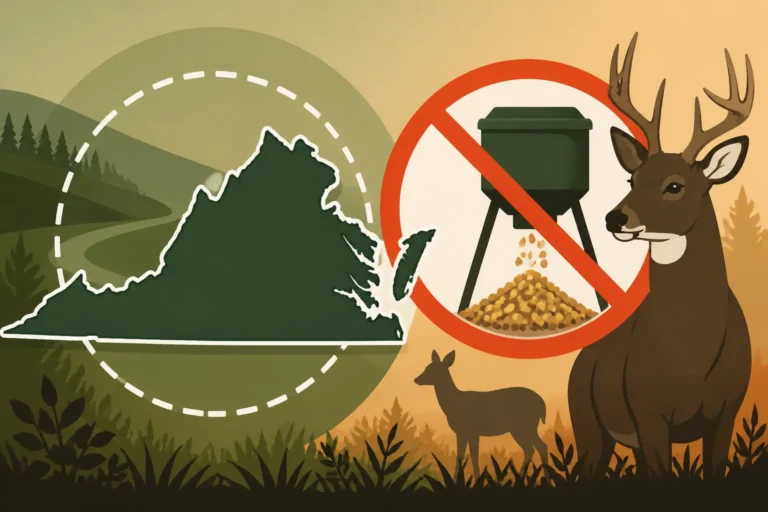
In an effort to reduce deer congregation and potential nose-to-nose contact, which can facilitate CWD transmission, feeding and baiting deer are typically prohibited year-round within DMA2 and often within a specific buffer zone around it, such as Virginia's Twenty-Five-Mile Feeding Ban. This means no mineral blocks, corn piles, food plots outside of normal agricultural practices, or any other artificial feed designed to attract deer. While hunters often use bait to draw deer closer, the risk of disease spread outweighs the benefit in CWD zones.
This regulation demands a shift in hunting strategy. Instead of relying on bait, hunters must focus more on scouting, understanding natural food sources, and identifying deer travel corridors. This can be a challenging adjustment for many, but it reinforces the importance of ethical, fair-chase hunting practices. Ensure you check the exact boundaries of these bans, as they can sometimes extend beyond the immediate DMA lines.
Navigating Your Hunt in a CWD Zone
Hunting in a CWD-affected area requires more than just knowing the regulations; it demands a strategic shift in how you approach the hunt itself. From scouting to processing your harvest, every step needs to be considered through the lens of CWD management. This isn't about fear, but about responsible participation in wildlife conservation.
Adapting Your Scouting and Harvest Strategy
With feeding and baiting prohibitions, your scouting efforts become even more critical. You'll need to focus on identifying natural food sources like acorns, persimmons, and browse, as well as water sources and bedding areas. Deer drives can be an effective tactic to push deer towards waiting hunters, especially on public lands where other methods might be limited. Consider how different seasons impact deer movement; for instance, understanding Hunting the Virginia Rut in November means knowing how bucks will behave regardless of bait. Utilizing tools like GoHunt can be invaluable here, allowing you to mark natural funnels, fresh sign, and potential stand locations on detailed maps. This kind of thorough Scouting Virginia Public Land Before Season becomes your most powerful asset.
Furthermore, managing your harvest within a DMA might involve prioritizing antlerless deer more aggressively. DWR often encourages increased antlerless harvest in CWD zones to reduce overall deer density, which can help slow the spread of the disease. This might mean adjusting your personal hunting goals from "trophy buck" to "herd management." Remember, reporting your deer is not just a rule, but a crucial data point for DWR's efforts, as detailed in Virginia Deer Reporting Requirements.
Best Practices for Carcass Handling
The moment you harvest a deer in DMA2, your responsibility for CWD management truly begins. Field dressing should ideally be done at the site of the kill, especially if you plan to transport the carcass out of the DMA after processing. Remove the entrails and leave them where the deer fell, provided you are on private land with permission or in an appropriate location on public land. If you plan to take the head for taxidermy, make sure to follow the DWR's guidelines on skull plate preparation – ensuring all brain and spinal tissue is removed.
If you opt to take the deer to a processor, choose one located within the DMA if possible, or verify that they are equipped to handle CWD-positive animals and are aware of all DWR regulations. Many hunters in DMAs have adopted the "gutless method" for field dressing, which involves deboning the meat in the field, leaving the entire carcass (including the gut pile, bones, and skull) at the kill site. This drastically simplifies compliance with carcass movement restrictions, as you're only transporting deboned meat. Always ensure proper disposal of any high-risk tissues according to DWR guidelines; never simply throw them in the household trash if they are potentially infected.
Staying Informed and Responsible
Being a responsible hunter in Virginia, especially within a CWD zone like DMA2, means more than just following the rules. It requires an active commitment to staying informed, adapting your practices, and understanding your role in the broader conservation effort. The DWR is your primary resource, and utilizing their information is key.
Utilizing DWR Resources and GoHunt
The Virginia Department of Wildlife Resources (DWR) website is the definitive source for all CWD regulations, DMA boundaries, testing station locations, and public advisories. Before every hunting season, and certainly before venturing into a DMA, dedicate time to review the latest DWR hunting regulations. Pay particular attention to updates on CWD, as these rules can change year-to-year based on disease prevalence and research. You'll find detailed maps showing the current DMA boundaries and specific requirements for each zone.
Beyond the official DWR site, digital mapping tools and hunting apps like GoHunt can be invaluable. These platforms often integrate public land boundaries, parcel lines for private land, and sometimes even overlay DWR management area data, allowing you to visualize exactly where you are in relation to a DMA. You can also use them to mark CWD sampling stations, track your movements, and record observations of deer behavior, all while ensuring you stay on the right side of the law. Combining official DWR information with modern mapping technology empowers you to hunt smarter and more responsibly.
The Hunter's Role in CWD Management
As hunters, we are critical partners in the DWR's efforts to manage CWD. Our observations in the field can provide early warnings of sick animals, and our adherence to regulations directly impacts the disease's spread. If you ever observe a deer that appears sick, exhibiting unusual behavior, extreme emaciation, or neurological symptoms (like stumbling or drooling), do not harvest it. Instead, immediately contact the DWR. They need to investigate and test such animals.
Your compliance with mandatory testing, carcass movement restrictions, and feeding bans isn't just about avoiding a ticket; it's about protecting the long-term health of Virginia's deer herd and the future of hunting for generations to come. Education is also key; sharing accurate CWD information with fellow hunters, promoting responsible practices, and leading by example contribute significantly to the collective effort. The overall health and Virginia Deer Population Estimate depend on all of us doing our part.
CWD Regulations in DMA2 at a Glance
| Regulation Category | DMA2 Rule (Alleghany, Augusta, Bath, Highland, Rockbridge, Rockingham) | Statewide Rule (Outside DMAs) |
|---|---|---|
| CWD Testing | Mandatory testing for deer harvested during specific periods (e.g., opening firearms weekends) at DWR stations. Voluntary testing encouraged always. | No mandatory testing, voluntary testing available/encouraged. |
| Carcass Movement | Whole carcasses cannot be transported out of DMA2. Only deboned meat, cleaned skull/antlers, clean hides, and cleaned teeth may leave. | Whole carcasses generally permitted for transport. |
| Feeding/Baiting | Prohibited year-round (often with a surrounding buffer zone) to prevent deer congregation. | Permitted in most areas outside DMAs, but check local ordinances and DWR rules. |
| Antlerless Harvest | Often encouraged or liberalized to reduce deer density, check specific county limits. | Follow standard county-specific antlerless limits. |
| Sick Deer Reporting | Critical to report any deer showing CWD symptoms to DWR immediately. | Encouraged to report any sick animals to DWR. |
| Hunter Education | Required for certain age groups, as per Virginia Hunter Education Requirements. | Same statewide requirements apply. |
| License Requirements | Standard Virginia Hunting Licenses and What They Cost and big game tags apply. | Same statewide requirements apply. |
Disclaimer
This guide is intended for informational purposes only and is based on current Virginia Department of Wildlife Resources (DWR) regulations as understood at the time of writing. Hunting regulations, especially those pertaining to Chronic Waste Disease (CWD) and Disease Management Areas (DMAs), can change frequently. It is the individual hunter's responsibility to consult the most recent Virginia DWR regulations before hunting. Failure to comply with current regulations may result in penalties.