Virginia Carcass Movement Restrictions
The growing concern over Chronic Wasting Disease (CWD) has added a new layer of complexity to hunting in Virginia, making it incredibly frustrating to understand what you can and can't do with your hard-earned harvest. Many hunters feel confused by the ever-changing rules, especially when crossing county lines or state borders. This guide is here to untangle the complexities of Virginia's carcass movement restrictions, helping you stay compliant and confident, whether you're bringing a deer home or sending it to a processor.
Understanding Virginia's Chronic Wasting Disease Landscape
Let's face it, nobody wants to deal with more regulations, especially when it comes to the simple pleasure of hunting. But CWD is a serious concern, and understanding what it is and why Virginia has these rules is the first step toward navigating them successfully. It’s not about making hunting harder; it’s about protecting our deer herd for generations to come.
What is CWD and Why Does it Matter to Hunters?
Chronic Wasting Disease (CWD) is a neurological disease that affects cervids, which include deer, elk, and moose. It's caused by abnormal proteins called prions that slowly accumulate in the brain and other tissues, leading to a host of debilitating symptoms like weight loss, behavioral changes, drooling, and ultimately, death. Think of it like a slow-motion, inevitably fatal disease that gradually erodes the animal's health. The truly frightening thing about CWD is that once an animal contracts it, there's no cure, and it's always fatal.
For hunters, CWD isn't just a scientific curiosity; it's a direct threat to the health of the deer population we cherish and to the future of our hunting heritage. When CWD becomes prevalent in an area, it can lead to significant declines in deer numbers, altering herd dynamics and making hunting opportunities scarcer. Moreover, while there's currently no evidence of CWD transmitting to humans, health organizations like the CDC recommend caution and advise against consuming meat from CWD-positive animals. This means every hunter has a vital role to play in monitoring and managing this disease, safeguarding both the herd and our own well-being.
Virginia's CWD Management Zones: DMAs Defined
To combat the spread of CWD, the Virginia Department of Wildlife Resources (DWR) has established what are called Disease Management Areas, or DMAs. These aren't just arbitrary lines on a map; they are specific geographic regions where CWD has been detected or is considered a high risk for spread. Imagine drawing a circle around areas where the disease is known to exist or where the probability of its presence is high due to proximity to confirmed cases. These zones come with their own set of rules and regulations designed to minimize the human-assisted transport of CWD prions, which are incredibly resilient and can persist in the environment for years.
Virginia currently has four main DMAs: DMA1, DMA2, DMA3, and DMA4. DMA1, for instance, encompasses several counties in the northern Shenandoah Valley, including Frederick, Clarke, Warren, and Shenandoah, and has historically seen the highest prevalence of the disease. DMA2 extends to counties like Loudoun and Fauquier, while the more recently established DMA3 and DMA4 are found in southwestern Virginia, reflecting new detections. Each DMA has specific boundaries and, importantly, specific regulations that apply to hunters harvesting deer within those areas. Understanding which DMA you're hunting in is absolutely critical to knowing how to handle your deer carcass properly. For a deeper dive into the specifics of these zones, check out our detailed guide on Virginia's Four Chronic Wasting Disease Areas.
The Rationale Behind Carcass Movement Rules
You might be wondering why Virginia goes to such lengths to regulate deer carcass movement. It all boils down to preventing the spread of those pesky CWD prions. These prions are not like bacteria or viruses that can be killed with heat; they are incredibly resistant and can remain infectious in the soil, water, and even on surfaces for extended periods. When a deer infected with CWD dies or is harvested, its carcass, especially certain parts like the brain, spinal cord, and lymph nodes, contains a high concentration of these prions. If an infected carcass, or parts of it, is moved from a DMA to an uninfected area, those prions could contaminate new soil or be ingested by other deer, establishing a new disease hotspot.
Think of it like this: if you have a patch of weeds in your garden, you don't want to spread their seeds to other parts of your yard. The carcass movement restrictions are essentially DWR's way of containing those "seeds" (prions) within the areas where they're already known to exist. By requiring hunters to de-bone meat or remove high-risk tissues before transporting a deer out of a DMA, the goal is to significantly reduce the risk of inadvertently spreading CWD to new, healthy deer populations. It's a proactive measure, albeit one that can feel inconvenient, designed to protect the broader health of Virginia's deer herd.
Navigating Carcass Movement Restrictions within Virginia
The thought of butchering a deer in the field or dealing with specific processing rules can be daunting, especially after the excitement of a successful hunt. But these regulations are a crucial part of the puzzle in slowing CWD’s march across the landscape. Knowing the rules beforehand can save you a lot of headache and ensure you're doing your part.
General Rules for Deer Harvested Outside a DMA
If you're lucky enough to be hunting outside of one of Virginia's designated Disease Management Areas, the carcass movement rules are generally much more relaxed. For the most part, if you harvest a deer in a county that is not part of a DMA, you are free to transport the whole carcass anywhere else within Virginia, provided that destination is also outside a DMA. This means you can take your entire deer from, say, a non-CWD county in the Piedmont all the way home to another non-CWD county near the coast without any specific prion-related restrictions.
However, it's always smart to stay informed because CWD zones can expand as new cases are detected. What's outside a DMA today might be inside one next season. So, while the rules are simpler outside these zones, never assume; always double-check the latest DWR regulations for your specific hunting location before heading out. This proactive approach ensures you're never caught off guard and can enjoy your hunt without unnecessary stress about compliance.
Strict Rules for Deer Harvested Within a DMA
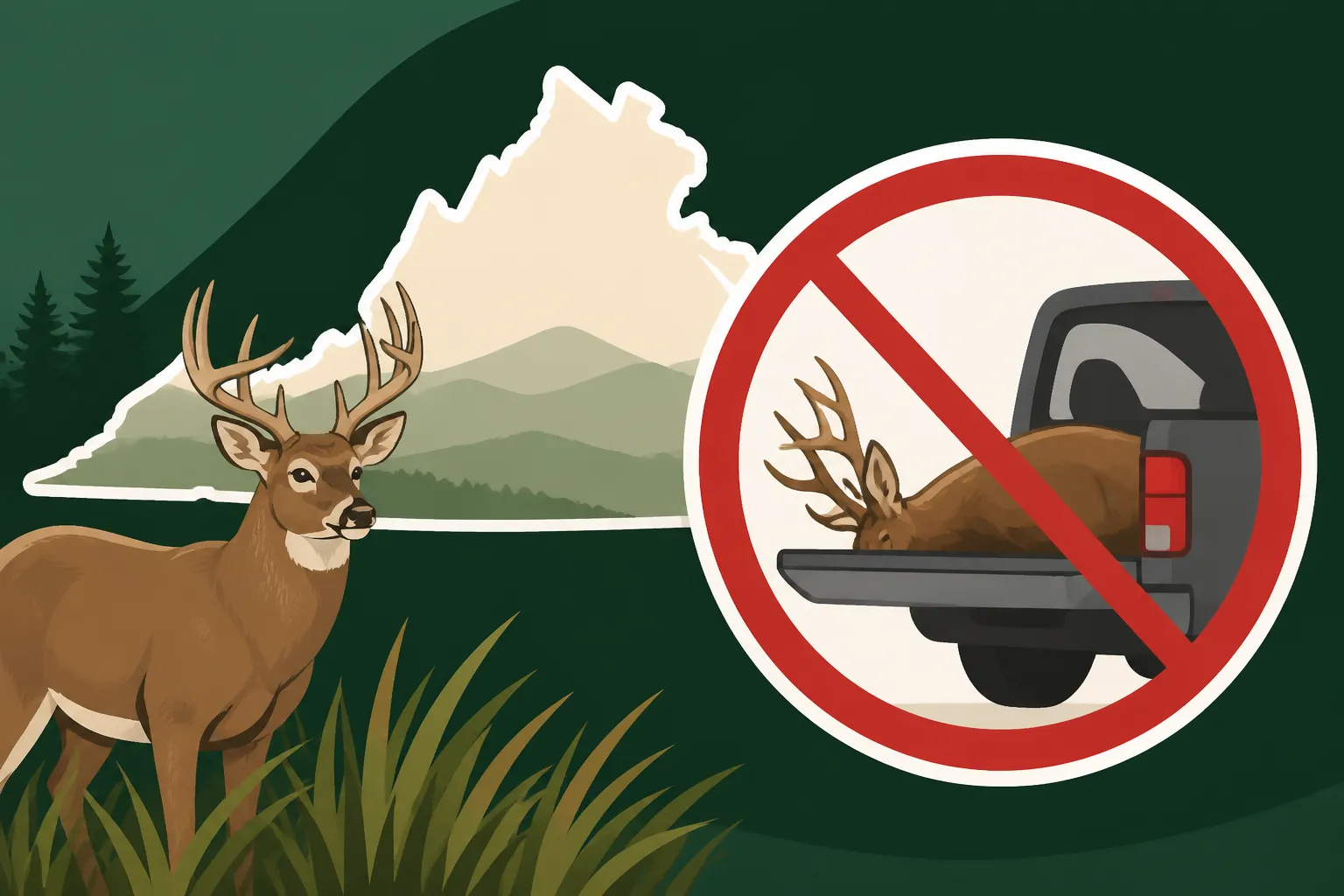
Now, this is where things get serious. If you've been fortunate enough to harvest a deer inside a Disease Management Area, you absolutely cannot transport the whole carcass out of that DMA. This rule is non-negotiable and designed specifically to prevent the physical movement of CWD prions to uninfected areas. High-risk tissues that contain the highest concentrations of prions, such as the brain, spinal cord, eyes, spleen, and lymph nodes, must remain within the DMA or be disposed of properly according to DWR guidelines. This often means leaving these parts at the kill site, at an approved CWD collection station, or disposing of them in a landfill within the DMA.
So, what can you take out of a DMA? The DWR outlines very specific parts that are permissible for transport. These include:
- Deboned meat: This means any meat that has been completely removed from the bone. Think roasts, steaks, and ground venison, all meticulously trimmed and free of bone fragments.
- Clean skull plate: This is typically just the top portion of the skull that holds the antlers, with all brain tissue, eyes, and other soft tissues completely removed and cleaned.
- Finished taxidermy mounts: Once the hide has been professionally tanned and the skull cleaned and prepared, a finished mount is generally safe to transport.
- Hides: A clean hide, free of any visible tissue, can be moved.
- Clean teeth: Individual teeth, especially if cleaned, are permissible.
- Finished capes: A cape that has been fully processed and cleaned for taxidermy purposes.
It's crucial to understand the distinction between these parts and high-risk tissues. The intent is to remove anything that could harbor those resilient prions. For more information on identifying CWD and what to do if you suspect a deer is infected, check out our guide on Virginia CWD Testing for Hunters.
Processing Your Harvest to Comply with Regulations
Complying with CWD regulations when you've harvested a deer in a DMA might sound complicated, but it's entirely manageable with a little preparation. The key is to process the deer in a way that separates the permissible parts from the restricted ones before you leave the DMA. For many hunters, this means field dressing their deer as usual, but then going a step further to either de-bone the meat at the kill site or at a designated processing area within the DMA. This involves carefully removing all the muscle tissue from the bones, making sure no spinal cord or brain matter inadvertently hitches a ride.
If you're not comfortable deboning in the field, or if you simply prefer professional processing, your best bet is to find a DWR-approved processor or taxidermist located within the CWD-affected county or DMA. These professionals are well-versed in the regulations and have the facilities to properly dispose of the high-risk tissues. Before your hunt, take some time to research these options. You can use tools like GoHunt or other online mapping resources to locate processors in the area where you plan to hunt. A quick call to confirm their CWD protocols can save you a lot of hassle. Remember, the goal is to make sure all restricted parts stay within the designated zone, keeping our deer herd safe.
Interstate Carcass Movement: What You Need to Know
Hunting across state lines is a fantastic way to experience different landscapes and pursue new challenges, but it also adds another layer of complexity to CWD regulations. You're no longer just dealing with Virginia's rules, but also those of any state you might be entering or exiting.
Bringing Deer into Virginia from Another State
If you're an out-of-state hunter, or a Virginia resident who loves to hunt in other states, you need to be extremely cautious about bringing deer carcasses back into Virginia. The DWR has strict rules to prevent CWD from entering Virginia from states where it might be more prevalent or managed differently. Generally, you cannot bring a whole deer carcass from any state outside of Virginia into the Commonwealth. This isn't just about CWD-positive states; it's a blanket rule for all out-of-state harvests.
Similar to Virginia's internal DMA rules, only specific parts of a deer harvested elsewhere can be brought into the state. These include: deboned meat, a clean skull plate with antlers (or just antlers), a finished taxidermy mount, a clean hide, or individual clean teeth. Any high-risk tissues (brain, spinal cord, eyes, spleen, lymph nodes) must be removed and properly disposed of in the state where the deer was harvested. Always check the very latest DWR regulations before you head out on an out-of-state hunt, as these rules can change based on disease prevalence and new scientific findings.
Taking Deer Out of Virginia to Another State
Just as Virginia has rules about what comes in, other states have their own regulations about what can cross their borders. If you harvest a deer in Virginia and plan to take it to another state, the absolute most important step is to check the CWD carcass importation rules for your destination state before you ever leave Virginia. Don't assume that because you've complied with Virginia's rules, you're in the clear elsewhere. Each state's wildlife agency sets its own standards, and they can vary wildly depending on their CWD status and management strategies.
For example, a state that is CWD-free might have much more restrictive rules than one that already has established CWD. The permissible parts for transport might be different, or they might require specific documentation or testing. Failure to comply could lead to fines, confiscation of your harvest, or even legal repercussions in the destination state. This is why a quick call or a visit to their state's wildlife agency website is non-negotiable. You’ve put in the work to harvest your deer; don’t let a simple oversight at a state line jeopardize that effort. For specific guidance on removing a carcass from a Virginia DMA, our article on Moving a Deer Carcass Out of a DMA offers practical advice.
Practical Tips for Interstate Travel with Game
Traveling across state lines with game, especially from a CWD-affected area, requires careful planning and execution. First and foremost, always process your deer down to the allowable parts (deboned meat, clean skull plate, etc.) before you attempt to cross any state lines, whether you're coming into or leaving Virginia. Don't wait until you're at the border; do it at the point of harvest or at an approved facility. Pack your deboned meat in sturdy, leak-proof containers, clearly labeled. If you have a skull plate or antlers, ensure they are thoroughly cleaned of all brain matter and tissue, and consider boiling or pressure washing them to be absolutely sure.
It's also a good idea to carry copies of your hunting license, deer tag, and any CWD testing results (if applicable) with you. While not always required, having this documentation can ease any questions from game wardens or law enforcement. Finally, communication is key. If you have any doubts about the rules of a specific state, contact their wildlife agency directly. They are there to help you comply, not to catch you out. A little proactive effort here can prevent a lot of potential headaches and ensure your interstate hunting adventure ends smoothly.
Mandatory CWD Testing and Reporting Requirements
Mandatory testing might feel like another hoop to jump through, but it’s one of the most effective tools DWR has in understanding and containing CWD. Your participation is not just a regulatory obligation; it's a vital contribution to wildlife management.
When and Where Mandatory Testing Occurs
In Virginia's Disease Management Areas (DMAs), mandatory CWD testing is a critical component of the DWR's surveillance efforts. During specific periods, typically early in the firearms deer season and on certain weekend days, hunters harvesting deer within a DMA are required to present their deer or specific parts for CWD testing. These mandatory sampling dates and locations are usually advertised well in advance through the DWR website, press releases, and local signage within the DMAs. You might find check stations set up at public access points, local convenience stores, or DWR offices.
The exact requirements can vary slightly by DMA and year, so it's paramount to check the current DWR regulations digest or their website for the most up-to-date information for your specific hunting zone. Sometimes, only specific parts, like the head, are required for submission, allowing you to proceed with processing the rest of your deer. These efforts help DWR monitor the prevalence and geographic spread of CWD, guiding their management decisions. Our article on Mandatory Testing Inside a Virginia DMA provides more detailed information on this process.
How to Submit a Sample and Get Results
Submitting a CWD sample is typically a straightforward process designed to be as convenient as possible for hunters. At mandatory check stations, DWR staff or trained volunteers will collect specific tissues, usually lymph nodes from the deer's neck or brain stem, which are the primary sites for CWD prion accumulation. They'll record your hunter information, the harvest location, and assign a unique sample ID. If you're utilizing a self-serve drop-off station, you'll generally be instructed to remove the deer's head, attach a provided tag with your information, and place it in a designated cooler. The DWR will then collect these samples for laboratory analysis.
Once your sample has been submitted, the waiting game begins. DWR aims to process results as efficiently as possible, but it can take several weeks, especially during peak hunting season. You'll typically be able to check the status of your test results online using the unique sample ID provided to you at the time of submission. If a deer tests positive for CWD, the DWR will usually contact the hunter directly to inform them and provide guidance on proper disposal of any remaining carcass parts. Using tools like GoHunt, you can often keep track of CWD zones and testing sites right from your mobile device, making compliance a bit easier.
Understanding Your Role in CWD Surveillance
As hunters, we are on the front lines of wildlife observation, and our role in CWD surveillance cannot be overstated. We spend more time in the woods than almost anyone else, intimately observing deer behavior and health. This makes us invaluable partners in identifying potential CWD cases. Beyond mandatory testing, voluntarily submitting samples from deer harvested outside required periods or areas can provide crucial data to DWR. Every sample contributes to a clearer picture of the disease's presence and helps DWR make informed management decisions to protect the herd.
Furthermore, if you ever observe a deer displaying symptoms consistent with CWD – such as extreme emaciation, abnormal behavior, drooling, or a lack of fear of humans – it is imperative to report it to the DWR immediately. Do not harvest or attempt to handle a sick animal yourself, as this could pose risks. Instead, note the location, take photos or video if possible, and contact DWR. Your vigilance and proactive reporting are essential in early detection and containing potential outbreaks. Learn more about how to do this in our guide on Reporting a Sick Animal in Virginia.
FAQs and Common Misconceptions About CWD Rules
The world of CWD regulations is rife with questions, and it’s easy for misconceptions to take root. Let's clear up some of the most common ones that hunters often grapple with, especially when dealing with their trophy or their dinner plate.
"Can I take my deer head to a taxidermist outside the DMA?"
This is one of the most frequently asked questions, and the answer is a nuanced "it depends." If you're thinking of taking the entire head, brain, eyes, and all, from a deer harvested within a DMA to a taxidermist outside that DMA, then no, that is generally not allowed. The brain and eyes are considered high-risk tissues because they contain a high concentration of CWD prions. Moving these parts out of the DMA is exactly what the regulations are trying to prevent.
However, if your taxidermist is outside the DMA, you can usually transport a "clean skull plate" or a "clean cape" to them. A clean skull plate means the skull cap with antlers still attached, but all brain matter, eyes, and other soft tissues (like lymph nodes) have been completely removed. This often involves boiling or meticulous scraping. A clean cape refers to the hide that will be used for a shoulder mount, but again, it must be completely free of muscle tissue, spinal cord, or any other high-risk material. Always confirm with your taxidermist and the DWR if you're unsure about the specifics of what "clean" entails.
"What about a European mount or antlers?"
For those who love the classic look of a European mount or simply want to keep the antlers, the good news is that these are generally permissible to transport out of a DMA, provided they are completely clean. The key word here is "clean." For a European mount, this means the skull must be thoroughly boiled or macerated until all brain tissue, hide, and any other soft tissues are removed. What you're left with is a bone-white skull, free of any material that could harbor CWD prions.
Similarly, antlers themselves are not considered high-risk for CWD prions and can be transported freely. If you've collected shed antlers, there are no restrictions. If you're taking antlers still attached to a skull plate, that skull plate must, again, be completely free of any soft tissue. The prions aren't found in the bone or antler material itself, but in the neural and lymphatic tissues. So, as long as you meticulously clean the skull, you should be in compliance with the carcass movement restrictions.
"Is processed meat safe if from a CWD-positive deer?"
This is a critically important question that touches on both public health and ethical considerations. While the current scientific consensus is that there is no evidence of CWD transmitting to humans, the Centers for Disease Control and Prevention (CDC) and the Virginia Department of Wildlife Resources (DWR) strongly advise against consuming meat from CWD-positive deer. Even after a deer has been processed, if it tests positive for CWD, the recommendation is to discard the meat.
Why the caution? Because CWD prions are incredibly robust. They are not destroyed by cooking, freezing, or even standard sterilization techniques. While studies continue, the unknown risks mean that a "better safe than sorry" approach is universally recommended. If your deer is harvested in a DMA and is subject to mandatory testing, it's wise to wait for the test results before consuming the meat. If you process the deer before getting results, and it later tests positive, you should dispose of the meat responsibly, in accordance with DWR guidelines for CWD-positive carcasses. This is a difficult pill to swallow after a successful hunt, but it’s a crucial step in prioritizing health and safety. You can find more specific guidance in our guide on Handling Venison From a Disease Management Area.
Here's a quick summary table for clarity on carcass parts:
| Carcass Part | Can Be Moved Out of a DMA? (Within VA) | Notes |
|---|---|---|
| Whole Carcass (unprocessed) | NO | High risk of prion spread. Must be processed within DMA. |
| Deboned Meat (muscle tissue only) | YES | Must be completely free of bone, brain, spinal cord, lymph nodes. |
| Clean Skull Plate (with or without antlers) | YES | Must be completely free of brain, eyes, and any other soft tissue. Boiled/cleaned preferred. |
| Antlers (shed or separated from skull) | YES | Antlers themselves do not carry CWD prions. |
| Finished Taxidermy Mount | YES | Hide tanned, skull cleaned, all high-risk tissue removed by professional. |
| Clean Hide | YES | Must be free of all meat, fat, and other soft tissues. |
| Individual Clean Teeth | YES | Must be clean of all soft tissue. |
| Brain, Spinal Cord, Eyes, Spleen | NO | High-risk tissues. Must be left in DMA or disposed of per DWR guidelines. |
Resources and Staying Informed
The world of CWD and hunting regulations isn't static; it's constantly evolving as scientists learn more and DWR adapts its strategies. Staying informed is truly your best defense against inadvertently breaking a rule or missing a critical update.
Official Virginia DWR Channels
When it comes to getting the most accurate and up-to-date information on Virginia's CWD carcass movement restrictions and other hunting regulations, your first and most reliable source should always be the Virginia Department of Wildlife Resources (DWR) directly. Their official website is a treasure trove of information, hosting the latest hunting regulations digest, CWD updates, maps of Disease Management Areas, and mandatory testing dates and locations. It’s not always the most exciting read, but it’s the definitive word.
Beyond the website, DWR often issues press releases and public notices when significant changes or new CWD detections occur. Subscribing to their newsletters or following their official social media channels can be a good way to get these updates pushed directly to you. Remember, hearsay at the hunting camp, while often well-intentioned, can sometimes be outdated or misinformed. Always cross-reference with the official source. Additionally, the DWR often provides an app for hunters, which can be invaluable for real-time information and even checking deer harvests. Check out our guide on Scouting With the Virginia DWR App for more details on this useful tool.
Leveraging Hunter Community and Technology
While official DWR channels are paramount, the broader hunting community and modern technology can also be incredibly helpful resources for staying informed and navigating CWD regulations. Online hunting forums and social media groups dedicated to Virginia hunting are vibrant places where hunters share experiences, ask questions, and often discuss regulation updates. Just be sure to always verify any information you receive with an official DWR source, as community discussions can sometimes contain outdated or speculative advice.
Technology, especially mapping applications, plays a huge role. Services like GoHunt or other popular mapping apps often integrate public land boundaries, parcel data, and sometimes even DWR-specific layers that can show CWD management zones. This allows you to visually identify if your hunting spot falls within a DMA right on your phone, helping you plan your harvest and processing strategy in advance. Using GoHunt's mapping and regulation features to stay current with CWD zones and testing sites can save you a lot of guesswork and ensure you're always hunting within the rules. These tools can also aid in finding local processors or CWD sample collection sites, which is covered in our guide on Using the Go Outdoors Virginia Map Tool.
Preparing for Future Regulation Changes
One of the most important takeaways about CWD regulations is that they are not set in stone. As CWD spreads or new scientific understanding emerges, the Virginia DWR continuously reviews and adjusts its management strategies. This means that the boundaries of Disease Management Areas can change, mandatory testing requirements might be modified, and even the specific rules for carcass transport could evolve from one season to the next. What was permissible last year might not be this year.
Therefore, preparing for future changes isn't about predicting them, but about adopting a mindset of continuous vigilance. Make it a routine to review the latest DWR regulations before each hunting season, even if you feel like you know them by heart. Pay close attention to any DWR announcements regarding CWD, especially for the counties you plan to hunt. Think of it as part of your pre-season scouting: know the lay of the land, know the game, and know the rules. This proactive approach will ensure you're always compliant, contributing positively to CWD management, and protecting Virginia's deer herd for all of us.
Disclaimer
The information provided in this guide is for general informational purposes only and is subject to change. Hunting regulations, including those pertaining to Chronic Wasting Disease (CWD) and carcass movement restrictions, are established by the Virginia Department of Wildlife Resources (DWR) and can be updated or modified at any time. Hunters are solely responsible for understanding and complying with all current federal, state, and local hunting laws and regulations. Always consult the official Virginia DWR website and the current Virginia Hunting & Trapping Regulations digest for the most accurate and up-to-date information before participating in any hunting activities.