Hog Island WMA Waterfowl Access
There's nothing quite like the crisp air of a fall morning on the Eastern Shore, especially when you're geared up for waterfowl hunting. But let's be honest, trying to figure out the ins and outs of public access, particularly at a specific gem like Hog Island Wildlife Management Area, can feel like navigating a maze blindfolded. This guide is here to untangle those complexities, walking you through everything you need to know to successfully access and hunt waterfowl at Hog Island WMA, from understanding its unique ecosystem to mastering the permit system and employing effective tactics.
Why Hog Island WMA is a Waterfowler's Paradise
Hog Island WMA is truly a special place, a sprawling testament to Virginia's commitment to wildlife and public hunting opportunities. Located on the Eastern Shore, it's a dynamic landscape where the Chesapeake Bay meets a mosaic of tidal marshes, impoundments, and woodland edges. This unique blend of habitat creates a magnet for a huge variety of waterfowl, making it a dream destination for many a Virginia hunter.
The Diverse Habitats of Hog Island
Imagine vast expanses of Spartina marsh grasses, gently swaying with the tide, punctuated by pockets of open water. This is the heart of Hog Island. Beyond the natural tidal areas, the WMA also features managed impoundments – areas where water levels can be controlled to provide optimal feeding and resting grounds for ducks and geese. These impoundments are often planted with waterfowl-friendly crops, drawing birds in like a magnet. This careful management means that even when natural food sources might be scarce elsewhere, Hog Island often provides a buffet. For hunters, understanding these different habitat types is crucial because it dictates where various species of waterfowl will congregate and, consequently, where you should focus your efforts. It's a prime example of how Virginia's WMAs are managed to benefit wildlife and hunters alike.
Species You Can Expect to Encounter
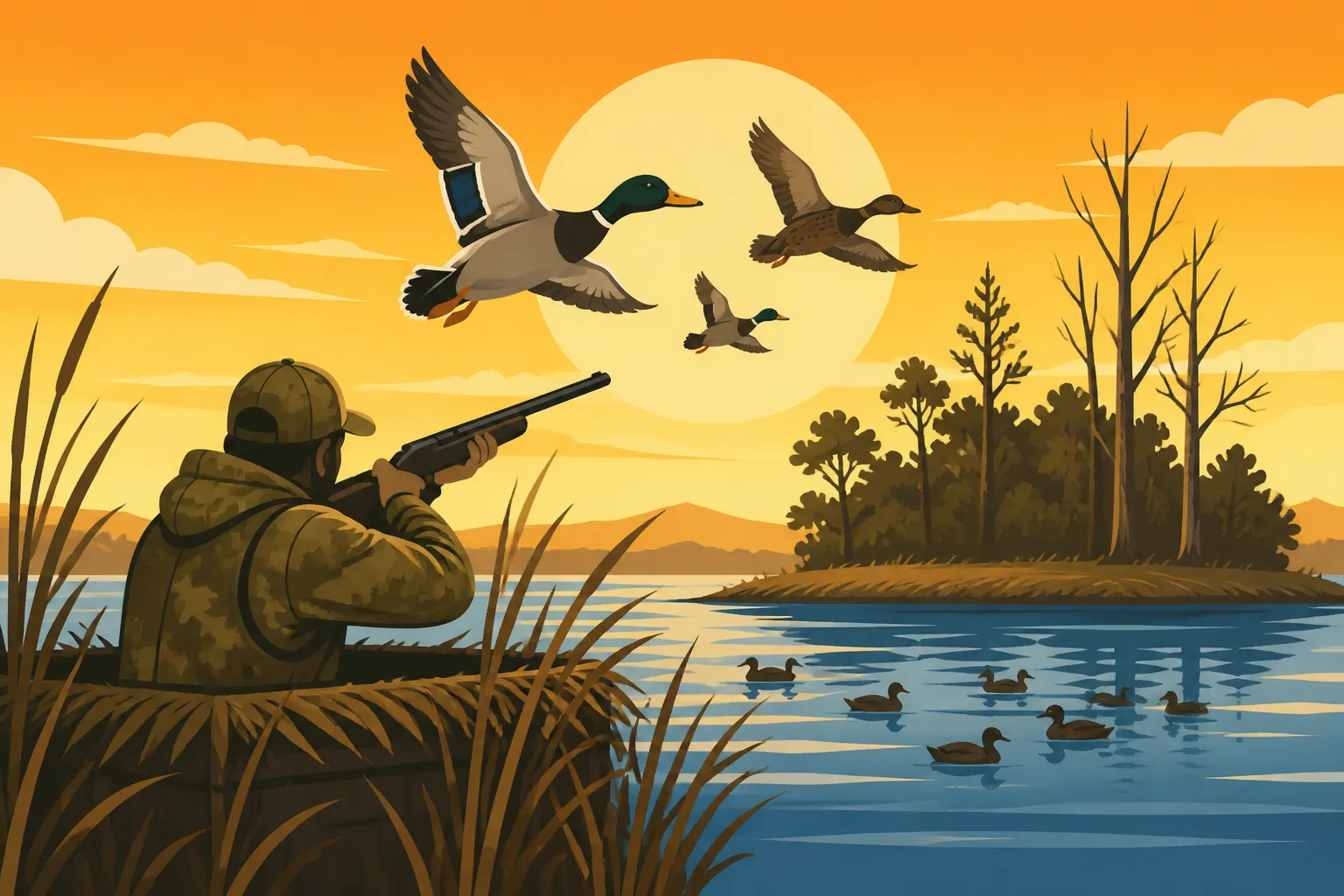
The sheer diversity of waterfowl at Hog Island WMA is remarkable. You're not just limited to one or two species; often, you can expect a mixed bag if you play your cards right. Puddle ducks like mallards, black ducks, teal (green-winged and blue-winged, depending on the season), and gadwall are common sights, especially in the shallower impoundments and tidal guts. These birds love to tip up in shallow water, dabbling for seeds and invertebrates. Then there are the diving ducks – scaup, buffleheads, redheads, and even canvasbacks – which prefer the deeper, more open water of the Bay side or larger impoundments where they can dive for submerged vegetation and mollusks. Geese, primarily Canada geese, are also frequent visitors, often using the WMA's fields and impoundments for feeding and loafing. Occasionally, you might even see a snow goose flock pass overhead, adding to the excitement. Each species has its own habits, calls, and preferred food sources, making every hunt a unique challenge. Knowing the Virginia Duck and Goose Bag Limits for each species is paramount.
Navigating the Hog Island Access System and Permit Requirements
Alright, let's talk brass tacks: getting into Hog Island to hunt. This isn't just a walk-on affair; it's a managed area, and for good reason. The Virginia Department of Wildlife Resources (DWR) carefully controls access to maintain hunt quality, distribute pressure, and ensure safety. This often involves a lottery or draw system for specific managed blinds and hunts, alongside general access rules for other areas. Don't let this intimidate you; it just requires a bit of planning.
Understanding the Lottery and Draw System
For prime waterfowl hunting spots at Hog Island, especially those coveted managed blinds in the impoundments, you'll typically encounter a lottery or draw system. This means you apply in advance, often weeks or months before the season opens, hoping your name gets picked. It's a system designed to give everyone a fair shot at the best opportunities and prevent overcrowding. The application process usually happens through the Virginia DWR's online portal, which can also be accessed via platforms like GoHunt or the state's Go Outdoors Virginia site. You'll need to keep a keen eye on application deadlines, as missing them means missing out on the chance for those prime spots. If you're new to this, it can feel a little daunting, but once you go through it a couple of times, it becomes second nature. Think of it as a small hoop to jump through for potentially incredible hunting experiences.
General Access Areas and Daily Sign-In
Beyond the managed draws, Hog Island WMA often has areas designated for general access. These might be tidal marsh areas, specific impoundments with first-come, first-served blinds, or designated shoreline hunting. Even for these "general access" spots, there are usually specific rules you need to follow, including daily sign-in procedures. This could mean physically signing in at a kiosk on the WMA property before your hunt, or digitally checking in via an app or website. This system allows the DWR to monitor hunter numbers and success, which helps them manage the WMA more effectively. Always check the current regulations for Hog Island WMA before heading out; they can change season to season based on bird populations, habitat conditions, and management needs. Neglecting to sign in can lead to fines, and nobody wants that to spoil a hunting trip. You'll want to be familiar with the Virginia WMA Access Permit Sign-In Process for any public land venture.
Here's a quick overview of general WMA access types you might encounter across Virginia, including aspects applicable to Hog Island:
| Access Type | Description | Typical Requirement | Best For |
|---|---|---|---|
| Open Access | Designated areas where hunting is generally permitted without special draw. | Valid hunting license, WMA access permit, and daily sign-in/check-out. | Flexible hunting, exploring new areas. |
| Managed Blind Draws | Pre-selected blinds for specific dates, allocated via lottery system. | Pre-season application, draw win, WMA access permit, valid license. | High-quality, designated waterfowl spots. |
| First-Come Blinds | Blinds available daily on a first-come, first-served basis. | Early arrival, WMA access permit, valid license, daily sign-in. | Spontaneous hunts, but requires commitment. |
| Quota Hunts | Limited entry hunts for specific species/dates, usually by draw. | Pre-season application, draw win, WMA access permit, valid license. | Controlled pressure, specific game opportunities. |
Essential Gear and Tactics for Hog Island Success
Waterfowl hunting at Hog Island is an immersive experience, and being prepared with the right gear and knowledge of effective tactics can make all the difference between a frustrating day and a memorable hunt. The conditions can be challenging – cold, wet, windy, and often muddy – so your equipment needs to be up to the task.
Waders, Boats, and Decoy Spreads
First and foremost, a good pair of waders is non-negotiable. Whether you're slogging through the marsh to a blind or setting out decoys in an impoundment, you're going to be in the water. Invest in comfortable, durable, and warm waders. Breathable chest waders are often preferred as they offer flexibility for layering underneath. Next, consider your transportation. Many of the best spots at Hog Island are not easily reachable on foot. A marsh boat, kayak, or canoe is often essential for accessing remote areas, deploying large decoy spreads, and retrieving downed birds. These vessels need to be stable and capable of navigating shallow water and potentially strong winds.
Speaking of decoys, your spread is your primary tool for attracting birds. For Hog Island's diverse bird population, a mixed spread is often effective. Include a good number of puddle duck decoys (mallards, black ducks) for the shallower areas, but don't forget a dozen or so diving duck decoys if you're hunting in deeper water or closer to the Bay side. Motion decoys, such as spinning wing or flapping wing models, can be incredibly effective at grabbing a bird's attention from a distance, especially on calm days. Pay attention to local conditions; sometimes less is more, but other times, a large, realistic spread mimicking a feeding flock can be the ticket. Learning about Decoy Spreads for Chesapeake Bay Divers can be particularly helpful here.
Calls, Camouflage, and Cold-Weather Comfort
Calling is another critical skill. Having a variety of calls – a good mallard call, a black duck call, and perhaps a pintail or wigeon whistle – can help you communicate with different species. Practice your calling before the season, focusing on realistic quacks, chuckles, and greetings rather than just loud, aggressive hailing. Knowing when to call and, just as importantly, when to remain silent, comes with experience.
Your camouflage needs to blend with the marsh environment. Think natural tones of browns, tans, and greens, mimicking reeds and mud. Layering is key for comfort. Start with a good moisture-wicking base layer, add insulating layers (fleece or wool are excellent), and top it off with a waterproof and windproof outer shell. This allows you to adjust to changing temperatures throughout the day. Don't forget a warm hat, gloves, and waterproof boots (beyond your waders) for when you're out of the water. Hand warmers can be a lifesaver on particularly frigid mornings. Remember, comfort means you can stay out longer and focus on the hunt. Waders for Bay Marsh Hunting will be invaluable, as will knowledge of Layering for a Virginia Deer Stand as many principles apply.
Maximizing Your Hog Island Waterfowl Hunt
Preparation and the right gear get you in the door, but smart hunting strategies and an understanding of the environment will truly help you maximize your success at Hog Island WMA. It's about more than just showing up; it's about being observant, adapting, and respecting the land and its wildlife.
Scouting and Understanding Bird Movement
Effective scouting is paramount, perhaps even more so at a diverse WMA like Hog Island. Before your hunt day, if possible, spend time observing bird patterns. Where are they feeding? Where are they resting? What routes are they taking between these areas? Pay attention to prevailing winds and tides, as these significantly influence bird movement and where they choose to land. A good pair of binoculars or a spotting scope can be invaluable for identifying key areas from a distance without disturbing the birds. Tools like onX Hunt can be incredibly helpful for digital scouting, allowing you to mark potential roosting or feeding areas, plan your entry and exit routes, and understand property boundaries on your phone or GPS device. This digital reconnaissance can save you a lot of legwork and greatly increase your chances of being in the right place at the right time. Being able to understand Reading a Bay Marsh for a Morning Flight will give you a significant advantage.
Blind Placement and Ethical Hunting Practices
Once you've identified a promising area, blind placement is critical. Whether you're using a natural blind, brushing in a portable one, or utilizing a managed blind, concealment is key. Break up your outline, eliminate movement, and ensure you have a clear field of fire. Consider the sun's position and the wind direction – you generally want the wind at your back or side, so ducks can cup their wings and land into it, presenting closer shots.
Ethical hunting practices are non-negotiable. Only take shots at birds within your effective range, ensuring clean kills and minimal crippling. If you wound a bird, make every effort to retrieve it, even if it means a long walk or a paddle. Respect other hunters, maintain appropriate distances, and always be mindful of safety. Remember that waterfowl hunting often happens under the Virginia Federal Duck Stamp Requirement and requires Virginia HIP Certification for Bird Hunters in addition to your general hunting license. Leave no trace of your presence – pack out all your shells, trash, and anything you brought in. By being a responsible and ethical hunter, you not only ensure the longevity of the sport but also set a positive example for future generations. Hog Island is a shared resource, and its future depends on all of us treating it with the utmost care and respect. This knowledge, coupled with knowing Virginia Waterfowl Migration Timing, will set you up for success.
Disclaimer
This article is for general informational purposes only and does not constitute professional advice. Laws, prices and regulations vary by location and change over time. Consult a qualified professional for guidance on your specific situation.