How Virginia WMAs Are Managed
It’s easy to feel like Virginia’s Wildlife Management Areas, or WMAs, are just patches of woods you can hunt, fish, or hike. But if you’ve ever wondered why some sections are clear-cut, others planted in corn, or why access might feel a bit different from one WMA to the next, you're not alone. These critical public lands are far from static, and understanding how they're managed is key to making the most of your time afield and appreciating the incredible effort that goes into sustaining Virginia's diverse wildlife populations. This guide will take a deep dive into the intricate systems and philosophies that shape our WMAs, ensuring they remain vibrant ecosystems for generations to come.
What Exactly Are Virginia WMAs? A Foundation of Conservation
Before we dive into the nitty-gritty of management, let's establish what a WMA actually is. Virginia’s Wildlife Management Areas are tracts of land owned and managed by the Virginia Department of Wildlife Resources (DWR) with the primary purpose of conserving and enhancing wildlife habitats, while also providing public access for hunting, fishing, trapping, wildlife viewing, and other outdoor recreational activities. Think of them not just as places to visit, but as living laboratories where conservation principles are actively applied. They are the backbone of public access for many Virginia outdoors enthusiasts, offering a diverse array of landscapes from the mountains to the coast.
Diverse Landscapes and Locations
Virginia's WMAs aren't all cut from the same cloth. Some are vast, sprawling tracts of timberland in the mountains or Piedmont, while others are smaller, specialized wetlands along the coast or river systems. For example, a WMA like Amelia in the Piedmont features rolling hills, agricultural fields, and mature timber, managed primarily for deer, turkey, and small game. On the other hand, Hog Island WMA on the coast is predominantly marshland and impoundments, carefully maintained for waterfowl and other wetland species. This diversity means that management strategies must be incredibly adaptable, tailored to the unique ecological characteristics and wildlife needs of each specific area. Hunters planning a trip might use tools like onX Hunt to understand the topography and land features of a particular WMA before they even set foot on it, getting a bird's eye view of the diverse landscapes these areas offer.
Imagine you're trying to figure out where the deer might be on a new WMA. If it's a Piedmont WMA with a mix of woods and fields, you'd look for transition zones or edges. If it's more mountainous, you might focus on benches, saddles, or creek bottoms. This varied landscape requires the DWR to employ a wide range of techniques, ensuring that each WMA fulfills its potential as a wildlife haven. The sheer variety ensures that whether you're chasing upland birds or setting up for waterfowl, there's likely a WMA suited to your pursuit, each with its own character and management focus.
Beyond Just Hunting: Multiple Uses
While hunting and fishing are cornerstone activities on WMAs, these lands serve a much broader purpose. They are open for hikers, birdwatchers, photographers, and nature enthusiasts, promoting a wider appreciation for Virginia's natural heritage. This multi-use approach is a deliberate management decision, aimed at garnering broader public support for conservation and ensuring that the lands benefit a wide array of citizens. However, this also means managers have to consider how various activities intersect and potentially conflict, especially during peak hunting seasons.
During the spring, for instance, a turkey hunter might be calling in a gobbler while a birdwatcher is quietly observing migratory songbirds in the same area. In the fall, archers pursuing deer share the woods with hikers enjoying the autumn foliage. The DWR works to minimize these conflicts through thoughtful zoning, seasonal restrictions, and clear signage. Many WMAs have designated trails or observation points, separating different user groups where practical. It's all part of the balancing act, making sure that everyone can enjoy these precious resources responsibly.
The Mission Behind WMA Management: A Holistic Approach
The Virginia Department of Wildlife Resources (DWR) manages WMAs with a clear, overarching mission: to conserve Virginia’s wildlife and natural resources and to provide opportunities for hunting, fishing, boating, and other wildlife-related outdoor recreation. This isn't just about maintaining existing populations; it's about actively improving habitats, ensuring biodiversity, and planning for the long-term health of these ecosystems. It's a challenging, continuous endeavor that often requires making tough decisions.
Prioritizing Game and Non-Game Species
A common misconception is that WMAs are managed solely for popular game species like deer and turkey. While these animals certainly receive significant attention due to their ecological importance and the public's interest in hunting them, WMA management takes a much broader, more holistic view. Every management decision, whether it's a timber harvest or a prescribed burn, is evaluated for its impact on the entire ecosystem, including non-game birds, small mammals, reptiles, amphibians, and even rare or endangered plant species. This commitment to all wildlife underscores the DWR’s dedication to biodiversity.
Consider a mature timber stand within a WMA. While it might provide excellent habitat for mature bucks and squirrels, it might not be ideal for species that rely on early successional habitats, such as rabbits, quail, or certain migratory songbirds. A responsible management plan would include a rotation of timber harvests, creating varied age classes of forest that cater to a wider range of species. This dynamic approach means that habitats are always evolving, ensuring a robust and resilient ecosystem capable of supporting the full spectrum of Virginia’s wildlife. These strategies directly impact species like the White-Tailed Deer Across Virginia and Wild Turkeys in Virginia, ensuring healthy populations for hunters and nature lovers alike.
Ecological Health and Biodiversity
The health of a WMA is measured not just by its game harvest numbers, but by its overall ecological integrity. This includes soil health, water quality, native plant communities, and the presence of diverse insect and microbial life. Management plans often involve restoring native grasses and wildflowers, controlling invasive species, and improving riparian zones to benefit aquatic life. These efforts might not always be immediately visible to the casual visitor, but they are crucial for the long-term sustainability of the entire WMA.
For example, on many WMAs, you’ll see efforts to restore longleaf pine ecosystems or native warm-season grasses. These aren't just pretty landscapes; they are vital habitats that support a unique suite of species and are more resilient to fire and drought. Controlling invasive plants like Japanese stiltgrass or multiflora rose is another ongoing battle, as these non-native species can outcompete native plants, reducing food sources and cover for wildlife. It's a constant effort to maintain this delicate balance, ensuring that the WMA functions as a healthy, self-sustaining ecosystem.
Key Management Strategies Employed on WMAs
Managing thousands of acres across diverse landscapes requires a diverse toolkit of strategies. The DWR employs a combination of forestry practices, agricultural techniques, water management, and prescribed fire to achieve its habitat objectives. These aren't random acts; they are carefully planned and executed components of a comprehensive management plan for each specific WMA.
Habitat Enhancement Projects
One of the most visible aspects of WMA management is habitat enhancement. This can involve anything from selective timber harvesting to creating brush piles. The goal is always to provide the best possible food, water, cover, and space for desired wildlife populations. This often means manipulating the existing vegetation to create a mosaic of different habitat types.
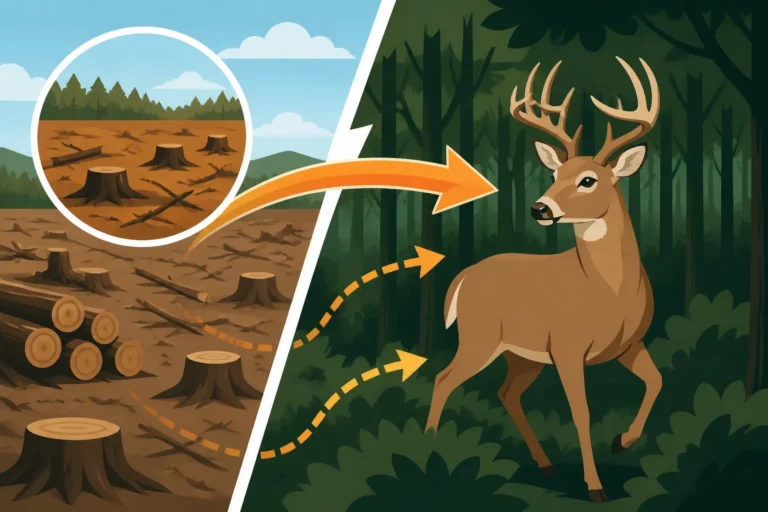
You might drive through a WMA and see recent clear-cuts or thinned timber stands. While these can look stark at first glance, they are often deliberate efforts to stimulate new growth, creating dense, early successional habitat that is absolutely crucial for young deer, turkeys, rabbits, and many songbirds. Conversely, older, mature stands might be maintained for species that prefer a more open understory or require large, cavity-laden trees for nesting. The process of Habitat Work on Virginia WMAs is continuous, adapting to ecological needs and changing wildlife populations. This dynamic approach provides diverse opportunities; if you're looking for deer bedding areas, for instance, those younger, thicker sections will be prime.
Agricultural Leases and Food Plots
Many WMAs in Virginia, particularly in the Piedmont and flatter regions, incorporate agricultural leases and dedicated food plots into their management plans. These aren't just for attracting game; they provide vital nutrition, especially during lean times of the year, and help concentrate wildlife for hunters. Leasing out portions of WMAs to local farmers for row crops like corn, soybeans, or wheat can be a mutually beneficial arrangement. The farmers get agricultural land, and the DWR can negotiate for portions of the crop to be left standing, providing winter food and cover for deer, turkeys, and waterfowl.
Beyond large agricultural leases, WMAs also manage their own smaller food plots, strategically planted with clover, brassicas, or various grains. These plots are designed to supplement natural forage, improve herd health, and offer attractive feeding opportunities for game animals. When you're Scouting Virginia Public Land Before Season, spotting these food plots, or even observing the results of past agricultural leases, can be a huge clue as to where game will concentrate, especially during the colder months when natural food sources dwindle. This careful balance of natural and supplemental food sources is a cornerstone of effective WMA management.
Water Impoundments and Wetland Creation
Water management is a critical component for WMAs with wetland characteristics, particularly those managed for waterfowl and other migratory birds. This involves creating and maintaining shallow water impoundments, often called moist-soil units, which can be flooded and de-watered on a rotational basis. These practices mimic natural flood cycles and encourage the growth of specific aquatic vegetation that provides prime forage for ducks and geese.
Take, for instance, the management of a WMA like Hog Island or Big Woods. Here, DWR staff actively manage water levels throughout the year. In the spring and summer, impoundments might be drawn down to promote the growth of smartweed, millet, and other waterfowl food plants. Then, in the fall, they are gradually reflooded, creating ideal shallow-water feeding areas for migrating birds. This precise water control also benefits amphibians, reptiles, and a host of invertebrate species that form the base of the wetland food web. It's a complex, labor-intensive process, but absolutely vital for sustaining the rich biodiversity of these aquatic ecosystems and providing fantastic opportunities for Waterfowl Hunting the Chesapeake Bay.
Balancing Recreation and Conservation
One of the greatest challenges for WMA managers is striking the right balance between providing public access for recreation and ensuring the long-term health and conservation of wildlife populations and their habitats. This often involves careful planning, rule-setting, and sometimes, temporary restrictions.
Controlled Access and Quota Hunts
To manage hunting pressure and achieve specific harvest objectives, many WMAs utilize controlled access systems, including mandatory sign-in/sign-out procedures or quota hunts. These measures are particularly common on smaller WMAs or those with high demand. The Virginia WMA Access Permit Sign-In Process isn't just bureaucracy; it's a vital tool for the DWR to track hunter numbers, assess harvest data, and ensure public safety. By knowing how many people are afield, managers can make informed decisions about future seasons and manage the impact on the land itself.
Quota hunts, where a limited number of hunters are drawn for specific dates, are another effective way to manage pressure, especially for high-demand species or sensitive areas. This ensures that the hunting experience remains high-quality, and that animal populations aren't over-stressed. It can be frustrating to not get drawn for a desired quota hunt, but it's a necessary part of sustainable management. Hunters interested in drawing a quota hunt should always check the DWR website for application windows and details.
Non-Hunting Activities and Regulations
While hunting is a major draw, WMAs are also cherished by hikers, birdwatchers, anglers, and photographers. The DWR strives to provide ample opportunities for these activities while minimizing conflicts with hunting. This might involve designating specific trails, areas, or times when hunting is restricted, or simply emphasizing shared responsibility. For example, during deer season, non-hunters are strongly encouraged to wear blaze orange, just like hunters. This kind of courtesy goes a long way in ensuring safety and mutual respect among all WMA users.
Regulations like Virginia Public Land Hunting Hours apply to hunters, but for general recreation, people are usually allowed on WMAs from sunrise to sunset. Understanding these rules is important for both hunter and non-hunter to ensure a safe and enjoyable experience. The multi-use nature of these lands is a strength, but it requires everyone to be aware of their surroundings and to respect other users.
Maintaining Ecosystem Integrity
Ultimately, every management decision on a WMA comes back to maintaining and improving the overall ecosystem integrity. This means more than just focusing on one species; it's about the entire web of life. For instance, sometimes a prescribed burn might be implemented, not just to create browse for deer, but also to reduce hazardous fuel loads, control invasive species, and rejuvenate native plant communities that benefit countless insects, small mammals, and ground-nesting birds.
This commitment to ecosystem health often means making decisions that might not always be popular or immediately understood by the public. For example, if a specific area experiences an outbreak of a wildlife disease like CWD, temporary closures or increased harvest limits might be implemented to protect the wider population. These are difficult choices, but they are made with the long-term health of Virginia's wildlife as the paramount concern. Understanding the "why" behind these management actions helps us all appreciate the complexity of conservation.
Funding and Resources for WMAs: Investing in Virginia's Wild Places
Managing Virginia’s extensive network of Wildlife Management Areas is a massive undertaking, and it requires significant resources. It's a common question: where does the money come from to acquire, maintain, and manage these valuable public lands? The answer lies in a combination of hunter and angler contributions, federal aid, and various grants and partnerships.
Hunting and Fishing License Revenue
Perhaps the most direct and substantial source of funding for Virginia’s WMAs comes from the sale of hunting and fishing licenses. When you purchase your annual Virginia Hunting Licenses and What They Cost, a significant portion of that revenue goes directly back into wildlife management, including the acquisition, maintenance, and operation of WMAs. This is a user-pay, user-benefit system that has been the cornerstone of wildlife conservation in North America for over a century. Every dollar spent on a license, a big game tag, or a boat registration contributes to keeping these wild places thriving.
It’s important for hunters and anglers to understand this direct link. Your license fees aren't just a requirement; they are an investment in the future of hunting, fishing, and conservation in Virginia. This dedicated funding stream ensures that the DWR has a consistent budget to employ biologists, wildlife technicians, and land managers who are on the ground, making the daily decisions and carrying out the physical work needed to maintain these vital habitats. It’s truly a collective effort fueled by those who enjoy the outdoors.
Federal Aid and Grant Programs
Beyond state-level license fees, Virginia’s WMAs also benefit immensely from federal aid programs, primarily through the Wildlife and Sport Fish Restoration Program (WSFR). This program, funded by excise taxes on hunting and fishing equipment, firearms, and ammunition, distributes billions of dollars annually to state wildlife agencies. It's another example of the "user-pay" model, where manufacturers and consumers of outdoor gear contribute to conservation. These federal funds are often matched with state license dollars, effectively doubling the financial power for conservation projects.
These federal grants enable the DWR to undertake large-scale projects that might be too costly to fund solely through state revenue. This could include major habitat restoration projects, land acquisitions, or significant infrastructure improvements on WMAs. Furthermore, the DWR actively pursues other grants from federal agencies, conservation organizations, and private foundations to supplement its core funding, always looking for opportunities to expand and improve WMA resources.
Volunteer Efforts and Partnerships
While financial resources are crucial, the human element—volunteerism and partnerships—also plays a vital role in WMA management. Dedicated volunteers often assist DWR staff with tasks like trail maintenance, invasive species removal, erecting wood duck boxes, or maintaining food plots. These efforts not only save money but also foster a deeper sense of community ownership and engagement with these public lands.
The DWR also frequently partners with conservation organizations, local governments, and even private landowners on projects that benefit WMAs. These collaborations can bring additional expertise, labor, and resources to the table, allowing for more ambitious and effective conservation initiatives. When you see improvements on a WMA, remember that it’s often not just the DWR’s staff at work, but a network of passionate individuals and groups all dedicated to Virginia's wildlife.
Hunter's Role in WMA Success: More Than Just a Permit
As hunters, we are not just consumers of the resources provided by WMAs; we are integral partners in their success. Our actions, from how we behave in the field to how we report our harvests, directly impact the effectiveness of WMA management and the future of public land hunting in Virginia.
Following Regulations and Ethical Conduct
The rules and regulations for hunting on WMAs, and in Virginia generally, aren't arbitrary. They are carefully crafted by wildlife biologists and managers to ensure sustainable harvests, promote ethical behavior, and protect both wildlife and habitat. This includes everything from specific seasons and bag limits for Virginia Deer Season Structure Explained to rules about Treestand Rules on Virginia Public Land or vehicle use. Adhering to these regulations is paramount. Ignoring them undermines the DWR's efforts and can jeopardize the public perception of hunters.
Ethical conduct goes beyond just following the letter of the law. It means respecting other users, treating the land with care, leaving no trace, and making responsible decisions in the field. This also means being a good steward of the resource, setting an example for newer hunters, and helping to maintain the positive image of hunting. Organizations like GoHunt often provide resources and forums where hunters can discuss ethical practices and learn from experienced outdoorsmen, helping to foster a strong community of responsible hunters.
Reporting Harvests and Observations
One of the most valuable contributions hunters make to WMA management is reporting their harvests accurately and in a timely manner. Every deer, turkey, or bear you check in provides crucial data that DWR biologists use to assess population health, track trends, and refine management strategies. This information helps them determine if harvest quotas are appropriate, if populations are growing or declining, and how different management actions are affecting game animals. Without accurate hunter-reported data, the DWR would be largely flying blind.
Beyond official harvest reports, informal observations from hunters can also be incredibly useful. Noticing unusual wildlife activity, reporting sightings of invasive species, or alerting staff to potential issues like illegal dumping or habitat damage can provide valuable real-time intelligence to WMA managers. Remember, you are their eyes and ears on the ground, and your observations contribute to better-informed decisions.
Participating in Conservation
Finally, hunters have a unique opportunity and responsibility to actively participate in conservation efforts. This can take many forms, from joining a local conservation organization that supports DWR initiatives to volunteering your time on a WMA work day. Advocating for strong wildlife policies, educating non-hunters about the benefits of conservation, and fostering an appreciation for public lands are all ways that hunters can give back.
Whether it’s helping to clear trails, plant trees, or maintain habitat, every bit of effort contributes to the overall health and accessibility of our WMAs. By taking an active role, hunters reinforce their commitment to conservation and demonstrate that they are not just taking from the land, but are deeply invested in its future. It's this partnership between the DWR and the hunting community that truly makes Virginia's WMAs the incredible resources they are.
Disclaimer
This article is for general informational purposes only and does not constitute professional advice. Laws, prices and regulations vary by location and change over time. Consult a qualified professional for guidance on your specific situation.