Retrieving Game From Private Land in Virginia
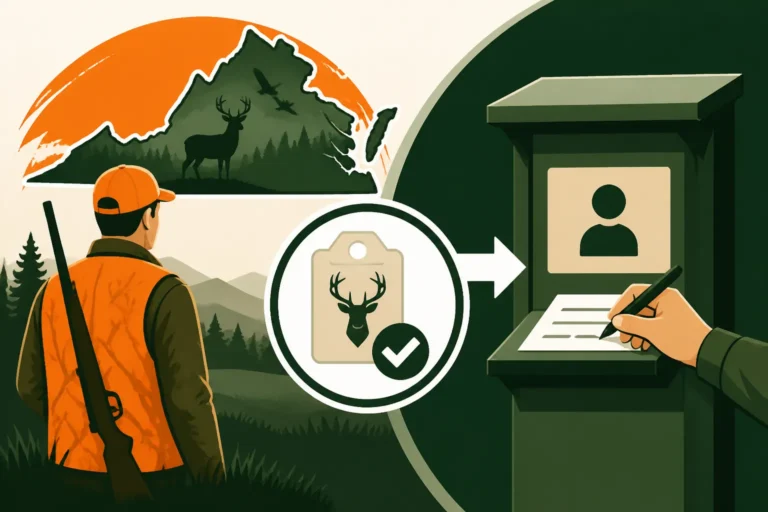
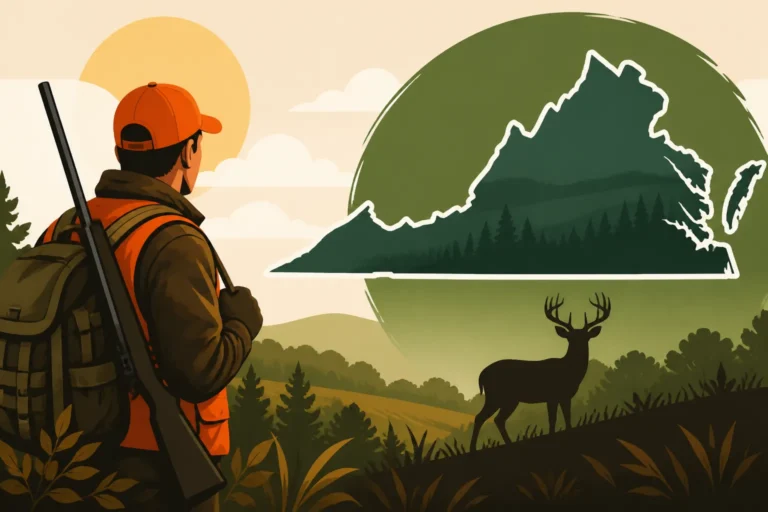
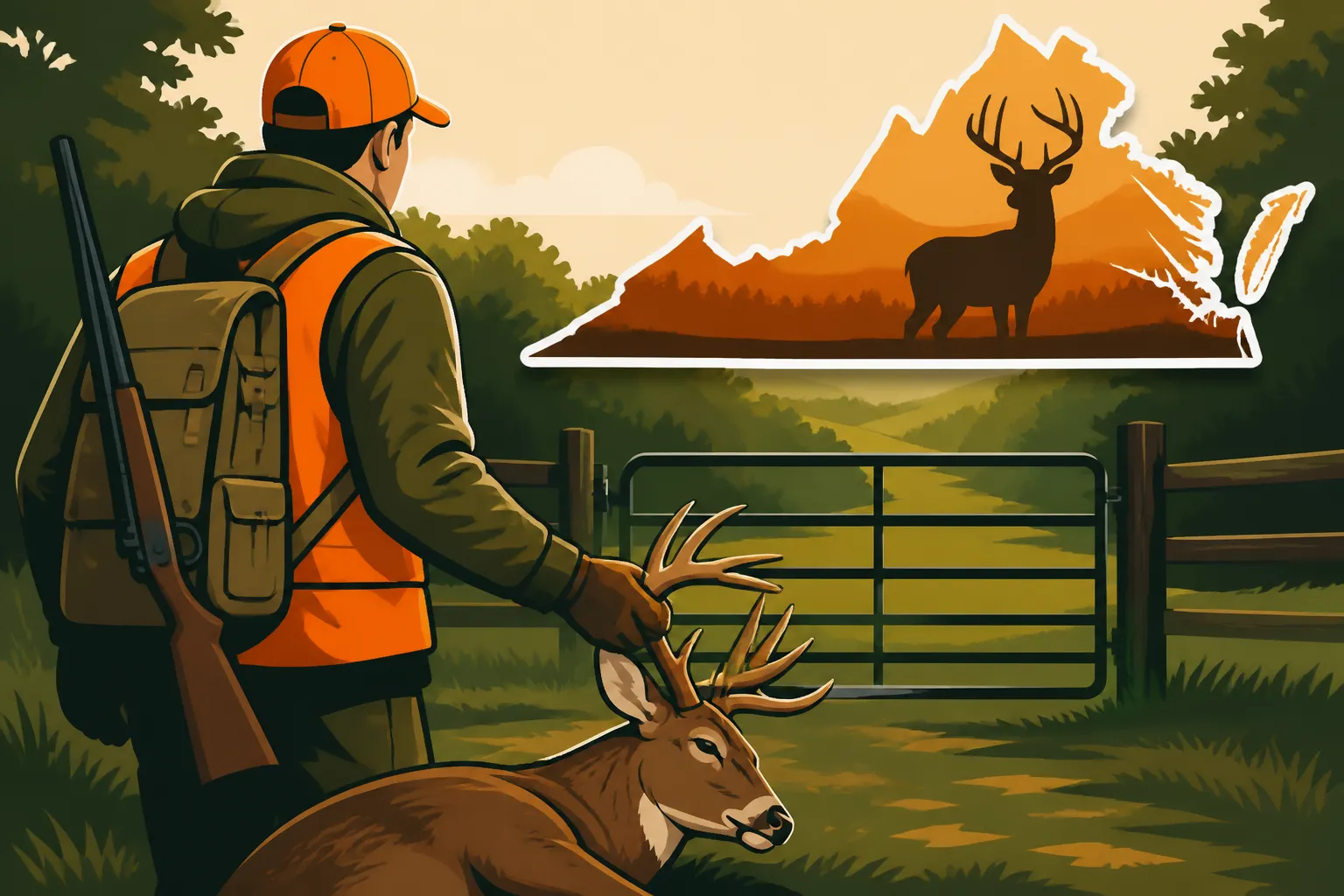
There’s a unique dread that washes over a hunter when you make a good shot, watch your deer or turkey run, and then, with a sinking feeling, realize it just vanished over a property line onto land you don't have permission to hunt. It’s a gut-wrenching moment, leaving you torn between the powerful instinct to recover your game and the crucial need to respect private property. This guide is all about navigating that tricky situation in Virginia, ensuring you know your rights, responsibilities, and the best way to approach a landowner when your harvest ends up on their side of the fence.
Understanding Virginia's Trespass Laws When Retrieving Game
Let's face it, nobody wants to be on the wrong side of the law, especially when you're just trying to do the right thing and recover an animal. In Virginia, the rules around private property are pretty clear-cut, and they apply directly to how you handle a game retrieval situation. Ignorance isn't bliss here; it can lead to legal trouble, ruined relationships with landowners, and a black eye for all hunters.
The Definition of Trespass in Virginia
At its core, trespassing in Virginia means entering another person's land without their permission. This isn't just about hunting; it's about any unauthorized entry. The law makes no special exceptions for recovering game, which can feel incredibly unfair when you've invested time, effort, and a clean shot into an animal. That beautiful buck or gobbler, now just yards away on someone else's property, is technically off-limits until you get explicit permission. Even if you can see the animal, even if you know it's dead, crossing that line without a "yes" from the landowner is a violation. This is why understanding Virginia Trespass and Permission Law is so paramount for every hunter in the Commonwealth.
Think about it from the landowner's perspective: they have no idea who you are, what your intentions are, or if you're even a legal hunter. All they see is someone on their property without permission. This is why the first impulse to "just go get it" needs to be overridden by a calm, legal, and ethical approach.
Posted vs. Unposted Land: What You Need to Know
Virginia law states that land doesn't necessarily have to be "posted" with signs to be considered private. If a property is fenced or cultivated, it's generally understood to be private, and you need permission to enter. However, many landowners will clearly mark their boundaries with "No Trespassing" signs or purple paint on trees, making it undeniably clear that entry is prohibited. You can learn more about this in Virginia Posted Land Rules.
If you find yourself in a situation where your game has crossed onto unposted land that appears private, the same rules apply: you must seek permission. The absence of a sign doesn't grant you permission. It's always safest to assume land is private unless it's clearly marked as public access, like a Wildlife Management Area or National Forest. Using mapping apps like onX Hunt can be incredibly helpful here, as they often show property boundaries and landowner names, allowing you to quickly ascertain who owns the land and if it's public or private. This information is a game-changer when you're trying to figure out your next move.
The Immediate Aftermath: What to Do When Game Crosses the Line
Okay, that heart-sinking moment has happened. Your animal, whether it's a deer, bear, or turkey, has gone over to the next property. Your immediate reaction might be a surge of adrenaline, a desperate urge to follow, but this is precisely the moment to pause, take a deep breath, and collect your thoughts. Rash decisions here can make a bad situation much, much worse.
Do Not Pursue Without Permission
This is the golden rule, the absolute most important takeaway: Do not cross that property line without explicit permission from the landowner. I know it’s agonizing. You’ve put in the scouting, the time, the practice, and made a clean shot, and now your harvest is just out of reach. But illegally crossing onto private land not only constitutes trespassing, but it also creates a negative perception of hunters in general. It erodes trust, and that trust is vital for maintaining hunting opportunities, especially as more land becomes fragmented.
Instead of crashing through the woods, take a moment to confirm the animal's direction of travel and its last known location from your side of the boundary. Use your binoculars, rangefinder, or a spotting scope. Can you see the animal? Is it down? Knowing exactly where it is will be helpful information when you eventually speak to the landowner. This is also where a good mapping tool like GoHunt can help you mark the exact spot on your side of the boundary, giving you a precise reference point for the animal's entry onto the adjacent parcel.
Scouting from the Boundary
Before you even think about approaching a landowner, gather as much information as you safely can from your side of the property line.
- Confirm the Track: Did the animal definitively cross? Look for blood, disturbed leaves, or tracks leading away from your property and onto the neighboring parcel. Sometimes, a deer might double back, so you want to be certain.
- Pinpoint the Location: If possible, try to get a visual on the animal or its last known point within the neighboring property. The more specific you can be when talking to the landowner ("It ran about 75 yards into your pines, just past that old oak stump"), the better. This shows you're being careful and respectful.
- Assess the Terrain: What kind of cover did it enter? Is it thick briars, open woods, a field edge? This helps you gauge the difficulty of retrieval for both you and the landowner.
- Check for Occupancy: Are there houses, barns, or signs of activity on the neighboring property? This can inform your approach strategy. You don't want to show up unannounced at someone's front door during their dinner.
Taking these steps not only provides you with valuable information but also demonstrates your due diligence and respect for boundaries. It allows you to present a clear, calm, and informed request when you finally speak with the landowner.
Approaching Landowners: Etiquette and Best Practices
This is where your people skills are just as important as your hunting skills. A polite, respectful approach can make all the difference between recovering your game and having to walk away empty-handed. Remember, you are asking for a favor, not asserting a right.
Who to Contact and How to Find Them
First, you need to identify the landowner. If you've been doing your pre-season scouting, you might already know who owns the adjacent parcels. If not, this is where technology really shines. Mapping applications like onX Hunt and GoHunt are invaluable for identifying property lines and often provide landowner names and sometimes even contact information (though this varies greatly by state and county).
If you can't find direct contact information, the old-fashioned method works: knocking on doors. If there's a house on the property, approach it politely. If there are no visible residences, you might need to check county plat maps online or at the local courthouse, which can be a more time-consuming process. Patience is key here.
Making the Request: What to Say and How to Act
When you approach the landowner, whether it's in person or by phone, your demeanor is everything.
- Dress Respectfully: If you're still in your camo, that's fine, but try to look presentable. Take off your hat, and make eye contact.
- Introduce Yourself Clearly: "Hello, my name is [Your Name], and I was hunting on the property next door. I believe an animal I shot has crossed onto your land."
- Explain the Situation Calmly: Describe what happened, where you believe the animal is, and your goal to recover it. Emphasize that you have not crossed their property line without permission. "I tracked it to your property line and believe it went into your woods about [distance] near [landmark]. I haven't stepped foot on your land, but I'm hoping I could get your permission to retrieve it."
- Be Prepared for Any Answer: They might say yes immediately, or they might be hesitant, or they might say no. Respect their decision either way. A "no" is disappointing, but arguing or becoming defensive will only confirm their worst fears about hunters.
- Offer to Show Them: Offer to walk the property line with them, or even lead them to the spot if they prefer to go alone.
- Offer Assistance: "I'd be happy to field dress it right there or drag it out any way you prefer. I want to be as minimally intrusive as possible."
- Consider an Offer of Venison: If you're successful, and it feels appropriate, offering a cut of venison can be a wonderful gesture of gratitude. Building goodwill can pay dividends down the road.
Always ask specifically: "May I have your permission to retrieve my game?" If they agree, clarify the terms: "May I go alone, or would you prefer to accompany me? What's the best way for me to access it?" Get these details clear before you step foot on their property.
Table: Do's and Don'ts of Landowner Engagement
| Do's | Don'ts |
|---|---|
| Do scout from your side of the line. | Don't cross the line without permission. |
| Do identify the landowner beforehand. | Don't assume unposted land is open. |
| Do dress presentably. | Don't be aggressive or demanding. |
| Do introduce yourself politely. | Don't argue if they say no. |
| Do explain the situation clearly. | Don't lie about the situation. |
| Do respect their decision, whatever it is. | Don't leave trash or damage property. |
| Do offer to show them where the game is. | Don't overstay your welcome. |
| Do offer to field dress or drag. | Don't hunt their land in the future without explicit, broader permission. |
| Do offer venison if appropriate. | Don't forget to thank them profusely. |
Remember, a positive interaction not only helps you this time but also contributes to the overall reputation of hunters in Virginia. This mutual respect is vital, particularly when considering things like Getting Private Land Permission in Virginia for future hunts.
What if Permission is Denied or Unobtainable?
Despite your best efforts, sometimes permission is denied, or you simply can't reach the landowner in time. This is a tough pill to swallow, but it’s a reality of hunting. Your ethical obligation to retrieve wounded game often clashes with property rights.
The Hard Truth: You Cannot Trespass
If a landowner explicitly denies you permission, or if you've exhausted all reasonable efforts to contact them and received no reply, the grim reality is you cannot legally cross that property line. Pursuing game onto posted land, or any private land without permission, could lead to charges of trespassing, which can carry fines and potentially impact your hunting privileges. It's an agonizing decision to leave an animal, but it's essential to abide by the law.
Virginia's hunting regulations and laws are designed to protect both wildlife and property rights, and while it's frustrating, the law takes precedence. It's a testament to the respect you have for both the law and the landowner that you walk away, even when it feels wrong. This applies to any game, whether it's a deer in the Jefferson National Forest Hunting buffer or a turkey that crossed a field edge near a suburban area.
Contacting the Virginia Department of Wildlife Resources (DWR)
In some situations, you might consider contacting the Virginia Department of Wildlife Resources (DWR) to see if they can assist. While DWR conservation police officers are primarily concerned with wildlife law enforcement, they sometimes act as mediators in these types of disputes.
- When to Call: If you've been denied permission, or if you simply cannot locate the landowner, you can call your local DWR office or the main DWR dispatch.
- What They Can Do: A conservation police officer might be able to contact the landowner on your behalf, explain the situation, and perhaps facilitate permission. However, their primary role is not to mediate private property disputes, and they do not have the authority to grant you permission to trespass. They cannot force a landowner to allow you on their property. Their involvement is a courtesy and is dependent on their availability and the specific circumstances.
- Manage Expectations: Understand that even if the DWR gets involved, the outcome is not guaranteed. They will respect the landowner's decision. If the landowner still says no, the officer will likely advise you that you cannot proceed.
It’s crucial to understand that calling the DWR is not a guaranteed solution. It's an option for mediation, but the ultimate decision still rests with the private property owner.
Reflecting on Prevention and Future Hunts
Experiencing this situation can be incredibly frustrating, but it's also a valuable learning experience. Here are a few takeaways to consider for future hunts:
- Pre-Season Outreach: If you hunt near private land, consider reaching out to those landowners before the season starts. Introduce yourself, offer a friendly handshake, and ask about the possibility of retrieving game should it cross onto their property. Building that relationship proactively, rather than reactively, can make a huge difference. You might be surprised at how many people are open to it when approached respectfully and not under duress. This is especially useful for understanding topics like Do You Need Written Permission in Virginia?.
- Mapping Tools: Continue to use and become proficient with mapping applications like onX Hunt or GoHunt. Understanding property boundaries and ownership well in advance can help you position yourself during a hunt to minimize the chances of an animal crossing onto "no-go" land. These tools can even help with Finding Virginia Property Lines while scouting.
- Shot Placement: Always strive for the most ethical shot placement possible to ensure a quick, clean kill. While no shot is 100% guaranteed, minimizing the distance an animal travels reduces the likelihood of it crossing boundaries.
- Knowing the Land: Understand the local geography. Are there thickets on the adjacent property that deer tend to run into? Are there homes or roads that would make recovery difficult? This knowledge helps you make better decisions during a hunt. When considering things like Hunting West of the Blue Ridge or Hunting East of the Blue Ridge, understanding the mosaic of public and private land is crucial.
Retrieving game that has crossed onto private land is a nuanced challenge, requiring patience, respect, and a solid understanding of Virginia's laws. By approaching the situation ethically and courteously, you not only increase your chances of recovering your animal but also uphold the honorable tradition of hunting in the Commonwealth.
Disclaimer
This article is for general informational purposes only and does not constitute professional advice. Laws, prices and regulations vary by location and change over time. Consult a qualified professional for guidance on your specific situation.