Hunting East of the Blue Ridge
Hunting east of the Blue Ridge Mountains in Virginia presents a unique set of challenges and incredibly rewarding opportunities that often feel worlds away from the rugged terrain and dense forests of the western mountains. Many hunters, especially those new to the region or accustomed to mountain hunting, can feel bewildered by the rolling farmlands, vast timber cuts, and dense swamp bottoms that define this side of the state. This comprehensive guide will walk you through the distinctive landscapes, game behavior, and proven strategies needed to find consistent success in Virginia's diverse eastern hunting grounds.
Understanding the Eastern Virginia Landscape
When we talk about "east of the Blue Ridge," it's crucial to understand that we're not describing a single, uniform environment. Virginia's eastern half is a tapestry woven from distinct geographical regions, each demanding its own scouting and hunting strategies. Forget the sprawling, unbroken timber of the national forests; here, you're looking at a patchwork of private land, mixed-use forests, agriculture, and often dense, impenetrable cover that can make a mountain laurel thicket feel like an open park.
The Piedmont's Rolling Hills and Farmland
Moving just east of the Blue Ridge, you enter the Piedmont, a region characterized by gently rolling hills, hardwood forests, and a significant agricultural presence. This is prime deer and turkey country, where the landscape offers a rich mix of food sources and bedding cover. Farms growing corn, soybeans, and winter wheat provide abundant nutrition, leading to healthier, often larger-bodied deer than you might find in less fertile mountain regions. However, this also means deer patterns are heavily influenced by crop rotations and harvest schedules. Hunting here often involves identifying key travel corridors between bedding areas (woodlots, thickets, regenerating clear-cuts) and feeding areas (agricultural fields, oak ridges). The challenge often isn't finding deer, but gaining access to the productive private land, as much of the Piedmont is privately owned. You'll spend a lot of time Reading Aerial Photos for Piedmont Deer to uncover hidden pockets of cover and potential travel routes.
The Flatlands and Swamps of Tidewater
Further east, as you approach the Chesapeake Bay, the land flattens out dramatically, giving way to the Tidewater region. Here, you'll encounter extensive pine plantations, hardwood bottomlands, and vast swamps that can be incredibly difficult to navigate. Deer, bear, and turkey thrive in these dense environments, finding sanctuary in the thick cover and abundant food sources. Think of places like the Great Dismal Swamp or the myriad river bottoms along the James, York, and Rappahannock rivers. Hunting these areas often means dealing with standing water, biting insects, and extremely limited visibility. Tactics shift from glassing distant clearings to still-hunting through thickets or setting up along subtle edges and pinch points that funnel deer movement. Accessibility can be a major hurdle; many of these swamps are private, and public access, where it exists, often requires specialized gear like waders or even small boats. For those willing to put in the effort, however, these areas can hold some truly unpressured game. If you're considering Hunting Tidewater Swamp Edges, prepare for a different kind of challenge.
The Coastal Plain and Eastern Shore
Finally, you reach the true coastal plain and the distinct environment of Virginia's Eastern Shore. This region is characterized by sandy soils, maritime forests, extensive marshes, and more agricultural land, often focused on truck crops. While deer and turkey are present, waterfowl hunting often takes center stage here, with the abundant marshes and proximity to the Atlantic Flyway. For deer hunters, the challenges include fragmented habitat, strong winds off the coast, and highly pressured deer on smaller tracts of land. The Eastern Shore, a peninsula, has its own unique hunting culture and a mix of private farms and state/federal wildlife areas. Understanding the specific regulations and landowner relationships here is key.
Key Game Species and Their Behavior
The game in Eastern Virginia behaves differently than their mountain counterparts, primarily due to habitat and hunting pressure. What works in the George Washington National Forest might not yield results in a Piedmont woodlot or a Tidewater swamp. Adapting to these nuances is paramount for success.
Whitetail Deer in Eastern Virginia
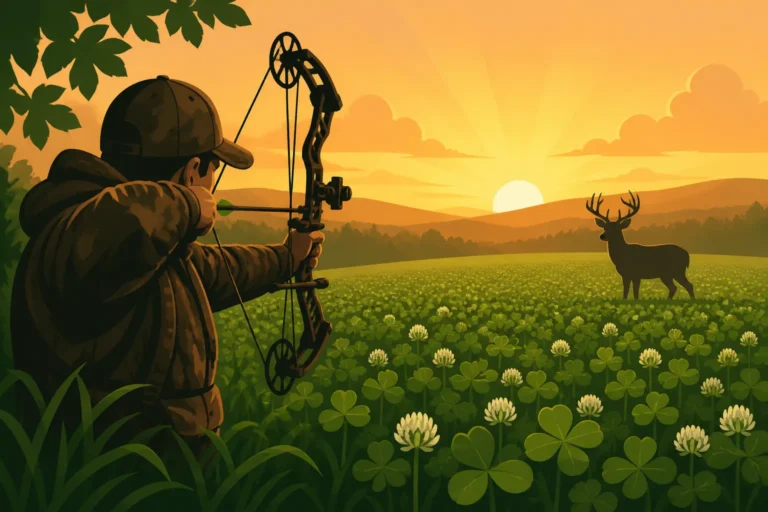
Virginia's eastern deer population is generally robust, with higher densities in many areas compared to the mountains. This is largely thanks to the richer soils and abundant food sources provided by agriculture and diverse timber management. The phrase Why the Piedmont Grows Big Bucks isn't just a saying; the nutrition available in these areas allows bucks to express their full genetic potential. However, these deer are often more nocturnal and wary due to constant human presence and pressure. They become masters of using small pockets of cover, thick fencerows, and creek bottoms for daytime travel and bedding. The rut, while still peaking in November, can feel different here. Bucks might not travel as far in open areas, instead sticking to thick cover, making rattling and grunting less effective in some situations. Understanding local food sources – from specific agricultural crops to mast cycles in hardwood forests – is critical. Deer east of the Blue Ridge are often less predictable than their mountain cousins, requiring more precise scouting and stand placement rather than simply hunting a "good-looking ridge." You'll also notice significant differences in bag limits, which are often more generous in the eastern counties to manage higher populations. For instance, understanding East Versus West of the Blue Ridge Bag Limits is crucial for planning your season.
Eastern Region Wild Turkey Dynamics
Wild turkeys are also plentiful east of the Blue Ridge, particularly in the Piedmont and parts of Tidewater where there's a good mix of mature hardwoods for roosting and open fields for strutting and bugging. However, just like deer, these birds face considerable hunting pressure and can be very call-shy. Gone are the days of aggressive run-and-gun tactics in wide-open country; eastern turkeys often require more patience and finesse. They might hang up more frequently, circle extensively, or come in silent. Locating roosts near agricultural fields or dense timber can be a solid strategy for opening morning. After the initial flurry, birds often scatter into smaller groups or become much harder to call. Hunting creek bottoms and drainages where birds travel between feeding and roosting areas can be highly effective. During the late season, when foliage is thick, visual cues become less important than identifying their preferred travel lanes and ambush points.
Other Notable Game: Bear, Hogs, and Small Game
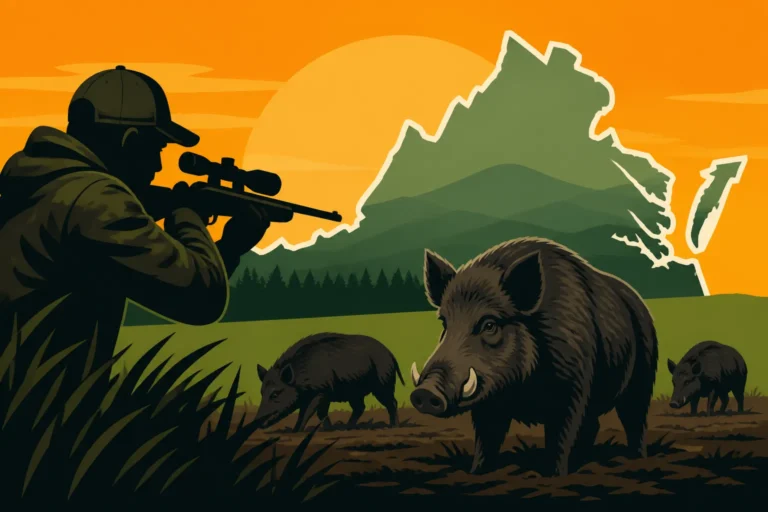
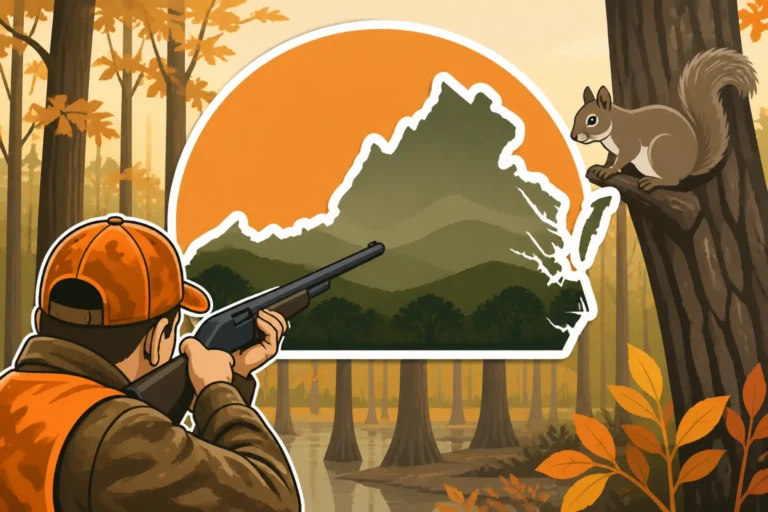
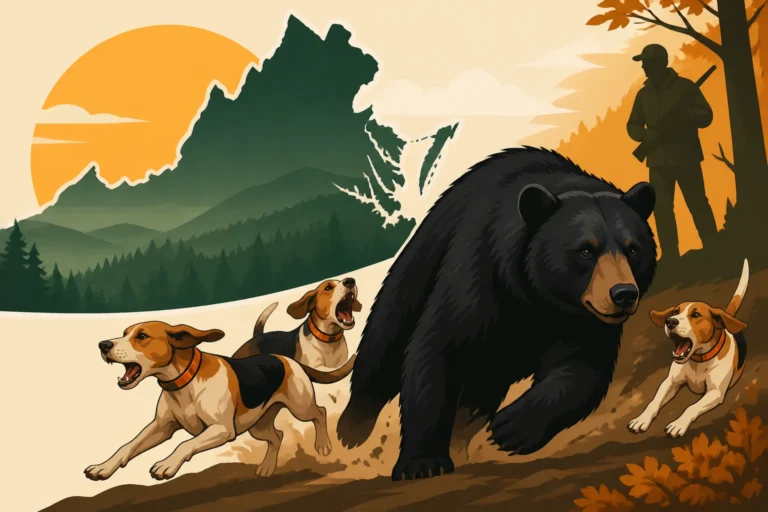
While deer and turkey are primary targets, Eastern Virginia offers opportunities for other game. Black bears are expanding their range from the mountains into the Piedmont and even some Tidewater areas, particularly in counties with large tracts of timber or swamp. Hunting them here often involves targeting specific food sources like acorns or agricultural crops. Virginia's Black Bear Population has grown significantly, and their presence is increasingly felt in unexpected places. Feral hogs are also a growing concern, especially in the southern Piedmont and Tidewater regions. These destructive animals can be hunted year-round on private land with landowner permission, providing an exciting and challenging pursuit. Targeting hog activity around food plots or agricultural fields, often at night, can be very productive. Small game, like squirrels and rabbits, thrives in the diverse habitats. Squirrels are abundant in oak and hickory bottomlands, while rabbits prefer thick fencerows, briar patches, and regenerating clear-cuts. Don't overlook the opportunity for a fantastic day of Squirrel and Small Game Hunting in Virginia, especially as a way to introduce new hunters to the field.
Strategic Approaches for Eastern Habitats
Hunting effectively east of the Blue Ridge demands a different strategic mindset. You're often dealing with smaller, more fragmented pieces of cover, higher deer densities but also more wary animals, and distinct terrain features that dictate game movement.
Hunting the Piedmont's Woodlots and Field Edges
The Piedmont is characterized by a mosaic of hardwood timber, pine plantations, and agricultural fields. This means deer are often moving between bedding cover within woodlots and feeding areas in the fields. Your strategy needs to capitalize on these transitional zones.
- Scouting Field Edges and Pinch Points: Spend significant time scouting field edges, looking for fresh tracks entering and exiting, well-used trails, and rubs or scrapes. Deer will often use the edges of fields for cover as they move, especially at dawn and dusk. Identify any natural pinch points where deer are funneled, such as narrow strips of timber between two fields, creek crossings, or saddles between small hills. These are prime stand locations. Utilizing a mapping tool like GoHunt can help you identify these features from afar, allowing you to scout smarter.
- Targeting Isolated Woodlots and Thickets: Don't overlook small, isolated woodlots or dense thickets. These often serve as bedding sanctuaries, especially if they offer thick cover. Deer might travel across open fields under the cover of darkness to reach these spots, or they might emerge from them at last light. Setting up a ground blind or a well-concealed treestand on the downwind side of such a woodlot, anticipating their exit or entry, can be very effective. Remember to consider the wind and thermals, even on relatively flat terrain; deer will always use the wind to their advantage. Setting Up on a Piedmont Field Edge requires careful consideration of entry and exit routes to avoid spooking game.
- Hunting Standing Crops: When crops like corn or soybeans are still standing, they provide incredible cover and food for deer. Bucks will often bed down deep inside a cornfield, emerging only at night. Hunting the edges of these fields, or finding strategic entry points like tractor paths or logging roads that run through them, can be incredibly productive, especially during the early season. Hunting a Standing Cornfield in Farm Country offers unique challenges and rewards.
Navigating Tidewater Swamps and River Bottoms
Hunting in Tidewater's swamps and river bottoms is a beast of its own. It requires specialized gear and a willingness to get a little (or a lot) wet and muddy.
- Understanding Water Levels and Access: Water levels can fluctuate dramatically, impacting deer movement and your access. Scout during different times of the year to understand how deer use the higher ground within a swamp when water is up, or how they move through dried-out channels. Small boats or canoes might be necessary for access in some areas.
- Finding High Ground and Islands: Deer will naturally seek out higher, drier ground within a swamp for bedding. Look for subtle rises in elevation, small islands, or even old logging roads that become elevated causeways. These areas are natural magnets for deer. Setting up on the edges of these islands or along the elevated paths can be deadly, especially during the rut when bucks are cruising for does.
- Using Natural Funnels and Bottlenecks: The dense vegetation and winding waterways of a swamp create countless natural funnels and bottlenecks. Deer will stick to the path of least resistance. Look for narrow strips of slightly higher ground between two water bodies, dense thickets that force movement into a specific lane, or crossings over small creeks. These are perfect ambush points. Still-hunting through these areas, moving slowly and deliberately, can also be very productive, as the thick cover often limits shot distances.
Public vs. Private Land Realities East of the Blue Ridge
Unlike the expansive public lands of Western Virginia, hunting east of the Blue Ridge often means dealing with a higher proportion of private land.
- Gaining Private Land Access: Securing permission on private land is often the most significant hurdle. This means knocking on doors, building relationships with landowners, and being respectful. Offering to help with chores, sharing game, or assisting with property management can go a long way. Some private lands may also offer hunting leases, which can be a valuable investment if you find a good tract. Remember, Do You Need Written Permission in Virginia? for private land, and it's always a good idea.
- Hunting Smaller Public Tracts: While large tracts of public land are less common, Virginia does have excellent Wildlife Management Areas (WMAs) and other smaller public parcels scattered throughout the eastern region. These areas can be highly productive but often see significant pressure, especially on opening days. The key is to walk further, deeper, and into areas that other hunters avoid. Look for overlooked corners, dense thickets, or areas that are difficult to access. Use mapping tools like GoHunt to identify these overlooked spots.
- Urban Archery Zones: Many eastern cities and suburban areas have special Virginia Urban Archery Season Rules that allow for archery hunting within city limits. These zones can offer incredible opportunities for mature deer, as pressure is often minimal and food sources abundant. However, they come with stringent regulations regarding setbacks, permission, and safety. Getting Landowner Access in an Urban Archery Zone requires diligence and strict adherence to rules, but the rewards can be substantial.
Leveraging Seasons and Regulations
Virginia's hunting regulations, particularly for deer, are structured to manage populations across the state's diverse regions. East of the Blue Ridge, you'll encounter different antlered buck limits and often more liberal antlerless opportunities, reflecting higher deer densities. Understanding these nuances is crucial for filling your tags.
Eastern Region Antlered Buck Limits
The most significant difference for deer hunters operating east of the Blue Ridge is the antlered buck limit. While hunters in the Western Deer Management Region (west of the Blue Ridge) are generally restricted to two antlered bucks per license year, the Eastern Deer Management Region often allows for a more generous bag limit. In many eastern counties, hunters can take three antlered bucks per license year. However, there's a crucial caveat: two of these bucks must have at least four points on one side, and the third buck can be any antlered deer. This regulation is designed to encourage hunters to pass on younger bucks while still providing ample opportunity. It's vital to check the specific county regulations through the Virginia Department of Wildlife Resources (DWR) website or their Go Outdoors Virginia app, as local ordinances can sometimes alter statewide rules. Paying close attention to Filling a Six-Deer Eastern Limit often involves understanding these buck limits and antlerless opportunities.
Maximizing Antlerless Harvest Opportunities
East of the Blue Ridge, managing the deer population often means encouraging the harvest of antlerless deer (does). Consequently, antlerless opportunities are typically more abundant and seasons longer. Many eastern counties offer extended antlerless seasons, sometimes throughout the entire deer season, including during general firearms. Bonus antlerless tags might also be available for purchase, allowing hunters to take even more does.
Here's why this matters:
- Population Management: A healthy deer herd requires balanced sex ratios. Harvesting does helps control population growth, reduces disease transmission, and lessens agricultural damage.
- Filling the Freezer: Antlerless deer provide excellent table fare and are a fantastic way to fill your freezer with venison.
- Strategic Hunting: Taking a doe early in the season can reduce pressure on larger bucks. It also provides an opportunity to scout and learn deer patterns without the intense pressure of chasing a trophy buck. If you're on a property with abundant deer, harvesting does is an ethical way to contribute to herd health and enjoy more time afield.
- Mentoring New Hunters: Antlerless hunts are perfect for introducing new hunters, especially youth, to the sport. The pressure is often lower, and the success rate higher, making for a positive first experience. Don't forget the Hunting the Virginia Youth Deer Weekend for these opportunities.
Special Seasons: Urban Archery and Muzzleloader Considerations
The eastern region also offers unique opportunities through special seasons that can extend your time in the woods or provide access to less-pressured deer.
- Urban Archery Season: As mentioned, many cities and suburban areas in Eastern Virginia participate in the Urban Archery Season. This season often opens earlier than the statewide archery season, providing hunters with an initial crack at deer before general pressure mounts. It's an incredible opportunity to hunt close to home and target mature deer that have grown accustomed to human presence but rarely see hunting pressure. Remember, specific city ordinances, property size requirements, and safety zones are strictly enforced. Review Virginia Urban Archery Opening Day and all associated rules carefully.
- Muzzleloader Season: Virginia's Muzzleloader Deer Hunting season provides a unique opportunity to hunt with primitive firearms. East of the Blue Ridge, this often falls between the statewide archery season and the general firearms season, allowing hunters a chance to hunt with a firearm before the woods are filled with modern gun hunters. Deer, while alert, might be less pressured than during the general firearms season. Virginia Early Muzzleloader Tactics often involve focusing on primary food sources and bedding areas, as deer haven't yet been driven into their late-season patterns. The challenge lies in mastering your muzzleloader, keeping powder dry, and making ethical shots within the weapon's effective range.
Here's a quick comparison of general deer season structures in Eastern Virginia:
| Season Type | General Dates (Approx.) | Key Rules | Primary Advantages |
|---|---|---|---|
| Urban Archery Season | Early September – Late March | Archery-only, specific city limits, landowner permission often required, strict safety zones. | Extended season, less pressured deer, close to home. |
| Statewide Archery Season | Early October – Mid-November | Archery/Crossbow, any deer within bag limit, often precedes muzzleloader/firearms seasons. | First crack at deer, opportunity during the rut with less pressure than firearms. Virginia Statewide Archery Opening Day |
| Early Muzzleloader Season | Mid-November | Primitive firearms only, specific calibers, often precedes general firearms. | Hunt with a firearm before general firearms pressure. |
| General Firearms Season | Mid-November – Early January | All legal firearms, most popular season, high pressure. | High success rates, peak rut activity in some areas. |
| Late Archery/Muzzleloader | Early January | Archery/Muzzleloader only, continues to season close, often for antlerless deer. | Opportunity to extend the season, target late-season food sources. |
Note: Always consult the current Virginia DWR regulations for precise dates and county-specific rules.
Essential Gear and Scouting for the East
Hunting east of the Blue Ridge calls for some adjustments in your gear and scouting methodology. The terrain is different, game behavior varies, and access can be a bigger consideration.
Optics and Weapons for Flatter Terrain
While long-range shots are less common than in the vast western mountains, having the right optics and weapons is still paramount for success in Eastern Virginia.
- Rifles for Mixed Cover: A versatile rifle caliber that performs well in both dense woods and across moderate-sized fields is ideal. Cartridges like .308 Winchester, .270 Winchester, or the popular 6.5 Creedmoor are excellent choices, offering a flat trajectory for open shots and ample power for timber. For denser cover, a .30-30 or a straight-wall cartridge in a lever-action can be incredibly effective, allowing quick, close-range shots. Shotguns with slugs are also common, particularly in counties with firearms restrictions. Remember that shot distances are rarely extreme; most shots will be within 150-200 yards, often much closer in thickets.
- Bow and Crossbow Setups: Archery hunting is incredibly popular and effective in Eastern Virginia, especially given the abundant cover and urban archery opportunities. A reliable compound bow or crossbow with a comfortable draw weight and accurate broadhead setup is essential. Consider fixed-blade broadheads for their reliability in hitting bone, or mechanical broadheads for larger cutting diameters if you expect clean pass-throughs. The key is practicing regularly at realistic hunting distances, which, in the eastern woods, are often under 30 yards. Ensure your crossbow setup complies with Crossbow Rules During Virginia Archery Season.
- Binoculars for Detail, Not Distance: You won't often be glassing distant mountain slopes, but good binoculars are still invaluable for picking apart dense cover. An 8x or 10x magnification is usually sufficient. Use them to scan field edges, dense thickets, and tree lines for subtle movements, flicking ears, or the horizontal line of a deer's back. Look for antler tips in thick brush, or a turkey's head bobbing in tall grass. The emphasis is on detail in close-to-medium range, rather than identifying game miles away.
- Rangefinders for Confidence: While shots might be closer, a rangefinder is crucial for confirming distances, especially when hunting from a treestand or in varied terrain where distances can be deceiving. Knowing your exact yardage to key landmarks or specific trees around your stand will boost your confidence when the moment of truth arrives.
Navigating with Maps and Technology
In a region dominated by private land and fragmented public parcels, knowing exactly where you are and what the land around you looks like is non-negotiable.
- Digital Mapping Apps: This is where modern technology truly shines. Apps like GoHunt, onX Hunt, and BaseMap are indispensable. They provide detailed aerial imagery, property lines, public land boundaries, and topographic maps. You can mark stand locations, access routes, bedding areas, and food sources directly on the map. This is particularly useful when scouting new areas or trying to understand how a small woodlot connects to a larger agricultural field. When scouting, I often use GoHunt to identify potential travel corridors, pinch points, and isolated cover that might hold deer, even if they're on private land adjacent to public access points. This helps me find ground others might overlook.
- GPS Units (as backup): While phone apps are powerful, don't underestimate the value of a dedicated GPS unit as a backup, especially if you plan to hunt areas with spotty cell service, such as deep river bottoms or dense swamps. A handheld GPS can save you from getting disoriented in thick cover or after dark.
- Battery Management: Always carry a portable power bank for your phone or GPS device. There's nothing worse than a dead battery when you're deep in the woods or need to check your location after harvesting an animal.
Reading Sign and Scouting Specific Eastern Features
Effective scouting in Eastern Virginia is about understanding how deer use the available habitat and focusing on specific features.
- Focus on Edges and Transitions: Deer are creatures of the edge. Focus your scouting efforts on the transition zones between different habitat types: where woods meet fields, where thickets meet open timber, or where dry ground meets a swamp. These are high-traffic areas.
- Creek Bottoms and Drainages: Even in relatively flat terrain, creek bottoms and drainages offer natural travel corridors and often have thicker cover and more consistent food sources. Deer will frequently use these to move undetected.
- Funnel Points: Look for natural funnels created by fences, roads, timber cuts, or changes in topography. Any feature that constricts deer movement into a smaller area is a prime scouting target and potential stand location.
- Scrapes and Rub Lines: While scrapes and rubs are found everywhere, in Eastern Virginia, they often indicate consistent deer activity in smaller areas. A well-used rub line along a field edge or a series of scrapes in a woodlot can reveal a buck's travel patterns.
- Access Routes and Pressure: Pay attention to how other hunters access public land. If everyone walks the main trail, consider going the opposite direction or pushing deeper into areas that are harder to reach. Understanding hunting pressure, which can be intense, is a form of scouting. For example, knowing Hunting Pressure on Virginia Public Land can guide your strategy.
Hunting east of the Blue Ridge is a rewarding pursuit that requires hunters to adapt their strategies, embrace diverse habitats, and leverage technology. It's a region where diligence in scouting, understanding game behavior, and respecting local nuances will consistently lead to success.
Disclaimer
Please be aware that hunting regulations, seasons, and bag limits can change. It is your responsibility to consult the most current Virginia Department of Wildlife Resources (DWR) regulations before engaging in any hunting activity. This guide provides general information and should not be considered a substitute for official DWR publications. Always prioritize safety, ethical hunting practices, and respect for landowners and wildlife.