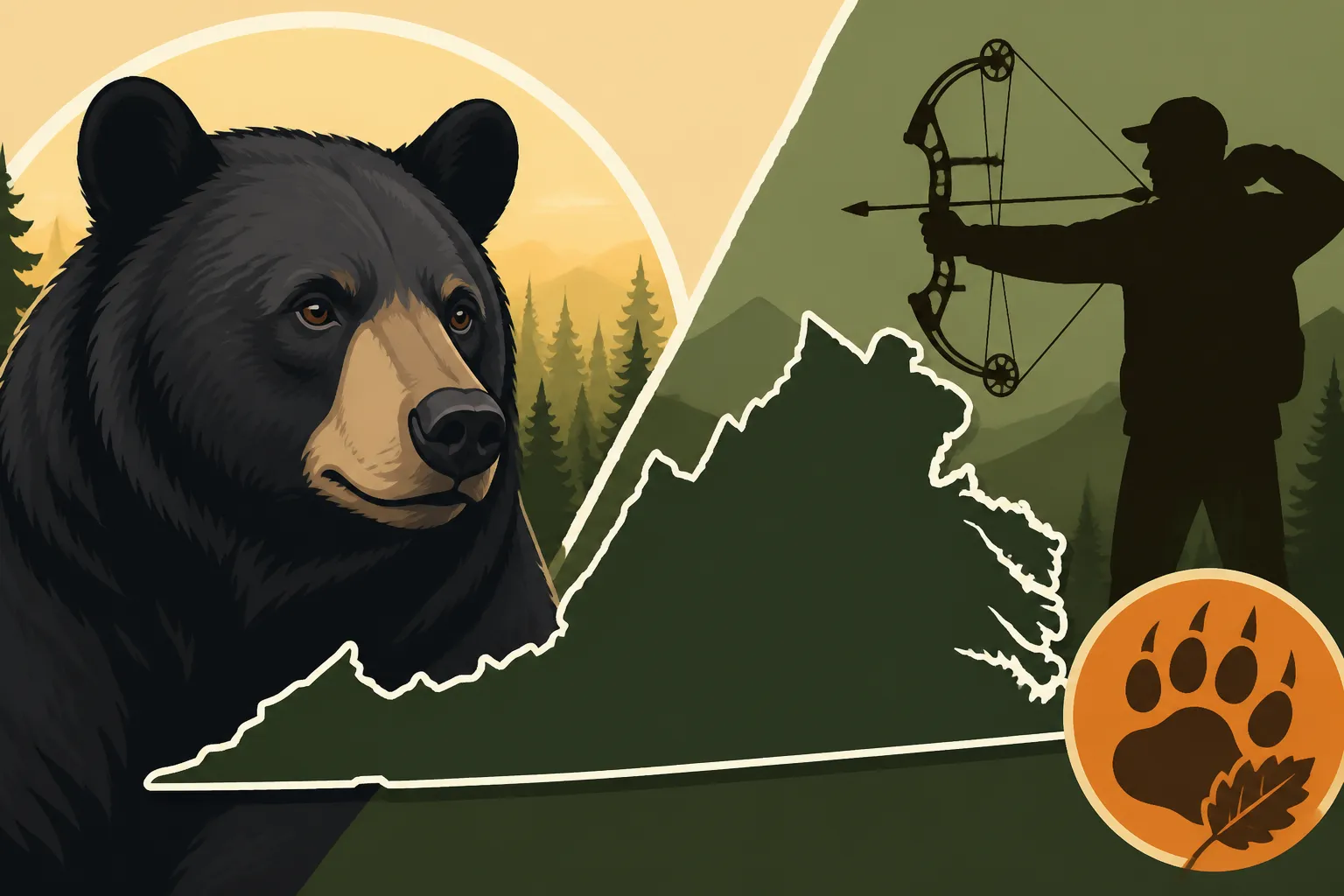
Virginia Bear Season Rules
Hunting black bears in Virginia can feel like trying to navigate a dense mountain laurel thicket in the dark – confusing, full of hidden snags, and easy to get turned around. With shifting season dates, county-specific regulations, and recent changes stemming from concerns like sarcoptic mange, it's understandable if you're left scratching your head. This comprehensive guide is designed to cut through that brush, meticulously breaking down Virginia's bear season rules to help you understand every nuance and prepare for a successful, ethical hunt.
The Evolving Landscape of Virginia's Black Bear Population
Virginia's black bear population has undergone a remarkable transformation over the past few decades, evolving from a relatively sparse, mountain-dwelling species to a thriving, expanding presence across much of the Commonwealth. This success story, while celebrated by wildlife enthusiasts, also brings with it a complex set of management challenges and, consequently, a dynamic regulatory framework for hunters.
Tracing the Remarkable Comeback of Black Bears
Not so long ago, black bears in Virginia were largely confined to the dense forests of the Blue Ridge and Allegheny Mountains, their numbers significantly reduced by habitat loss and unregulated hunting in previous centuries. However, thanks to dedicated conservation efforts by the Virginia Department of Wildlife Resources (DWR), improved forest management practices, and a more informed public, these magnificent animals have made an incredible comeback. Early reintroduction programs and strict harvest regulations allowed the population to stabilize and then begin to grow. What started as small, isolated pockets has blossomed into a robust and healthy bear population. This turnaround is a testament to effective wildlife management, showcasing how a concerted effort can lead to the restoration of even large charismatic megafauna.
Current Population Trends and Range Expansion
Today, Virginia boasts a thriving black bear population, estimated to be well over 15,000 individuals, with recent DWR data suggesting continued growth. What's truly striking is not just the sheer numbers, but the dramatic expansion of their range. While their traditional strongholds in the western mountains still hold the densest populations, bears are now regularly seen and harvested in the Piedmont region, and even occasionally in the suburban fringes of major cities like Richmond and Northern Virginia. This expansion into new territories is driven by a combination of increasing population density, abundant food sources, and the bears' natural exploratory instincts. This means that hunters in areas that were historically not considered "bear country" might now find themselves with opportunities, though often with different regulations or encounter types. Understanding these broader population trends helps to contextualize the DWR's management decisions and the often-complex season structures.
DWR's Role in Sustainable Bear Management
The DWR's approach to black bear management is a delicate balancing act. On one hand, they are committed to maintaining a healthy and sustainable bear population, ensuring these animals continue to thrive for future generations. On the other hand, they must also address increasing human-bear conflicts, which become more common as bears move into agricultural and residential areas. These conflicts can range from raiding bird feeders and garbage cans to crop damage and, in rare instances, more direct encounters. Hunting plays a vital role in this management strategy. By carefully setting season dates, bag limits, and method-specific rules, the DWR uses regulated hunting to:
- Manage Population Growth: Help control numbers in areas where they are expanding too rapidly or causing significant issues.
- Distribute Harvest: Spread hunting pressure across different areas and seasons to avoid localized over-harvesting while targeting problem areas.
- Reduce Conflicts: Encourage bears to remain wary of humans and reduce the likelihood of habituation, which can lead to negative interactions.
The DWR regularly collects data through harvest reporting, scientific studies, and public input to inform these decisions. This data-driven approach means that regulations, particularly concerning season lengths and local closures, can change from year to year. Hunters, therefore, have a responsibility to stay current with the latest DWR regulations to ensure compliance and contribute positively to bear management.
Deciphering Virginia's Statewide Bear Season Dates
Navigating Virginia's bear season dates can be a bit like piecing together a puzzle, as the season is fractured into different segments and, increasingly, subject to regional and even county-specific variations. Understanding these distinct periods—archery, muzzleloader, and general firearms—is crucial for planning your bear hunt.
Archery and Muzzleloader Opportunities
For those who prefer the quiet challenge of archery or the smoke-filled tradition of a muzzleloader, Virginia offers dedicated opportunities to pursue black bears. The statewide archery season for bear typically coincides with the archery deer season, usually kicking off in early October and running through mid-November. This offers a fantastic chance to be in the woods during prime autumn conditions, often before heavy hunting pressure sets in. During this period, archers must adhere to all general archery regulations, including those concerning crossbow use. Many hunters utilize this early season to try for a bear while scouting for deer, making efficient use of their time afield.
Following the archery season, the statewide muzzleloader season for bear generally opens in mid-November, providing another distinct opportunity before the influx of general firearms hunters. This period often lasts about a week or two, varying slightly by year. Muzzleloader hunting adds an extra layer of challenge and tradition, appealing to those who appreciate a more primitive approach. It's essential to check the DWR regulations for the precise dates each year, as they can shift slightly. These early seasons allow hunters to target bears before they enter their deepest denning periods, though finding them can be challenging as they are often focused on late-season foraging.
General Firearms Season: Opening Dates and Regional Nuances
The general firearms season is arguably the most popular and, consequently, the most complex period for bear hunting in Virginia. This season usually begins in late November, often immediately following the statewide muzzleloader season, and can extend through early December or even into January in some areas. However, this is where the "statewide" definition becomes a bit nuanced.
While there's a general framework, the specific opening and closing dates, as well as the length of the season, can vary significantly by county or region. For example, some western mountain counties might have a longer, more traditional season, while certain eastern or Piedmont counties might have a shorter, more restricted window, or even be closed to firearms bear hunting entirely. These variations are typically due to local bear population densities, harvest objectives, and the prevalence of human-bear conflicts. It's imperative that hunters consult the DWR's annual hunting regulations digest, often available through their website or in physical form at license vendors, to confirm the precise general firearms season dates for their chosen hunting location. Relying on outdated information could lead to a violation, which nobody wants.
The Southwest Early Bear Season: Understanding Recent Closures
One of the most significant and often frustrating changes for many hunters has been the adjustment, and in some cases, the outright closure, of the early bear season in certain southwestern Virginia counties. Historically, many counties in the mountainous southwest offered an early bear season, sometimes starting as early as September or October, often with the use of hounds. This was a cherished tradition for many local hunters.
However, in recent years, the DWR has implemented Virginia's Southwest Early Bear Season Closure in specific counties due to concerns over declining bear populations, often linked to sarcoptic mange (which we'll discuss in more detail later) or other localized factors. For instance, counties like Buchanan, Dickenson, Lee, Russell, Scott, Tazewell, Wise, and parts of Smyth and Washington have seen their early bear seasons significantly reduced or eliminated entirely. This decision, while difficult for hunters, is a crucial part of the DWR's adaptive management strategy to protect vulnerable bear populations and ensure their long-term health. If you're accustomed to hunting bear in this region, it's absolutely critical to verify the current regulations for these specific counties well in advance of your hunt. This is a prime example of why checking the annual regulations is non-negotiable, as seasons you might have relied on for years could suddenly be different.
Virginia Black Bear Season Overview (Approximate Dates – Always Check DWR)
| Season Type | Typical Start Date | Typical End Date | Common Hunting Method | Key Considerations |
|---|---|---|---|---|
| Archery Season | Early October | Mid-November | Bow, Crossbow | Often overlaps with archery deer; minimal pressure. |
| Muzzleloader Season | Mid-November | Late November | Muzzleloader | Brief window; traditional method; less pressure than gun. |
| General Firearms | Late November | Early December/Jan. | Rifle, Shotgun | Variable by county; peak harvest; check local regulations. |
| Hound Season | Late November/Early Dec. | Early January | Hounds | Specific dates; county-restricted; check hound rules. |
| Southwest Early | N/A (Historically Early) | N/A (Historically Early) | N/A | Mostly closed or restricted due to population concerns. |
Rules and Regulations for Different Hunting Methods
Virginia's bear hunting regulations are designed to accommodate various hunting traditions while ensuring ethical practices and effective population management. Whether you prefer to still hunt through the quiet woods or follow the baying of hounds, understanding the specific rules for each method is paramount.
Still Hunting and Spot-and-Stalk Techniques
Still hunting and spot-and-stalk are classic methods for pursuing black bears, often favored by hunters who enjoy the solitary challenge of tracking and ambushing. These methods involve quietly moving through bear habitat or patiently waiting in a strategic location, relying on keen observation and knowledge of bear behavior. For hunters employing these techniques, the general firearms season and the archery/muzzleloader seasons are their primary windows of opportunity.
When still hunting or spot-and-stalking, hunters must adhere to all legal requirements regarding firearms, ammunition, and archery equipment. For instance, Virginia Legal Firearms for Deer Hunting generally apply to bear as well, meaning centerfire rifles, shotguns, and muzzleloaders are common. There are usually minimum caliber requirements for taking big game in Virginia, which you should always confirm in the DWR regulations. While there isn't a "spot-and-stalk specific" permit, all general hunting licenses and big game tags apply. It's crucial to wear appropriate blaze orange or blaze pink during the firearms season to ensure visibility, as per Virginia Blaze Orange Requirements, even if you’re still hunting alone in the vastness of the George Washington National Forest. Safety is always the top priority, especially when traversing rugged terrain where bears might be present.
Bear Hunting with the Aid of Hounds
Hunting bears with hounds is a deeply rooted tradition in many parts of Virginia, particularly in the mountainous western counties. This method involves using trained dogs to track and bay or tree a bear, allowing hunters to approach for a shot. The regulations for Hunting Bears With Hounds Where Virginia Allows It are distinct and often more complex than those for still hunting.
First and foremost, hunting with hounds has its own specific season dates, which often run concurrently with portions of the general firearms season but may have different opening and closing times. Not all counties permit bear hunting with hounds, and even within those that do, there might be specific areas or public lands where it's restricted. Hunters who use hounds must also ensure their dogs are properly licensed and have any necessary identification. There are strict rules regarding harassing bears with dogs outside of legal hunting seasons, and specific regulations cover the use of GPS collars and other tracking devices. Hound hunting typically requires a greater understanding of teamwork, dog handling, and the intricacies of scent trailing. It’s a specialized pursuit with its own set of cultural norms and legal guidelines, and it's absolutely vital to be fully versed in these specific regulations before heading afield with your pack.
Baiting, Feeding, and Other Prohibited Practices
Virginia maintains a clear stance on certain practices that could undermine fair chase principles or lead to negative human-bear interactions. One of the most critical rules to understand is the prohibition against baiting bears. Unlike some other states, it is illegal to bait black bears in Virginia. This means you cannot place any food, lure, or substance that could attract bears to an area for the purpose of hunting them. This includes corn, apples, pastries, or any other type of food. The intent of this regulation is to ensure that bears are harvested through methods that emphasize fair chase and natural hunting conditions.
Furthermore, hunters should be aware of broader feeding bans that, while primarily aimed at deer, can indirectly impact bear activity. Virginia's Twenty-Five-Mile Feeding Ban around Chronic Wasting Disease (CWD) management areas restricts the placement of feed and minerals for deer, but this can also apply to bears who are opportunistic feeders. Even outside of CWD zones, placing feed for other wildlife can attract bears and lead to habituation, making them bold and potentially dangerous. Ignoring these prohibitions, whether intentional or accidental, can result in significant fines and penalties, and can also contribute to dangerous wildlife situations. The DWR strongly emphasizes leaving wild animals wild, and this includes avoiding any actions that might encourage bears to associate humans with an easy food source.
Bag Limits, Reporting Your Harvest, and Carcass Management
Once you've successfully harvested a black bear in Virginia, your responsibilities don't end there. In fact, some of the most critical steps, legally and ethically, begin immediately after the shot. Understanding the annual bag limit, the mandatory reporting process, and proper carcass handling are all non-negotiable aspects of responsible bear hunting in the Commonwealth.
The Annual Bear Bag Limit in Virginia
For black bears in Virginia, the annual bag limit is straightforward: one bear per hunter per license year. This means that regardless of how many different seasons you participate in (archery, muzzleloader, general firearms, or hound season), you are only permitted to harvest a single black bear within a given license year. This strict limit is a key component of the DWR's population management strategy, designed to ensure sustainable harvest levels and prevent localized over-harvesting.
It’s crucial for hunters to keep this limit in mind, especially if they hunt in multiple locations or across different season segments. An accidental second bear, even if immediately reported, constitutes a violation. If you are fortunate enough to harvest a bear early in the season, your bear tag for that license year is fulfilled, and you cannot legally hunt or harvest another bear until the next license year begins. This simple, yet firm, rule helps maintain the integrity of the bear population and supports the long-term health of the resource.
Mandatory Bear Harvest Reporting Procedures
Reporting your bear harvest is not just a suggestion; it is a mandatory legal requirement in Virginia. The DWR relies heavily on accurate and timely harvest data to monitor population trends, assess the effectiveness of management strategies, and make informed decisions about future season regulations. Failing to report a harvested bear within the specified timeframe can result in penalties.
The good news is that reporting a bear is now quite convenient. Most hunters utilize the DWR's online reporting system or the "Go Outdoors Virginia" mobile app. The process is typically as follows:
- Tagging: Immediately after recovering your bear, you must attach your kill tag (from your big game license) to the animal.
- Reporting: Within 24 hours of harvest, you must report the bear to the DWR. This can be done online through their website or via the app. You'll need information such as the county of harvest, date, sex of the bear, and the method of take.
- Confirmation Number: Upon successful reporting, you will receive a confirmation number. This number serves as proof that you have legally checked your animal.
- Biological Samples: In some instances, the DWR may request specific biological samples (e.g., a tooth) for age and health analysis. They will provide instructions on how to submit these.
This digital reporting system streamlines the process significantly, making it easier for hunters to comply with Virginia Bear Checking Requirements. It also provides the DWR with real-time data that is invaluable for quick management adjustments.
Carcass Movement and Disease Management Considerations
While Chronic Wasting Disease (CWD) is primarily a concern for deer, and bear do not typically contract the disease, it’s still wise for hunters to be aware of carcass movement restrictions, especially if hunting in or near a designated CWD Disease Management Area (DMA). Although there are no specific DWR Moving a Deer Carcass Out of a DMA rules for bears, general principles of disease management suggest minimizing the movement of any harvested animal from a known disease zone.
Currently, DWR's primary concern with bear diseases revolves around sarcoptic mange. If you harvest a bear that appears to be suffering from mange or any other unusual disease, it is recommended to contact the DWR immediately. While mange does not typically affect humans, proper handling and cooking of all wild game meat are always advised. Hunters should be prepared to field dress their bear efficiently and consider how they will transport the carcass, especially if dealing with a large animal in remote terrain. Knowing your chosen game processor’s policies on accepting carcasses from certain areas can also be helpful. Always prioritize hygiene and safety when handling any wild animal carcass, and when in doubt about disease, contact your local DWR office.
Navigating Mange-Affected Counties and Special Restrictions
One of the most pressing and, frankly, disheartening challenges facing Virginia's black bear population and hunters alike is the spread of sarcoptic mange. This parasitic skin disease has prompted significant changes in season regulations in specific counties, creating a complex patchwork of rules that every bear hunter needs to understand.
The Impact of Sarcoptic Mange on Virginia Bears
Sarcoptic mange is caused by microscopic mites that burrow into a bear's skin, leading to intense itching, hair loss, skin thickening, and secondary infections. While rarely fatal on its own, severe cases can weaken bears, making them more susceptible to other diseases, hypothermia in winter, and starvation due to compromised foraging abilities. The disease is highly contagious among bears and can spread rapidly through a population. From a hunter's perspective, encountering a mangy bear is a tough sight, often eliciting sympathy and concern.
The DWR has been diligently monitoring the spread and impact of mange, particularly in the western and southwestern parts of the state. The prevalence of mange can significantly reduce local bear populations, affecting cub survival rates and overall health. This directly impacts the DWR's ability to maintain harvest objectives and necessitates adaptive management strategies to protect the affected bear populations. For hunters, it means that areas historically known for good bear hunting might suddenly have reduced opportunities as the DWR works to help the bears recover.
Specific County Restrictions and Season Adjustments
In response to declining bear populations and the observed impact of mange, the DWR has implemented special restrictions and season adjustments in Virginia's Mange-Affected Bear Counties. This often means a shorter, or even closed, bear season in specific locales, or restrictions on the method of take. For instance, the DWR has identified Which Twenty-Four Counties Cut Bear Season for Mange, and this list can be dynamic, evolving based on annual population assessments and disease prevalence.
These restrictions often manifest as:
- Reduced Season Lengths: The general firearms season might be shortened by several weeks or even reduced to an archery-only season in particularly hard-hit counties.
- Method of Take Restrictions: In some areas, the DWR might eliminate specific hunting methods, such as Hunting Bears With Hounds Where Virginia Allows It, to reduce stress on the population or prevent further disease transmission.
- Early Season Closures: As mentioned earlier, some southwest counties have seen their early bear seasons completely eliminated.
Hunters planning to pursue bears in areas known for mange (typically a cluster of counties in western/southwestern Virginia, including but not limited to parts of Frederick, Clarke, Shenandoah, Rockingham, Augusta, and counties further south and west) must consult the current DWR regulations every year to understand if their chosen hunting ground has specific restrictions. These Adjusting to Reduced Seasons in Mange-Affected Counties measures are painful for hunters, but they are a critical tool to help the bear population rebound from the effects of the disease.
Reporting Sick or Diseased Bears to DWR
As ethical hunters, we have a responsibility to contribute to wildlife health monitoring. If you encounter a sick, injured, or diseased bear while afield, especially one showing signs of mange (significant hair loss, crusty skin, emaciation), it's important to report it to the Virginia DWR. While harvesting a visibly mangy bear is not illegal unless specific local regulations prohibit it, many hunters choose not to.
If you do harvest a bear that appears to have mange, the DWR would appreciate being informed. They may ask you to provide specific samples for testing, which helps them track the disease's spread and severity. Do not attempt to handle a visibly sick animal directly without proper precautions. Your observations and reports are invaluable to the DWR's wildlife biologists, providing critical data that helps them manage the population and adapt regulations to protect Virginia's bears. This vigilance is part of being a true conservationist, contributing to the health of the entire ecosystem.
Essential Licensing and Hunter Education for Bear Hunters
Before you even step foot in the woods with your bear hunting gear, ensuring you have the correct licenses and have met Virginia's hunter education requirements is absolutely non-negotiable. Skipping these steps can lead to significant fines, loss of hunting privileges, and a black mark on your hunting record.
Required Licenses and Bear Tags
Hunting black bear in Virginia requires a combination of licenses, demonstrating your general authorization to hunt and your specific intent to pursue big game.
- Basic Hunting License: First and foremost, you'll need a valid Virginia hunting license. This serves as your fundamental permit to hunt any legal game during open seasons.
- Virginia Big Game License: In addition to the basic hunting license, you must also purchase a Virginia Big Game License. This add-on license is what specifically authorizes you to harvest deer, bear, and turkey. It includes the necessary kill tags that must be immediately attached to your bear upon harvest.
It's crucial to understand that these two licenses are typically purchased together or as an "add-on" to your base license. The DWR offers various license packages, including annual and multi-year options, and specific licenses for residents and non-residents. Make sure your licenses are valid for the current season and that you carry proof of them while hunting. Many hunters find it convenient to use the Go Outdoors Virginia app to store digital copies of their licenses on their phone, which is legally accepted proof.
Understanding Resident and Nonresident Costs
The cost of Virginia hunting licenses varies significantly depending on whether you are a resident or a nonresident of the Commonwealth. This distinction is common across states and reflects the principle that residents, who contribute to the state's tax base and conservation efforts year-round, typically pay lower fees.
Virginia Resident Hunting License Options:
Virginia residents generally have access to a more affordable suite of license options. An annual basic hunting license combined with a big game license is the standard. There are often multi-year options available that can provide a slight discount over purchasing year-by-year, like a four-year license. For example, a typical annual resident hunting license might cost around $23, with the big game license costing an additional $23. These prices are subject to change, so always check the current DWR fee schedule.
Virginia Nonresident Hunting License Options:
For nonresident hunters, the costs are considerably higher. This is to be expected, as nonresidents are benefiting from Virginia's wildlife resources without contributing to them in the same way residents do. A typical Virginia Nonresident License Cost for a basic hunting license could be around $111, with the big game license costing an additional $23. The DWR also offers a Virginia Three-Day Nonresident License Option, which can be a more economical choice for those planning a short trip, though it's important to verify if big game is included or requires an additional tag. Many nonresidents who frequently hunt in Virginia might consider annual licenses for cost-effectiveness. It's advisable to check the official DWR website or call their licensing department for the most current fee schedule before making your purchase, as prices can fluctuate.
Virginia's Hunter Education and Apprentice Hunter Program
Ensuring the safety of hunters and the public is paramount, which is why Virginia has specific requirements for hunter education.
- Who Needs Hunter Education: Generally, anyone 12 years of age or older who wants to purchase a hunting license in Virginia needs to complete a DWR-approved hunter education course. There are some exemptions, such as those who have held a hunting license from another state or those born before July 1, 1970. However, for new hunters, this course is mandatory. The DWR website clearly outlines Who Needs Virginia Hunter Education.
- Hunter Education Courses: These courses cover essential topics like firearm safety, ethical hunting practices, wildlife identification, conservation principles, and Virginia's hunting laws. They are typically offered in traditional classroom settings or through online modules followed by a field day. Taking Virginia Hunter Education Online is a popular and convenient option for many.
- Apprentice Hunter Program: For those new to hunting and wishing to try it out before committing to a full hunter education course, Virginia offers the Virginia Apprentice Hunter License Rules. This program allows individuals who have not completed hunter education to hunt under the direct supervision of a licensed, experienced hunter. The mentor must be at least 18 years old and have a valid Virginia hunting license. The apprentice must always be accompanied by and remain "within sight and normal voice contact" of their mentor, as stipulated by the How Close a Virginia Mentor Must Stay regulation. This program is a fantastic way to introduce new participants to the sport in a safe, mentored environment, easing them into the requirements and responsibilities of hunting.
Strategic Planning for a Successful and Ethical Bear Hunt
Successfully harvesting a black bear in Virginia, especially on public lands, is a rewarding challenge that requires meticulous preparation, a deep understanding of bear behavior, and a commitment to ethical hunting practices. It's about much more than just showing up on opening day; it's about connecting with the land and the animal.
Pre-Season Scouting and Identifying Bear Sign
The groundwork for a successful bear hunt often begins long before the season opens. Pre-season scouting is absolutely critical for understanding bear movement patterns, preferred habitats, and food sources. Bear activity is heavily dictated by food availability, so knowing what natural mast crops (acorns, berries, soft mast) are abundant in your hunting area is key.
When you're out Scouting Virginia Public Land Before Season, you'll be looking for distinct bear sign:
- Tracks: Large, five-toed tracks, often with visible claw marks, especially in muddy areas or along game trails.
- Scat: Bear droppings vary greatly depending on their diet. Look for scat full of berries, nuts, or corn.
- Rubs and Scrapes: Bears will rub against trees, leaving hair and claw marks, particularly on larger trees. They also make "bear scrapes" by raking their claws on the ground.
- Turned Over Rocks/Logs: Bears will flip rocks and logs looking for insects and grubs.
- Damaged Beehives/Cornfields: In agricultural areas, look for evidence of bears raiding beehives or breaking into cornfields.
- Densely Covered Areas: During warmer weather, bears often bed down in thick cover, especially near water sources or in high-elevation benches.
Utilizing modern tools can significantly enhance your scouting efforts. Apps like GoHunt provide detailed topographic maps, satellite imagery, and public/private land boundary overlays, which are invaluable for identifying potential bear habitat, access points, and escape routes. By putting in the time before the season, you'll be able to identify prime areas where bears are actively feeding and traveling, greatly increasing your odds.
Prioritizing Safety and Ethical Shot Placement
Bear hunting, given the size and power of the animal, demands an unwavering commitment to safety and ethical shot placement. A wounded bear can be dangerous, and ensuring a swift, humane kill is the paramount responsibility of any hunter.
- Shot Placement: The vital organs of a bear (lungs and heart) are located in the chest cavity, slightly behind the shoulder. Aim for this area to ensure a quick, clean kill. Avoid head or spine shots, as these are often unreliable and can lead to a wounded animal. Wait for a broadside or quartering-away shot if possible, providing the best opportunity to hit the vitals. Using a rifle caliber appropriate for bear, such as a .30-06, .308, or even a .270, is advisable.
- Hunting Companions: If hunting with others, clearly communicate your plan, firing zones, and safety protocols. Knowing where your hunting partners are at all times is critical, especially during a deer drive on Virginia Public Land.
- Blaze Orange/Pink: During firearms seasons, wearing Virginia Blaze Orange Requirements is mandatory and crucial for your safety, making you visible to other hunters. This is not just a legal requirement but a common-sense safety measure.
- Post-Shot Protocol: After taking a shot, give the bear time. While it might seem counterintuitive, waiting 15-30 minutes for a good shot (longer if you suspect a marginal hit) allows the animal to expire, reducing the risk of a dangerous encounter during tracking. Always approach a downed bear cautiously, from behind, to confirm it is deceased.
Public Land Access and Specific Area Regulations
Virginia offers vast tracts of public land, including portions of the George Washington and Jefferson National Forests and numerous DWR-managed Wildlife Management Areas (WMAs), where bear hunting is permitted. However, each of these areas can have specific regulations beyond the general statewide rules.
- National Forests: George Washington National Forest Hunting and Jefferson National Forest Hunting offer extensive opportunities, but they come with their own set of rules regarding camping, vehicle access, tree stand placement, and trail camera use. Always check the specific ranger district's regulations or consult a reliable mapping tool like GoHunt to understand boundaries and restricted areas. For example, some wilderness areas within the national forests might have stricter limitations on hunting methods or equipment.
- Wildlife Management Areas (WMAs): Virginia Wildlife Management Areas are managed by the DWR and often have specific regulations tailored to their unique ecosystems and management objectives. These can include mandatory sign-in/sign-out procedures, archery-only zones, specific hunting days, or restrictions on dog use. Many WMAs require a WMA Access Permit in addition to your state hunting licenses. It's imperative to consult the DWR's WMA-specific regulations before hunting any WMA.
- Checking Current Regulations: Before every hunt, especially if you're exploring a new area, make it a habit to check the DWR website or a current regulations digest. Things can change, and being informed is your best defense against inadvertently breaking a rule. Knowing how to use tools like the DWR's online map portal or GoHunt to verify boundaries and regulations is an invaluable skill for any public land hunter.
By understanding the DWR's management philosophy, meticulously tracking season dates and local restrictions (especially in mange-affected or southwestern counties), diligently following reporting requirements, and embracing ethical practices, you'll be well on your way to a safe and successful bear hunting experience in Virginia.
Disclaimer
Please remember that hunting regulations, season dates, and license requirements are subject to change. While every effort has been made to provide accurate and up-to-date information in this guide, it is the sole responsibility of the hunter to verify all current rules and regulations with the Virginia Department of Wildlife Resources (DWR) before participating in any hunting activity. This content is for informational purposes only and should not be considered legal advice.