Virginia Spring Turkey Season Rules
Spring turkey season in Virginia is a time of immense excitement and anticipation, but let's be honest, trying to keep up with all the regulations can sometimes feel like trying to call in a gobbler that's "henned up" – frustrating and confusing! From specific season dates to bag limits, licensing, and legal methods, there's a lot to navigate. This comprehensive guide is here to break down all the Virginia Spring Turkey Season Rules, ensuring you're fully prepared and confident when that first gobble echoes through the timber.
Understanding Virginia's Spring Turkey Season Dates
Getting the season dates straight is perhaps the most critical first step before you even think about dusting off your calls and camo. Virginia's turkey seasons aren't just a simple start and end; there are specific windows for youth hunters and different periods within the main season that dictate when and how long you can hunt. Missing a detail here could mean missing out on a hunt or, worse, running afoul of the regulations, and nobody wants that.
The Youth and Apprentice Weekend
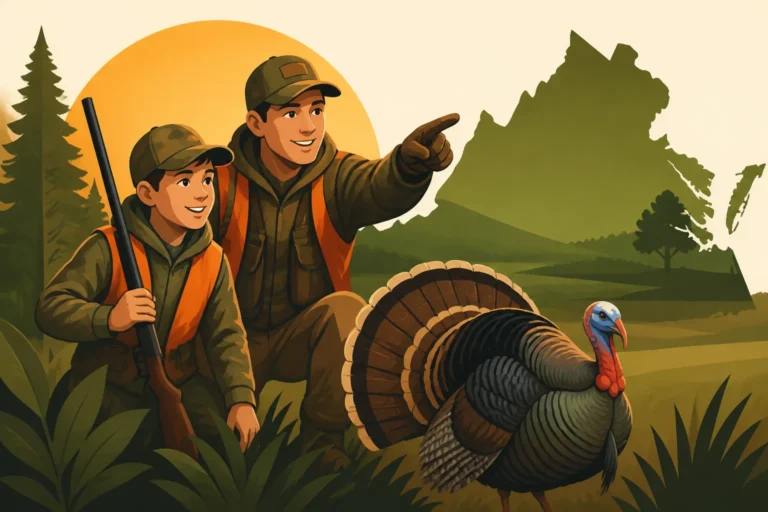
Virginia is fantastic about offering opportunities for new and young hunters, and the spring turkey season kicks off with a special event just for them. The Virginia Youth and Apprentice Turkey Weekend is a designated two-day period, typically held the weekend before the general statewide opener in April. During this weekend, hunters 15 years of age and younger, as well as apprentice license holders of any age, can hit the woods for turkeys. This is a mentor-based hunt, meaning youth hunters must be accompanied by a licensed, adult hunter who is at least 18 years old. The adult can't carry a firearm or hunt themselves, but they're there to guide, instruct, and ensure safety. It's a prime opportunity to introduce someone new to the thrill of spring gobblers without the pressure of a crowded opening day.
Statewide Regular Season Start and End Dates
Once the youth weekend wraps up, the highly anticipated statewide regular spring turkey season begins. Generally, this season kicks off around the second or third Saturday in April and runs straight through to mid-May. The Virginia Department of Wildlife Resources (DWR) sets these dates annually, and while they're pretty consistent, it's always wise to double-check the latest regulations each year. For instance, in recent years, the season has often concluded on a Saturday in mid-May. Knowing the exact Virginia Turkey Season Closing Date is crucial, as that final week can sometimes offer some fantastic hunting opportunities for those late-season, hard-to-find birds.
Exceptions and Local Variations
While the statewide dates cover most of Virginia, there can be some very specific, localized variations, especially in certain counties or on particular wildlife management areas (WMAs). These are rare for spring turkey but could exist. For example, some WMAs might have different access rules or specific hunt days, or certain urban archery zones might have unique regulations that sometimes bleed into other seasons, though typically not spring turkey. Always, and I mean always, consult the current Virginia DWR hunting regulations digest for the most precise details pertaining to your specific hunting location. It’s like scouting a new area; you can't just assume what you did last year or in another county will apply everywhere. A quick check of the DWR website or a good mapping app like GoHunt, which often integrates regulation overlays, can save you a lot of grief.
Virginia's Split Season Structure: Early vs. Late Periods
One of the unique aspects of spring turkey hunting in Virginia is its split season structure. It’s not just one continuous free-for-all from sunrise to sunset. The DWR implemented this system for good reason, primarily to balance hunter opportunity with the biological needs of the turkey population. If you're new to Virginia or haven't paid close attention, this can be a real game-changer in how you plan your hunts.
Early Period Rules: Morning-Only Hunting
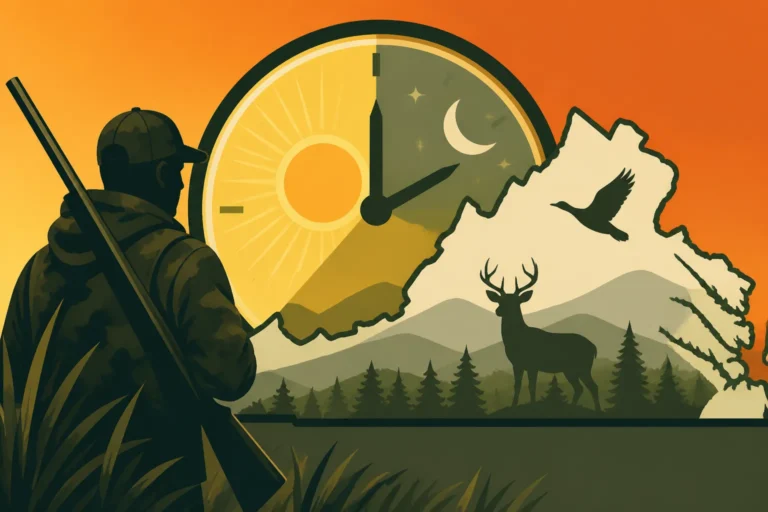
The first segment of the statewide season is the "Early Period," and this is where things get specific. During this initial stretch, hunting is restricted to morning hours only. This means you can only hunt from one-half hour before sunrise until noon each day. This restriction is primarily designed to minimize disturbance to nesting hens. By closing hunting at noon, hens have the afternoon to return to their nests without constant pressure from hunters. For us hunters, it means you have to be efficient and focused in those early hours. If that tom doesn't commit by late morning, you're packing up for the day. This is when patience and strategic calling, especially Calling a Virginia Gobbler Off the Roost, become absolutely vital. It's a stark contrast to some other states, and certainly to the later part of Virginia's own season. The specific Virginia Early Turkey Period Closing Time means you can't push your luck; once that clock hits noon, it's time to head out.
Late Period Rules: All-Day Hunting Opportunities
Ah, the "Late Period." This is when many hunters breathe a sigh of relief because the noon restriction is lifted, and you can hunt all day, from one-half hour before sunrise until sunset. This shift typically occurs around the first week of May, though again, check those current DWR regulations for the exact date. The reasoning behind this change? By the time the late period rolls around, most hens are already bred and committed to their nests. Toms, on the other hand, are often still looking for receptive hens, and with fewer unbred hens available, they might be more responsive to calls throughout the day. This is where those Run-and-Gun Turkey Tactics on Public Land can really shine, allowing you to cover more ground and potentially find that late-afternoon gobbler that's been quiet all morning. It offers a different dynamic, and sometimes, a completely different approach to your hunting strategy.
Why the Split Season Exists
The split season isn't just an arbitrary rule; it's a carefully considered management strategy. The primary goal, as mentioned, is to protect nesting hens. Early in the breeding cycle, many hens are still susceptible to being disturbed or separated from nests that are not yet firmly established. By limiting hunting to mornings, DWR aims to allow hens the freedom to nest and incubate eggs without prolonged human interference, which ultimately helps ensure good poult production for future turkey populations. This helps explain Why Virginia Splits Spring Turkey Into Two Periods. It's a balancing act: providing ample hunting opportunity while safeguarding the health of the wild turkey population. Understanding this "why" can sometimes make those early morning-only pack-ups a little easier to swallow.
Bag Limits and Tagging Requirements
Once you’ve got the dates and hunting hours down, the next crucial piece of information involves how many turkeys you can harvest and what you need to do once you’ve successfully bagged one. This isn't just about adhering to the law; it's about respecting the resource and contributing to sound wildlife management.
Annual and Daily Bag Limits
Virginia sets clear limits on how many turkeys you can harvest, both per day and for the entire spring season. For the spring season, the statewide limit is typically two bearded turkeys. This means only gobblers (male turkeys) or hens with beards can be taken. The "bearded" distinction is important because while hens rarely have beards, it does happen, and they are legal game if they possess one. As for the daily limit, you can only harvest one bearded turkey per day. This means if you fill your tag on Monday, you’re done for the day, but you can be back out Tuesday, hoping for your second bird. This Virginia Daily Turkey Bag Limit helps spread out the harvest pressure and ensures more hunters have a chance at success over the season. Remember, once you've reached your annual limit of two, your spring turkey season is officially over, regardless of how many days are left on the calendar. So, be mindful of that as you plan your hunts to ensure you are Making the Most of a Three-Bird Season Limit (if considering the fall season as well, but for spring, it's strictly two).
Mandatory Turkey Checking Procedures
This is perhaps the most important administrative step after harvesting a turkey: you must report your kill. This isn't optional; it's mandatory and critical for DWR to gather accurate harvest data, which informs future management decisions. Immediately after harvesting a turkey and before transporting it from the place of kill, you are required to validate your tag. This typically involves using the DWR's Go Outdoors Virginia app on your smartphone, or if you don't have service, calling a toll-free number or using an online system once you're back in service. This process is often referred to as "checking" or "reporting" your game. Failure to report your harvest is a violation, so make it a part of your post-hunt routine. For more detailed instructions, you'll want to review the Virginia Turkey Checking Requirements annually. This data helps DWR understand turkey populations, success rates, and identify trends across the state, which is invaluable for ensuring healthy turkey numbers for generations to come.
Tagging and Transporting Your Bird
Before you even think about putting that beautiful gobbler in the back of your truck or on your ATV, you need to properly tag it. Once you've dispatched your bird, you'll need to remove your specific turkey tag from your license and attach it securely to the turkey. The exact method for attachment is usually specified in the regulations – often around the leg or wing. This tag must remain with the bird until it reaches its final destination, whether that's your home freezer or a taxidermist. When transporting, especially across county lines or if you're stopping at a processing facility, having the bird visibly tagged is crucial for compliance. It's a clear signal to law enforcement that this bird was legally harvested and reported. You'll find specific details on Virginia Turkey Tag Transport Rules in the DWR digest.
| Season Period | Start Date (Approx.) | End Date (Approx.) | Hunting Hours | Daily Bag Limit | Season Bag Limit |
|---|---|---|---|---|---|
| Youth & Apprentice | Early April (Saturday) | Early April (Sunday) | Half-hour before sunrise to sunset | 1 Bearded Turkey | 2 Bearded Turkeys (total for spring) |
| Statewide Early Period | Mid-April (Saturday) | Early May (approx.) | Half-hour before sunrise to NOON | 1 Bearded Turkey | 2 Bearded Turkeys (total for spring) |
| Statewide Late Period | Early May (approx.) | Mid-May (Saturday) | Half-hour before sunrise to SUNSET | 1 Bearded Turkey | 2 Bearded Turkeys (total for spring) |
Note: Always consult the current Virginia DWR Hunting & Trapping Regulations Digest for exact dates and any specific county or WMA rules, as these dates can shift slightly year to year.
License Requirements for Spring Turkey Hunting
Just like with any other game animal in Virginia, you can't just head out into the woods with a shotgun and a call without the proper paperwork. Hunting licenses and permits are the foundation of legal hunting, and they fund the wildlife management efforts that make hunting in Virginia so great. Don't let your excitement for gobblers lead you to overlook these vital steps.
General Hunting License and Big Game Stamps
First and foremost, to hunt turkeys in Virginia, you'll need a valid Virginia hunting license. For residents, this typically means a Virginia Resident Hunting License. Non-residents will need a specific Virginia Nonresident Hunting License or a short-term option if available. Beyond the basic hunting license, turkeys are considered big game in Virginia, so you'll also need a Virginia Big Game License (often called a Big Game Stamp or privilege). This is usually an add-on to your base hunting license. The good news is that these licenses are generally valid for the entire license year, which runs from July 1st to June 30th, so if you've already bought one for deer season, you're likely covered. Checking out the Virginia Resident Hunting License Options or Virginia Nonresident Hunting License Options will give you the full breakdown of costs and durations.
Non-Resident License Considerations
If you're traveling to Virginia specifically to chase those spring gobblers, you'll need to pay close attention to the non-resident license structure. Virginia offers various options, from annual non-resident licenses to shorter-term choices. While an annual non-resident license might seem pricey upfront, it often provides the most flexibility if you plan multiple trips throughout the year. However, if spring turkey is your only planned hunt, a shorter-term license might be more economical. Always check the specific fees and validity periods on the DWR website. Remember, all the other rules – bag limits, checking requirements, hunting hours – apply equally to non-residents. And a hot tip: purchasing your license online through the Go Outdoors Virginia portal before you arrive will save you time and hassle.
HIP Certification for Bird Hunters
This is a point of frequent confusion for new bird hunters, and while it's not strictly necessary for turkey, it’s essential context. For migratory game birds like doves, ducks, or geese, you are required to have a Harvest Information Program (HIP) certification. This is a free registration that helps the U.S. Fish and Wildlife Service gather data on migratory bird hunters. However, wild turkeys are not considered migratory game birds; they are resident game birds. Therefore, you do not need HIP certification to hunt spring turkeys in Virginia. I mention this specifically because many people moving between different types of bird hunting sometimes get these requirements mixed up. Keep it simple: turkey, no HIP. Ducks, yes HIP.
Legal Hunting Methods and Restrictions
Beyond licenses and dates, how you actually hunt for turkeys is governed by a set of rules designed to ensure fair chase, safety, and responsible take. Virginia is fairly traditional in its approach to turkey hunting, but it's vital to know the specifics of what's allowed and what's strictly prohibited.
Approved Firearms and Ammunition
When it comes to firearms for spring turkey, shotguns are overwhelmingly the most common and accepted choice. In Virginia, you can use shotguns no larger than 10-gauge and no smaller than 20-gauge. Many hunters opt for 12-gauge or 20-gauge due to their effectiveness and lighter weight for long walks. As for ammunition, only shot shells containing non-toxic shot are typically required on federal lands (like National Forests or National Wildlife Refuges) and for waterfowl, but for turkeys on private or state lands, lead shot is generally permissible. However, with the increasing popularity and performance of non-toxic loads like bismuth or tungsten-super-shot (TSS), many turkey hunters are choosing them regardless for their superior patterns and extended range. You cannot use rifles or handguns for spring turkey hunting in Virginia, as these are typically reserved for big game like deer or bear during their respective seasons.
Archery Equipment Regulations
For those who prefer the silent pursuit, archery equipment is also a legal method for spring turkey hunting in Virginia. This includes traditional bows, compound bows, and crossbows. There are usually minimum draw weight requirements for bows and specific regulations regarding broadheads. For instance, broadheads must typically have at least two sharpened edges and a minimum cutting diameter. Crossbows are permitted during the general archery season, and this extends to spring turkey as well. While not as common as shotgun hunting for turkeys, a successful archery turkey hunt is incredibly rewarding. Just make sure your equipment meets the DWR's specifications. If you're wondering about specific Crossbow Rules During Virginia Archery Season, those same rules generally apply to spring turkey.
Decoy and Calling Restrictions
Decoys and calls are integral parts of spring turkey hunting, but there are important rules to follow. Electronic calls are strictly prohibited for wild turkeys in Virginia. This means no devices that imitate turkey sounds electronically; all calling must be done by hand, mouth, or friction calls. This keeps the challenge and skill in the hunter's hands. As for decoys, they are legal and widely used. However, it's crucial to be mindful of safety when using them, especially on public land. Always place decoys in a manner where you are protected from being mistaken for a real turkey by another hunter. Never "stalk" a turkey call or decoy you hear or see, as it could be another hunter. The DWR encourages hunters to think defensively. Regarding baiting, it is illegal to hunt turkeys over bait. This means no pre-baiting with corn, feed, or other attractants. Your hunt must be a fair chase, relying on scouting, calling, and patience. Being aware of Decoy Placement for Pressured Virginia Birds can also improve your success rates without running afoul of regulations.
Safety Considerations and Best Practices
Safety should always be paramount when you're in the woods, especially when hunting with others or on public land. Spring turkey hunting often involves camouflage, sitting still in dense cover, and mimicking game animals, all of which require extra vigilance. Virginia's DWR puts a strong emphasis on hunter education and safety for good reason.
Blaze Orange Requirements
Here’s a critical distinction that often trips up new hunters: blaze orange (or blaze pink) is NOT required for turkey hunting in Virginia, with one very important caveat. While deer hunters must wear blaze orange during firearms seasons, turkey hunters are specifically exempt because camouflage is essential for success. However, if you are hunting during a firearms deer season that overlaps with a turkey season (which usually only happens in the fall, not spring), then you would need to comply with the blaze orange requirements for deer. For spring turkey, however, where typically only spring turkey is in season, you are not required to wear orange. That said, it’s always a good practice to wear a blaze orange vest or hat when walking in and out of your hunting area, especially on public land, and only remove it once you're set up for your hunt. This simple act drastically increases your visibility to other hunters during transit.
Public Land Regulations and Etiquette
Virginia boasts a substantial amount of public hunting land, including national forests and Wildlife Management Areas (WMAs). While these offer incredible opportunities, they also come with their own set of rules and a strong need for hunter etiquette. Always check the specific regulations for the WMA or National Forest you plan to hunt. Some WMAs may require a special access permit or have specific rules about vehicle access, camping, or the use of ground blinds and treestands. Apps like GoHunt are incredibly useful for identifying public land boundaries and even highlighting specific WMA regulations or access points.
Beyond the written rules, remember proper etiquette:
- Be respectful of other hunters: If you hear another hunter working a bird, move to a different area. Don't crowd them or try to intercept their bird.
- Avoid sky-busting: Only shoot at birds that are within effective range and offer a clear, ethical shot.
- Leave no trace: Pack out everything you pack in.
- Communicate: If hunting with a group, establish clear communication protocols and safety zones.
For more information on specific areas, resources like Public Hunting Land in Virginia or Virginia Wildlife Management Areas are invaluable.
Ethical Shot Placement and Recovery
Ethical hunting dictates that we strive for a clean, quick kill and make every reasonable effort to recover any game we shoot. For turkeys, the primary target area is the head and neck. A shot to the body with small shot sizes typically used for turkeys (e.g., 4, 5, or 6 shot, or TSS equivalents) often results in wounded birds that are difficult to recover. A head/neck shot, on the other hand, is almost always instantly lethal. Wait for the bird to offer a clear shot at its head and neck, ideally when it's still or moving slowly, within your effective range. Once you shoot, quickly mark the spot where the bird was standing and listen for any flopping or running. Approach cautiously, gun ready for a follow-up shot if needed. If the bird runs off, resist the urge to immediately chase. Give it a few minutes, then slowly and thoroughly search the area. Sometimes, a bird that seems to run for miles will only go a short distance and pile up. Always err on the side of caution and dedicate ample time to tracking. Learning about Turkey Tactics for Piedmont Field Edges or in other specific habitats can also indirectly lead to better shot opportunities.
Common Challenges and How to Overcome Them
Spring turkey hunting in Virginia, especially on public land, isn't always easy. Birds can be pressured, weather can be unpredictable, and sometimes, those gobblers just go silent. But don't let these challenges deter you; they're part of the experience, and with a little preparation and strategy, you can overcome them.
Dealing with Pressured Birds on Public Land
Hunting on public land, particularly popular WMAs or National Forests, means you're going to encounter other hunters. This pressure can make turkeys incredibly wary and "call shy." They've heard every setup, every call, and every tactic in the book.
- Go deep: Many hunters won't venture far from roads or parking areas. If you're willing to walk a mile or more, especially into rougher terrain, you significantly increase your chances of finding unpressured birds. Tools like GoHunt can help you scout remote areas before you ever step foot in the woods.
- Silence can be golden: Instead of aggressive calling, try soft, subtle calls. A few clucks and purrs might be more effective than a barrage of excited yelps. Sometimes, just sitting quietly and waiting for a tom to come looking for a hen is the best tactic.
- Hunt mid-week: If your schedule allows, hunting on a Tuesday or Wednesday rather than a Saturday or Sunday can drastically reduce the number of other hunters you encounter.
- Scout, scout, scout: Pre-season scouting, even without a gun, is vital. Look for fresh sign, dusting bowls, and potential roosting areas. Knowing where birds are before the season opens gives you a huge advantage. Check out Scouting Virginia Public Land Before Season for more tips.
Adapting to Changing Weather Conditions
Virginia spring weather can be a real mixed bag. One day it's warm and sunny, the next it's cold, rainy, or even snowy in the mountains. This directly impacts turkey behavior.
- Cold Fronts: A sudden drop in temperature can make birds quiet and less active. Focus on food sources if available, or areas with good sun exposure where birds might try to warm up. Don't expect them to be gobbling their heads off.
- Rain: Light rain can sometimes make turkeys more vocal as the sound travels better. Heavy rain, however, usually sends them to roost or under thick cover. If it's raining, focus on dense pines or areas with good overhead cover. After a rain, focus on field edges and open areas where they might come out to dry off.
- Wind: High winds are a turkey hunter's nemesis. It's hard for birds to hear calls, and it's hard for you to hear them gobble. On windy days, try to hunt in sheltered areas like creek bottoms, hollows, or leeward slopes where the wind is less intense. Increase your call volume slightly, but don't overdo it.
- Layer up: Always dress in layers. Virginia mornings can be chilly, but by midday, it can be quite warm. Being able to shed or add layers will keep you comfortable and focused.
Finding Roosted Birds and Making the Approach
Locating a bird on the roost the evening before, or hearing one gobble at dawn, is often the first step to a successful hunt. But getting close enough without spooking them is an art.
- Evening scouting: In the evenings, drive or walk quiet roads and listen for "shock gobblers" just before sunset. These are birds that gobble in response to loud noises like an owl hoot, a crow call, or even a slammed car door, revealing their roost location.
- Silent approach: Once you know a general area, approach carefully in the dark, using a headlamp on its lowest setting, or no light at all if you can manage it. Focus on being quiet and avoiding snapping twigs or stumbling.
- Set up strategically: Position yourself so you have a clear shot lane, ideally with a large tree or natural barrier behind you to break up your silhouette and protect your back. You want to be within easy hearing distance, but not so close that the bird spots you on the limb. Sometimes, a good setup means sitting 100-150 yards away.
- Patience is key: Once you're set up, be patient. Let the woods wake up. Don't call too aggressively too early. Start with soft tree yelps or clucks, just enough to let the gobbler know a hen is nearby. For more specifics, consider reading up on Roost Hunting Virginia Gobblers. If When Virginia Gobblers Go Quiet in May, your approach might need to be even more subtle.
Disclaimer
The information provided in this guide is for general informational purposes only and is not a substitute for the official Virginia Department of Wildlife Resources (DWR) hunting regulations. Hunting laws and regulations can change annually. Always consult the most current Virginia DWR Hunting & Trapping Regulations Digest before engaging in any hunting activities. Adherence to all local, state, and federal laws is the responsibility of the hunter.