Virginia Mallard and Wood Duck Numbers
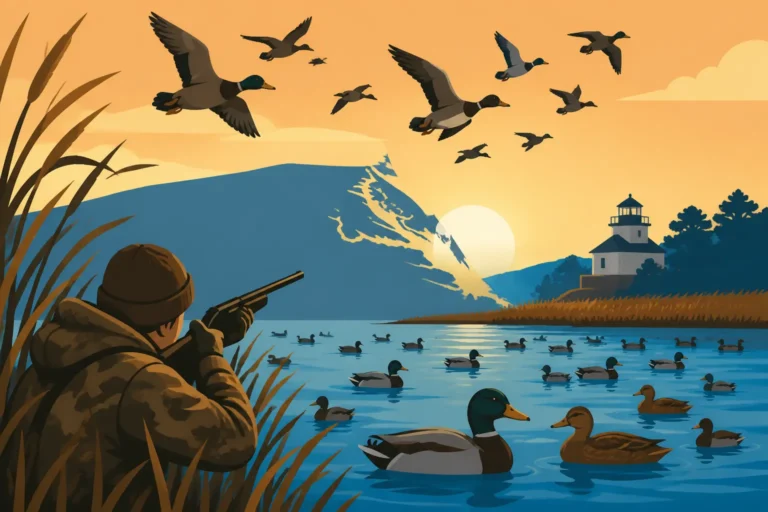
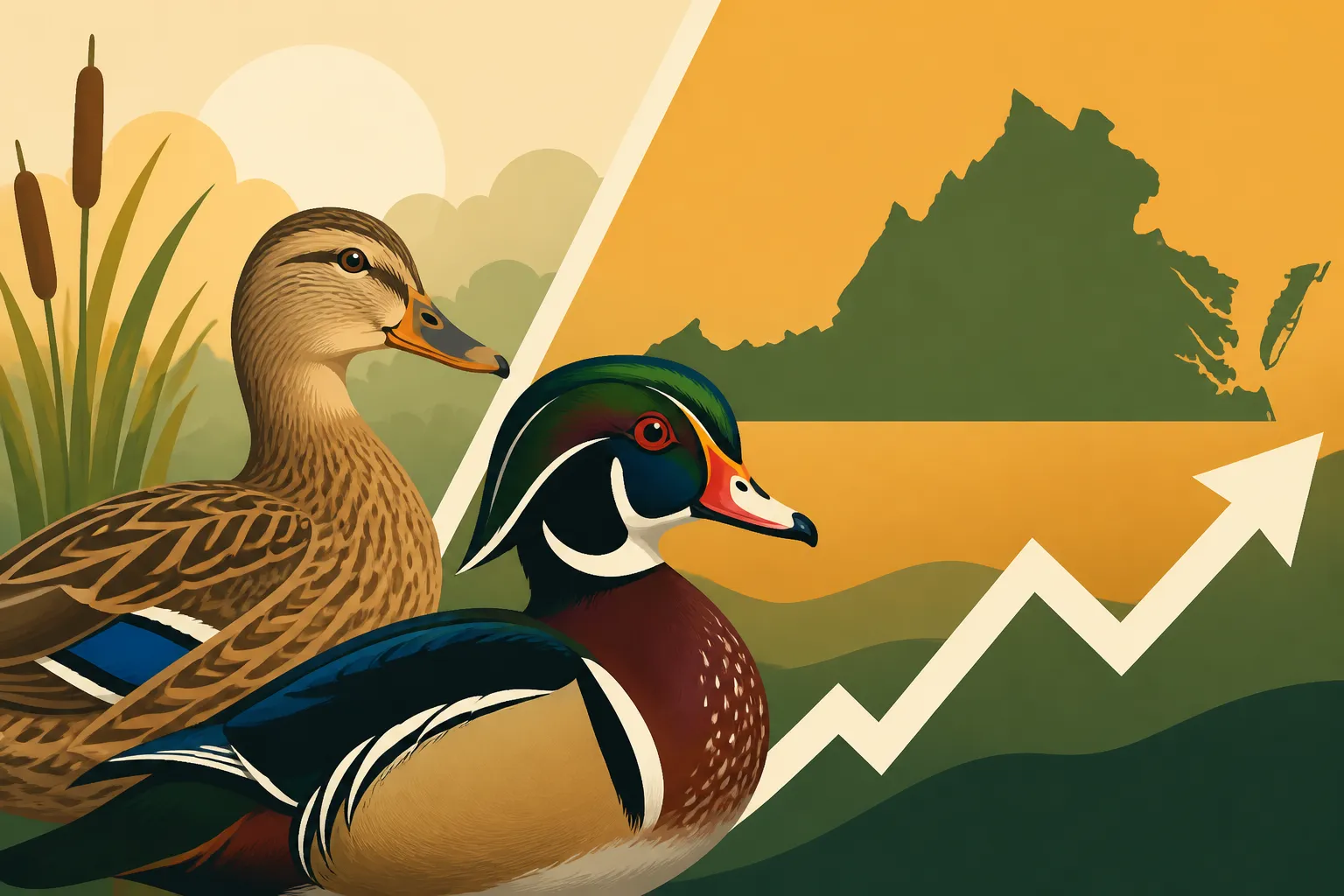
For us Virginia waterfowlers, there's always that question gnawing at the back of our minds: "How are the ducks doing this year?" It’s not just about what we see on opening day; it’s about understanding the health of the populations that make our marshes, rivers, and impoundments so special. This guide dives into the unique worlds of Virginia's Mallard and Wood Duck populations, exploring their numbers, the challenges they face, and what it all means for hunters and conservationists alike.
The Mallard Story: Tracking Virginia's Most Recognizable Duck
The Mallard, with its iconic green head and distinctive call, is arguably the most recognized duck in North America, and certainly a staple in Virginia's duck blinds. But their numbers here aren't a static thing; they're a complex tapestry woven from continental breeding success, migration patterns, and local habitat conditions. For Virginia hunters, understanding these dynamics is key to anticipating a good season and appreciating the incredible journey these birds undertake.
Understanding Mallard Population Dynamics in Virginia
Virginia's Mallard population is a fascinating mix of true migratory birds, coming down the Atlantic Flyway from northern breeding grounds, and a growing number of resident birds that breed and live in the Commonwealth year-round. The health of those northern breeding grounds, particularly in the prairie pothole region, is a huge factor in how many Mallards we see pushing south in the fall. If the prairies had a wet spring and good nesting success, we tend to see stronger flights. Conversely, drought conditions up north can mean fewer birds making the long journey.
Once they reach Virginia, whether as migrants or residents, local habitat plays a critical role. They thrive in a variety of wetlands, from the open waters of the Chesapeake Bay to flooded timber and agricultural fields. Mild winters can sometimes mean birds don't push as far south, leading to lower numbers in Virginia if they're holding further north in states like Pennsylvania or New Jersey. On the other hand, harsh cold snaps can send a flood of birds down to us, seeking ice-free water and accessible food sources. It's a constant ebb and flow, making every season a bit of a mystery until those first strong cold fronts roll through. We often find ourselves checking Virginia Waterfowl Migration Timing reports from farther north, hoping for that push of new birds.
Challenges and Conservation Efforts for Mallards
Despite their adaptability, Mallards face significant challenges. Habitat loss remains a primary concern, as wetlands are drained or converted for agriculture and development across their range, including in Virginia. This reduces crucial breeding, resting, and feeding grounds. Disease, particularly Avian Influenza, can also have localized impacts, though its long-term effects on overall Mallard numbers are constantly monitored. Predators, both natural and introduced, can also impact nesting success for resident birds.
Conservation efforts are vital for sustaining healthy Mallard populations. Organizations like Ducks Unlimited work tirelessly to restore and protect critical wetland habitats across the continent, directly benefiting the birds that migrate through Virginia. Here in the Commonwealth, the Department of Wildlife Resources (DWR) manages hunting seasons and bag limits based on scientific data and continental population assessments, ensuring sustainable harvests. Hunters also play a crucial role, not just through license purchases that fund conservation, but also by supporting organizations and participating in habitat projects. You can use tools like GoHunt to keep up with the latest waterfowl regulations or to scout potential public hunting spots that are part of these habitat efforts. Understanding the bigger picture helps us appreciate the intricate balance that keeps these birds flying.
The Wood Duck's Niche: A Look at Virginia's Secretive Gem
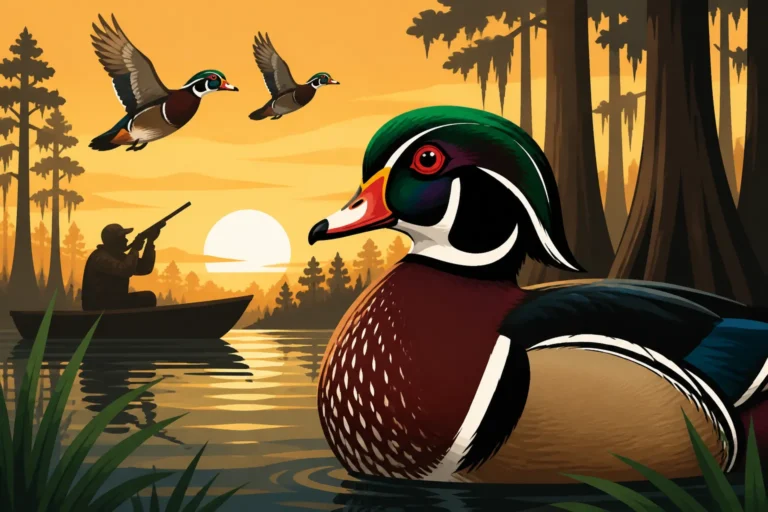
While the Mallard might be the poster child, the Wood Duck is arguably Virginia's most beautiful and uniquely adapted duck. Often called the "Carolina duck" or "summer duck," these birds are creatures of the forested wetlands, and their story in Virginia is one of remarkable recovery and a strong connection to our specific ecosystems. They don't typically undertake the epic migrations of their Mallard cousins, making them more of a local treasure.
The Unique Ecology and Population Trends of Wood Ducks
Wood Ducks are true connoisseurs of Virginia's wooded swamps, beaver ponds, slow-moving creeks, and flooded bottomland hardwoods. Unlike most ducks that nest on the ground, Wood Ducks are cavity nesters, relying on natural tree hollows or artificial nest boxes for reproduction. This specific requirement ties their population directly to the health of our forested wetlands. A mature forest with plenty of old, hollow trees is prime Wood Duck real estate.
Their population trends in Virginia are generally stable and, in many areas, thriving. This is a testament to successful conservation efforts and their ability to adapt to certain landscape changes. Many Wood Ducks are considered resident or short-distance migrants, often wintering in the southern parts of Virginia or neighboring states like North Carolina, rather than making the long journey from the Canadian prairies. This means their numbers are less influenced by distant breeding ground conditions and more by local habitat availability, food sources like acorns and seeds, and nesting success right here in Virginia. When you're out Jump-Shooting Virginia Creeks for Wood Ducks, you're often targeting these local or regional populations.
Habitat Management and the Hunter's Role for Wood Ducks
The success of Wood Ducks is closely tied to habitat management. Historically, extensive logging and wetland drainage severely impacted their populations. However, the resurgence of beaver populations (which create new wetland habitats), combined with widespread nest box programs, has given the Wood Duck a significant boost. These programs, often run by DWR, local conservation groups, and private landowners, provide crucial nesting sites where natural cavities might be scarce.
For hunters, understanding Wood Duck habitat is key to finding them. Look for flooded timber, oxbow lakes, and quiet stretches of creeks. Your role in their conservation is significant. Supporting DWR through license purchases, volunteering for nest box projects, or simply maintaining appropriate habitat on private land all contribute to their continued success. Avoiding over-harvest, especially of breeding hens, is also important. The health of our river bottoms and swamps directly dictates how many of these stunning birds grace our waters each season.
Comparing Waterfowl Journeys: Mallards vs. Wood Ducks in the Old Dominion
While both Mallards and Wood Ducks are cherished by Virginia hunters, their ecological niches, migratory patterns, and population dynamics are quite different. Understanding these distinctions helps us appreciate the diversity of our waterfowl resources and the specific conservation needs of each species.
Contrasting Migration Patterns and Habitat Preferences
The most striking difference between Mallards and Wood Ducks is their migratory behavior. Mallards are classic long-distance migrants, traveling thousands of miles from their northern breeding grounds to winter in places like Virginia. Their movements are highly dependent on weather patterns and the availability of food and open water along the Atlantic Flyway. They often prefer larger, more open bodies of water, flooded agricultural fields, and managed impoundments. You'll find them mixing with other diving and puddle ducks on the Waterfowl Hunting the Chesapeake Bay or feeding in cut cornfields.
Wood Ducks, on the other hand, are primarily short-distance migrants or resident birds in Virginia. Their journeys are much more localized, often moving only as far south as necessary to find food and ice-free water. Their strong preference for forested wetlands, dense cover, and smaller, secluded water bodies sets them apart. They are less likely to be found in vast open fields and more likely to be hiding in a cypress swamp or along a meandering creek. This habitat specificity makes them a unique challenge and reward for hunters who seek them out in their wooded domains.
Implications for Hunters and Conservation
These differences in ecology directly influence how DWR sets hunting regulations and how hunters approach pursuing each species. Mallard regulations are part of a larger continental management plan, often influenced by population surveys across their entire range. Wood Duck regulations are more reflective of regional and local conditions, as their populations are less dependent on far-flung breeding grounds. This often translates to different bag limits and season structures for each species. It's crucial for hunters to always check the latest Virginia Duck and Goose Bag Limits to ensure compliance and responsible harvesting.
From a conservation standpoint, the strategies for each species also differ. For Mallards, broad wetland protection across the continent is paramount. For Wood Ducks, localized habitat management, including forest health, water quality in creeks and swamps, and nest box programs, takes on even greater importance. As hunters, our license fees contribute to DWR's work in monitoring these populations and managing their habitats. Using resources like GoHunt can help you stay informed about localized hunting opportunities or even identify areas where you might get involved in habitat improvement projects, truly becoming a part of the conservation solution. The long-term health of both species relies on informed decisions and dedicated effort from everyone involved.
The Hunter's Perspective: Adapting to Duck Dynamics
As hunters, understanding the numbers behind Virginia's duck populations isn't just academic; it directly influences our strategies afield. Knowing the habits and health of Mallards and Wood Ducks helps us scout smarter, hunt more effectively, and become better conservationists.
Scouting and Strategy for Both Species
For Mallards, scouting often involves monitoring weather patterns, especially strong cold fronts that push new birds south. It means looking for large bodies of water with accessible food sources, whether natural mast, aquatic vegetation, or flooded agricultural fields. A key strategy often involves watching flight patterns at dawn and dusk to identify feeding and roosting areas. If you're hunting more open water, such as for Hunting Chesapeake Bay Diving Ducks, you might be looking for larger groups of birds, whereas inland field hunting is about finding fresh feed.
Wood Duck scouting, on the other hand, is a more intimate affair. It's about exploring those smaller, hidden water sources – beaver ponds, timbered sloughs, and winding creeks. You're often looking for smaller groups of birds, or even singles, as they dart through the trees. Identifying prime roosting spots, often in thick timber near water, can be highly effective. Early morning and late evening hunts are classic for Wood Ducks as they move between roosts and feeding areas. Understanding their reliance on specific types of cover means you're often looking for more subtle signs than with open-water Mallards.
Responsible Hunting and Supporting Healthy Populations
Ultimately, the goal for any Virginia hunter is to enjoy our rich waterfowl tradition while ensuring its future. This means practicing responsible hunting ethics, adhering strictly to all regulations, and accurately reporting our harvests. Your harvest reports, combined with DWR's surveys, provide crucial data used to manage duck populations. Virginia Duck Harvest Numbers are carefully tracked to ensure sustainability.
Beyond the hunt itself, actively contributing to conservation efforts is paramount. Whether it's through supporting organizations like Ducks Unlimited, volunteering for habitat projects, or simply managing your own property to enhance duck habitat, every effort helps. The future of both our migratory Mallards and our beloved resident Wood Ducks relies on a sustained commitment to healthy wetlands and responsible stewardship. So next time you're out there, take a moment to appreciate the incredible journey these birds make and the fragile ecosystems that support them.
| Characteristic | Mallard | Wood Duck |
|---|---|---|
| Primary Habitat | Open water, flooded fields, large marshes | Forested wetlands, beaver ponds, wooded creeks |
| Migration | Long-distance (Atlantic Flyway) | Short-distance/resident |
| Nesting | Ground nests, dense vegetation | Tree cavities, nest boxes |
| Diet | Seeds, grains, aquatic plants, invertebrates | Acorns, seeds, berries, aquatic insects |
| Population Trend | Continentally managed, influenced by prairies | Generally stable/recovering in Virginia |
| Hunting Style | Decoys, calling, field hunting | Jump-shooting, pass-shooting, roost hunting |
Disclaimer
This article is for general informational purposes only and does not constitute professional advice. Laws, prices and regulations vary by location and change over time. Consult a qualified professional for guidance on your specific situation.