Virginia Timber Rattlesnake Range
There's nothing quite like the thrill of being out in the Virginia wilderness, whether you're chasing a big tom turkey in the spring or still-hunting for deer in the fall. But for many of us, the thought of encountering a timber rattlesnake can cast a shadow of anxiety over our outdoor adventures. These misunderstood creatures are a natural part of our ecosystem, and knowing where they live, how they behave, and how to minimize encounters is key to a safe and enjoyable hunt. This guide is all about demystifying the Virginia timber rattlesnake, helping you understand their range and how to share the woods responsibly.
Understanding Virginia's Timber Rattlesnake
Before we dive into where you might find them, let's get a good grasp on what we're talking about. The timber rattlesnake, Crotalus horridus, is one of Virginia's two venomous snakes, and arguably the most iconic. They are magnificent creatures, but their reputation often precedes them, leading to unnecessary fear. Most encounters are harmless, as these snakes are generally quite reclusive and would much rather avoid you than confront you.
Identifying the Timber Rattlesnake
Identifying a timber rattlesnake can actually be quite straightforward once you know what to look for, but it's easy to confuse them with several non-venomous species. The most obvious, of course, is the rattle on its tail. While young snakes may only have a small button, mature adults will have several segments, creating that unmistakable buzzing sound when they feel threatened. However, don't rely solely on the sound; sometimes they won't rattle, or you might not hear it over the rustle of leaves or the wind. Their overall body is stout, and they can range quite a bit in length, often between 3 to 5 feet, though larger specimens are certainly out there.
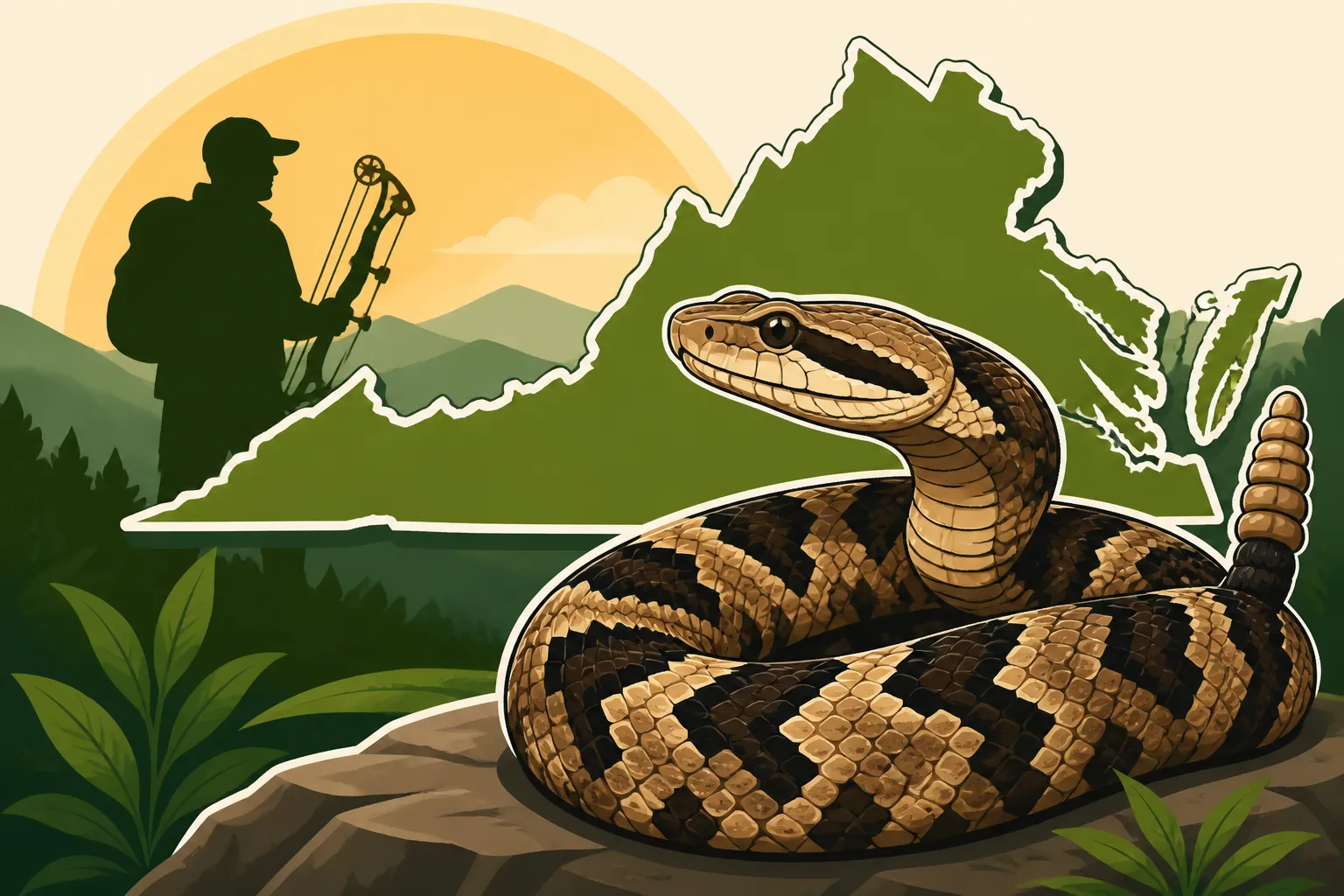
Beyond the rattle, look for their distinctive head shape. Like most pit vipers, they have a broad, triangular head that's noticeably wider than their neck. Their pupils are vertical, like a cat's, though you'll need to be quite close to see that detail, and frankly, that's probably too close. Coloration can vary wildly, from shades of yellow, tan, or gray, often with dark, chevron-like crossbands along their back. These bands often break up towards the tail, forming irregular blotches. Some individuals, especially in the mountains, can be very dark, almost black, which is why they're sometimes called "black phases." This dark coloring can make those bands harder to distinguish.
It’s easy to mistake a hognose snake, a black rat snake, or even a northern water snake for a rattlesnake at a quick glance, especially if you're startled. Hognose snakes will flatten their heads to look triangular and hiss loudly, mimicking a viper, but they lack the rattle. Rat snakes can sometimes vibrate their tails in leaf litter, creating a buzzing sound, but again, no rattle. Knowing the key features is paramount, but the best advice is always to give any snake you can't positively identify a wide berth.
Its Role in the Ecosystem
The timber rattlesnake isn't just a scary encounter; it's a vital part of Virginia's natural ecosystem. As an apex predator in its niche, it plays a critical role in controlling populations of small mammals, particularly rodents like mice, voles, and even small rabbits. Imagine how quickly these rodent populations could explode without natural controls. They help maintain the balance, which in turn benefits forest health and even reduces the spread of certain diseases carried by rodents.
These snakes are also fascinating in their life history. They are relatively long-lived, often reaching 15-20 years or more in the wild, but they are slow to reproduce. Females only reproduce every few years, giving birth to live young rather than laying eggs. This slow reproductive rate, coupled with habitat loss and historical persecution, makes them particularly vulnerable to population declines. They aren't just a nuisance; they're a barometer for the health of our wildest places.
Despite their fearsome reputation, timber rattlesnakes are generally quite docile and prefer to avoid conflict. They are ambush predators, often lying still and camouflaged, waiting for prey. When disturbed, their first instinct is usually to remain still, relying on their camouflage. If that fails, they'll often try to retreat. The rattle is a last-resort warning, a clear signal that you're too close and they feel threatened. They don't want to bite you; a bite is a costly expenditure of venom and energy they'd rather save for prey. Understanding this can help you appreciate their place in the woods and reduce your own anxiety when afield.
Pinpointing Their Range Across Virginia
When you're out hunting in Virginia, knowing where you're most likely to encounter a timber rattlesnake can greatly influence your mindset and your precautions. Their distribution isn't uniform across the state; it's heavily concentrated in certain habitats and geographic regions. Think about it—they need specific conditions to thrive, and not all of Virginia offers those.
Mountainous Regions and Western Piedmont Strongholds
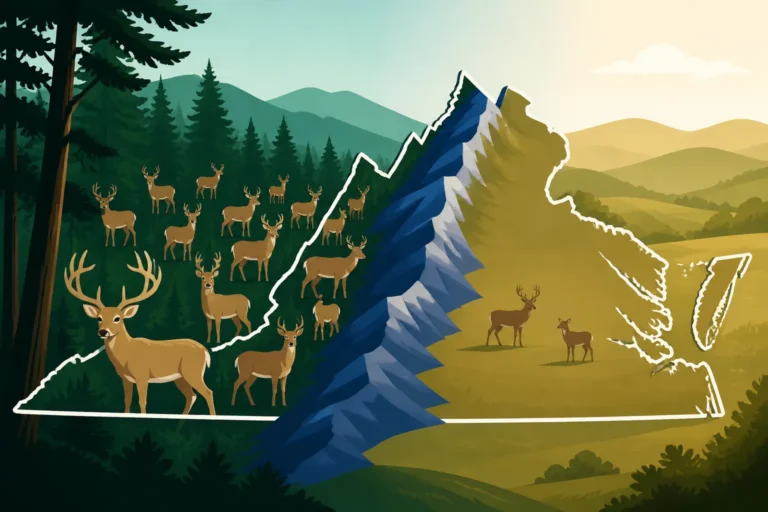
The vast majority of Virginia's timber rattlesnake population resides in the mountainous western part of the state. This includes the Blue Ridge Mountains, the Allegheny Mountains, and the rugged, hilly terrain of the western Piedmont. These areas offer everything a timber rattler needs: extensive, undisturbed forest cover, rocky outcrops for denning and basking, and a healthy population of small mammals. When you're spending time in places like the George Washington National Forest or the Jefferson National Forest, or even on private land with similar topography, you are squarely in their prime habitat.
Counties like Augusta, Rockingham, Shenandoah, and extending down into southwestern Virginia, have historically been strongholds. These snakes often den in large rock crevices on south-facing slopes, emerging in spring to sun themselves and hunt before retreating to cooler, shadier areas as summer heats up. They'll travel to summer foraging grounds and return to communal dens, sometimes shared by dozens of snakes, as the weather cools. Hunters who spend time Hunting West of the Blue Ridge or exploring the Virginia mountains during warmer months should always be extra vigilant, particularly around rocky areas, fallen logs, or dense brush piles where snakes might be seeking shelter or sun. Understanding the terrain, perhaps by reviewing maps on a platform like GoHunt, can help you identify these prime habitats even before you set foot in the woods.
Eastern Edge and Disjunct Populations
While their primary domain is western Virginia, timber rattlesnakes aren't exclusively mountain dwellers. Historically, their range extended much further east, reaching into parts of the central and even eastern Piedmont. However, intensive agricultural development, urbanization, and habitat fragmentation over the centuries have severely reduced and isolated these eastern populations. Today, encounters in the true eastern Piedmont or the Coastal Plain are exceedingly rare, to the point of being almost non-existent in many areas. If you hear reports of rattlesnakes in these regions, it's often a case of misidentification with other large snakes or, unfortunately, escaped captive animals.
That's not to say there aren't any pockets. Occasionally, isolated, small populations might persist in deeply forested, undeveloped river bottoms or large tracts of private land that have remained undisturbed for decades. These are truly disjunct populations, meaning they are cut off from the main western population, making them even more vulnerable. For the average hunter in, say, Hanover or Southampton County, a timber rattlesnake encounter is highly improbable, whereas someone Hunting the Rut East of the Blue Ridge in a mountainous Piedmont county might still have a slim chance. It's largely a western Virginia phenomenon now, a testament to how human activity reshapes wildlife distribution.
Factors Influencing Their Distribution
The current distribution of timber rattlesnakes in Virginia is a direct result of several powerful factors, primarily habitat availability and historical human impact. Unfragmented forests are critical; these snakes need large areas where they can move between den sites, basking areas, and foraging grounds without encountering significant human development like roads, housing, or large agricultural operations. When forests are broken up, their travel corridors are disrupted, leading to increased mortality from vehicles and human-wildlife conflicts.
Historically, over-collection for the pet trade, fear-driven extermination campaigns, and bounties also played a significant role in reducing their numbers and shrinking their range. While these practices are largely a thing of the past and the snakes are now protected, their populations are slow to recover. This is partly due to their slow reproductive rate and the continued pressure of habitat loss and degradation. Conservation efforts today focus on protecting critical habitats and educating the public, recognizing that a healthy timber rattlesnake population is an indicator of a healthy, wild ecosystem. Using tools like GoHunt can help you visually assess habitat connectivity and potential snake territory when planning your hunts.
| Feature | Timber Rattlesnake | Common Look-Alikes (e.g., Black Rat Snake) |
|---|---|---|
| Head Shape | Distinctly triangular, wider than neck | Oval, not much wider than neck |
| Pupils | Vertical (elliptical), though often hard to see | Round |
| Rattle | Present on tail, produces distinct buzzing sound | Absent; may vibrate tail in leaves, creating a buzzing sound |
| Body Build | Thick, heavy-bodied | Slender to moderately thick |
| Coloration | Variable (yellow, tan, gray, black) with chevron-like crossbands | Uniform black, brown, or patterned; no distinct chevrons |
| Behavior | Generally reclusive, relies on camouflage, will rattle if threatened | Typically flees, may bluff (hognose) or bite if cornered |
Minimizing Encounters While Hunting
Even with a solid understanding of where timber rattlesnakes live, the best defense is always a good offense—meaning, being prepared and knowing how to behave in their territory. The goal isn't to never see one, but to ensure that if you do, it's a safe and non-confrontational experience for both you and the snake. They are not out to get you.
Situational Awareness and Scouting
Your eyes and ears are your best tools in the field. When you're Scouting Virginia Public Land Before Season, or even on a regular hunt, constantly scan the ground ahead of you, especially in rocky areas, along fallen logs, or at the base of trees where a snake might be basking or hiding. Timber rattlesnakes are masters of camouflage, and they can blend in seamlessly with leaf litter, rocks, and bark. Don't just look for the whole snake; look for parts of a snake – a patterned coil, a subtle change in texture on the ground, or the slight elevation of a camouflaged head.
Pay attention to the time of year and day. They are most active from spring through fall, particularly on warm, sunny days. In the hottest parts of summer, they might be more active at dawn and dusk, or seek shade during midday. Avoid sticking your hands or feet into places you can't see, like under logs, into rock crevices, or dense brush. If you're using a mapping tool like GoHunt, take note of south-facing slopes with rock features—these are prime denning and basking spots. Remember, a rattle is a warning, so if you hear it, stop immediately, locate the sound, and slowly back away. Don't panic, and definitely don't try to get a closer look.
Proper Footwear and Gear
This is where preparation really pays off. Investing in good quality snake boots or snake gaiters is perhaps the single most important piece of gear for hunting in timber rattlesnake country. Standard hiking boots, even sturdy ones, often don't provide adequate protection against a snake bite. Snake boots are typically made of dense leather, Cordura, or other materials designed to be puncture-resistant. Gaiters fit over your existing boots and lower pants, covering your shins and calves, which are common strike targets.
A walking stick or trekking poles can also be invaluable. Use it to probe ahead of you in dense vegetation, tap fallen logs before stepping over them, or gently move aside leaf litter. This gives any hidden snake a chance to reveal itself or move away before you're on top of it. While Boots for Virginia Swamps and Ridges are essential for traversing tough terrain, the snake-specific versions add a crucial layer of safety. Always consider your pack contents too; a good First Aid Kits for Remote Mountain Ground is a non-negotiable item, even if it's primarily for general injuries, knowing you have a well-stocked kit can bring peace of mind.
What to Do If You Encounter One
First and foremost, stop. Do not move closer, and definitely do not try to harass, pick up, or kill the snake. Give it space. Timber rattlesnakes are not aggressive; they are defensive. Most bites occur when people try to interact with them, capture them, or accidentally step on them. If the snake is rattling, it's telling you you're too close. Slowly and calmly back away from the snake's perceived strike range, which is typically about half its body length. Keep your eyes on it so you know where it is, but don't make any sudden movements.
Once you're at a safe distance, detour around the snake. It will likely stay put or slowly move away once it no longer feels threatened. If you are bitten, remain calm. Panic will only increase your heart rate and spread venom more quickly. Immediately seek professional medical attention. Call 911 or your local emergency number. Remove any tight clothing or jewelry from the affected limb before swelling begins. Do not try to cut the wound, suck out the venom, apply a tourniquet, or use ice. These methods are outdated and often do more harm than good. Focus on getting to a hospital where antivenom can be administered by medical professionals.
Conservation Status and Hunter's Role
Understanding the timber rattlesnake's place in Virginia doesn't just benefit your safety; it also highlights our responsibility as outdoorsmen and women to respect and protect all wildlife, even those that might give us a fright. These creatures are a part of Virginia's natural heritage, and their continued existence relies on our conscious efforts.
Protected Status in Virginia
In Virginia, the timber rattlesnake is recognized as a species of greatest conservation need. What does that mean for us as hunters? It means they are protected by law. It is illegal to harass, capture, harm, or kill a timber rattlesnake without a specific permit from the Virginia Department of Wildlife Resources (DWR). This isn't just a suggestion; it's a legal requirement. These laws are in place precisely because their populations have been negatively impacted by human activities and their slow reproduction rate makes them vulnerable.
For hunters, this means that if you encounter a timber rattlesnake, the only acceptable action is to leave it alone and give it a wide berth. There's no scenario where it's legal or ethical to shoot, trap, or otherwise intentionally harm one, unless it presents an immediate, unavoidable threat to human life. Even then, it should be a last resort. We are privileged to share the woods with these ancient reptiles, and our role is to ensure they can continue to thrive.
Responsible Hunting Practices
As ethical hunters, we pride ourselves on our understanding of wildlife and our commitment to conservation. This extends to species that aren't on our target list. By being mindful of where we step, paying attention to our surroundings, and knowing how to react to an encounter, we are practicing responsible stewardship. Think of it as another aspect of our Virginia Hunter Education Requirements – knowing the rules and respecting the game, all of it.
If you encounter a timber rattlesnake and successfully navigate the situation by giving it space, consider it a special wildlife viewing opportunity. If you are comfortable and it's safe to do so, you can even report your sighting to the DWR. This information, including location and date, can be valuable for biologists who are monitoring populations and distribution. Platforms like GoHunt also offer ways to log wildlife sightings, contributing to a broader understanding. By leaving them undisturbed, you're not only staying safe but also contributing to the conservation of a truly unique and important part of Virginia's wild places. It's a reminder that our adventures in the woods are about more than just the pursuit of game; they're about being a part of a much larger, intricate natural world.
Disclaimer
This article is for general informational purposes only and does not constitute professional advice. Laws, prices and regulations vary by location and change over time. Consult a qualified professional for guidance on your specific situation.