Virginia Osprey Nesting Platforms
It’s a common sight for anyone who spends time on Virginia’s waterways or coastal areas: a magnificent osprey, soaring high overhead or plunging feet-first into the water to snatch a fish. These incredible raptors are a vital part of our ecosystem, but with development along our shorelines and the natural decay of large snags, suitable nesting sites can be harder to come by. This guide will walk you through why these birds are so important, how artificial nesting platforms are making a difference, and how even those of us focused on Virginia hunting can appreciate and support their recovery and continued presence.
Why Ospreys Matter to Virginia's Ecosystem
For those of us who cherish Virginia's wild places, from the mountain streams to the expansive Chesapeake Bay, understanding the interconnectedness of nature is key. Ospreys, with their striking appearance and impressive fishing prowess, are more than just a pretty bird; they play a crucial role in the health and balance of our environment. Their comeback story in Virginia is truly inspiring, a testament to conservation efforts that benefit countless other species, including the game we pursue.
Ospreys as Indicator Species
Think of ospreys as the canaries in the coal mine for our aquatic environments. These magnificent birds feed almost exclusively on fish, making them incredibly sensitive to the health of our rivers, lakes, and estuaries. When osprey populations are thriving, it’s a strong indication that the fish populations are healthy and the water quality is generally good. Conversely, declines in osprey numbers can signal problems like pollution, habitat degradation, or dwindling fish stocks. As hunters, we often find ourselves intimately connected with these same water systems, whether we're Waterfowl Hunting the Chesapeake Bay or scouting timber along a river. Observing healthy osprey activity can give us a sense of reassurance about the broader ecological picture in our favorite spots.
Their presence signifies a robust food web below the surface, supporting not just the ospreys themselves but also other predators and scavengers. When these birds return year after year to nest, it speaks volumes about the stability and richness of that particular habitat. It’s a natural benchmark that tells us we’re doing something right in terms of environmental stewardship, and it’s something we can all take pride in contributing to, directly or indirectly.
Their Role in the Food Web
Beyond being indicators, ospreys are active participants in the aquatic food web. As apex predators of fish, they help regulate populations of various species, ensuring a healthy balance within the ecosystem. Their hunting technique is mesmerizing to watch: hovering, then diving with incredible precision, talons extended. This specialization means they occupy a unique niche that, if left unfilled, could lead to imbalances in fish populations, potentially impacting recreational fishing or the food sources of other wildlife.
Consider the ripple effect. A healthy osprey population needs a healthy supply of fish. These fish, in turn, depend on clean water, abundant aquatic vegetation, and a balanced ecosystem of smaller organisms. When we support osprey populations through initiatives like nesting platforms, we're not just helping one species; we're bolstering the entire aquatic environment. This has positive ramifications for everything from Virginia Duck Daily Bag Limit opportunities to the overall biodiversity that makes Virginia such a fantastic place to be outdoors. It's a reminder that every piece of the puzzle, even the high-flying osprey, is critical to the bigger picture of our natural world.
The Anatomy of an Osprey Nesting Platform
So, what exactly goes into creating a safe and appealing home for these spectacular birds? It’s more than just slapping some wood together. A well-designed osprey nesting platform is built with durability, safety, and the specific needs of the birds in mind. Understanding the components and dimensions can make all the difference in whether a platform becomes a cherished home for a pair of ospreys or simply an unused structure.
Essential Materials and Design Considerations
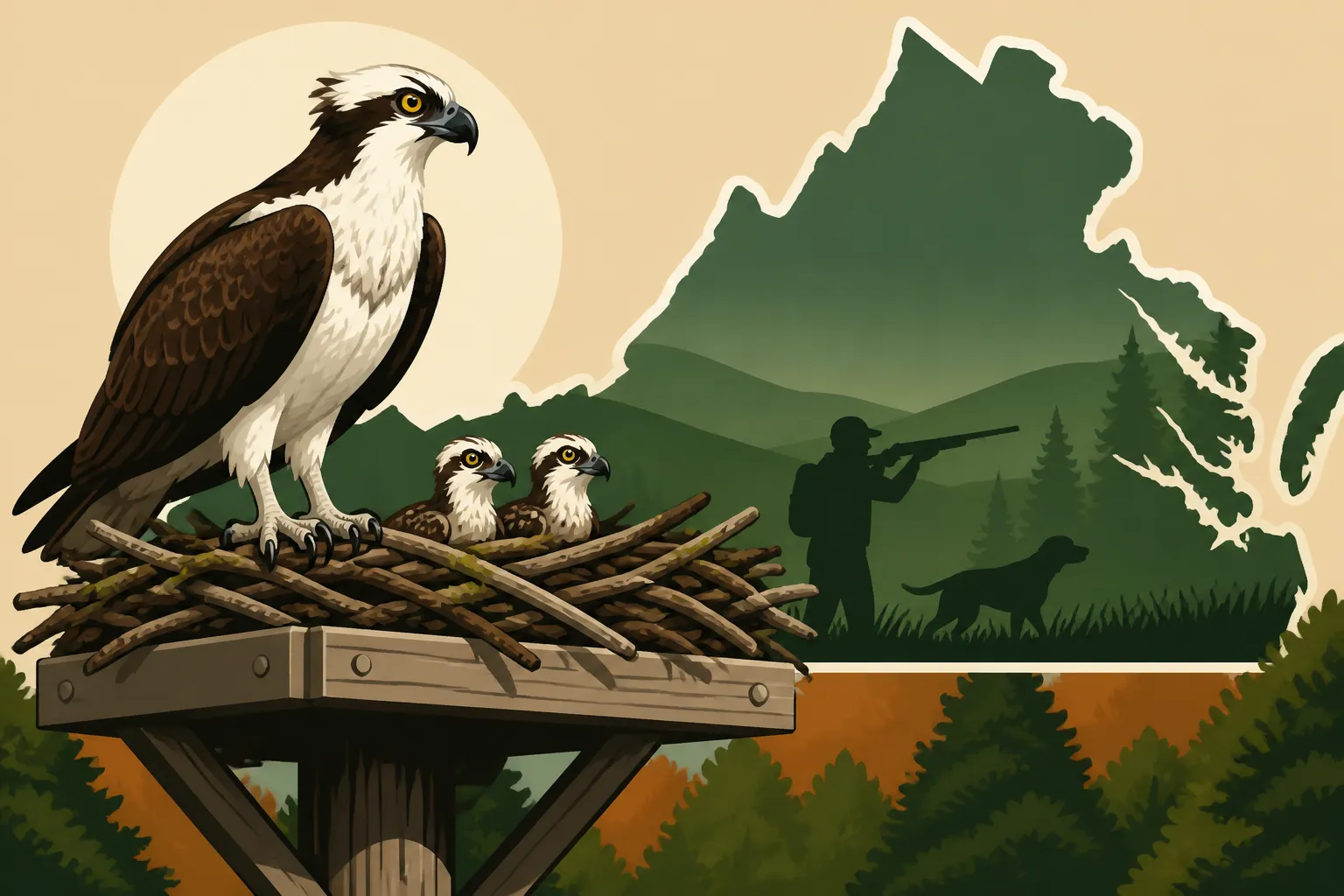
Building an osprey platform typically involves a sturdy pole and a basket-like or flat platform on top. The pole needs to be robust, usually treated lumber, a galvanized steel pipe, or even an old utility pole, capable of withstanding strong winds and the weight of a large nest and a family of birds. Rust-resistant hardware is crucial, as these platforms are often exposed to harsh weather conditions, especially in coastal or wetland environments.
The platform itself often consists of a wooden frame, approximately 3-4 feet square, with a wire mesh or wooden slat bottom. This design allows for drainage, preventing the nest from becoming waterlogged. Sometimes, a small amount of nesting material, like sticks or sod, is secured to the platform to give the ospreys a head start and encourage them to adopt the site. It's a common misconception that ospreys will just use any platform; they often prefer one with a bit of "starter home" material. When scouting locations, tools like GoHunt, with its detailed satellite imagery, can even help you visualize the best access points for transporting materials and how platforms might integrate into the landscape.
Optimal Sizing and Structure
The dimensions and structural integrity of an osprey platform are critical for both its longevity and its appeal to nesting pairs. A platform that's too small might not hold a mature nest, which can be quite substantial, growing year after year with additional sticks and debris. Conversely, a platform that's too large might not be stable enough or could be overbuilt, making it unnecessary difficult to install.
Typically, the platform surface should be around 3 to 4 feet in diameter or square. This provides ample space for the nest itself, as well as for the adult birds to perch and for fledglings to stretch their wings before their first flight. The pole height is equally important, usually ranging from 15 to 25 feet above the ground or water. This elevation offers protection from ground predators and human disturbance, while still being accessible to the birds. The crossbars that support the platform need to be securely fastened to the main pole, often using heavy-duty bolts and braces to ensure it remains stable through all seasons.
Here's a quick reference for common platform specifications:
| Component | Typical Material | Size/Height | Key Consideration |
|---|---|---|---|
| Main Pole | Treated Lumber, Galvanized Steel Pipe, Utility Pole | 15-25 feet above ground/water | Durability, stability against wind and weight |
| Platform Base | Treated Lumber Frame with Wire Mesh/Slats | 3-4 feet square/diameter | Drainage, secure attachment, initial nest starter |
| Fasteners | Galvanized Bolts, Lag Screws, Heavy-Duty Braces | Appropriate for material thickness | Rust resistance, strength, long-term integrity |
| Nest Material | Sticks, Sod, Hay (pre-placed) | Small amount to encourage use | Natural materials, securely attached |
Remember, these are powerful birds, and their nests can become quite heavy over time, especially after years of additions. Building with strength and longevity in mind from the outset is paramount to the success of the platform and the safety of the ospreys.
Strategic Placement for Success
You can build the most perfect osprey nesting platform, but if you put it in the wrong spot, it's essentially a well-intentioned bird feeder with no seed. Strategic placement is paramount to attracting nesting pairs and ensuring their success. It's about understanding their natural habitat, their needs for security, and their feeding habits. This often involves scouting and thoughtful consideration of the surrounding environment, much like how we scout for good deer sign or Hunting the Rut East of the Blue Ridge.
Ideal Habitat and Water Proximity
Ospreys are obligate piscivores, meaning their diet consists almost entirely of fish. Therefore, the absolute most critical factor for platform placement is proximity to suitable fishing grounds. This generally means within a mile or two of a productive body of water, such as an estuary, large river, reservoir, or the Chesapeake Bay itself. They need clear, relatively shallow water where they can easily spot and catch fish. Places like the Eastern Shore or along major rivers like the James or Rappahannock are prime candidates, particularly near Hunting the Eastern Shore Marsh areas.
The ideal location for the pole itself is often in or very near the water, or in open areas adjacent to it. This provides a clear flight path to and from the nest and excellent visibility for the birds to scan for both fish and potential threats. Tall, isolated structures are preferred, as they mimic the dead trees or navigational aids ospreys traditionally use. However, avoid placing platforms too close to busy human activity, like heavily trafficked boat lanes or crowded beaches, as this can deter nesting. Using mapping tools, like those found in GoHunt, can be incredibly helpful for assessing water depth, proximity to open areas, and potential access routes for installation.
Minimizing Disturbances and Predation
While proximity to water is crucial, it’s equally important to choose a site that offers security from disturbances and predators. Human activity, even well-meaning observation, can stress nesting birds. Keep platforms a reasonable distance from homes, docks, and frequently used recreational areas. For example, a quiet cove in a Virginia Wildlife Management Areas might be more suitable than a spot right next to a public boat launch, even if both have good fishing.
Predation is another major concern. Raccoons, snakes, and even some larger birds can be threats to osprey eggs and chicks. To mitigate this, many platforms incorporate predator guards around the pole. These are often metal cones or baffles installed below the platform to prevent climbing animals from reaching the nest. The height of the pole itself also plays a role in deterring ground predators. While ospreys are large and formidable birds, their young are vulnerable. By considering these factors, we create a sanctuary, not just a structure, allowing these birds to thrive and contribute to the ecological health that supports so many of our outdoor passions, whether it's Hunting Chesapeake Bay Diving Ducks or simply enjoying the sight of wildlife.
Installing and Maintaining Your Platform
Putting up an osprey nesting platform is a rewarding project, but it requires careful planning, proper execution, and a commitment to long-term care. It’s not a "set it and forget it" kind of deal if you want it to be truly successful and benefit the ospreys for years to come. Think of it like maintaining your hunting gear or your favorite treestand setup – a little effort goes a long way.
Step-by-Step Installation Guide
Installing an osprey platform typically involves a few key stages, and it's definitely a job best done with a team and appropriate safety gear.
- Site Selection & Permitting: First, lock in your ideal location based on the criteria discussed earlier. Then, and this is crucial, check with local authorities and the Virginia Department of Wildlife Resources (DWR) about any necessary permits. If you're on private land, you'll need the landowner's permission. If you're on public waterways or public lands, there are often specific regulations, similar to navigating rules for Virginia WMA Access Permit Sign-In Process or Treestand Rules on Virginia Public Land. Don't skip this step; unauthorized construction can lead to fines and platform removal.
- Material Gathering: Once permits are secured, gather all your materials: the main pole (treated lumber or steel), platform components (frame, mesh/slats), predator guard, and all necessary hardware. Having everything on-site before you start saves a ton of time and frustration.
- Pole Installation: This is often the most challenging part. If the pole is going into the water, you might need a barge or specialized equipment to set it deep enough to be stable. On land, a post-hole digger, auger, or even a small excavator might be needed. The pole needs to be plumb and firmly set in the ground or seabed, typically at least 3-4 feet deep, and often concreted in for maximum stability.
- Platform Assembly & Attachment: Assemble the platform frame and bottom section on the ground. Then, carefully hoist it up the pole and securely attach it using heavy-duty bolts and braces. Make sure it's level and robust. This is where a bucket truck or a tall ladder with a secure base comes in handy. Safety first, always!
- Adding Starter Material & Predator Guard: Once the platform is firmly in place, add a small amount of natural nesting material (sticks, dried grasses) to give the ospreys a hint. Finally, install your predator guard a few feet below the platform to deter climbing animals.
The entire process, from planning to installation, can take several days or even weeks, depending on the complexity and the resources available. But the sight of a returning osprey pair investigating and adopting your platform is an unmatched reward.
Long-Term Care and Monitoring
Installation is just the beginning. Long-term success relies on periodic inspection and maintenance.
- Annual Checks: Ideally, platforms should be checked annually, preferably in late winter or very early spring before the ospreys return for nesting. Look for any signs of structural weakness, loose fasteners, or damage from storms. Replace any rotting wood or rusted hardware.
- Nest Material Management: Osprey nests can grow quite large and heavy over time. Occasionally, it might be necessary to remove excess nesting material to prevent it from becoming too cumbersome or blocking drainage. This is a delicate task and should only be done when birds are not present, usually during the off-season.
- Predator Guard Inspection: Ensure the predator guard is still securely in place and effective. Over time, branches or debris could potentially bridge the gap, making it accessible to predators.
- Observation: Simply observing the platform throughout the nesting season provides valuable information. Are birds using it? Are they successful? Are there any signs of disturbance? This kind of citizen science contributes to broader wildlife monitoring efforts, similar to how DWR monitors Virginia Turkey Population Estimate or Virginia Deer Population Estimate. Keep a safe distance and use binoculars or a spotting scope to minimize your presence.
By committing to ongoing maintenance, you ensure that the platform remains a safe and reliable nesting site, contributing positively to the Virginia Bald Eagle Recovery Near the Bay and other wildlife populations for many seasons.
Virginia's Conservation Efforts and How You Can Help
The success story of the osprey in Virginia is a fantastic example of what dedicated conservation efforts can achieve. From being critically endangered due to DDT in the mid-20th century, their populations have rebounded dramatically. This comeback is thanks to environmental regulations, public awareness, and the widespread construction of artificial nesting platforms. As outdoor enthusiasts, we all have a role to play in continuing this success, whether through direct action or simply being more aware of our impact.
Community Involvement and Local Projects
Across Virginia, numerous organizations and individual landowners are actively involved in osprey conservation. Local Audubon chapters, environmental groups, and even state agencies like the Virginia DWR often coordinate projects to build and install new platforms, especially in areas where natural nesting sites are scarce. You might find opportunities to volunteer your time, skills, or even donate materials to these efforts. For example, some fishing clubs or conservation groups on the Eastern Shore might regularly put up platforms near prime Virginia Waterfowl Migration Timing areas.
Even if you're not swinging a hammer, simply reporting osprey sightings, especially nesting pairs, to local wildlife organizations or DWR can contribute to monitoring efforts. This kind of citizen science helps track population trends, identify new nesting areas, and pinpoint where future platforms might be most needed. Engaging with these groups is a great way to give back to the wildlife that provides us with so much joy and adventure. You might use resources like GoHunt to scout new hunting grounds, but these same tools can help identify suitable areas for wildlife observation, or even for considering conservation projects, connecting you more deeply with Virginia's diverse ecosystems.
The Broader Impact on Virginia's Wildlife
Supporting osprey nesting platforms isn't just about helping one species; it's about investing in the overall health of Virginia's aquatic ecosystems. A thriving osprey population signifies cleaner water, healthy fish stocks, and a balanced environment—conditions that benefit a vast array of other wildlife, from ducks and geese to various fish species. When we see ospreys successfully raising young, it's a positive sign for everything from Virginia Duck Harvest Numbers to the vitality of the entire Chesapeake Bay watershed.
The lessons learned from osprey recovery, particularly the impact of habitat provision, can also be applied to other conservation challenges. It underscores the importance of human intervention, when done thoughtfully and scientifically, to restore and enhance wildlife populations. Our role as hunters often places us at the forefront of conservation, and understanding and supporting these broader ecological initiatives only strengthens our connection to the land and water we cherish. It’s a testament to the fact that responsible outdoor recreation and proactive conservation go hand-in-hand in Virginia.
Disclaimer
This article is for general informational purposes only and does not constitute professional advice. Laws, prices and regulations vary by location and change over time. Consult a qualified professional for guidance on your specific situation.