Moving a Deer Carcass Out of a DMA
Hunting in Virginia offers incredible opportunities, but discovering you've harvested a deer in a Chronic Wasting Disease (CWD) Disease Management Area (DMA) can throw a wrench into your plans, especially when it comes to getting your hard-earned venison home. The rules for moving a deer carcass out of a DMA are specific, and honestly, a little confusing if you're not prepared. This guide is here to untangle those regulations, offering clear, actionable steps to ensure you stay compliant, protect the herd, and still enjoy your harvest.
Understanding Virginia's Disease Management Areas
Let's be real, nobody wants to deal with extra rules after a successful hunt. But these DMAs aren't just arbitrary lines on a map; they're critical zones designated by the Virginia Department of Wildlife Resources (DWR) to combat a serious threat to our deer herd. Chronic Wasting Disease is a fatal neurological disease affecting deer, elk, and moose, and once it's in an area, it's incredibly difficult to eradicate.
What is a DMA and Why Do They Exist?
Imagine a silent, invisible enemy that slowly, inevitably, takes down a deer. That's CWD. It's caused by abnormal proteins called prions, and these prions can persist in the environment for years, making containment extremely challenging. When DWR confirms a CWD positive deer in a specific region, they establish a Disease Management Area. These zones are put in place to monitor the disease's spread, reduce deer densities if necessary, and, most importantly for our topic today, regulate the movement of deer carcasses and parts to prevent the disease from hitching a ride to new, unaffected areas. It's about proactive management to safeguard the health of Virginia's deer population for future generations of hunters. For a broader look at the problem, check out our guide on Chronic Wasting Disease Risk in Virginia.
Identifying Virginia's Current DMAs
Virginia currently has four distinct CWD DMAs, each with its own set of specific counties or parts of counties. These areas are not static; they can expand or contract based on ongoing surveillance and disease detection. Staying informed is paramount. For instance, DMA1, centered around Frederick County, has been a long-standing area of concern and unfortunately, it accounts for a significant portion of Virginia's confirmed cases. Other DMAs, like DMA2 in Northern Virginia, have seen recent changes, sometimes adding counties as new positive cases emerge.
Before you even head out, particularly if you're hunting near known CWD zones, it's crucial to consult the most current DWR regulations or use tools like the GoHunt app to overlay DMA boundaries on your maps. The DWR website provides detailed maps and lists of affected counties. Knowing if your hunting spot falls within a DMA or close to its border will dictate your post-harvest strategy. Our comprehensive overview of Virginia's Four Chronic Wasting Disease Areas can help you get up to speed on where these zones are located.
The Rules for Moving a Deer Carcass Out of a DMA
This is where things can get tricky, and where a little planning goes a long way. The core principle is to prevent the physical transport of CWD prions outside the established DMA boundaries. This means certain parts of a deer are considered "high-risk" for carrying the prions and are therefore restricted.
What Parts of a Carcass are Restricted?
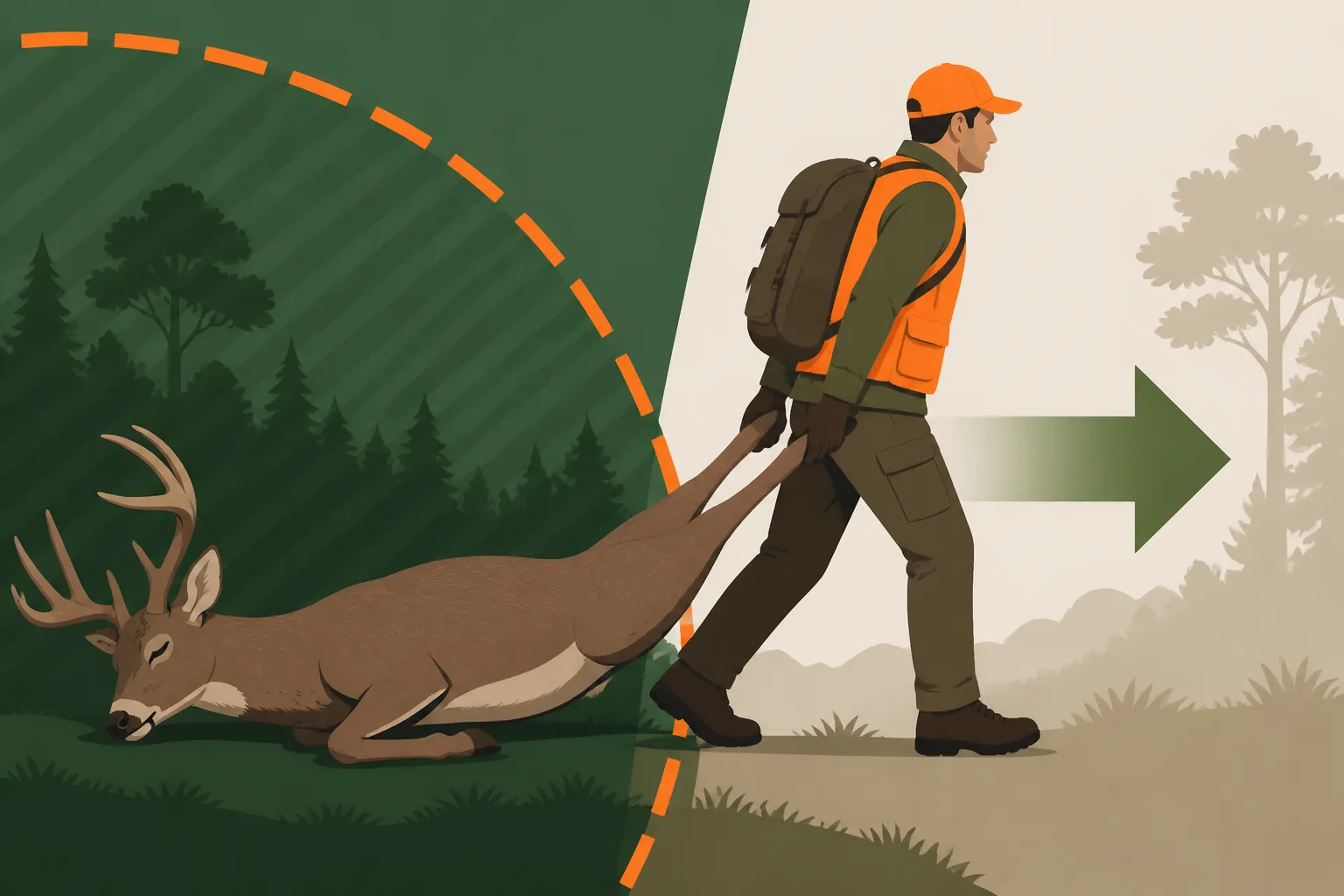
When you harvest a deer within a DMA, you absolutely cannot move certain high-risk parts across the DMA boundary. These restricted parts are primarily those that contain nervous tissue, lymphoid tissue, or skeletal structures where prions are known to accumulate. This includes:
- The entire carcass or unskinned head: This is the big one. You can't just throw a whole deer in the back of your truck and drive it home if home is outside a DMA.
- Brain and spinal cord: These are considered particularly high-risk due to the nature of the disease.
- Eyes and lymph nodes: These also contain concentrated prion material.
- Skeletal parts: This includes the skull and backbone (vertebrae), unless certain conditions are met (which we'll discuss next).
However, not all parts are restricted! This is good news for getting your venison home. The following parts can be transported out of a DMA, provided they are separated from the restricted materials:
- Boned-out meat: This is the most common and safest way to transport venison. All meat is removed from the bone.
- Cleaned skull plate: If you want to keep the antlers, the skull plate must be completely cleaned of all brain tissue, hide, and other organic material. This usually involves boiling or pressure washing.
- Antlers: If completely removed from the skull.
- Hides/capes: Provided no brain or spinal cord tissue is attached.
- Teeth: As long as no other skull material is attached.
- Finished taxidermy mounts: Once properly prepared by a taxidermist, these are generally safe for transport.
Understanding these distinctions is crucial, and the DWR regularly updates their information regarding Virginia Carcass Movement Restrictions.
Preparing Your Harvest for Transport
This is the actionable part: what exactly do you need to do in the field or at a designated processing station to legally move your deer? The key is processing the deer within the DMA.
- Field Dressing is Not Enough: Simply field dressing your deer (removing the internal organs) isn't sufficient for moving it out of a DMA. While it reduces bulk, it leaves the high-risk spinal column and head intact.
- Boned-Out Meat is Your Best Friend: The most straightforward and universally accepted method is to bone out your deer in the field or at a processing station within the DMA. This means removing all the muscle tissue from the bones, leaving the carcass skeleton behind. Pack the boned meat in coolers, ensuring it's clearly labeled as having originated from a DMA if you're concerned about proving compliance.
- Skull Plate Preparation: If you want to keep the antlers, you'll need to remove the skull cap (the portion of the skull that holds the antlers) and clean it meticulously. This means scraping away all hide, brain matter, and other tissues. Some hunters bring a small saw for this purpose. Boiling the skull cap is a common and effective method to ensure all organic material is removed.
- Taxidermy Considerations: If you're planning a full shoulder mount, you'll need to locate a taxidermist within or very close to the DMA who is familiar with CWD regulations. They can properly cape the deer and handle the skull preparation according to DWR guidelines. You cannot take an intact head with hide attached out of the DMA to a taxidermist located elsewhere.
- Disposal of Restricted Parts: All restricted carcass parts (the skeleton, brain, spinal cord, etc.) must be disposed of properly within the DMA. This typically means burying them deep, leaving them on the property where the deer was harvested (with landowner permission), or utilizing designated DWR disposal sites if available. Never dump restricted parts in areas where other deer could access them or where they could spread disease.
| Carcass Part | Can Be Moved Out of DMA? | Required Preparation |
|---|---|---|
| Boned-out Meat | Yes | All meat separated from bone and spinal column. |
| Antlers | Yes | Completely detached from skull. |
| Cleaned Skull Plate | Yes | Must be free of all brain tissue, hide, and other organic matter. |
| Hides/Capes | Yes | Must be free of all brain and spinal cord tissue. |
| Teeth | Yes | No associated skull fragments. |
| Whole Carcass | No | Restricted. Must be processed within the DMA. |
| Brain & Spinal Cord | No | Restricted. Must remain within the DMA. |
| Entire Skull/Head | No | Restricted. Must be processed (e.g., skull plate removed and cleaned) within the DMA. |
| Backbone | No | Restricted. Must remain within the DMA. |
Practical Considerations for Hunters in a DMA
Navigating a DMA adds a layer of complexity to your hunting trip. It's not just about finding the deer; it's about being prepared for what comes after the shot.
Planning Your Hunt and Post-Harvest Strategy
Preparation starts long before you pull the trigger. If you know you're hunting in a DMA, or even near its borders, adjust your gear and mindset accordingly.
- Scout with CWD in Mind: When Scouting Virginia Public Land Before Season, use resources like the GoHunt app to check current DMA boundaries. This will inform your decision-making. Knowing the precise lines can help you plan your hunt to potentially avoid harvesting in a DMA if that's your preference, or at least prepare you for the inevitable processing requirements.
- Pack the Right Tools: Beyond your usual hunting knife, consider bringing a boning knife, game bags, and enough coolers with ice to accommodate a full boned-out deer. A small hand saw or reciprocating saw can be a game-changer for removing skull caps efficiently in the field. Don't forget heavy-duty trash bags for disposing of restricted parts if you plan to bury them.
- Locate Processing Facilities: Research DWR-approved processing stations or taxidermists within the DMA ahead of time. Some areas may have facilities that offer services specifically tailored to CWD regulations, such as boning out deer or handling skull plate cleaning. The DWR website or your GoHunt subscription can often provide a list of such resources.
- Know Your Exits and Disposal Sites: Understand where you can legally dispose of restricted carcass parts. Are there designated DWR drop-off points? Can you bury them on the private land you're hunting (with explicit permission)? Having a plan ensures you're not left with a problem at the end of a long day.
Utilizing CWD Testing and Sampling Stations
The DWR doesn't just impose rules; they provide resources to help hunters comply and to gather vital data on the disease. Mandatory testing is sometimes required in certain parts of DMAs, and even if not mandatory, voluntary testing is highly encouraged.
- Mandatory Testing Zones: Some areas within DMAs, especially those with higher CWD prevalence, might have mandatory testing requirements during specific periods. It's critical to know if your hunting area falls under these rules. This usually involves dropping off the deer's head at a designated DWR sampling station within a specific timeframe after harvest. For details, refer to Mandatory Testing Inside a Virginia DMA.
- Voluntary Sampling Stations: Even outside mandatory zones, DWR provides voluntary CWD sampling stations. These are typically self-service kiosks where you can drop off a deer head (or just the lymph nodes/brain stem) for testing. This is a crucial way for hunters to contribute to the DWR's understanding of the disease, and it gives you peace of mind about your harvest. You can usually find a current list and map of these stations on the DWR website or via your GoHunt app. More info can be found in our guide on Virginia CWD Testing for Hunters.
- Getting Your Results: DWR will usually provide a system to check your test results online. It can take a few weeks, but knowing your deer tested negative can be reassuring, especially if you plan to share venison with friends and family.
Best Practices for Disposal and Clean-Up
Proper disposal isn't just a rule; it's an ethical responsibility that helps protect the greater deer herd.
- Deep Burial: If disposing of restricted parts on private land with permission, bury them deep enough (at least 3 feet) to prevent scavengers from digging them up and potentially spreading prions. Choose a location away from water sources.
- Designated Drop-Offs: Take advantage of DWR-provided drop-off bins or collection sites for carcass parts. These are designed for safe disposal within the DMA.
- Clean Your Gear Thoroughly: After processing a deer in a DMA, thoroughly clean all your knives, saws, coolers, and even your boots and clothing. Prions are tough, so hot soapy water, and even a diluted bleach solution (for non-metal items that won't be damaged), can help. Don't forget to clean the bed of your truck or SUV.
- Vehicle Transport: When transporting a processed deer (boned meat, cleaned skull plate) out of a DMA, ensure it's contained to prevent any potential dripping or scattering of material. Use good quality coolers and liners.
The Bigger Picture: Why These Rules Matter
It’s easy to feel frustrated by additional regulations when all you want to do is enjoy your time afield. However, these rules are implemented with a much larger purpose in mind, safeguarding not just individual deer, but the entire ecosystem and the future of hunting in Virginia.
Preventing the Spread of CWD
CWD is unique and particularly insidious because of how prions behave. Unlike bacteria or viruses, prions aren't "alive" in the traditional sense; they can't be killed by conventional methods like freezing or cooking. They are incredibly stable and can persist in the soil and environment for many years, acting as a reservoir for infection. When a deer carcass, especially parts containing brain and spinal tissue, is moved from a DMA to an unaffected area, there's a real risk of introducing these prions to a new landscape. If an infected part is left in the woods or improperly disposed of, it could contaminate the soil, and other deer could ingest those prions, starting a new infection cycle. This is why the DWR places such a strong emphasis on Virginia Carcass Movement Restrictions; they are a primary line of defense against wider CWD spread.
Think of it like this: if you have a patch of weeds in your garden, you don't want to spread their seeds to the rest of your healthy beds. These regulations are designed to contain those "seeds" of CWD. Without these measures, the disease could spread rapidly across the state, leading to declining deer populations, reduced hunting opportunities, and significant ecological impacts.
Supporting Virginia DWR's Efforts
The DWR isn't just a regulatory body; they are stewards of Virginia's wildlife resources, including our beloved deer. Their efforts to manage CWD are extensive, involving constant monitoring, research, and public education. When hunters comply with DMA regulations, they are directly supporting these vital conservation efforts.
Every head submitted for CWD testing, every carcass properly processed, and every restricted part disposed of correctly within a DMA provides valuable data that helps the DWR understand the disease's prevalence, spread, and potential management strategies. This collective action is crucial for informing future hunting seasons, bag limits, and overall deer management decisions. It’s a partnership between hunters and the DWR, working together to ensure that our grandkids can still enjoy the thrill of chasing Virginia whitetails. For more on how wildlife is monitored, explore Virginia Wildlife Disease Monitoring. Your adherence to these rules is an active contribution to the long-term health of Virginia's deer and hunting heritage.
Disclaimer
The information provided in this guide is for informational purposes only and is based on current Virginia Department of Wildlife Resources (DWR) regulations as of the last update. Hunting regulations, including those pertaining to Chronic Wasting Disease (CWD) Disease Management Areas (DMAs) and carcass movement, can change. It is the individual hunter's responsibility to verify and comply with all current Virginia hunting laws and DWR regulations before heading afield and after a harvest. Always consult the official Virginia DWR website or regulatory guides for the most up-to-date and accurate information.