Why Nine Southwest Counties Lost Their Early Bear Season
It's never easy to hear about changes to our cherished hunting seasons, especially when it means losing an opportunity we've come to rely on. For many bear hunters in southwest Virginia, the news that nine counties lost their early bear season came as a real blow, disrupting long-standing traditions and forcing a complete rethink of strategies. This guide is here to shed light on exactly why these changes happened, which counties are affected, and how you can adapt your approach to still find success pursuing Virginia's impressive black bears.
The Specifics of the Southwest Virginia Bear Season Change
For years, the early bear season in many parts of Virginia offered a unique opportunity to target bears before the intense pressure of general firearms deer season. It was a time for dedicated bear hunters, often with hounds, to pursue their passion. But wildlife management is a dynamic field, constantly responding to population shifts, harvest data, and environmental factors. The decision to cut the early bear season in a specific cluster of counties wasn't made lightly, and it's rooted in the Virginia Department of Wildlife Resources (DWR)'s ongoing commitment to sustainable wildlife populations.
Identifying the Affected Counties
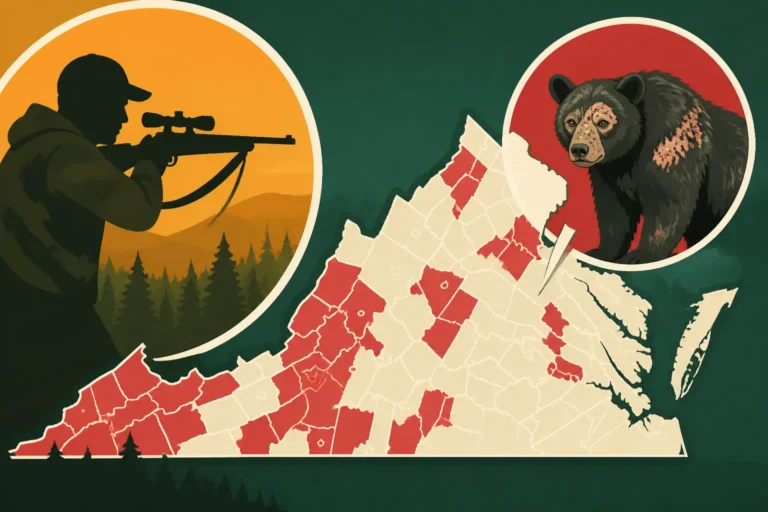
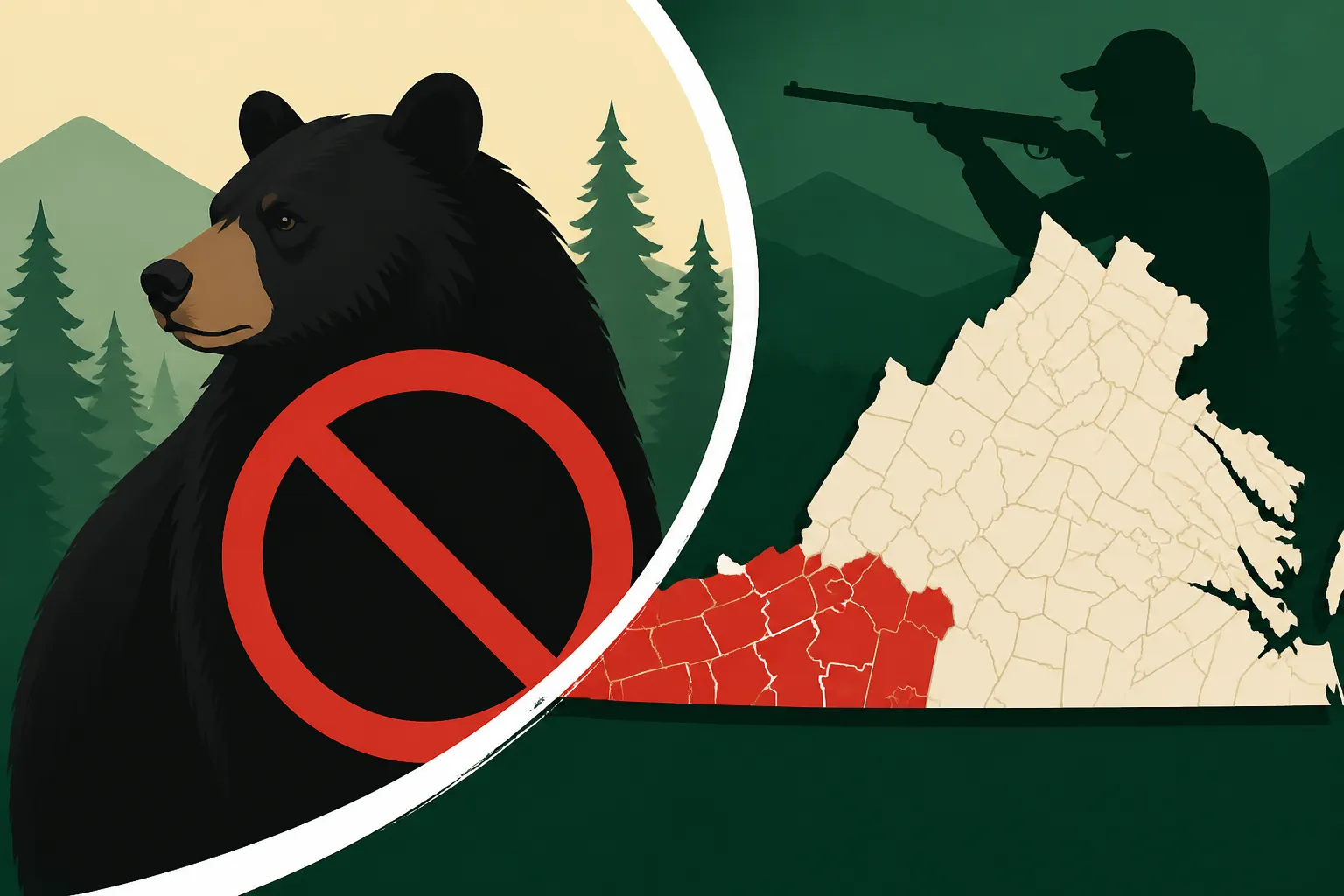
The nine counties that experienced this significant change to their bear season structure, specifically losing that early window, are: Bland, Buchanan, Carroll, Dickenson, Grayson, Russell, Smyth, Tazewell, and Wise. These counties form a contiguous block in the southwestern part of the state, an area characterized by rugged mountains, dense forests, and a strong hunting heritage. It's a region many of us know and love for its challenging terrain and abundant wildlife, including a healthy black bear population.
It's important to remember that regulations can sometimes shift, so always double-check the latest DWR regulations before planning your hunt. However, for recent seasons, these nine counties have been the focus of this particular change. This doesn't mean bear hunting is gone from these areas entirely, but the timing of when you can pursue them has certainly been adjusted.
Understanding the Former Early Bear Season
To truly grasp the impact of this change, it helps to understand what the "early bear season" represented. Historically, this season typically ran for a period in early October, often concurrent with some portion of the statewide archery deer season, before the major opening of the general firearms deer season. This early period was a prime opportunity, especially for hound hunters, to pursue bears when temperatures were often milder, and bears were still actively feeding and ranging widely.
For many, it was a chance to get into the woods without the full influx of deer hunters, offering a more focused and, at times, less crowded experience. Bears were often still hitting acorn crops or other mast, providing predictable patterns for scouting and stand placement. This earlier window also allowed for chasing bears before they began their pre-denning gorging, which can sometimes make them less active during daylight hours later in the fall. The loss of this specific early October window in these nine counties fundamentally shifts the available hunting opportunities for dedicated bear enthusiasts. You can always refer to the full Virginia Bear Season Rules for a comprehensive look at statewide regulations.
Why the Early Bear Season Was Rolled Back
Understanding why these changes occurred is crucial for hunters. It's not about making things harder; it's about balancing hunter opportunity with long-term population health. The Virginia DWR bases its management decisions on extensive data collection, including harvest reports, population surveys, and biological research. When harvest levels or population trends indicate a need for adjustment, the DWR acts to ensure the health and sustainability of the bear population.
Population Management and Local Harvest Data
The primary driver behind the decision to roll back the early bear season in these nine southwestern counties was often related to population management objectives and analysis of local harvest data. In certain localized areas, the DWR observed that early season harvest rates, especially when combined with the later seasons, were sometimes reaching or exceeding desired levels. The goal of wildlife management isn't just to increase populations, but to maintain them at healthy, sustainable levels that are compatible with human populations and available habitat.
Think about it: if a specific area consistently shows high harvest numbers during an early season, year after year, it can put undue pressure on the local bear population. The DWR looks at factors like the number of bears harvested, the sex and age ratios of those bears, and overall population estimates in each region. If these metrics indicate that a localized population might be experiencing too much pressure during that early window, adjustments are made. This ensures there are still plenty of bears for future generations of hunters and to maintain ecological balance. The DWR aims for a "sweet spot" where bears thrive, and hunters have ample, but not excessive, opportunity. They might use tools like GoHunt to analyze localized harvest data and overlay it with habitat maps for their assessments.
Addressing Localized Bear Pressure and Hunter Impact
Another significant consideration is the impact of concentrated hunter pressure. An early season can sometimes concentrate a large number of hunters into a smaller window and area, leading to high harvest rates in particular spots. By removing the early season, the DWR seeks to:
- Spread out hunter effort: Instead of a concentrated early effort, hunting pressure is now spread across later seasons, potentially leading to a more dispersed harvest throughout the fall.
- Allow bears more time: Giving bears a longer period without hunter pressure at the very beginning of the fall can allow them to continue their crucial feeding patterns unmolested, potentially leading to healthier bears going into winter.
- Manage human-bear conflict: While not the primary reason for this specific early season closure, DWR always considers the broader picture of human-bear interactions. Maintaining healthy, balanced bear populations through careful harvest management can indirectly influence these dynamics, particularly in areas where bears might be expanding their range closer to human habitation.
It's a delicate balance. The DWR's detailed assessments of Virginia Bear Harvest Trends help them make these tough calls, prioritizing the long-term health of the resource.
Adapting Your Bear Hunting Strategy in the Affected Counties
Losing a hunting opportunity stings, no doubt about it. But a good hunter adapts. The changes in these nine southwest counties mean you'll need to adjust your strategy and focus your efforts on the seasons that remain open. This isn't the end of bear hunting in the region; it's just a shift in tactics. You might find that these changes actually lead to different, perhaps even more rewarding, hunting experiences as you learn new patterns.
Focusing on the General Firearms and Late Archery/Muzzleloader Seasons
With the early bear season off the table, your focus shifts to the remaining open periods. For many, this will mean keying in on the general firearms deer season, where bear hunting is often concurrently allowed. This is a time when many hunters are in the woods for deer, but bears are still very active.
- General Firearms Season: Bears are still in full swing during Virginia's General Firearms Deer Season, often feeding heavily on remaining acorns, beechnuts, or other mast crops. Understanding how deer hunters move through the woods can also indirectly help you locate bears, as they might be displaced by pressure. This is also a prime time for hound hunting where legal, and the cooler weather can be ideal for dogs.
- Late Archery/Muzzleloader Seasons: Depending on the specific county and statewide regulations, bear hunting may also be open during portions of the later archery and muzzleloader seasons. These periods, particularly in November and December, often coincide with the breeding season (rut) for bears, which can make large boars more active and visible. Hunters focused on Muzzleloader Deer Hunting in Virginia or Bowhunting Virginia's Statewide Archery Season should be prepared for bear encounters and understand the rules.
| County | Former Early Bear Season (Example) | Current Season Focus | Primary Methods |
|---|---|---|---|
| Bland | Early Oct. (Hounds/Still-hunt) | Gen. Firearms, Late Archery/ML | Hounds, Still-hunting, Stands |
| Buchanan | Early Oct. (Hounds/Still-hunt) | Gen. Firearms, Late Archery/ML | Hounds, Still-hunting, Stands |
| Carroll | Early Oct. (Hounds/Still-hunt) | Gen. Firearms, Late Archery/ML | Hounds, Still-hunting, Stands |
| Dickenson | Early Oct. (Hounds/Still-hunt) | Gen. Firearms, Late Archery/ML | Hounds, Still-hunting, Stands |
| Grayson | Early Oct. (Hounds/Still-hunt) | Gen. Firearms, Late Archery/ML | Hounds, Still-hunting, Stands |
| Russell | Early Oct. (Hounds/Still-hunt) | Gen. Firearms, Late Archery/ML | Hounds, Still-hunting, Stands |
| Smyth | Early Oct. (Hounds/Still-hunt) | Gen. Firearms, Late Archery/ML | Hounds, Still-hunting, Stands |
| Tazewell | Early Oct. (Hounds/Still-hunt) | Gen. Firearms, Late Archery/ML | Hounds, Still-hunting, Stands |
| Wise | Early Oct. (Hounds/Still-hunt) | Gen. Firearms, Late Archery/ML | Hounds, Still-hunting, Stands |
| Note: "ML" stands for Muzzleloader. Always verify current DWR regulations for precise dates. |
Scouting and Strategy Shifts
Adapting means rethinking your scouting and in-field strategies. Without that early window, your pre-season scouting needs to focus on later fall food sources and bear travel corridors.
- Year-Round Scouting: Bears are creatures of habit, but their habits are heavily dictated by food availability. Spend time in the off-season looking for sign – scat, rubbed trees, claw marks on mast trees – to identify core bear areas. Pay attention to hard mast (acorns, hickory nuts, beechnuts) as these become critical later in the fall. Using an app like GoHunt can help you identify potential food sources, locate remote water, and map out travel routes in rugged terrain.
- Focus on Post-Mast Movement: Once early mast crops are depleted, bears often move to secondary food sources or into denser cover for security. Learning these transition zones is key. Focus on bedding areas near remaining food, thickets along creek bottoms, and heavy timber on north-facing slopes where bears might seek refuge. If you're Hunting Mountain Bears in November, these shifts become even more pronounced.
- Pressure Management: Recognize that general firearms season brings more hunters. Bears will react to this pressure. They might become more nocturnal or seek out less-accessible areas. This means you might need to hunt deeper, steeper, or more remote sections of public land. Scouting Virginia Public Land Before Season can reveal these overlooked pockets. GoHunt's mapping features can be invaluable for identifying remote areas with minimal access, helping you find those hidden gems where bears might feel safer.
The Broader Context of Virginia Bear Management
It’s easy to focus on the immediate impact of season changes, but it’s helpful to step back and look at the bigger picture of how the Virginia DWR manages our bear resource. These decisions are part of a comprehensive strategy to ensure black bears thrive for generations to come, while also managing their interactions with human communities.
The Role of the Virginia DWR in Wildlife Management
The Virginia Department of Wildlife Resources (DWR) plays a critical role in conserving and managing all wildlife in the Commonwealth, including our robust black bear population. Their mission is to protect our natural resources while providing outdoor recreational opportunities. This involves:
- Data Collection and Research: The DWR conducts extensive research, including population surveys, harvest analyses, and health monitoring (like tracking conditions such as bear mange). This scientific approach forms the bedrock of their management decisions. Understanding how Virginia's Bear Population Grew So Large is a testament to effective management.
- Regulation Development: Based on their data, the DWR proposes and adjusts hunting regulations. These regulations are designed to balance harvest levels with population goals, habitat capacity, and the social tolerance for bears.
- Hunter Education and Outreach: They also educate hunters on best practices, ethical hunting, and the importance of compliance with regulations, including Virginia Bear Checking Requirements. This holistic approach ensures that bears are managed responsibly.
When they make a change like cutting an early season in specific counties, it's usually backed by concrete data suggesting it’s the best course of action for the long-term health of the bear population in that particular region. They're not just throwing darts at a map; they're making informed, scientific decisions.
Future Outlook and Potential Adjustments
Wildlife management is never static. Bear populations are dynamic, and so are the landscapes they inhabit and the human pressures they face. What might be true one decade might need adjusting the next.
- Adaptive Management: The DWR practices adaptive management, meaning they continuously monitor populations and habitats, and are prepared to adjust regulations as needed. If harvest objectives are met and the bear population in the southwest counties stabilizes or grows to a point where an early season could again be sustainable, they might consider reinstating it in the future.
- Hunter Feedback: Hunter input is a valuable part of the process. While decisions are primarily data-driven, the DWR does listen to the hunting community. Being an informed and engaged hunter, understanding the reasons behind regulations, and providing constructive feedback is always helpful.
- Disease Monitoring: Factors like the prevalence of Virginia's Mange-Affected Bear Counties can also influence management decisions, even if mange wasn't the sole reason for this specific season change. Disease can impact bear populations, and DWR closely monitors these trends. If you ever encounter a sick or injured animal, remember to prioritize Reporting a Sick Animal in Virginia through the appropriate DWR channels.
While losing a season can be frustrating, viewing these changes through the lens of long-term conservation and adaptive management can help us appreciate the DWR's efforts to ensure our hunting heritage, and our black bear resource, remain strong for generations to come.
Disclaimer
Please remember that hunting regulations are subject to change. Always consult the most current Virginia DWR regulations and local ordinances before planning any hunting activity. This article provides general information and should not be considered a substitute for official DWR resources.