Virginia Bear Checking Requirements
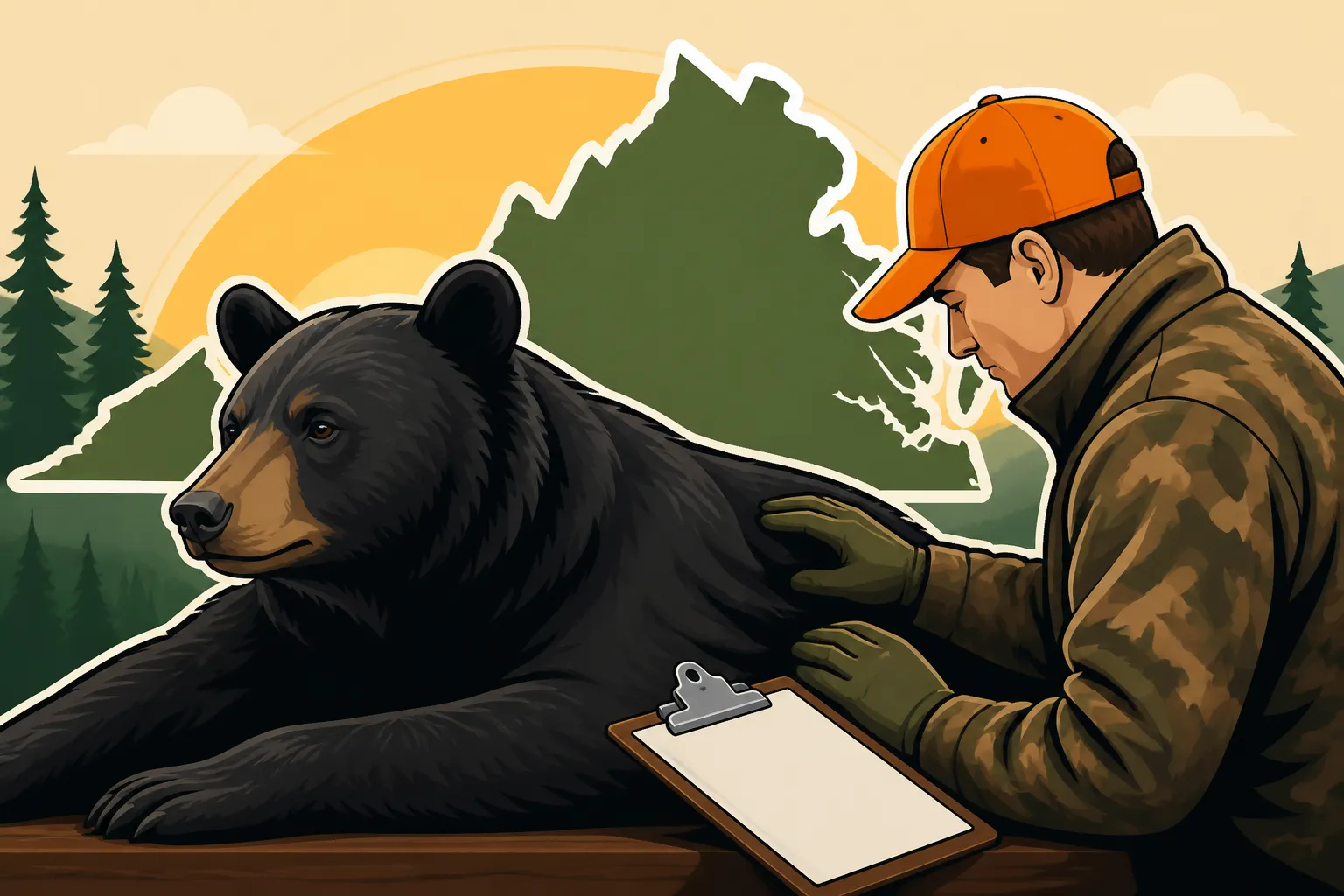
Bringing down a black bear in Virginia is an incredible accomplishment, a moment of triumph mixed with immense gratitude. But then, as the adrenaline starts to fade and the reality sets in, you remember that crucial next step: checking your bear. It can feel like an unnecessary hurdle after such an intense experience, leaving you wondering exactly what you need to do and where to even begin. This comprehensive guide is here to clear up all the confusion around Virginia's bear checking requirements, ensuring you can celebrate your harvest knowing you've completed all the necessary steps correctly.
The Essential Role of Bear Checking in Virginia
While it might seem like just another piece of paperwork, the requirement to check your bear isn't some arbitrary rule designed to annoy you. It's a cornerstone of responsible wildlife management and a vital tool for ensuring the health and sustainability of Virginia's impressive black bear population. Think of it as your direct contribution to keeping these incredible animals thriving for generations of hunters and wildlife enthusiasts to come.
Why Every Bear Harvest Matters for Conservation
Each bear that is successfully harvested and properly checked provides the Virginia Department of Wildlife Resources (DWR) with critical data. This isn't just about counting numbers; it's about understanding the intricate dynamics of the bear population. The DWR uses this information to monitor trends in growth, distribution, and overall health. Without this data, wildlife biologists would be flying blind, unable to make informed decisions about future seasons, bag limits, and conservation strategies. Your checked bear helps paint a clearer picture of the local bear density and how different management zones are performing. It’s how we ensure we can continue enjoying Bear Hunting Virginia's Mountains and Piedmont ethically.
How DWR Uses Your Data to Shape Future Seasons
The information collected during the checking process directly influences the DWR's decision-making for upcoming hunting seasons. For example, if harvest data shows a consistent decline in cub-bearing sows in a particular area, it might signal the need for adjusted season dates or specific restrictions in that region to protect breeding females. Conversely, if the data indicates a robust and growing population, it could lead to expanded opportunities. The DWR uses factors like the sex ratio of harvested bears, the estimated age from teeth samples (when collected), and the harvest location to develop models that predict population trends. This scientific approach ensures that Virginia's Bear Season Rules are based on real-world numbers, not guesswork. It's a dynamic system, constantly adapting to the latest biological insights to maintain a healthy balance. Many hunters also rely on tools like GoHunt to cross-reference these regulations and stay informed about changes that might impact their hunt planning.
Step-by-Step: How to Check Your Virginia Bear
Once you've made a successful harvest, the clock starts ticking. Virginia law requires that all bears be reported within 24 hours of being killed. This immediate reporting is crucial for data accuracy and helps the DWR maintain an up-to-the-minute understanding of harvest numbers. There are a few convenient ways to get this done, so you can choose the one that best fits your situation.
Online and Phone Reporting Options
For many modern hunters, the easiest way to report a bear is digitally or over the phone. The DWR has streamlined these processes to make them as user-friendly as possible, understanding that you might be in a remote area or just eager to get home after a long day in the woods.
The Go Outdoors Virginia system is your primary online portal. You can access it via the DWR website or through their mobile app. This platform allows you to enter all the required information digitally. It’s fast, efficient, and provides an immediate confirmation number, which you must write down and keep with the bear until processing. If you prefer to speak to someone, the DWR also provides a toll-free phone number for reporting your harvest. A DWR operator will guide you through the process, asking for the same information you'd input online. This is often a good option if you have spotty cell service but can find a landline, or simply prefer verbal confirmation. Remember, these methods are primarily for reporting the kill and getting your confirmation number; they don't always involve a physical inspection unless specifically requested or if you are hunting in a Chronic Wasting Disease (CWD) Management Area, which we'll touch on later. Apps like GoHunt can also be helpful here, as they often link directly to the DWR's online reporting system, making it even easier to navigate while afield.
In-Person Bear Check Stations
While online and phone reporting are convenient, sometimes an in-person check station is necessary or preferred. Designated bear check stations are typically available in areas with higher bear populations, often operated by local businesses like sporting goods stores, general stores, or even some DWR offices during peak season. These stations offer the advantage of having DWR staff or authorized agents physically examine the bear. This is particularly useful for collecting biological samples, such as a premolar tooth for aging the bear, which provides invaluable data for the DWR.
If you bring your bear to a check station, be prepared to present your hunting license and provide all the harvest information. The staff will help you complete the process and provide a physical tag or confirmation number. It's a great opportunity to ask any questions you might have and get direct feedback from those involved in wildlife management. Keep in mind that check station availability can vary, so it’s always a good idea to check the DWR website or call ahead to confirm operating hours and locations, especially after a successful hunt.
Here’s a quick overview of the main checking methods:
| Checking Method | Availability | Pros | Cons |
|---|---|---|---|
| Online (Go Outdoors VA App/Website) | 24/7 | Quick, convenient, immediate confirmation number | Requires internet/cell service, no physical inspection/aging data collected |
| Phone (DWR Hotline) | During specific hours (check DWR website) | Direct assistance, immediate confirmation number | May involve wait times, no physical inspection/aging data collected |
| In-Person Check Station | Limited hours, specific locations | Physical inspection, biological samples (e.g., tooth for aging) collected, expert assistance | Less convenient, requires transporting the whole bear or head |
What Information You'll Need at the Ready
Being prepared can save you a lot of hassle and potential headaches when it comes to checking your bear. The DWR needs specific pieces of information to accurately record your harvest and contribute to their data sets. Having this ready before you even head out can make the post-hunt process much smoother.
Key Details for a Successful Report
When you report your bear, you’ll typically be asked for the following:
- Your Hunter Identification Number (DWR ID): This is found on your Virginia hunting license. You’ll also need to confirm that you possess the appropriate Virginia Big Game License Requirements and any necessary bear tags.
- Date and Time of Kill: An accurate record of when the bear was harvested.
- County of Kill: The specific county where you harvested the bear. This is critical for regional population data.
- Sex of the Bear: Male (boar) or Female (sow).
- Estimated Live Weight: Even an approximation is helpful if you don't have a scale.
- Weapon Used: Rifle, muzzleloader, archery equipment (bow or crossbow). This helps DWR understand harvest methods. For specific archery rules, you might want to review Crossbow Rules During Virginia Archery Season if applicable.
- Type of Land: Public (e.g., National Forest, WMA) or Private. This is crucial for understanding hunting pressure and habitat use across different land types, like those mentioned in Virginia Wildlife Management Areas.
- Method of Take: Still-hunting, stand hunting, hunting with hounds, etc. This helps DWR understand hunter effort and success rates with various tactics, such as Hunting Bears With Hounds Where Virginia Allows It.
- Confirmation Number: You'll receive this after successfully reporting. It's your proof of compliance.
Gathering Additional Biological Information
In some cases, particularly at in-person check stations or if you're hunting in a specific CWD Management Area, the DWR might request additional biological samples. The most common is a premolar tooth, usually extracted by DWR staff, to determine the bear's age. This aging data is incredibly valuable for understanding the Virginia bear population estimate and age structure, which helps manage sustainable harvest quotas.
Some hunters, especially those who participate in advanced data collection, might track more detailed information using their GoHunt app or a dedicated notebook, such as precise GPS coordinates of the kill site, weather conditions, or specific habitat types. While not all of this is mandatory for checking, it can be beneficial for personal hunting records and can also be shared with DWR if there's an opportunity for more in-depth research. It’s also wise to remember proper field care, as detailed in guides like Handling a Bear After the Shot, to ensure any samples remain viable.
Avoiding Common Mistakes and Penalties
Let's be real, nobody wants to find themselves on the wrong side of the law, especially after the hard work and dedication that goes into a bear hunt. Understanding the regulations and being diligent about reporting your harvest is key to avoiding penalties. The DWR isn't trying to trick you; they're simply ensuring fair chase and responsible management.
Consequences of Non-Compliance
Failing to properly check a bear within the 24-hour timeframe, or providing false information, can lead to serious consequences. These aren't just minor infractions. Depending on the severity of the violation, penalties can range from hefty fines and the loss of hunting privileges for a period to potential felony charges in extreme cases. Imagine having your Virginia Hunting Licenses and What They Cost revoked, jeopardizing future seasons because of an oversight that could have easily been prevented. It's just not worth the risk. The DWR takes wildlife violations very seriously because they undermine the conservation efforts we all benefit from.
Ensuring Your Report is Accurate and Timely
The most common mistakes hunters make often revolve around timing and accuracy. It's easy to get caught up in the excitement or the sheer effort of recovering a bear, especially a large one from rough terrain, and let the 24-hour window slip. To avoid this, make it a priority. As soon as the bear is down and you've completed initial field dressing, make a plan to report it. Even if you're exhausted and it's late, use the online or phone system. Don't procrastinate.
Another potential pitfall is incorrect information. Double-check your county of kill, the sex of the bear, and your license number. If you're unsure about any detail, like the estimated weight, provide your best, honest guess. It's far better to be transparent than to intentionally misreport. Hunters in CWD Management Areas need to be particularly vigilant, as there might be specific Virginia CWD Testing for Hunters or carcass movement restrictions to consider before leaving the area with their harvest. Always consult the DWR regulations for the specific area you are hunting, and if in doubt, contact a DWR conservation police officer or your local DWR office for clarification. Resources like the DWR app and even the GoHunt platform are excellent for quickly referencing current regulations before and after your hunt.
Disclaimer
This guide is intended for informational purposes only and is not a substitute for the official Virginia Department of Wildlife Resources (DWR) regulations. Hunting laws and regulations can change, and it is the responsibility of every hunter to consult the most current DWR hunting guide and statutes before heading afield. Always verify information directly with the Virginia DWR.