Virginia Area Closures in Season
There’s nothing quite like the feeling of carefully scouting a promising piece of land, pouring over maps, marking sign, and envisioning a perfect hunt, only to arrive on opening day and find out it's inexplicably closed. That gut punch of wasted effort, anticipation, and planning can be truly frustrating. Virginia's diverse landscape and varied management strategies mean that area closures are a real part of hunting, and knowing how to navigate them is key to a successful, stress-free season. This guide is all about helping you understand why these closures happen and, more importantly, how to stay informed so you never get caught off guard again.
Understanding the "Why" Behind Area Closures
It's easy to see a "Closed" sign and feel a pang of annoyance, but most area closures, especially those planned in advance, serve important purposes. They aren't put in place to inconvenience hunters, but rather to manage wildlife, protect vital habitats, or ensure the safety of everyone using Virginia's wild spaces. Understanding the rationale can help you appreciate their necessity, even when they impact your hunting plans.
Wildlife Management Objectives
Many closures are directly tied to the Virginia Department of Wildlife Resources (DWR) and other agencies' efforts to ensure healthy, sustainable wildlife populations. Think of it as carefully tending a garden; sometimes you need to close off a section to let new growth flourish or protect tender sprouts.
These closures often focus on highly sensitive periods or areas. For instance, specific sections of a Wildlife Management Area (WMA) might be temporarily closed during the peak of waterfowl nesting season to minimize disturbance, allowing ducks and geese to raise their broods in peace. Similarly, critical wintering grounds for deer, especially in the harsh mountain regions, might see temporary access restrictions. This protects the animals when they are most vulnerable, conserving their energy during lean months and reducing stress that could impact their survival through the winter. Habitat restoration projects are another common reason. Imagine a section of a WMA where DWR is actively planting native grasses for quail or creating new early successional growth for rabbits. Closing this area to hunting, or even general public access, ensures the work isn't disturbed and the new habitat has a chance to establish itself. It's all part of the bigger picture of maintaining robust game populations for everyone to enjoy in the long run.
Public Safety and Overuse
Beyond wildlife, many closures are simply about keeping people safe and managing the sheer volume of visitors that certain popular areas can attract. Virginia's public lands are for everyone – hikers, bird watchers, photographers, and, of course, hunters. Sometimes, these different uses can conflict, especially in high-traffic areas.
Consider a WMA that borders a rapidly developing suburban area. During peak hunting season, especially opening days, the number of hunters might necessitate temporary closures in specific zones to create a buffer against residential properties or busy trails, ensuring no stray projectiles pose a risk. These aren't permanent bans, but rather thoughtful adjustments to allow various forms of recreation to coexist safely. Beyond residential concerns, temporary closures can also occur for planned public events. Perhaps a popular trail system within a national forest is hosting a marathon or a major equestrian event. For the duration of that event, the area might be closed to hunting to prevent any potential conflicts or accidents. Additionally, closures can be a response to environmental concerns. Periods of extreme drought, for example, might lead to "burn bans" and even temporary closures of certain forested areas to prevent wildfires, protecting both the land and the public from catastrophic events.
Common Types of In-Season Closures in Virginia
Virginia’s diverse geography and land management structures mean that "closure" can take many forms, from a small section of a WMA being temporarily off-limits to an entire military installation having complex, rotating restrictions. Knowing the different categories can help you anticipate and prepare.
Temporary Wildlife Management Area WMA Closures
Virginia’s Wildlife Management Areas are incredible resources, offering vast tracts of public hunting land across the state. However, because they are actively managed for specific wildlife goals, they often have the most dynamic and sometimes complex closure schedules. It’s never a "one size fits all" approach on WMAs.
You might find specific impoundments on a WMA, like Hog Island or Hogpen Branch, closed to general hunting during certain waterfowl seasons, but open for draw hunts only. This ensures that the birds aren't over-pressured and the limited hunting opportunities are distributed fairly. Other times, sections might be temporarily closed for a prescribed burn, a critical habitat management tool that clears undergrowth and promotes new, healthy plant life. These burns are usually announced well in advance, but can also be weather-dependent, meaning last-minute changes are always a possibility. Perhaps a particular portion of a WMA is being used for scientific research, like a deer population study, and access is restricted to minimize disturbance to the animals or equipment. Or, during certain periods, specific areas might transition from open hunting to "refuge" status to provide sanctuary for migrating birds or wintering deer. Always, always check the specific WMA’s regulations and current announcements on the DWR website before heading out. The Virginia WMA Access Permit Sign-In Process often includes a place to check for current conditions.
National Forest GW/Jefferson Specific Restrictions
The George Washington and Jefferson National Forests are vast, rugged, and truly incredible places to hunt, encompassing millions of acres across western Virginia. However, their sheer size and multi-use mandate mean they also have their own set of access rules and potential closures. Unlike WMAs, which are primarily managed for wildlife, national forests balance recreation, timber, and conservation.
A common restriction you’ll encounter in the national forests is seasonal road closures. Many interior forest roads, often critical for accessing remote hunting spots, are gated off during the winter months. This isn't just about snow; it's also done to protect fragile roadbeds from damage during freeze-thaw cycles and to provide undisturbed winter habitat for wildlife. These closures can significantly impact how far you need to walk to reach your hunting area. Beyond roads, specific wilderness areas within the national forests, such as Ramsey's Draft or James River Face, have more stringent regulations on mechanized travel, camping, and even stand placement, which can feel like a type of "closure" if you're used to more liberal access. Camping Rules on Virginia National Forest Land also details many of these. Temporary closures can also occur for active logging operations, which are a necessary part of forest management, or in the event of a forest fire. Always check the U.S. Forest Service website for the specific ranger district you plan to hunt, or call the local ranger station for the most up-to-date information on road access and any current closures due to natural events or management activities.
National Wildlife Refuge NWR Specific Rules
Virginia is home to several National Wildlife Refuges, such as the Great Dismal Swamp and Chincoteague, which are managed by the U.S. Fish and Wildlife Service. While some NWRs offer limited hunting opportunities, their primary mission is wildlife conservation, which often means very strict and extensive closures compared to other public lands.
Hunting on an NWR is almost always highly regulated, typically through a quota system or lottery draw, and restricted to specific zones and limited seasons. You simply cannot just show up and hunt. Large portions of these refuges are often completely closed to all public entry, or to hunting, to protect sensitive habitats or provide undisturbed resting areas for migratory birds and other wildlife. For instance, a refuge might have a specific section dedicated as a waterfowl sanctuary that is never open to hunting, or only open for very specific, short periods for youth hunts. The application process for NWR hunts often involves specific deadlines months in advance, and successful applicants must adhere to a detailed set of rules that go beyond standard DWR regulations. Great Dismal Swamp Bear Hunting Access illustrates how even a specific hunt within an NWR can have unique regulations. It is absolutely crucial to consult each individual NWR's website and hunt brochures for their exact rules, boundaries, and any in-season closures, as these can vary significantly from year to year and refuge to refuge.
Military and State Park Hunting Closures
Beyond the lands managed directly for hunting, Virginia also offers unique, albeit often highly restricted, hunting opportunities on military installations and in some state parks. These areas come with their own distinct sets of rules and, consequently, unique types of closures.
Military Base Access and Restrictions
Hunting on military installations like Fort A.P. Hill or Quantico Marine Base offers a chance to hunt often less-pressured land, but it requires significant planning and flexibility. These are active military bases, and their primary function is national defense, not recreation. As such, hunting access is always secondary and subject to military operations.
This means that areas can be closed at a moment's notice due to training exercises, range firing, or other operational needs. You might have a hunt planned for a Saturday, only to wake up and find the entire post, or your specific hunting zone, is closed due to unforeseen military activity. Access is almost always controlled through a permit system, often with an annual registration fee, and successful hunters must adhere to strict sign-in/sign-out procedures and specific check-in times. Safety briefings are usually mandatory, and you'll need to be aware of unexploded ordnance or other hazards. Fort A.P. Hill Public Hunting Rules highlights the unique requirements. It is absolutely essential to check the specific military base's hunting website or call their wildlife office daily or even hourly before your hunt, as their closure information is often updated very frequently. Flexibility is key when hunting these areas; have a backup plan ready.
Virginia State Park Hunting Limitations
Virginia State Parks are treasured for their scenic beauty and recreational opportunities, from hiking to camping to kayaking. While some state parks do offer hunting, it's typically far more limited and controlled than on WMAs or national forests, and closures are common for the vast majority of the park area.
Many state parks only allow hunting through specific quota hunts for deer, often to help manage deer populations within the park boundaries. These hunts are usually very limited in scope, often confined to specific sections of the park, and require successful application through a lottery system well in advance. During general hunting seasons, the vast majority of a state park will remain completely closed to hunting, ensuring safety for other park users like hikers and campers. Even during designated hunts, the areas open to hunters will be clearly delineated, and venturing outside those zones would be considered a violation. Virginia State Park Hunting Rules provides more detail on this. The "closure" here isn't necessarily a temporary event, but rather a permanent restriction on where and when hunting can occur within the park's boundaries, making most of a state park functionally closed to hunters at all times. Always consult the specific state park's website for any hunting opportunities and their explicit rules and designated hunting zones.
Understanding Emergency and Unforeseen Closures
Sometimes, closures aren't planned months in advance by a management agency. Nature has a way of throwing wrenches into the best-laid plans, and emergency situations can lead to rapid, often widespread, closures that require hunters to adapt quickly.
Fire, Flood, and Weather-Related Closures
Virginia's weather can be unpredictable, and extreme conditions can necessitate immediate closures for safety. These are the kinds of closures that can derail a planned hunt with little to no warning, often impacting large areas.
Forest fires are a prime example. During periods of drought, a small spark can quickly become a raging inferno, leading to vast sections of national forests, WMAs, or even private timberlands being closed to all public access for safety reasons, both for the public and for the firefighters battling the blaze. You might see these types of closures announced on local news, DWR alerts, or U.S. Forest Service updates. Major flooding events, particularly along Virginia's numerous rivers and in low-lying areas like the Tidewater region or parts of the Great Dismal Swamp, can also lead to closures. Roads can become impassable, and entire sections of public land might be submerged, making hunting unsafe or impossible. Similarly, severe winter weather, such as heavy ice storms or massive snowfalls, can close roads, down trees, and create hazardous conditions, leading to temporary closures of public lands until conditions improve and hazards can be cleared. Always monitor weather forecasts and local news, especially when planning a trip to remote areas.
Disease Management Zones and Related Restrictions
While not always a physical closure of land, the regulations surrounding Chronic Wasting Disease (CWD) management areas (DMAs) function as a critical form of restriction or "closure" on certain hunter activities and behaviors, which is just as important to understand.
CWD is a fatal neurological disease affecting deer and other cervids, and Virginia is actively working to monitor and contain its spread. If you hunt in one of Virginia's CWD management areas, like those in the Shenandoah Valley or Northern Virginia, you'll encounter specific rules that limit how you can hunt and what you can do with your harvested deer. Virginia's Four Chronic Wasting Disease Areas provides an overview. These might include mandatory CWD testing for deer harvested within the DMA, which means you'll need to take your deer to a specific DWR sampling station. Perhaps most impactful for many hunters is the Virginia's Twenty-Five-Mile Feeding Ban, which prohibits feeding deer year-round within DMAs, essentially closing off the practice of baiting or supplemental feeding that some hunters might use. Furthermore, there are strict Virginia Carcass Movement Restrictions that prohibit taking certain parts of a deer carcass out of a DMA to prevent the potential spread of the disease to new areas. These aren't about closing off access to the land itself, but rather closing off certain behaviors and practices that could exacerbate a serious wildlife health issue. It's crucial to be aware of these restrictions and comply fully, as they are put in place for the long-term health of Virginia's deer herd.
How to Stay Informed About Closures
The sheer variety of closures across Virginia might seem daunting, but thankfully, there are excellent resources available to help you stay on top of the latest information. Being proactive in checking these sources is your best defense against showing up to a closed gate.
Utilizing DWR Resources
The Virginia Department of Wildlife Resources (DWR) is your absolute first and most important stop for information regarding hunting seasons, regulations, and closures on state-managed lands. They are the official authority, and their resources are comprehensive.
Start with the DWR website. They typically have a dedicated "News & Alerts" section that will announce any significant, unforeseen closures or changes to regulations. For planned closures, such as WMA-specific rules or quota hunt schedules, these will be detailed in their annual hunting regulations digest, which is available online and at license vendors. Many WMAs also have specific pages on the DWR site that list their unique rules and any temporary restrictions. Additionally, the DWR often sends out email newsletters or alerts, which you can subscribe to, that will inform you of urgent updates, like fire bans or CWD-related news. Don't forget their "Go Outdoors Virginia" platform; while primarily for license purchases, it can also link to relevant information. I find Scouting With the Virginia DWR App to be an invaluable tool for on-the-go checks, as it often has direct links to WMA information and news.
Leveraging Mapping and Information Apps
In today's digital age, powerful mapping applications have become indispensable tools for hunters, offering a wealth of information that can include boundary lines, land ownership, and even reported closures.
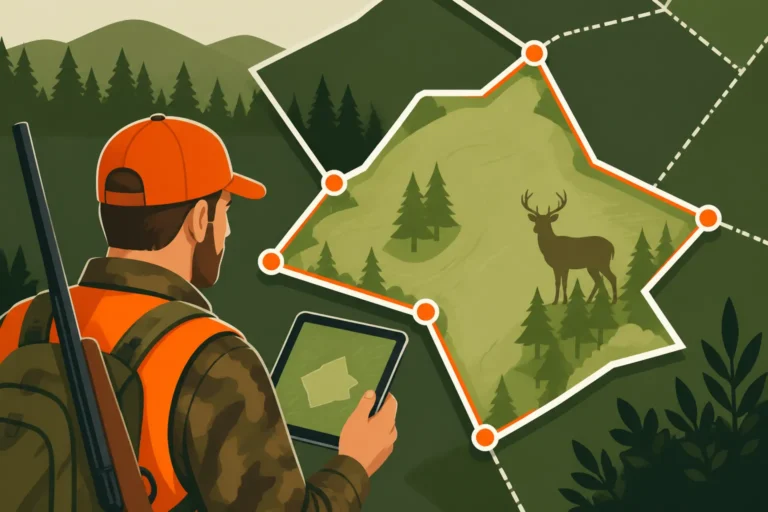
Apps like onX Hunt and GoHunt have revolutionized how many of us scout and navigate public lands. onX Hunt, for example, overlays detailed property boundaries, clearly showing public lands (like WMAs, National Forests, and NWRs) and private parcels. Crucially, onX Hunt often includes specific layers that can indicate WMA boundaries, designated public hunting areas within parks, and sometimes even temporary access roads that are seasonally closed. This visual representation can quickly highlight areas that might be off-limits. While these apps don't always have real-time, instantaneous updates on emergency closures (like a sudden forest fire), they provide the foundational knowledge of where you can and cannot legally be. Pair the information from these apps with official DWR updates for the most comprehensive picture. For instance, onX Layers for Virginia Land Status can be a game-changer when you're trying to quickly determine if that sliver of woods you're eyeing is actually huntable public ground or private land.
Local Ranger Stations and Social Media
While DWR's digital resources are extensive, sometimes the most current information, especially for localized closures, comes from direct contact or more immediate digital channels.
For hunting in the George Washington or Jefferson National Forests, your local U.S. Forest Service ranger district office is an invaluable resource. They manage the day-to-day operations of those specific forest sections and will have the most up-to-date information on road closures, logging operations, or specific area closures due to local conditions. A quick phone call before you head out, especially if you're targeting a remote area, can save you a lot of wasted time. You can find contact information for these offices on the USFS website. Beyond that, many DWR regions, national forest districts, and even some NWRs maintain active social media accounts (Facebook, X/Twitter). These platforms are often used for rapid dissemination of information regarding emergency closures, like sudden prescribed burns, road washouts, or unexpected events. Following these official pages can provide alerts that might not yet be widely published elsewhere. It's an extra step, but one that can prevent disappointment. Virginia Public Land Hunting Hours can also vary by specific area, so cross-referencing all these sources is key.
To help summarize, here's a quick reference for common closure types and where to find your information:
| Type of Closure | Primary Information Source | Secondary Sources | Key Things to Check |
|---|---|---|---|
| WMA Specific/Temporary | VA DWR Website & Regulations Digest | DWR Social Media, Go Outdoors VA | Specific WMA rules, quota hunt schedules, burn notices |
| National Forest Roads/Areas | U.S. Forest Service Website (Ranger District) | Local Ranger Station phone, onX Hunt | Seasonal road closures, logging, fire activity, wilderness rules |
| National Wildlife Refuge | Individual NWR Website & Hunt Brochure | US Fish & Wildlife Service | Draw hunt dates, specific hunt zones, public access limits |
| Military Base Hunting | Base Hunting Program Website/Phone | Base Sign-in Kiosks | Daily range schedules, operational closures, permit rules |
| State Park Hunting | VA State Parks Website | DWR Website | Quota hunt availability, designated hunting zones |
| Emergency (Fire/Flood/Weather) | Local News, VA DWR Alerts, USFS Alerts | Local Sheriffs, Social Media | Area-wide bans, road closures, unsafe conditions |
| CWD Management Zones (DMAs) | VA DWR CWD Information Page | DWR Regulations Digest | Feeding bans, carcass movement rules, mandatory testing |
Disclaimer
This article is for general informational purposes only and does not constitute professional advice. Laws, prices and regulations vary by location and change over time. Consult a qualified professional for guidance on your specific situation.