Great Dismal Swamp Bear Hunting Access
Hunting black bears in Virginia’s Great Dismal Swamp National Wildlife Refuge is an experience unlike any other, offering a truly wild and challenging pursuit. However, the unique environment and specific federal regulations can often leave hunters feeling overwhelmed and unsure of how to even begin planning a trip. This guide aims to demystify the process, providing a comprehensive look at how to gain access, what to expect, and the essential preparations needed to successfully hunt bears in this iconic, wild landscape.
Understanding the Great Dismal Swamp National Wildlife Refuge for Bear Hunting
The Great Dismal Swamp National Wildlife Refuge isn't just another patch of public hunting ground; it's a vast, ancient ecosystem that demands respect and a specific approach from hunters. Its dense pocosin vegetation, water-logged terrain, and unique history make it a world unto itself.
The Unique Environment of the Great Dismal
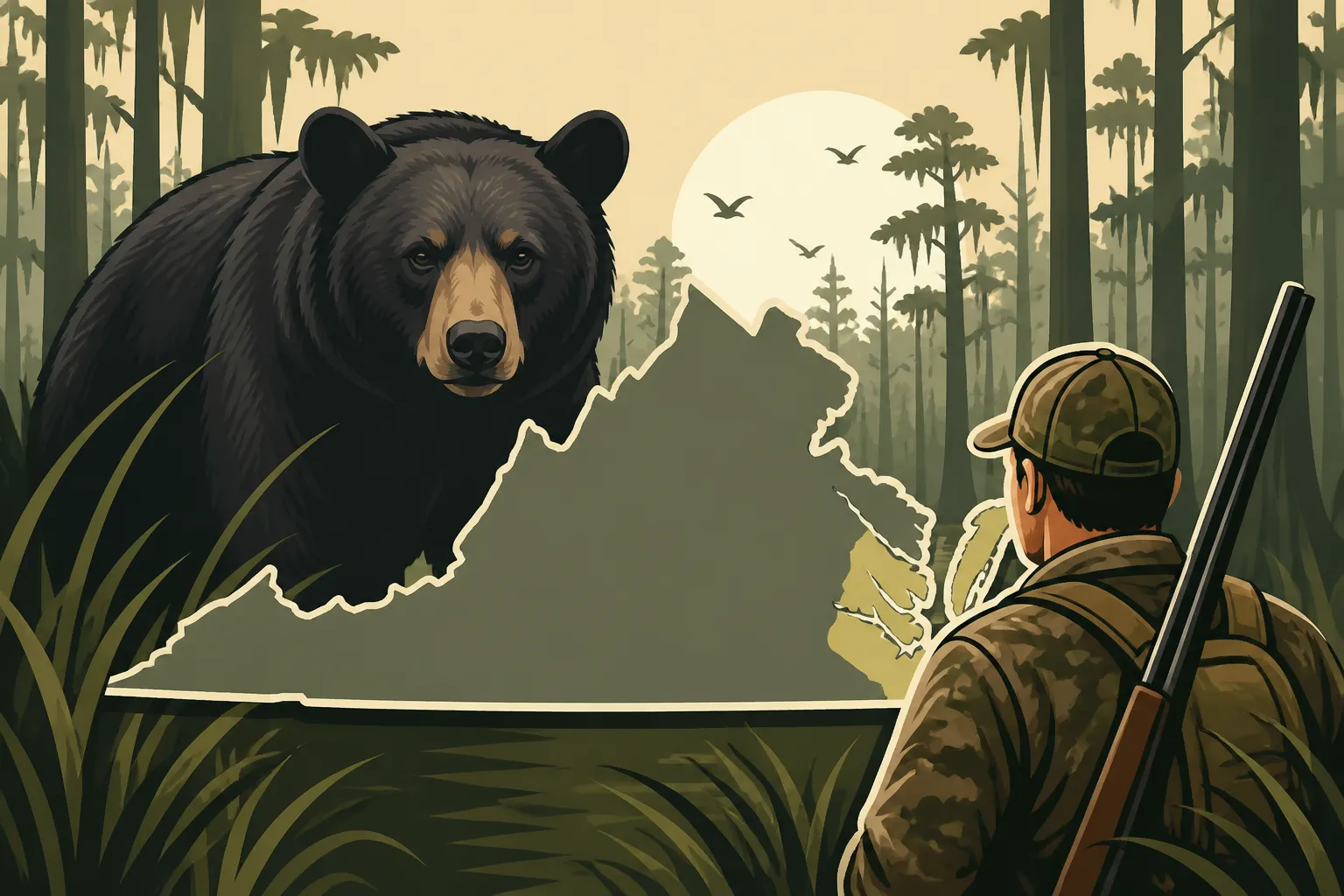
Imagine wading through dark, tannic water, navigating through nearly impenetrable thickets of cane, briars, and cedar, with the scent of cypress and swamp gas heavy in the air. That's a typical day in the Great Dismal. This isn't your open hardwoods or rolling agricultural fields. It's a dense, challenging, and often disorienting environment. The terrain is largely flat but deceptively difficult to traverse, with hidden stumps, deep pockets of water, and mud that can suck the boots right off your feet. This isn't a place for the faint of heart or the unprepared. Yet, it's precisely these challenging conditions that make it an exceptional bear habitat, providing isolation, abundant food sources, and sanctuary from human encroachment. The bears here are truly wild, elusive, and incredibly resilient.
How State and Federal Rules Intersect
Hunting in a National Wildlife Refuge adds a layer of complexity that many hunters, accustomed to state-managed lands, might not fully grasp. While the Virginia Department of Wildlife Resources (DWR) sets the overall framework for Virginia Bear Season Rules and game management, the Great Dismal Swamp NWR, as a federal entity, has its own specific regulations layered on top. This means you're operating under a dual system of rules. You'll need your standard Virginia hunting license and big game tags, of course. But beyond that, the refuge implements its own access permits, specific season dates (which might differ slightly from statewide dates), designated hunting areas, and even rules about weapon types, blaze orange requirements, and how you retrieve game. It’s absolutely critical to consult both the DWR regulations and the specific Great Dismal Swamp NWR hunting brochure or website before planning your hunt. Ignoring one set of rules could lead to serious consequences.
Why Bears Thrive in the Swamp
The Great Dismal Swamp is a black bear paradise, despite its formidable nature for humans. The sheer density of cover provides unparalleled security, allowing bears to grow large and reproduce with minimal disturbance. Food sources are abundant and diverse, ranging from acorns and berries (like blueberries and huckleberries) in higher hammocks to various aquatic plants and tubers found in the wetter areas. The dense undergrowth offers perfect bedding areas, and the extensive network of canals and ditches provides travel corridors and sources of water. This combination of seclusion, ample food, and escape cover contributes to a healthy and robust bear population within the refuge. While other parts of the state offer Bear Hunting Virginia's Mountains and Piedmont, the Dismal Swamp provides a unique, deeply wild environment for these animals, leading to a different kind of hunting challenge.
Navigating the Permit and Application Process
Accessing the Great Dismal Swamp NWR for bear hunting isn't as simple as just showing up with your hunting license. It requires careful planning, timely applications, and an understanding of the competitive permit system.
The Quota Hunt System Explained
The Great Dismal Swamp NWR utilizes a quota hunt system for bears, meaning that only a limited number of hunters are allowed into the refuge during specific hunt periods. This is a common practice on managed public lands to control harvest, minimize hunting pressure, and ensure a quality experience while balancing conservation goals. It's not a first-come, first-served scenario. Instead, hunters must apply for a permit drawing, which is typically conducted through the Virginia DWR's Go Outdoors Virginia portal. The system is competitive, and drawing a permit can be challenging due to the popularity of bear hunting and the unique nature of the refuge. It’s important to understand that even if you're a seasoned hunter, this type of system requires patience and persistence. Don't be discouraged if you don't draw a permit on your first attempt; many experienced hunters apply for several years before getting drawn.
Application Deadlines and Requirements
The application period for Great Dismal Swamp NWR quota hunts typically opens in late spring or early summer, with deadlines usually in August or September for fall bear seasons. It's critical to mark these dates on your calendar and not miss them. You'll generally apply through the Go Outdoors Virginia website, which is the central hub for most state hunting licenses and applications. Beyond your standard Virginia Hunting Licenses and What They Cost and big game tags, the NWR will often require a separate, non-refundable application fee for the quota hunt. You'll also need to ensure you meet all Virginia Hunter Education Requirements, as proof of completion is often mandatory for any public land hunting permit, especially on federal refuges. Always double-check the specific refuge's hunt brochure for the current year, as rules and dates can sometimes change. This brochure will detail everything from approved weapons for specific hunt dates to bag limits and check-in procedures.
Special Refuge Permits and Access Rules
Even after you've secured your DWR-issued hunting license and drawn a quota hunt permit through the state system, you're not quite done. The Great Dismal Swamp NWR itself will issue a specific refuge permit or access pass, which you'll need to carry with you at all times while hunting. This permit will outline the exact hunt dates you're approved for, the specific zones you can access within the refuge, and any unique rules you must follow. For instance, some refuge hunts might restrict access to certain roads or trails, dictate specific check-in/check-out times, or limit the type of stands you can use. Understanding these nuances is vital. Always check the refuge's official website or contact their office directly for the most current information regarding these refuge-specific permits. Sometimes, an orientation session or meeting might be required before your hunt to go over these rules, so be prepared for that possibility.
Essential Gear and Tactics for the Swamp
Hunting bears in the Great Dismal Swamp demands specialized gear and a tactical approach tailored to its unique, challenging environment. Standard woods hunting gear simply won't cut it.
Footwear and Clothing for Wet, Dense Terrain
Your footwear and clothing choices are paramount in the swamp. Forget your lightweight hiking boots; you'll need serious waterproof protection. Knee-high or even chest waders are often necessary, as you'll encounter standing water, deep puddles, and boggy ground frequently. Look for waders that are durable and puncture-resistant, as briars and sharp sticks are everywhere. For clothing, prioritize durability and quiet movement. Heavy-duty briar pants or chaps are essential to protect against the constant snagging and tearing of dense undergrowth. Waterproof outer layers are a must, as the swamp can be damp and drizzly even on clear days, and humidity is almost always high. Breathable fabrics are also important to manage sweat during strenuous hikes through thick cover. Layering is key, allowing you to adapt to changing temperatures and exertion levels. And don't forget good quality, waterproof gloves to protect your hands when pushing through thickets.
Navigation and Communication in a Disorienting Landscape
Getting lost in the Great Dismal Swamp isn't a hypothetical fear; it's a very real danger. The dense, uniform cover and lack of distinctive landmarks make it incredibly easy to become disoriented, especially as you push deeper into the refuge. A reliable GPS unit or a robust GPS app on your phone is absolutely non-negotiable. Tools like onX Hunt can be invaluable here, allowing you to download offline maps, mark your entry point, track your path, and identify refuge boundaries and potential access roads. Even with a GPS, always carry a physical compass and a detailed waterproof map as a backup. Cell service is notoriously spotty or non-existent in many parts of the swamp, so a satellite communication device (like a Garmin inReach or a similar product) is highly recommended for emergency situations. Let someone know your hunting plan, expected return time, and specific area you'll be in. Scouting Virginia Public Land Before Season with these tools is crucial.
Hunting Methods and Challenges
Bear hunting in the Great Dismal Swamp typically involves still-hunting or stand hunting, though still-hunting can be incredibly challenging given the noise generated by pushing through thick cover. If you opt for stand hunting, portable tree stands or ground blinds are your best bet. Remember, tree stands often have specific rules on public land, including restrictions on cutting limbs or leaving stands overnight. Treestand Setups in George Washington National Forest or Using a Ground Blind on Virginia Public Land provides good general guidance, but always defer to NWR rules. Identifying natural funnels or pinch points, like narrow strips of higher ground between water bodies or specific bedding areas, becomes paramount. Scouting for bear sign—tracks, scat, rubs, and torn-up logs where they've searched for grubs—is crucial before the season. The dense vegetation limits visibility, so shots will likely be close, demanding a calm demeanor and quick decision-making. Scent control is also a major challenge due to the high humidity, so meticulous attention to reducing human odor is critical.
| Gear Category | Essential Items | Specific Considerations for the Swamp |
|---|---|---|
| Clothing/Footwear | Chest Waders, Briar Pants/Chaps, Rain Gear | Puncture resistance, extreme waterproof, quiet fabrics |
| Navigation | GPS Unit/App (e.g., onX Hunt), Compass, Map | Offline maps, battery life, satellite communicator for emergencies |
| Hunting Tools | Reliable Firearm/Bow, Fixed Blade Knife, Call | Close-range shots, durable knife for field dressing |
| Safety/Survival | First-Aid Kit, Headlamp, Water, Fire Starter | Snake bite kit, bright headlamp, purify water, whistle |
| Retrieval | Game Cart/Sled (heavy-duty), Rope, Pulley | Heavy-duty for rough terrain, multiple people if possible |
| Other | Bug Spray, Binoculars (compact), Scent Control | High insect pressure, limited glassing needs, meticulous scent care |
Safety and Ethical Considerations in the Dismal
Hunting in a remote and challenging environment like the Great Dismal Swamp comes with inherent risks and responsibilities. Being prepared for the unexpected and adhering to ethical practices is not just good advice—it's essential for survival and respecting the resource.
Personal Safety in Remote Areas
Beyond getting lost, the Great Dismal Swamp presents several other safety concerns. Venomous snakes, particularly cottonmouths and timber rattlesnakes, are common, especially in warmer months. Alligators, though less of a threat to humans, are present and demand respect, particularly around water bodies. The dense cover and isolation mean that a simple sprained ankle can become a critical situation quickly. Always hunt with a partner if possible, and if hunting alone, ensure multiple people know your exact plans and check-in times. Carry a comprehensive first-aid kit, plenty of water, and high-energy snacks. A headlamp with fresh batteries is non-negotiable, as walking out in the dark without one could be disastrous. Hypothermia, even in relatively mild weather, can be a risk if you get wet and the temperature drops. Be prepared for self-rescue and always err on the side of caution.
Bear Retrieval and Processing Challenges
Congratulations, you've harvested a bear in the Great Dismal Swamp! Now the real work begins. Retrieving a mature black bear (which can weigh several hundred pounds) from the depths of the swamp is an immense undertaking. The dense vegetation and watery terrain make dragging or using a game cart incredibly difficult, if not impossible, in many areas. You absolutely need a robust plan for Handling a Bear After the Shot long before you ever pull the trigger or release an arrow. This plan should include having multiple strong partners, heavy-duty ropes, and potentially a specialized game sled or even a small, flat-bottomed boat if you're hunting near a canal. Some hunters opt for the "gutless method" to quarter the animal in the field, making it easier to pack out in pieces. This requires good field dressing skills and the right tools, like a bone saw and game bags. Consider the temperature and time of year; in warmer weather, getting the meat cooled quickly is vital to prevent spoilage. This is where meticulous planning, possibly using features on an app like GoHunt to mark exact recovery locations, becomes crucial.
Respecting the Refuge Environment
Hunting in a National Wildlife Refuge comes with a heightened responsibility to be an exemplary conservationist. The Great Dismal Swamp NWR is managed for wildlife conservation, and hunting is a privilege granted when compatible with these goals. This means practicing "leave no trace" principles rigorously. Pack out everything you pack in, including spent shell casings, food wrappers, and any trash. Avoid disturbing vegetation unnecessarily beyond what's required for safe passage or a clear shot. Be mindful of quiet hours and other restrictions designed to minimize impact on wildlife and other refuge users. Understand that the refuge hosts a diverse array of wildlife and plants, and your presence should be respectful of this natural heritage. Your ethical conduct directly influences the future of hunting opportunities in these special places.
Disclaimer
This article is for general informational purposes only and does not constitute professional advice. Laws, prices and regulations vary by location and change over time. Consult a qualified professional for guidance on your specific situation.