Asking a Virginia Farmer for Permission
For many Virginia hunters, the dream of consistently tagging out on quality game often feels just out of reach, especially when the prime habitat seems to be exclusively behind "No Trespassing" signs. It's a common frustration to scout public land for hours, only to drive past a bustling private farm teeming with deer. This guide is all about bridging that gap, offering a realistic, empathetic, and actionable roadmap to successfully asking Virginia farmers for hunting permission, building trust, and hopefully securing that coveted access.
Understanding the Farmer's Perspective in Virginia
Before you even think about knocking on a door or making a call, it’s vital to put yourself in the shoes of a Virginia farmer. Their land is their livelihood, their home, and often, a legacy. It's not just a backdrop for your hunting adventure; it's an active workplace that demands respect and careful consideration. Approaching them without understanding their daily concerns and potential hesitations is like walking into a turkey roost without scouting – you’re likely to spook them right away.
Why Farmers Might Be Hesitant
Farmers face a unique set of challenges and worries when it comes to granting hunting permission, and many of these stem from past negative experiences or general community concerns. One of the biggest fears is often liability. They worry about potential accidents on their property, even if they have insurance. There's also the very real concern about property damage. We've all heard stories, or perhaps even seen, hunters driving trucks off designated paths, leaving gates open, cutting fences, or littering. These seemingly small infractions can cause significant headaches and financial burdens for a farmer.
Disrespect and a lack of communication are also huge deterrents. A farmer might have had hunters show up unannounced, park wherever they pleased, or even take more than agreed upon. This can quickly sour their opinion on all hunters. They also value their privacy and the peace of mind that comes with knowing who is on their land and what they're doing. A farmer’s land isn't just a place of business; it’s often where their family lives and works. Any disruption to their routines, their livestock, or their sense of security can make them extremely guarded.
What Motivates a Farmer to Grant Permission
On the flip side, many Virginia farmers recognize the need for deer management, especially in areas where deer populations are high and impacting crops. Deer can decimate corn, soybean, and hay fields, leading to significant financial losses. This is where a responsible hunter can become an invaluable asset. Offering to help mitigate Virginia Deer Damage Permits for Farmers is a powerful incentive. Farmers also appreciate security; having an extra set of eyes on their property, especially during quiet periods, can be reassuring. Hunters often notice things like unusual vehicle tracks, trespassers, or even equipment issues that a farmer might miss.
Beyond deer control and security, building a positive relationship can be a huge motivator. A hunter who is respectful, communicates well, and perhaps even offers to help with small tasks around the farm becomes more than just a hunter – they become a trusted ally. Imagine the difference between a hunter who just shows up, kills a deer, and leaves, versus one who occasionally checks in, asks if there's anything they can do, or even shares some of their harvest. This kind of relationship is what transforms a one-time request into long-term access, creating a win-win situation for both parties.
The Art of the Approach: Making a Good First Impression
The first impression is everything when you're asking for something as valuable as hunting access. It’s not just about what you say, but how you say it, when you say it, and how you present yourself. Think of it like a job interview for the privilege of hunting their land – you want to project responsibility, respect, and reliability from the moment you step foot on their property or pick up the phone.
Timing and Presentation Matters
Timing is absolutely critical. Showing up during planting season when a farmer is hustling from dawn till dusk, or during harvest when every minute counts, is a surefire way to get a quick "no" or an irritated brush-off. The ideal time to approach a farmer is often during the off-season, perhaps late winter or early spring, or even mid-summer before the major agricultural pushes. This gives them time to talk, think, and consider your request without feeling rushed or stressed. If you do approach during a busy time, be incredibly mindful of their schedule and offer to come back at a more convenient moment.
Your presentation also speaks volumes. Dress neatly, even if it's just jeans and a clean shirt. Avoid showing up in full camo, as it can be intimidating or make it seem like you're already assuming access. A friendly, open demeanor, clear communication, and a firm handshake go a long way. Make eye contact, listen attentively, and show genuine interest in their farm and their concerns, not just your desire to hunt. Remember, you’re asking for a privilege, not asserting a right.
Crafting Your "Elevator Pitch"
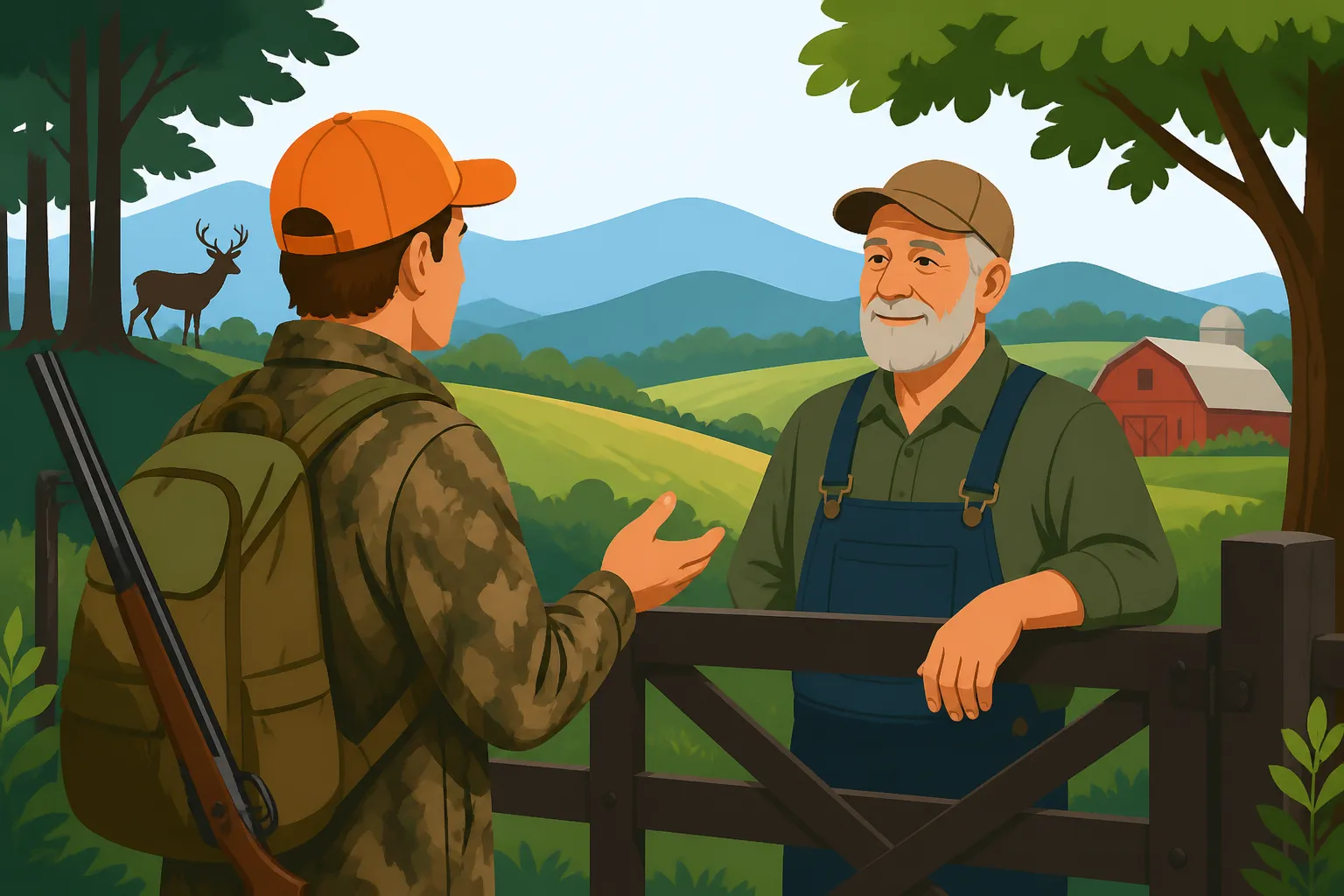
When you get the chance to speak, have a clear, concise "elevator pitch" ready. Start by introducing yourself by name and explaining where you live. Immediately state your purpose politely: "Hello, Mr./Ms. [Farmer's Name], my name is [Your Name], and I was wondering if you might consider allowing me to hunt deer on your property this season." Then, explain why you chose their property. Maybe you’ve noticed significant deer activity, or you’ve seen their crops are being impacted. This shows you’ve done your homework.
Crucially, offer solutions to their potential problems. If you've observed significant deer damage in their Entry Routes Through Standing Soybeans or their cornfields, mention that you'd be happy to help reduce the deer population. If you're seeing signs of Crop Damage Hogs Cause in Virginia, offer to help manage those as well. Emphasize that you are a safe, ethical hunter who respects property and rules. Be ready to answer questions about your experience, your hunting style, and your understanding of local regulations. Keep it brief, respectful, and focused on how you can benefit them.
Preparing Your Hunting Resume
While it might sound formal, having a sort of "hunting resume" can really set you apart. This isn't a fancy printed document, but rather a collection of things you can readily provide to build trust. Always have your current Virginia hunting license and big game tags readily available, either a physical copy or on your phone through the Go Outdoors Virginia app. It shows you're legal and prepared. Your hunter education certification card is another excellent piece of proof that you've been formally trained in safety and ethics.
Consider carrying proof of liability insurance, if you have it. While not required by law for hunters, some personal umbrella policies can offer protection, and presenting this can alleviate a farmer's major concern. If you have any references—perhaps from other landowners you’ve hunted with responsibly, or even local DWR wardens or respected community members—be prepared to offer their contact information. Lastly, having a general plan for how you intend to hunt can be helpful. For example, "I primarily bowhunt from a treestand, and I'm very careful about my entry and exit routes to avoid disturbing your livestock or family." This demonstrates thoughtfulness and forethought.
Building Trust and Setting Expectations
Getting initial permission is just the first step. The real success lies in cultivating a long-term relationship based on trust and clear communication. This means more than just being a good hunter; it means being a good steward of their land and a reliable individual. Many landowners would rather have a respectful, less-experienced hunter than an expert who causes problems.
The Importance of a Written Agreement
While not always necessary for informal arrangements, a written agreement is highly recommended, especially for new access or if you plan to hunt extensively. This document doesn't have to be a legal novel; a simple, clear agreement drafted by both parties can define the terms of access. It should clearly outline the specific dates you're allowed to hunt, the exact areas of the property where hunting is permitted, and the type of game you're after. For instance, "deer and turkey only, no small game."
The agreement should also cover rules for guests, vehicle access, where to park, and what to do in case of a harvested animal or an emergency. Having contact information for both parties is essential. This agreement protects both you and the landowner. It sets clear expectations and minimizes misunderstandings down the road. It clarifies what is permissible under Virginia Trespass and Permission Law and directly answers the question, Do You Need Written Permission in Virginia?, by providing it! This document ensures everyone is on the same page, preventing awkward conversations or conflicts later.
Respecting Boundaries and Rules
This point cannot be stressed enough: follow every rule the landowner sets, even if it seems minor or inconvenient to you. If they say no driving on fields, even if it's dry, then you walk. If a gate needs to be closed, close it, every single time. Never assume anything. Always ask if you're unsure. This includes staying out of areas they designate as off-limits, whether it's around their house, near livestock, or specific fields. Your adherence to these rules builds immense trust.
Communication is key here. If you plan to hunt, let them know when you’ll be there. If you harvest an animal, inform them promptly. If you notice anything unusual on their property, like a downed fence or suspicious activity, report it to them. This consistent communication shows respect and reinforces your role as a responsible individual who genuinely cares for their property. Remember, a landowner's rules are often born from experience, safety concerns, or their own farm operations. Disregarding them shows a lack of respect for their expertise and their property.
Offering Value Beyond the Harvest
A truly successful private land hunting relationship goes beyond just the hunting itself. It's about becoming a valuable presence on their property. This could mean offering to help with small, non-strenuous farm tasks when you’re there. Maybe it’s helping pick up trash, checking a fence line, or delivering a package from their mailbox. These gestures show you’re not just there to take, but to contribute.
Sharing some of your harvest, whether it's a venison roast or a wild turkey breast, is another wonderful way to show appreciation and build goodwill. It's a tangible way to thank them for the opportunity and share the fruits of the land. Similarly, if you're running trail cameras, offer to share interesting photos with them, especially if it captures unique wildlife or even anything out of the ordinary that they should be aware of. Being a watchful eye for their property, reporting anything suspicious, or even just having a friendly chat over coffee can solidify your standing as a trusted individual. This kind of give-and-take creates a much stronger bond than simply asking for permission and disappearing until opening day.
Leveraging Technology and Resources
In today's world, hunters have access to incredible tools that can give them a significant edge, not just in scouting, but also in approaching landowners. Using these resources wisely can show a farmer that you're prepared, thoughtful, and professional.
Using Mapping Tools for Scouting and Contact
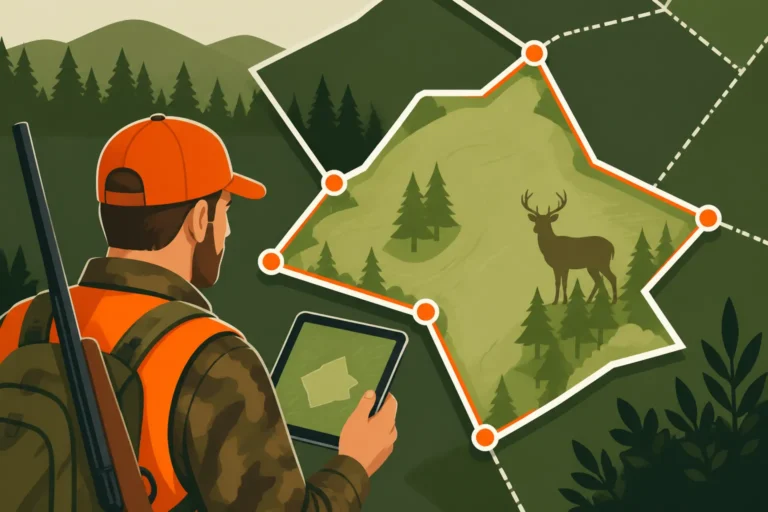
Modern mapping applications like onX Hunt and GoHunt are game-changers for identifying potential hunting properties and their owners. Before you ever knock on a door, you can use these apps to zoom in on promising tracts of land, analyze habitat features like timber edges, creek bottoms, and fields, and even locate specific food sources like oak ridges or Late-Season Food Sources for Virginia Whitetails. This kind of pre-scouting shows you're serious and knowledgeable.
More importantly for securing permission, these apps can often display property boundaries and identify the landowner's name and sometimes even contact information. Knowing the owner's name when you approach them is a small but powerful detail that shows respect and preparation. You can also use these tools to create a visual representation of the areas you'd like to hunt, which can be shared with the landowner during your discussion, providing a clear visual aid for your agreement. This is far more professional than vague descriptions and helps prevent misunderstandings about where you plan to be. Learning to effectively use tools like Finding Virginia Property Lines can be invaluable.
The Virginia Department of Wildlife Resources DWR Resources
The Virginia Department of Wildlife Resources (DWR) is an excellent resource for both hunters and landowners. While you won't be using DWR permits to gain access, understanding programs like the Virginia Deer Damage Permits for Farmers can inform your approach. Farmers facing significant agricultural damage from deer can apply for these permits to increase harvest numbers, and your offer to help them achieve this goal can be a strong selling point.
Additionally, the DWR website provides a wealth of information on regulations, season dates, and ethical hunting practices. Being well-versed in these topics demonstrates your commitment to legal and responsible hunting, which will certainly impress any landowner. You can also find general information about Virginia Deer Population Estimate and specific county harvest data, allowing you to speak intelligently about deer management in their area.
Dos and Don'ts When Asking for Permission
Here’s a quick summary to keep in mind when you’re ready to make that important ask:
| DO | DON'T |
|---|---|
| Dress neatly and respectfully | Show up in full camo or dirty clothes |
| Choose an appropriate time (off-season) | Interrupt during busy farm work |
| Introduce yourself clearly | Assume they know who you are |
| State your intentions politely and directly | Beat around the bush or be vague |
| Offer to help with deer/hog damage | Only focus on your desire to hunt |
| Listen attentively to their concerns | Argue or dismiss their worries |
| Have your license/hunter ed card ready | Show up unprepared or without ID |
| Offer to sign a written agreement | Expect unrestricted access |
| Follow ALL their rules, no exceptions | Push boundaries or test their limits |
| Say thank you and offer to help | Disappear after the hunt |
| Scout property boundaries beforehand with onX Hunt | Trespass to "scout" before asking |
Asking a Virginia farmer for permission to hunt is a journey of relationship building, not a single transaction. It requires patience, respect, and a genuine understanding of their perspective. By presenting yourself as a responsible, ethical hunter who values their land and their concerns, you dramatically increase your chances of not only gaining access but fostering a lasting, mutually beneficial relationship that goes far beyond the hunting season. Good luck out there, and happy hunting!
Disclaimer
This article is for general informational purposes only and does not constitute professional advice. Laws, prices and regulations vary by location and change over time. Consult a qualified professional for guidance on your specific situation.