Virginia Deer Population Estimate
One of the most common questions I hear from fellow hunters, year after year, is about the deer population. We all spend countless hours in the woods, scouting, hunting, and observing, and sometimes it feels like the numbers just aren't adding up to what we expect or hope for. This comprehensive guide is here to unravel the complexities of Virginia's deer population estimate, diving deep into how these numbers are calculated, what factors influence them, and how you, as a hunter, play a crucial role in the big picture.
Understanding Virginia's Deer Population Dynamics
It’s easy to feel like the deer herd is either booming or busting in your particular neck of the woods, but the reality across an entire state as diverse as Virginia is far more nuanced. What you see on your five-acre lease might be vastly different from what’s happening in a sprawling national forest or a suburban archery zone. The Virginia Department of Wildlife Resources (DWR) works tirelessly to get a handle on these numbers, not just for hunters, but for ecosystem health and agricultural considerations too.
Why Population Estimates Matter to Hunters
For us hunters, population estimates aren't just dry statistics; they are the bedrock of hunting regulations. These numbers directly influence everything from statewide season lengths and opening dates to specific county bag limits and the availability of antlerless tags. When the DWR has a solid grasp on the deer population, they can make informed decisions that aim to strike a balance: providing ample hunting opportunities while ensuring the long-term health and sustainability of the deer herd.
Think about it: if the population is seen as too high in a certain area, you might see extended seasons or increased antlerless opportunities to help thin the herd and mitigate crop damage or disease spread. Conversely, if numbers appear to be dipping, seasons might be shortened, or buck limits adjusted to allow the population to rebound. It’s a delicate dance, and sometimes, our personal observations don't align with the broader data, leading to understandable frustration. We might feel like we're not seeing enough deer, while the DWR's models suggest a healthy or even overpopulated local herd. Understanding the scientific basis helps bridge that gap, even if it doesn't always make us feel better about a slow hunting season.
The Virginia Department of Wildlife Resources (DWR) Approach
Counting deer across a state like Virginia – with its vast mountain ranges, dense Piedmont forests, and expansive Tidewater swamps – is a monumental task. You can’t just go out and count every single deer! Instead, DWR uses a combination of scientific methods and data points to create robust population models.
The primary tools in their arsenal include:
- Harvest Data: This is perhaps the most crucial piece of the puzzle. Every time a hunter checks in a deer, that data point is recorded. The DWR collects information on the date, location (county), sex, and often age of the harvested deer. Over time, these harvest numbers provide a critical index of deer abundance and reproductive success.
- Deer-Vehicle Collisions (DVCs): Believe it or not, the number of deer hit by cars serves as a reliable indicator of deer density in certain areas. Where DVCs are high, it often suggests a higher deer population interacting more frequently with human infrastructure.
- Fawn Recruitment Rates: This involves assessing how many fawns survive to join the adult population. It’s calculated through various means, including field observations, age data from harvested deer (e.g., proportion of yearlings in the harvest), and even specific fawn survival studies. A healthy fawn recruitment rate means the herd is reproducing successfully.
- Spotlight Surveys (where applicable): In some areas, DWR staff might conduct nighttime spotlight surveys along predetermined routes to directly count deer. While not always feasible statewide, these can provide localized density estimates and help calibrate other data.
- Citizen Reports: While less scientific, reports from landowners about crop damage or deer sightings can also contribute to the overall picture, especially in localized management efforts.
The challenge, of course, is that each method has its limitations. Harvest data, for instance, is only as good as hunter compliance with reporting rules. DVCs can be influenced by traffic volume, not just deer numbers. By triangulating all these different data sources, the DWR attempts to create the most accurate statewide and regional population estimates possible, guiding their management strategies.
Regional Differences in Deer Density
Virginia is incredibly diverse geographically, and so is its deer herd. It's not a uniform landscape, and neither are the deer numbers you'll encounter from one end of the state to the other. This regional variation is a key aspect of understanding the overall population estimate.
East Versus West of the Blue Ridge
One of the most significant divides in Virginia deer management is the Blue Ridge Mountains. This natural boundary creates two distinct ecological zones, and the deer populations within them reflect those differences dramatically.
-
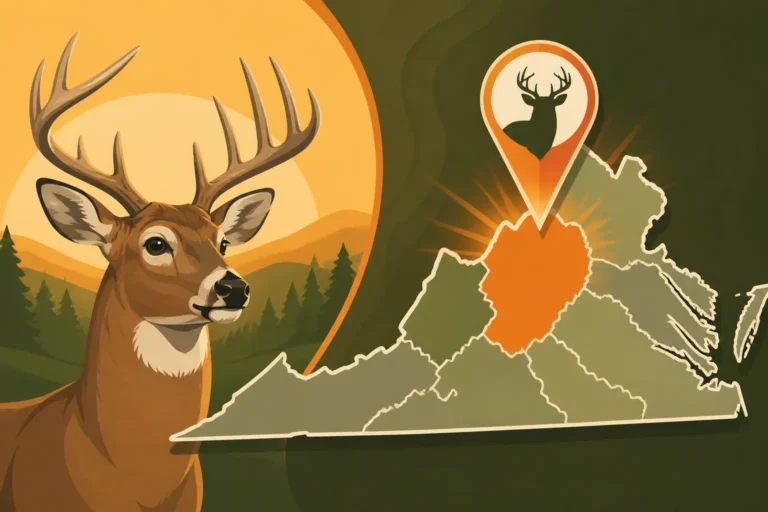
East of the Blue Ridge: This region, encompassing the vast Piedmont and coastal plain (Tidewater), generally boasts higher deer densities. Why? Because this is where the agriculture thrives. Expansive fields of corn, soybeans, and peanuts provide an endless buffet for deer, leading to robust populations and often higher body weights. The patchwork of woodlots, fencerows, and suburban green spaces also creates ideal deer habitat, offering cover close to food sources. For hunters in the East, like those in the fertile counties of Mecklenburg, Southampton, or Powhatan, seeing multiple deer in a day is quite common, and the challenge often shifts from finding deer to being selective. This abundance is a major reason why the eastern region has different bag limits, allowing for more antlerless deer to be harvested to keep populations in check. If you're looking for detailed information on the specific regional differences, check out our guide on Deer Density East and West of the Blue Ridge.
-
West of the Blue Ridge: Head west into the rugged Appalachian Mountains, including the George Washington and Jefferson National Forests, and the picture changes. Here, the habitat is characterized by vast, unbroken timberland, steeper terrain, and generally poorer soil quality compared to the Piedmont. While mast crops like acorns are vital, the overall carrying capacity for deer is lower. You won't find the sprawling agricultural fields providing consistent nutrition. Consequently, deer densities are typically lower, deer tend to be smaller in body size, and hunting often requires more effort to find animals. However, this region can produce some impressive bucks, often older due to lower hunting pressure in remote areas. For hunters who enjoy a more challenging, wilderness-style hunt, the western region offers a different kind of reward, even if deer sightings are less frequent.
Understanding this fundamental East-West split is crucial because it informs DWR's management zones and bag limits, directly impacting how and where we hunt.
Pockets of High and Low Density
Beyond the broad East-West divide, Virginia is also a mosaic of micro-habitats that create localized pockets of high and low deer density. You might have a low-density mountain county right next to a valley with incredibly high numbers.
-
High-Density Pockets: These often occur in areas with abundant food and cover, coupled with reduced hunting pressure.
- Urban Archery Zones: Perhaps the most surprising high-density areas are Virginia's urban archery zones. In places like Fairfax County, Roanoke, or even parts of Virginia Beach, deer populations can be incredibly high. Suburban landscapes offer plentiful ornamental plantings, gardens, and small woodlots that provide constant food and sanctuary, often with very little traditional hunting pressure. This leads to deer that are often less wary and accustomed to human presence. The DWR established specific urban archery seasons to address overpopulation and associated issues like DVCs and landscape damage in these areas. For more on this unique opportunity, our guide on Urban Archery Hunting in Virginia Cities is a great resource.
- Agricultural Hotspots: Certain farming communities, particularly in the Piedmont, where deer have access to endless protein-rich crops, can sustain extremely high populations. Farmers often report significant crop damage, leading to liberal antlerless harvest opportunities.
- Managed Private Lands: Properties with extensive food plots and strict harvest management (e.g., QDM programs) can also create localized deer paradises.
-
Low-Density Pockets: These areas are typically characterized by factors that limit deer survival or reproduction.
- Heavily Hunted Public Lands: Some easily accessible public lands, especially near population centers, can experience significant hunting pressure, which can drive deer to more remote areas or keep overall densities lower.
- Poor Habitat Quality: Areas with monoculture forests, lack of diverse forage, or poor soil can’t support as many deer. Large, unbroken mature timber stands, for example, don't offer the same browse opportunities as a diverse younger forest.
- Disease or Predator Outbreaks: Localized outbreaks of diseases like EHD or areas with high coyote or bear populations impacting fawn recruitment can temporarily depress deer numbers.
As hunters, recognizing these localized variations is key to success. Don't let a "low" statewide estimate deter you from a "high" density pocket, and vice-versa. Scouting and understanding local conditions are paramount.
Factors Influencing Virginia's Deer Numbers
Deer populations are not static; they are constantly ebbing and flowing, responding to a complex interplay of environmental factors. It's a dynamic system, and understanding these influences helps us appreciate the challenges of managing such a prolific game animal.
Habitat, Food, and Weather
The health and abundance of a deer herd are inextricably linked to the quality and quantity of its habitat. Deer, like all wildlife, need food, water, and cover to survive and thrive.
-
Food Availability: This is arguably the biggest driver of deer populations.
- Mast Crops: Acorns are the quintessential deer food in Virginia's forests. Good mast years, especially for hard mast like white oak acorns, mean deer enter winter in excellent condition, leading to higher fawn survival and healthier does and bucks. Conversely, a poor acorn year can spell trouble, forcing deer to rely on less nutritious forage, stressing their systems, and potentially reducing fawn recruitment the following spring. Soft mast, like persimmons, apples, and wild grapes, also provides vital nutrition, especially in early fall.
- Agricultural Crops: In the Piedmont and Tidewater, agricultural fields provide an unparalleled food source. Deer will readily consume corn, soybeans, wheat, and peanuts, often leading to rapid population growth in these areas. The proximity of these food sources to dense cover makes for ideal deer living.
- Browse and Forbs: Beyond mast and agriculture, deer rely heavily on woody browse (twigs and leaves of shrubs and young trees) and various forbs (broad-leafed plants). Timber management practices, such as clear-cutting or prescribed burning, can create abundant new browse, temporarily boosting deer numbers in those areas.
-
Cover: Deer need safe places to bed, escape predators, and shelter from harsh weather. Thick regenerating clear-cuts, dense pine plantations, swampy bottoms, and even suburban thickets provide crucial cover. The more fragmented the landscape, the more critical these pockets of cover become.
-
Weather Patterns: Extreme weather can significantly impact deer survival.
- Severe Winters: While Virginia winters are generally mild compared to more northern states, prolonged periods of deep snow and bitter cold can stress deer, especially fawns and older animals. This can lead to increased mortality and reduced reproductive success.
- Droughts: Extended dry spells can reduce the availability of succulent forage and impact mast production, forcing deer to travel further for food and water, increasing their energy expenditure.
- Flooding: In low-lying areas, significant flooding can displace deer from their habitat, potentially leading to increased DVCs or localized mortality.
The cyclical nature of these factors means that deer numbers are never truly static. A fantastic mast year combined with a mild winter can lead to a population surge, while the opposite can cause a dip. Hunters keen on understanding these cycles often pay close attention to environmental cues, helping them predict where deer might be concentrated. For those hunting into the colder months, understanding Late-Season Food Sources for Virginia Whitetails is crucial when natural mast has dwindled.
Predation and Disease
While habitat and food are primary drivers, predators and diseases also play a significant, though often more localized, role in shaping Virginia's deer population.
-
Predation:
- Coyotes: These opportunistic predators are now ubiquitous across Virginia. While a healthy adult deer can often outrun a coyote, fawns are particularly vulnerable. Studies have shown that coyotes can have a noticeable impact on fawn recruitment rates, especially in areas with already stressed deer populations or poor fawn cover. They are not typically a primary driver of overall population decline, but they certainly play a role in natural selection and can influence local deer densities.
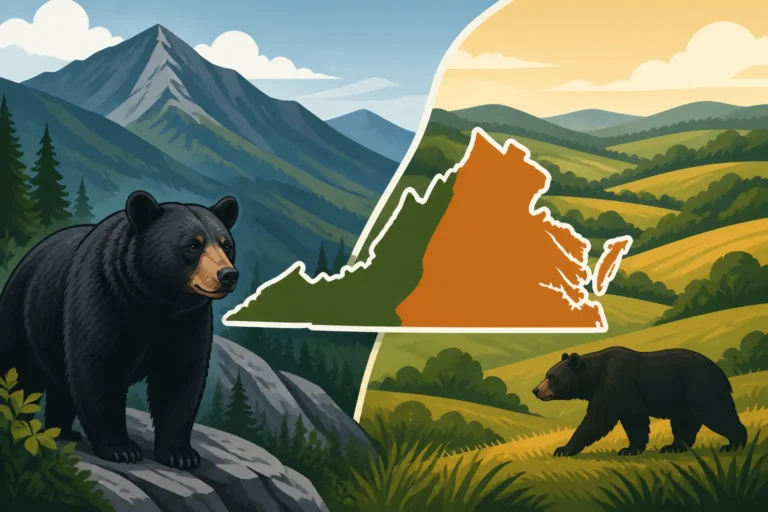
- Black Bears: While primarily omnivores, black bears are known to prey on fawns, especially during the spring birthing season. In areas with high bear populations, like parts of the Blue Ridge or Great Dismal Swamp, this can add another layer of pressure on young deer.
-
Disease: Diseases can be far more impactful on deer populations, sometimes causing rapid and widespread mortality.
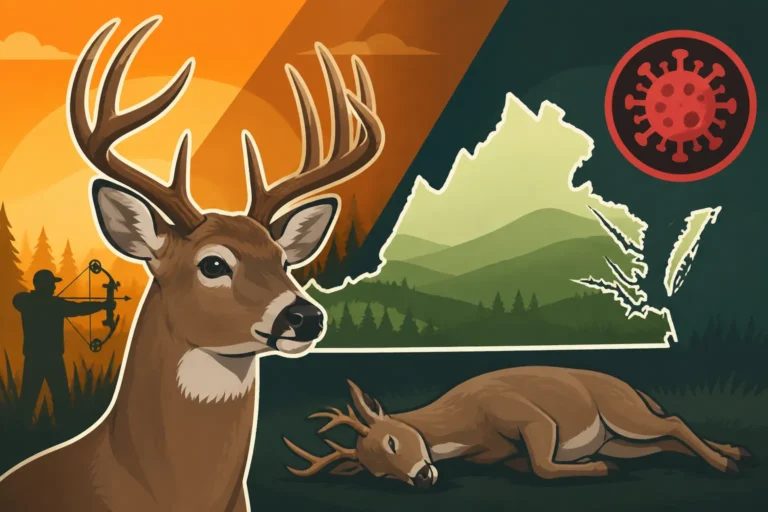
- Epizootic Hemorrhagic Disease (EHD): EHD is a viral disease transmitted by biting midges (no-see-ums) that can cause significant die-offs in deer populations. It's often seen in late summer and early fall, particularly during drought conditions when deer congregate near limited water sources, facilitating transmission. Symptoms include fever, swelling of the head, neck, and tongue, and internal hemorrhaging. While devastating in the short term for localized herds, EHD typically doesn't cause long-term population decline because deer in affected areas often develop immunity. However, it can certainly explain a sudden drop in deer sightings in your favorite hunting spot for a season or two. You can learn more about this by reading about EHD Die-Offs in Virginia Deer.
- Chronic Wasting Disease (CWD): CWD is a highly contagious, fatal neurological disease affecting deer and other cervids. Unlike EHD, it's always fatal, and its presence can lead to long-term population management challenges. The DWR takes CWD very seriously, implementing strict monitoring, testing, and carcass movement restrictions, particularly in designated Disease Management Areas (DMAs) in the Shenandoah Valley and Northern Virginia. As the disease spreads, it can have a more sustained impact on deer populations and alter hunting regulations, such as mandatory testing and restrictions on supplemental feeding. It's a big concern for the future of our deer herd, and we have a comprehensive guide on Chronic Wasting Disease Risk in Virginia that every hunter should read.
- Other Diseases: Other less common diseases or parasites can also affect deer health, though usually not on a population-wide scale.
The DWR closely monitors both predation impacts and disease prevalence to understand their role in overall deer population dynamics and to inform their management strategies.
How Hunters Contribute to Population Management
As hunters, we're more than just participants in the hunting season; we're active partners in wildlife management. The data we provide and the choices we make in the field are absolutely critical to the DWR's ability to accurately estimate deer populations and manage the herd effectively.
Harvest Data and Mandatory Reporting
This cannot be stressed enough: your role in reporting harvested deer is paramount. Every deer you check in provides the DWR with vital information that feeds directly into their population models. Without accurate harvest data, their estimates become less reliable, and management decisions become more challenging.
Here's why it's so important:
- Population Indices: The total number of deer harvested each year, broken down by county, sex, and age class, is the most direct indicator of deer abundance and reproductive success. If harvest numbers are consistently high, it suggests a robust population. If they dip, it might signal a decline.
- Sex Ratios: Reporting the sex of the deer helps the DWR understand the buck-to-doe ratio in different areas, which is crucial for herd health and breeding success. An unbalanced ratio can lead to problems like reduced fawn recruitment or a younger age structure in bucks.
- Age Structure: While not always required for every deer, collecting age data from a sample of harvested deer helps the DWR understand the age structure of the herd. A healthy population will have a good mix of age classes, indicating strong survival rates.
- Spatial Distribution: Reporting the county of harvest helps identify localized hotspots or areas of concern. For example, if harvest numbers suddenly spike in a new area, it could indicate population expansion or increased localized pressure.
Virginia has mandatory deer reporting requirements for a reason. You can report your deer quickly and easily through the Go Outdoors Virginia website, their mobile app, or by phone. It's a quick process, but many hunters, myself included, sometimes forget or delay, especially after a long, cold drag out of the woods. However, it's a non-negotiable step in responsible hunting. Make it a habit – as soon as you get that deer out, get it reported. Our guide on Virginia Deer Reporting Requirements has all the details on how and when to do it.
Bag Limits and Antlerless Opportunities
Virginia's diverse bag limits are a direct reflection of varying deer populations and management goals across the state. They are designed not to restrict hunters unnecessarily, but to manage local herds towards specific objectives.
- Differential Bag Limits: As we discussed with the East vs. West of the Blue Ridge, the DWR sets different buck and antlerless limits based on regional population densities. In high-density areas (predominantly east of the Blue Ridge), hunters often have more liberal antlerless opportunities and may be able to take more bucks, sometimes requiring an antlerless deer to be taken before a third buck. Conversely, in lower-density mountain counties, buck limits might be more restrictive, and antlerless opportunities more limited. Understanding these rules is essential for legal and ethical hunting, and our article East Versus West of the Blue Ridge Bag Limits breaks it all down.
- Antlerless Harvest: Taking antlerless deer (does) is the most effective tool for managing and controlling deer population growth. Does are the reproductive engine of the herd. By harvesting does, hunters directly impact the number of fawns born in subsequent years. This helps keep the population in balance with its habitat, reduces pressure on food sources, and can prevent the spread of disease. It also often leads to healthier deer overall, including bigger-bodied and older-aged bucks, as competition for resources is reduced. While it might not always be the trophy buck we dream of, harvesting does is a critical responsibility for every hunter.
- Bonus Tags: In some counties or urban archery zones, the DWR may offer bonus antlerless tags or extended antlerless seasons to further encourage harvest and reduce overpopulation. These opportunities are direct responses to DWR's population estimates indicating a need for greater control.
It’s crucial to view bag limits not as arbitrary restrictions, but as flexible tools designed to maintain a healthy, sustainable deer herd for generations to come. Every deer we choose to harvest, and especially the does, plays a part in this ongoing management effort.
The Current State of Virginia's Deer Herd (and Using Tools Like GoHunt)
So, what's the verdict on Virginia's deer herd today? It's a story of regional success and ongoing challenges, influenced by all the factors we've discussed. But more than ever, hunters have access to data and tools that can help them understand these trends and make more informed decisions.
Overall Health and Trends
Virginia's deer population is generally healthy and robust, especially when viewed statewide. While there are certainly local fluctuations, and some areas face unique challenges (like CWD in the Shenandoah Valley), the DWR's long-term management strategies have largely been successful in maintaining a sustainable and huntable deer herd.
- Overall Population Trend: For many years, Virginia's deer population steadily increased, peaking in the early 2000s. Since then, it has largely stabilized or seen slight declines in certain areas as DWR and hunters worked to bring numbers more in line with habitat carrying capacity and reduce conflicts. The most recent DWR reports generally indicate a stable to slightly decreasing statewide population, reflecting a concerted effort to balance herd numbers. While exact Virginia Deer Herd Size can fluctuate, the overall trend points to a well-managed population.
- Harvest Numbers: The annual deer harvest in Virginia remains consistently high, often exceeding 200,000 deer annually. This indicates a strong, productive herd capable of sustaining significant harvest pressure. While statewide harvest numbers are important, the DWR meticulously tracks harvest down to the county level, allowing for localized management adjustments. You can find detailed breakdowns of these figures in the Virginia Annual Deer Harvest reports.
- Management Goals: The DWR's overarching goal is to maintain a deer population that is healthy, ecologically balanced, and provides ample recreational opportunities for hunters, while minimizing negative impacts on agriculture and property. This involves adaptive management, continually adjusting regulations based on new data, research, and public input.
While you might not always see the "biggest buck" or the "most deer" in your specific hunting area, the statewide picture is one of success. However, that doesn't mean there aren't areas where we could improve, or where new threats like CWD demand our vigilance.
Empowering Hunters with Data and Technology
In today's digital age, hunters are more empowered than ever to access the data and tools needed to understand deer populations and make more strategic hunting decisions. You don't have to be a DWR biologist to interpret trends.
- DWR Resources: The Virginia DWR provides a wealth of information directly on their website, including annual harvest reports, CWD updates, and interactive mapping tools. Their mobile app, which allows you to check in deer, also often provides access to localized data. Using tools like the Scouting With the Virginia DWR App can give you a significant advantage.
- Mapping Platforms: Beyond DWR's direct resources, commercial mapping platforms have revolutionized how we scout and plan our hunts. Services like GoHunt provide detailed satellite imagery, land ownership maps, and often overlay public hunting land boundaries and even habitat data. You can use these platforms to analyze potential bedding areas, food sources, and travel corridors, even before setting foot in the woods. By cross-referencing DWR data with satellite imagery on GoHunt, you can start to understand why deer populations might be higher or lower in specific areas, allowing you to focus your efforts. A tool like GoHunt can visually bring to life the habitat variations that influence deer density.
- Data Analysis: Platforms like GoHunt and even basic spreadsheets allow you to compile and analyze harvest data for your specific hunting area or county over several years. Are the antlerless harvests consistent? Is the buck age structure improving? Are there any patterns in deer movement relative to food sources or hunting pressure? By taking a few minutes to look at these trends, you can gain a deeper understanding of the local herd dynamics. This type of analysis, supported by visual tools on GoHunt, can transform your hunting strategy from guesswork to an informed, data-driven approach.
Ultimately, being an informed hunter means understanding not just the regulations, but the science and the data behind them. By actively engaging with DWR resources and utilizing powerful tools like GoHunt, you're not just a hunter; you're a vital participant in the ongoing conservation and management of Virginia's cherished deer herd.
Disclaimer
The information provided in this guide is for general informational purposes only and is not intended as legal advice. Hunting regulations, seasons, and licensing requirements in Virginia are subject to change. Always consult the official Virginia Department of Wildlife Resources (DWR) regulations or their website for the most current and accurate information before planning any hunting activity. Failure to comply with all applicable laws and regulations can result in penalties.