Virginia State Park Deer Quota Hunts
It’s easy to look at Virginia’s beautiful state parks and think they’re just for hiking, camping, or a peaceful paddle on the lake. Many hunters, myself included, have overlooked these gems for years, missing out on some truly unique and often high-quality deer hunting opportunities. The frustration of trying to find less-pressured public land can be real, but these special quota hunts in state parks can be a fantastic alternative. This guide is here to pull back the curtain on Virginia State Park deer quota hunts, walking you through why they exist, how to get in, and what to expect when you finally get that coveted permit.
Understanding Virginia State Park Quota Hunts
Virginia State Parks, managed by the Department of Conservation and Recreation (DCR), are first and foremost for public recreation. However, deer populations within many of these parks, left unchecked, can grow to unsustainable levels. This overpopulation leads to significant habitat damage, negatively impacting native plant communities and the health of the deer herd itself. That's where hunters come in, acting as vital conservation partners.
Why State Parks Host Deer Hunts
The decision to host deer hunts in state parks isn't taken lightly; it’s a carefully considered wildlife management strategy. When deer numbers exceed what the local habitat can support, you start seeing the tell-tale signs: a browse line appearing on shrubs and trees, reduced forest regeneration, and a general decline in the overall health of the deer. The Virginia Department of Wildlife Resources (DWR) often advises the state parks on these population dynamics, helping them to determine when and where a managed hunt is necessary.
These hunts serve multiple purposes. Primarily, they help control deer populations to a healthy level, mitigating habitat degradation and reducing conflicts with park visitors (like deer eating ornamental plants in camping areas). They also provide an excellent opportunity for hunters to participate in conservation and harvest deer in often beautiful, well-maintained environments. Think of it as a win-win: healthy ecosystems and unique hunting experiences.
The Quota System Explained
Unlike the vast expanses of our national forests or even some Wildlife Management Areas (WMAs), hunting in state parks operates under a strict quota system. This means that only a limited number of hunters are allowed into the park for specific dates and often for particular weapon types. This controlled access is crucial for maintaining visitor safety, minimizing disruption to other park activities, and ensuring a quality hunting experience.
The core of the system is typically a lottery draw. Hunters apply within a specific window, and then names are drawn randomly to fill the available slots. This keeps the playing field fair for everyone. You might find hunts designated for archery, muzzleloader, or general firearms, depending on the park's size, layout, and specific management needs. This isn't your everyday walk-on public land hunting; it's a planned, structured event designed for effective management and hunter enjoyment. It’s a completely different ballgame than just showing up on opening day to a typical Public Hunting Land in Virginia area.
What Makes State Park Hunting Unique
Hunting in a Virginia State Park offers a distinct experience compared to hunting larger public tracts. For one, many state parks are smaller, more contained properties, meaning deer movements can sometimes be more predictable within their boundaries. The landscapes are often meticulously managed, which can create excellent habitat pockets that concentrate deer. You might find well-defined food sources, dense bedding areas, and clear travel corridors, all within a relatively compact area.
However, this uniqueness also comes with its own set of challenges and rules. Safety is paramount, given the potential proximity to park facilities and non-hunting visitors. Expect more specific regulations regarding stand placement, retrieving game, and even how you enter and exit the hunting area. You’ll definitely want to refer to the individual park’s rules and the DWR’s regulations. For example, while you might find yourself glassing a powerline cut in a national forest, in a state park, you might be setting up against a mature oak line bordering an old field, paying close attention to every detail.
Navigating the Application Process and Requirements
The most crucial step to participating in a Virginia State Park deer quota hunt is understanding the application process. It’s not always straightforward, but with a little planning, you can ensure you’re ready when those windows open.
Finding Available Quota Hunts
Your primary resource for discovering these opportunities will be the Virginia DWR website and the Virginia State Parks website. These sites typically list all upcoming quota hunts, including specific dates, weapon types, and the parks involved. It's really important to keep an eye on these portals, as application windows are often announced months in advance and have strict deadlines. You definitely don’t want to miss the boat!
When looking, pay close attention to the details. Some hunts might be archery-only, others muzzleloader, and some might even be rifle hunts, though these are typically more restricted in state parks. You can often filter by park location or even desired hunt dates. The Virginia Quota Hunt Application Window post delves into this in more detail for DWR-managed hunts, and many of those principles apply here as well. Setting calendar reminders is a savvy move to make sure you're ready to apply.
The Application and Draw System
Most quota hunt applications, including those for state parks, are processed through the Go Outdoors Virginia online platform. This system is designed to streamline the application process, but it requires you to be proactive. You’ll typically need to create an account if you don't already have one, then navigate to the specific quota hunt section. The application will ask for your personal details, preferred hunt choices, and payment for any application fees. These fees are usually nominal and cover the administrative costs of running the lottery. Remember, while you might hear about preference points for other DWR quota hunts, state park draws are generally a straight lottery, meaning everyone has an equal chance each year, regardless of how many times they've applied before.
Once the application window closes, the DWR conducts a random draw. Successful applicants are usually notified by email or through their Go Outdoors Virginia account. It’s always a good idea to double-check your account around the notification period, just in case. Don't be discouraged if you don't get drawn on your first try; the Virginia Quota Hunt Draw Odds can vary significantly depending on the popularity of the park and the number of available slots. Persistence is key!
Essential Licenses and Permits
Before you even think about applying, you’ll need to ensure you have all the necessary Virginia hunting licenses and permits. At a minimum, this includes a valid Virginia hunting license and a big game license. For specific details on costs and options, check out Virginia Hunting Licenses and What They Cost. If you’re a new hunter or an apprentice, be aware of the specific hunter education requirements. Virginia mandates hunter education for certain age groups and first-time license purchasers, so make sure you’re compliant well before the season.
Additionally, always read the specific rules for the state park hunt you apply for. Some parks might require a special access permit or have unique check-in/check-out procedures. For firearm hunts, Virginia's blaze orange requirements are critical; hunters typically need to wear a minimum amount of blaze orange or blaze pink during general firearms seasons, and this requirement almost certainly extends to any firearm hunts within a state park. Always carry your licenses and permits, whether physical copies or easily accessible on your phone, as park rangers and DWR officers will check them.
Strategies for a Successful State Park Hunt
Getting drawn for a state park quota hunt is just the first step. Success in these unique environments often comes down to meticulous preparation and adapting your hunting strategies to the specific characteristics of the park.
Pre-Hunt Scouting and Preparation
Once you know you have a permit, the real work begins. Your first move should be to thoroughly review the park's specific hunting map and rules. Pay close attention to designated hunting areas, safety zones (areas off-limits to hunting, usually near park facilities or trails), and any restrictions on scouting. Some parks may allow walk-in scouting prior to the hunt, while others may restrict it to the hunt days themselves.
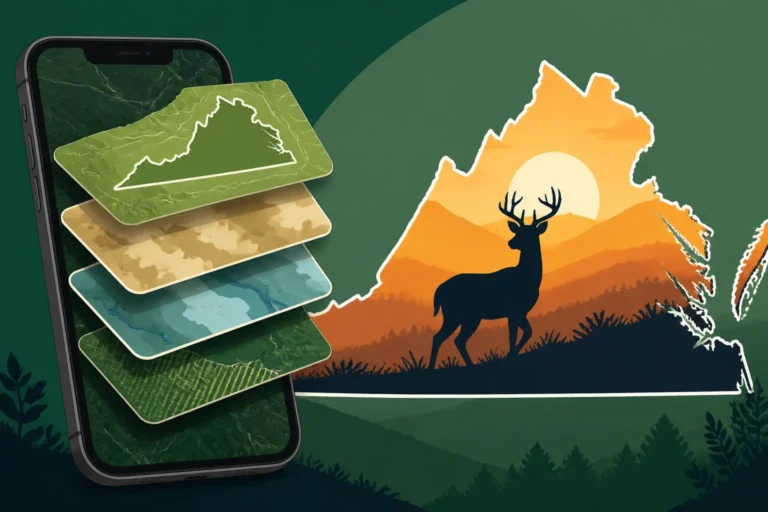
Utilize mapping tools like onX Hunt to study the topography, identify potential bottlenecks, locate water sources, and pinpoint different habitat types. Look for natural funnels, ridge lines, and thick cover where deer might be bedding. Even if you can’t physically scout, digital scouting with tools like onX Hunt can give you a significant advantage. Focus on identifying potential food sources within the park boundaries, like oak flats, persimmon trees, or browse areas. For more general advice, consult Scouting Virginia Public Land Before Season. Understanding deer movement patterns within these managed landscapes is crucial.
Adapting to State Park Environments
Hunting in a state park requires a slightly different mindset than tackling vast national forests. While the quota system means fewer hunters, deer in these areas can still be wary due to regular human presence from non-hunting park users. This means your approach and stand placement need to be subtle and strategic.
Consider low-impact hunting methods. If allowed, using a lightweight, portable tree stand or saddle system (like those discussed in Saddle Hunting in Virginia Hardwoods or Portable Stands for Public Land Mobility) can offer flexibility in setting up away from well-used trails. Ground blinds can also be effective, especially if you can brush them in naturally, but always check park regulations on their use. Pay extra attention to wind direction, thermals, and your entry and exit routes to avoid spooking deer and minimize your impact on the area. Remember, you might be closer to other park users than you’re used to, so silence and awareness are paramount. While the rules for general public land regarding Treestand Rules on Virginia Public Land provide a baseline, state parks might have additional specifics.
Post-Harvest Procedures and Regulations
Successfully harvesting a deer in a state park quota hunt is an exciting moment, but it's important to remember that specific procedures still apply. First and foremost, you must adhere to all Virginia DWR deer checking requirements. This often involves reporting your harvest through the Go Outdoors Virginia app or website within a specified timeframe. The post Virginia Deer Reporting Requirements provides a comprehensive guide on this.
Additionally, be prepared for game retrieval. While some state parks might allow limited vehicle access for retrieval in certain areas, many will require you to drag or pack your deer out. Knowing your plan for getting your deer out before you pull the trigger is critical, especially if you're deep in the woods or the terrain is challenging. You’ll want to have the right gear, from a sturdy game cart to a reliable field dressing kit. If you're hunting in colder weather, knowing how to handle your venison quickly to preserve its quality is important, as covered in Field Dressing a Deer in Cold Weather. Always be mindful of any carcass movement restrictions, particularly if the park is located in or near one of Virginia's Chronic Wasting Disease (CWD) Management Areas. This information will be clearly communicated by the park or DWR if applicable.
| Feature | General Public Land Hunting (e.g., National Forest) | Virginia State Park Quota Hunt |
|---|---|---|
| Access | Generally open to all licensed hunters | Limited, lottery-based draw |
| Hunter Density | Can be high, especially on popular parcels | Strictly controlled and lower |
| Regulations | Statewide DWR rules, often less restrictive | Statewide + specific park rules |
| Scouting | Generally unrestricted (within DWR rules) | May have restrictions, check park rules |
| Terrain | Varies widely, from mountains to swamps | Often well-maintained, but can be rugged |
| Deer Population | Varies, can be pressured | Often healthy due to managed environment |
| User Conflicts | Less likely with non-hunters in deep woods | Higher potential; shared use paramount |
| Application | Not required, just valid license | Required through Go Outdoors VA |
| Game Retrieval | Often self-reliant, can be challenging | May have specific rules or assistance |
Disclaimer
This article is for general informational purposes only and does not constitute professional advice. Laws, prices and regulations vary by location and change over time. Consult a qualified professional for guidance on your specific situation.