Dove Stools and Field Gear
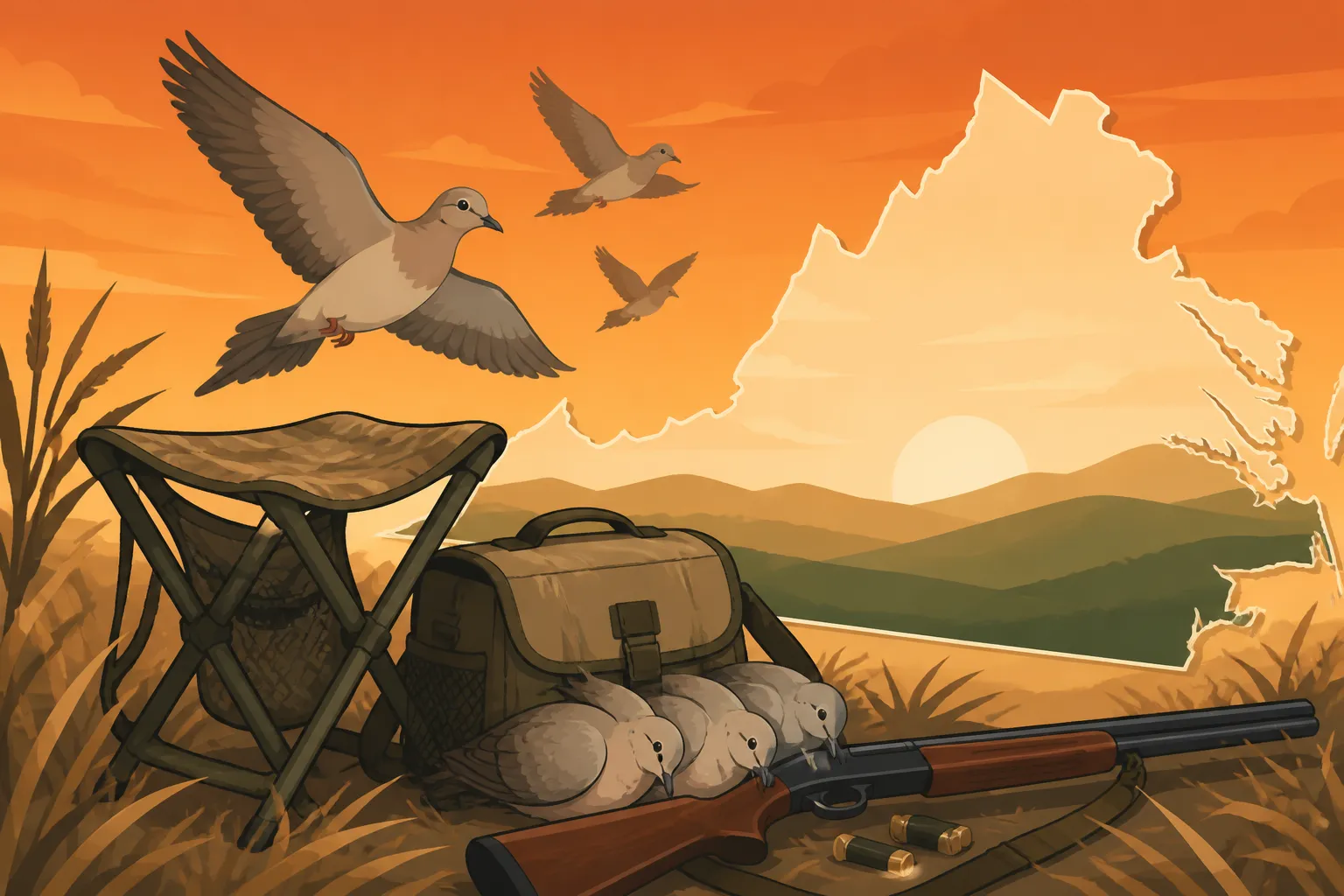
There's nothing quite like the excitement of a Virginia dove opener, the anticipation as you set up in a cut field, the sun just starting to warm the air. But as any seasoned hunter knows, that initial rush can quickly turn into a long, uncomfortable wait if you haven't prepared properly. Many of us have leaned against a fence post or sat directly on the ground, only to spend the rest of the day shifting, aching, and wishing we'd thought ahead. This comprehensive guide is here to ensure your next dove hunt, whether it's on a public field or private land in the Virginia Piedmont, is as comfortable and effective as possible, delving into the often-overlooked but crucial elements of dove stools and essential field gear.
The Unsung Hero: Why a Good Dove Stool is Non-Negotiable
Ask any veteran dove hunter what they regret not having on a long day in the field, and a comfortable seat often ranks right up there with enough water. Dove hunting isn't usually a fast-paced, high-movement affair; it's often a game of patience and stillness, waiting for birds to funnel into your area. Sitting for hours on end, exposed to the elements, can turn a fantastic hunt into a miserable experience if you don't have a proper perch.
Comfort Enhances Focus and Safety
It might sound obvious, but a comfortable hunter is a more focused hunter. When you're constantly fidgeting, trying to alleviate pressure points or find a less awkward position, your attention drifts from the skies. You might miss those subtle wing beats that signal an incoming bird or be slower to react when a flock suddenly appears. Moreover, fatigue can lead to carelessness, and in a hunting scenario, carelessness can compromise safety. A sturdy, comfortable stool allows you to maintain vigilance, keep your gun mounted or ready, and react smoothly when the moment comes. Think about how much easier it is to hold a steady aim when your body is relaxed versus when you're hunched over, trying to ignore a cramp.
Beyond the physical comfort, there's a mental aspect. Being able to relax between flights, enjoy a snack, or just take a moment to scan the distant tree line without discomfort makes the entire experience more enjoyable. It transforms the hunt from an endurance test into a genuine pleasure, which is, after all, a big part of why we go out there. Especially on those hot September days, having a bit of elevation off the scorching ground can make a world of difference.
Portability and Durability for Virginia's Diverse Terrain
Virginia's dove fields aren't all uniform. You might be hunting a vast, flat cut cornfield in the Eastern Shore, or a smaller, undulating milo patch tucked between woodlots in the foothills of the Blue Ridge. Access can range from parking right next to your spot to a half-mile trek across rough stubble. Your stool needs to be as adaptable as the terrain. A heavy, bulky chair might be fine if you're pulling a trailer right up to your blind, but if you're hoofing it, portability becomes paramount.
Durability is another key factor. These stools aren't just for gentle backyard picnics. They'll be tossed in truck beds, dragged across muddy rows, exposed to sun, rain, and grit. A flimsy frame or poorly stitched fabric won't last more than a season or two. You need something that can withstand the rigors of frequent field use, year after year. Look for robust materials like steel or aluminum frames, and heavy-duty, weather-resistant fabric. Setting Up a Dove Field Before Opening Day is a great resource for understanding the varied conditions you might encounter.
Choosing Your Throne: Types of Dove Stools
The market offers a surprising variety of dove stools, each with its own advantages and disadvantages. The best choice for you will depend heavily on your personal hunting style, the type of fields you frequent, and your priorities for comfort versus portability.
The Classic Bucket Stool
The bucket stool is a time-tested favorite for a reason. It's essentially a sturdy 5-gallon bucket with a padded swivel lid, sometimes with additional compartments or pockets built into the side. The primary advantage here is storage: the bucket itself holds your shells, water, snacks, and anything else you might need, keeping it all organized and readily accessible. This can be a huge benefit when you're out in the middle of a sprawling field and don't want to constantly dig through a backpack.
However, bucket stools can be a bit bulky to carry over long distances, and the height might not be ideal for everyone, particularly taller hunters or those with knee issues who find it hard to get up from a lower seat. The swivel top is fantastic for scanning, allowing you to track birds without having to reposition your entire body, a real game-changer for staying hidden and ready. For hunters who typically set up close to their vehicle or value integrated storage above all else, the bucket stool is often the perfect companion.
Lightweight Tripod Stools
For hunters who prioritize mobility, the tripod stool is an excellent choice. These are typically minimalist designs, featuring three legs that fold or collapse, topped with a small fabric seat. Their biggest selling point is their incredibly light weight and compact size when folded, making them easy to strap to a backpack or carry by hand across long stretches of public land. If you're someone who likes to move around a field to stay with the birds, a tripod stool won't slow you down.
The trade-off for this portability is often a reduction in comfort and stability. The small seat can become uncomfortable after an hour or two, and the tripod design can feel less stable on uneven ground compared to a four-legged chair or a bucket. They also offer no built-in storage. However, for those quick setups or situations where you know you'll be on the move, a lightweight tripod is invaluable. Think of those scenarios where you're scouting a new field and need something quick to deploy – that's where the tripod shines.
Backpack Chairs and Integrated Systems
Moving towards more integrated solutions, backpack chairs combine the functionality of a comfortable seat with a carrying system. These often feature a sturdy, framed backpack with a foldable chair built into the back or side. They range from simple designs with a small seat and basic storage to elaborate systems with padded shoulder straps, multiple compartments, and larger, more comfortable seats. The benefit here is obvious: you have all your gear and your seat in one convenient package.
The primary drawback is weight and bulk. Even the lighter versions can feel substantial when loaded with shells, water, and other essentials. They also tend to be pricier than simple stools. However, for hunters who need to carry a significant amount of gear, perhaps for an all-day hunt or when Hunting a Green Field Planted for Deer where you might be packing more than just dove shells, these integrated systems can streamline your carry. They free up your hands for your shotgun, which is a big plus when navigating fences or dense brush.
Beyond the Stool: Essential Field Gear
While a good stool is fundamental, it's only one piece of the puzzle for a comfortable and successful dove hunt. The right accompanying gear can make all the difference, transforming a decent outing into a truly memorable one.
Ammunition and Storage
It's a rookie mistake to underestimate how many shells you'll go through on a good dove hunt. Doves are notoriously tricky targets, and even experienced shooters will often burn through a flat (10 boxes) or more in a busy afternoon. You don't want to run out of ammo just as the birds start flying hot. Think about your Turkey Shotguns and Chokes – the same principles of patterning and load selection apply here, though for doves you're generally using lighter loads and more open chokes.
Carrying those shells comfortably and efficiently is equally important. A good shell bag or belt is a must-have. These keep a ready supply of shells within easy reach, so you're not fumbling in your pockets or constantly bending over to retrieve them from a bucket. Look for designs that can hold at least a box or two of shells, are easy to open and close, and can withstand the elements. Many vests also have built-in shell loops or pockets, offering another convenient solution.
Hydration and Snacks
Especially during the early season in Virginia, temperatures can soar. Dehydration is a serious risk and can quickly lead to fatigue, headaches, and impaired judgment. Always carry more water than you think you'll need. A good quality insulated water bottle or a hydration bladder in your pack is far superior to a flimsy plastic bottle that will warm up quickly in the sun. Consider electrolytes if you're sweating a lot.
Just like hydration, a few easily accessible snacks can keep your energy levels up. Granola bars, trail mix, or fruit can prevent the mid-afternoon slump. Avoid anything that's overly messy or requires extensive preparation. The goal is quick, convenient fuel that doesn't distract you from the hunt. Remember, staying hydrated and fueled helps maintain focus, which, as we discussed earlier, translates to better hunting and safer conditions.
Sun Protection
Virginia's dove fields often offer little shade, leaving you exposed to the sun for hours. Sunburn is not only uncomfortable but can also lead to long-term skin damage. A wide-brimmed hat is highly recommended, far more effective than a baseball cap at protecting your ears and neck. Sunscreen with a high SPF should be applied generously, and don't forget areas like the back of your neck and hands.
Sunglasses are also crucial. Not only do they protect your eyes from harmful UV rays, but they also reduce glare, making it easier to spot incoming birds against a bright sky. Polarized lenses can be particularly effective at cutting glare off stubble fields. Lightweight, breathable long-sleeved shirts can offer additional protection without making you overheat, especially those designed with UPF (Ultraviolet Protection Factor) ratings. Opening Weekend Tactics for General Firearms Season might seem like a different pursuit, but the need for sun protection on open fields remains constant across seasons.
Accessories That Enhance the Hunt
Beyond the core essentials, a few thoughtful accessories can significantly improve your dove hunting experience, making you more efficient, more comfortable, and better prepared for whatever the day throws at you.
Decoys and Calls
While dove hunting is often seen as a pass-shooting affair, decoys and calls can dramatically improve your success, especially on pressured birds or during slower periods. Spinner decoys, with their rotating wings, are incredibly effective at drawing distant doves' attention, mimicking a bird coming in to land. They can turn a barely noticed flock into a curious one that veers right into your shooting lane. You might want to consider some static decoys as well, set up on short poles to simulate a flock feeding on the ground.
Dove calls, while not as complex as turkey calls, can also be useful. A simple coo call can sometimes entice a hesitant bird to come closer or reveal its location. They're best used sparingly and realistically, mimicking the soft cooing of a content dove. Learning to use these tools effectively can transform a hunt from simply waiting for birds to actively drawing them in.
Game Vest or Bag
Once you start connecting with birds, you'll need a way to carry them. A dedicated game vest or bag is far superior to stuffing doves into your pockets or a plastic bag. Game vests often feature a large, blood-proof game pouch in the back, along with numerous pockets for shells, water, and other gear. This keeps your hands free and distributes the weight evenly. For warmer weather, look for vests made of breathable mesh.
Alternatively, a smaller game bag that can be clipped to your belt or stored in your bucket is another option. The key is to have something that's easy to clean and keeps the birds cool and separate from your other gear. As your bag limit starts to fill up, you'll appreciate a comfortable and efficient way to transport your harvest back to the vehicle. Virginia has clear regulations on bag limits and Virginia Small Game Season Rules are a good review.
First Aid Kit
It’s easy to get complacent, but even a seemingly benign activity like dove hunting in a field can present hazards. Thorns, insect stings, minor cuts, or heat exhaustion are all possibilities. A compact first aid kit with essentials like bandages, antiseptic wipes, pain relievers, and any personal medications (like an EpiPen for severe allergies) is a smart addition to your field gear. You don't need a trauma kit, but something that can handle common minor injuries or discomforts. Being prepared means you can quickly address small issues before they become bigger problems.
Consider also a small insect repellent for ticks and mosquitoes, especially in overgrown areas or near treelines. Virginia fields can be rife with these pests, particularly in the warmer early season. Being proactive about pest control will make your sit much more pleasant.
Planning Your Hunt and Utilizing Resources
Having the right gear is only half the battle; knowing where and how to use it effectively is just as critical. Virginia offers diverse opportunities for dove hunting, from meticulously managed public fields to private agricultural land.
Scouting and Setup
Successful dove hunting often boils down to good scouting. Doves are creatures of habit, frequently flying between roosting areas, feeding fields, and water sources. Observing these flight patterns before opening day, or even a few days before your planned hunt, can give you a significant advantage. Look for power lines where birds perch, isolated trees they use as staging areas, and clear flight paths into fields. Tools like GoHunt can be invaluable here, allowing you to scout potential fields, identify property boundaries (essential for Getting Private Land Permission in Virginia), and understand the lay of the land from an aerial perspective.
Once you've identified a promising spot, your setup becomes key. Position yourself with the sun at your back, if possible, to both reduce glare and make it harder for doves to see you. Consider the wind direction; doves often land into the wind, much like an airplane. Use natural cover, such as brush lines or the edge of standing crops, to break up your silhouette. If natural cover is sparse, a simple camo netting or a pop-up blind can provide crucial concealment. Remember, doves have excellent eyesight, and even slight movements can spook them.
| Stool Type | Portability | Comfort (Long Sit) | Stability (Uneven Ground) | Storage | Best Use Case |
|---|---|---|---|---|---|
| Bucket Stool | Moderate | Good | Excellent | High | Near vehicle access, lots of gear, swiveling needed |
| Tripod Stool | Excellent | Fair | Moderate | None | Highly mobile hunting, scouting, quick setups |
| Backpack Chair | Fair | Good | Good | High | Carrying significant gear over distance, all-day hunts |
| Simple Folding | Good | Moderate | Good | None | Versatile, general use, moderate walks |
Managing Your Time and Effort
Dove season in Virginia often involves early morning and late afternoon flights, with a lull in the middle of the day. This is where your comfortable stool and thoughtful gear selection really pay off. Instead of packing up during the midday heat, you can comfortably remain in your spot, rehydrate, snack, and rest while waiting for the afternoon push. This patience often leads to greater success.
Using a navigation app, possibly linked to a platform like GoHunt, can help you keep track of your location, especially on large public hunting areas or unfamiliar private properties. It also ensures you can safely navigate out of the field, especially if your hunt extends into twilight. Being prepared to stay for the full flight means you need the gear to support that commitment. Understanding Hunting the Second Dove Split in October also means being ready for cooler, potentially wetter conditions later in the season, which might influence your clothing choices or whether you bring a small tarp for your gear.
Maintenance and Longevity of Your Gear
Investing in quality dove hunting gear means taking care of it so it lasts for many seasons to come. Simple post-hunt routines can significantly extend the life of your stools and other field essentials.
Cleaning and Storage
After each hunt, especially if the conditions were muddy or wet, take the time to clean your stool and other gear. Wipe down frames, brush off dirt and debris, and allow fabric seats and vests to air dry completely before storing them. Mud and moisture can lead to rust on metal components, mildew on fabric, and unpleasant odors. A quick rinse with a hose and a scrub brush can do wonders for a bucket stool or a game vest.
Store your gear in a dry, rodent-free environment. Hanging vests and bags helps maintain their shape and allows for good air circulation. Keeping things organized not only makes them easier to find for your next outing but also prevents damage that can occur when items are simply tossed into a heap. Proper care ensures your gear is ready when Working a Dove Field on Opening Day comes around next year.
Inspecting for Wear and Tear
Before and after each season, give all your gear a thorough inspection. Check stool frames for cracks or bends, look for tears or worn spots in fabric seats and vests, and examine buckles, zippers, and straps for signs of fatigue. Address minor issues promptly; a small tear can quickly become a large one, and a loose buckle can lead to lost gear.
Replacing worn-out components, if possible, is often more cost-effective than buying entirely new items. Keep an eye on the stitching on your shell bags or vests, as these areas often bear the brunt of heavy use. Proactive maintenance will save you headaches and ensure your gear performs reliably when you need it most, allowing you to focus on the doves and the camaraderie of the field.
Disclaimer
This article is for general informational purposes only and does not constitute professional advice. Laws, prices and regulations vary by location and change over time. Consult a qualified professional for guidance on your specific situation.