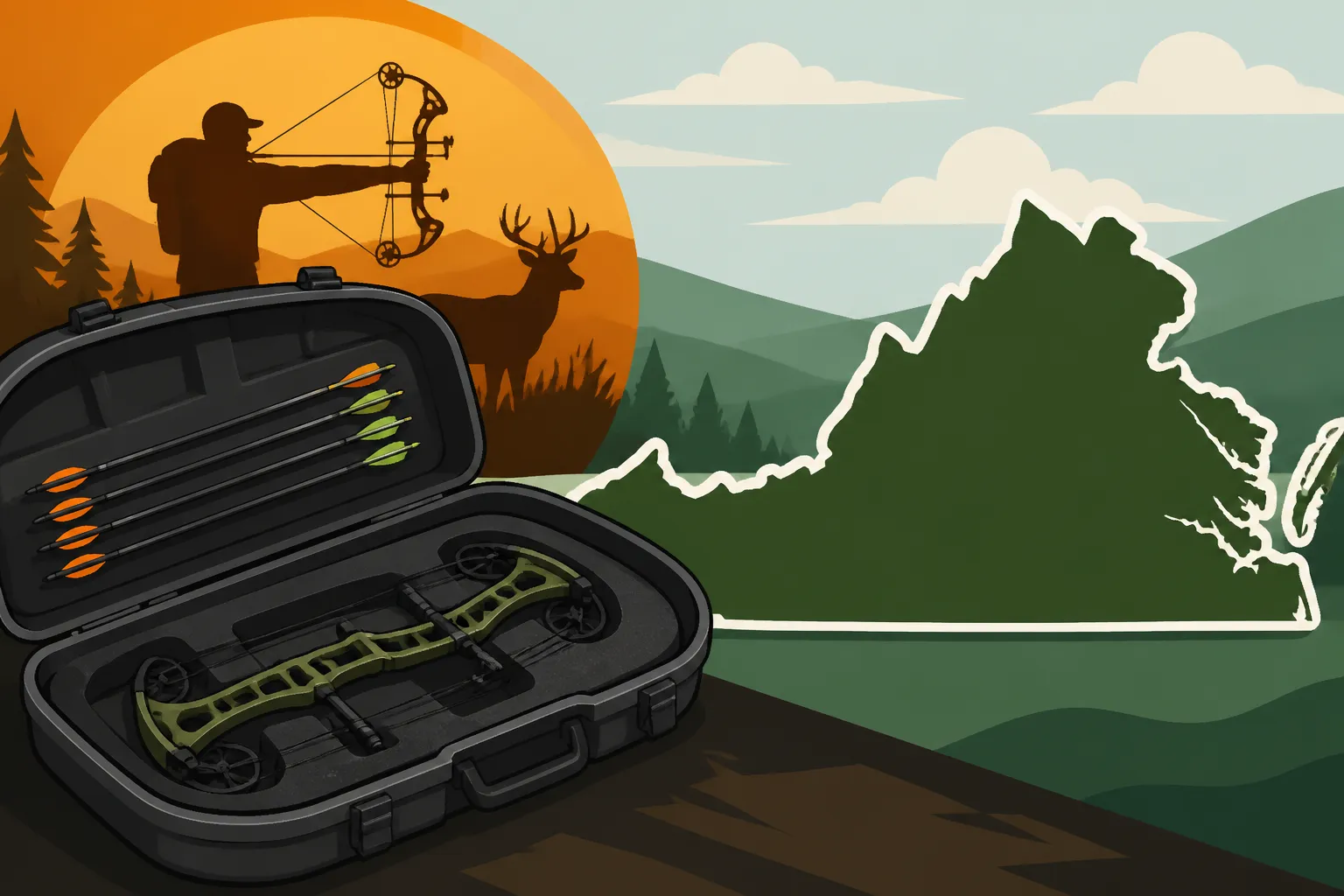
Bow Cases for Travel to Virginia
Traveling with your hunting bow can feel like a high-stakes balancing act. You've invested time, effort, and significant money into your setup, and the last thing you want is for it to arrive damaged or, even worse, for you to run afoul of travel regulations when you finally get to your favorite Virginia hunting spot. This guide is all about helping you navigate the world of bow cases for travel, ensuring your archery gear makes it safely and legally to your destination, whether that's a remote national forest or an urban archery zone.
Why the Right Bow Case Matters for Virginia Travel
When you're packing up for a Virginia hunting adventure, your bow case isn't just a container; it's a vital piece of your gear. It stands between your meticulously tuned bow and the myriad of bumps, jostles, and unexpected events that can happen during transit. Beyond physical protection, a good case simplifies adherence to legal requirements and makes your journey far smoother.
Protecting Your Investment on the Road
Think about all the ways your gear can get knocked around. It might be sliding around in the back of your truck on a gravel road heading into the Jefferson National Forest, or perhaps enduring the rough and tumble of baggage handling at an airport if you're flying into Roanoke or Richmond from out of state. An improperly protected bow can suffer from bent cams, twisted limbs, a knocked-out peep sight, or even structural damage to the riser. Any of these issues could ruin your hunt before it even begins, necessitating last-minute repairs or, worse, forcing you to miss opening day entirely. A robust bow case acts as a personal bodyguard for your archery setup, absorbing shocks and impacts so your bow doesn't have to. It's not just about preventing catastrophic failure; it's also about preserving your tune, ensuring that when you pull your bow from its case, it's still shooting true.
Navigating Virginia's Travel Regulations
Virginia, like any state, has specific regulations regarding the transport of hunting equipment, especially when it comes to bows and arrows. While bows aren't typically treated with the same stringency as firearms, having your bow securely cased and out of plain sight is generally a wise and often legally required practice, particularly when traveling through populated areas or crossing state lines. This is especially true if you are carrying broadheads, which are considered sharp implements. For example, while driving through a town to get to your deer stand, having your bow openly displayed could draw unwanted attention or, in some localities, violate ordinances. Checking resources like the Virginia DWR website or hunting forums can help clarify specific nuances. For nonresident hunters, understanding these transportation rules is crucial to avoid any unforeseen delays or legal complications upon arrival. Always keep your hunting license and any necessary permits readily accessible. Virginia Hunting Licenses and What They Cost covers the specifics of what you'll need.
The Practicality of a Well-Designed Case
Beyond protection and legal compliance, a good bow case offers immense practical benefits. It keeps all your archery essentials—like your quiver, release aid, spare broadheads, and rangefinder—organized and easily accessible. Imagine arriving at camp after a long drive, tired and ready to set up, only to realize your release aid is somewhere loose in a duffel bag, or your stabilizer got separated from your bow. A well-designed case with dedicated compartments and straps eliminates this kind of frantic searching. It streamlines your packing process and ensures that when you unpack at your destination, everything is exactly where it should be, allowing you to focus on Scouting Virginia Public Land Before Season rather than hunting for misplaced gear. The convenience of a purpose-built case truly cannot be overstated for any serious hunter.
Types of Bow Cases: Finding Your Perfect Match
Just like there are different hunting styles and preferences, there are various types of bow cases, each designed with specific advantages and trade-offs. Understanding these differences will help you choose the best case for your Virginia hunting travels, whether you're hitting the mountains or the Eastern Shore.
Hard Cases: Maximum Protection, Minimum Worry
Hard cases are the titans of bow protection. Constructed from durable molded plastic, aluminum, or composite materials, they offer the highest level of impact resistance. Many feature dense foam inserts that can be custom-cut to cradle your bow perfectly, preventing any movement during transit. These cases often come with locking mechanisms, some even TSA-approved, making them ideal for air travel or when you need to leave your bow secured in a vehicle. If you're traveling long distances, anticipate rough handling, or simply want the peace of mind that comes with knowing your expensive Bow and Crossbow Setups for Virginia are as safe as possible, a hard case is often the way to go.
Here's a quick look at the pros and cons of hard cases:
| Feature | Pros | Cons | Best For |
|---|---|---|---|
| Protection | Superior impact, crush, and weather resistance | Heavier and bulkier to transport | Air travel, long road trips, protecting high-value bows, unattended storage |
| Security | Often includes integrated locks, padlock points, TSA compatibility | Can be expensive | Situations requiring maximum security (e.g., leaving in a hotel room or vehicle) |
| Durability | Built to withstand extreme conditions | May require custom foam cutting for a perfect fit | Hunters prioritizing gear longevity and absolute safety |
| Organization | Foam inserts keep items secure, dedicated compartments common | Less flexible storage for miscellaneous, oddly-shaped items | Carrying bow, quiver, arrows, and key accessories securely |
The main drawback, as you can see, is their bulk and weight, which can be a consideration if you're constantly loading and unloading or have limited vehicle space. However, for sheer protective capability, nothing beats a quality hard case. Brands like Pelican and SKB are well-regarded in this category, offering robust solutions for serious travelers.
Soft Cases: Lightweight and Convenient for Shorter Trips
Soft cases, typically made from heavy-duty Cordura or similar rugged fabrics, offer a lighter and more flexible alternative. They often feature generous padding, but generally less rigid structural protection than hard cases. Many soft cases have multiple pockets and compartments, making them excellent for organizing accessories like broadhead wrenches, spare string wax, and your Grunt Calls in Mature Virginia Timber. They are fantastic for local trips—say, a quick drive to a nearby Amelia Wildlife Management Area or a short walk from your truck to your stand on private land.
Their lighter weight and more flexible nature mean they are easier to carry, store, and maneuver, especially if you're navigating tighter spaces or want to keep your bow close at hand. However, they aren't designed for extreme impacts or situations where your bow might be subjected to heavy objects. While some offer basic locking capabilities, they don't provide the same level of security against theft or unauthorized access as hard cases. If your travel mostly involves short, self-controlled drives where you can personally monitor your gear, a quality soft case might be all you need.
Hybrid Cases: The Best of Both Worlds?
As the name suggests, hybrid cases attempt to blend the best features of both hard and soft cases. They typically feature a semi-rigid outer shell, often reinforced with internal frames or stiffer panels, covered in a durable fabric. This design offers better impact protection than a purely soft case while remaining lighter and more flexible than a full hard case.
Many hybrid cases also excel in internal organization, providing dedicated pockets, elastic straps, and modular compartments to keep everything neatly in place. They strike a balance, offering reasonable protection for most vehicle travel and some lighter-duty commercial transport, without the full bulk or cost of a premium hard case. If you're looking for a versatile option that can handle a range of travel scenarios within Virginia—from a multi-county deer hunt to a quick weekend trip—a hybrid case might be your sweet spot. It provides enough confidence for most hunting trips without feeling like you're hauling a safe deposit box.
Key Features to Look for in a Virginia Travel Bow Case
Once you've decided on the type of case that best fits your travel habits, it's time to dive into the specifics. Not all cases are created equal, and paying attention to certain features can make a huge difference in the longevity of your gear and the ease of your travels.
Security Features: Locks and Reinforcement
The security of your bow case is paramount, especially if you're ever forced to leave your bow unattended. Look for cases that offer robust locking mechanisms. Many hard cases come with integrated key locks or combination locks. Even better, look for cases that have reinforced padlock points, allowing you to add your own high-quality lock. For air travel, ensure any integrated locks are TSA-approved, or use a non-TSA padlock on the reinforced points and keep the key with you. This is crucial for compliance with airline regulations and for protecting your gear.
Beyond physical locks, consider the overall construction of the case. Reinforced corners, heavy-duty zippers (on soft and hybrid cases), and tamper-resistant latches add layers of security. While no case is completely impenetrable, these features deter opportunistic theft and provide peace of mind. A secure case is particularly important if you plan on stopping at a diner for breakfast or leaving your vehicle overnight at a public land access point before Hunting West of the Blue Ridge.
Internal Organization and Padding
The inside of your bow case is just as important as the outside. Good internal organization means your bow is held securely, preventing movement that could throw off its tune, and your accessories are kept tidy. Look for:
- Dense Foam Padding: The foam should be thick and resilient, designed to absorb shock. For hard cases, custom-cut foam inserts are ideal, as they create a perfect mold around your specific bow, quivers, and other accessories. Some cases come with pluck foam, allowing you to customize it yourself.
- Tie-Down Straps: Even with foam, internal straps provide an extra layer of security, holding your bow firmly in place.
- Accessory Pockets/Compartments: Dedicated pockets for broadheads, a release, rangefinder, and other small items prevent them from rattling around or scratching your bow. Some cases even have designated arrow storage tubes or sections, which is excellent for keeping your fletchings intact and broadheads protected.
- Velcro or Modular Systems: Some cases offer customizable interior dividers using Velcro, allowing you to adapt the layout based on what gear you're bringing on a particular trip.
A well-organized interior not only protects your gear but also makes packing and unpacking a breeze. Imagine having a dedicated spot for your Fixed Versus Mechanical Broadheads or your wind checker—it saves time and frustration.
Transport Considerations: Wheels, Handles, and Durability
How you'll physically move your bow case matters. If you frequently travel through airports or have long walks from parking areas to your hunting camp, wheels are a game-changer. Integrated wheels, particularly on larger hard cases, can save your back and make navigating busy terminals or rough trails much easier.
Consider the handles as well. They should be sturdy, comfortable to grip, and ideally placed for balanced carrying. Some cases offer multiple handles, allowing for both horizontal and vertical transport. For soft and hybrid cases, a comfortable shoulder strap can be a valuable addition.
Finally, assess the overall durability of all components. Are the zippers heavy-duty and snag-free? Are the buckles and latches robust and unlikely to break? Is the outer material resistant to abrasions and moisture? When you're dealing with varying Virginia weather conditions, from misty mornings to muddy trails, knowing your case can withstand the elements is crucial. A simple check of reviews, possibly on hunting community platforms or gear sites like GoHunt, can often provide insights into the real-world durability of a case.
Preparing Your Bow and Case for a Virginia Hunt
Getting your bow into the right case is only half the battle. A little preparation before you hit the road can ensure everything goes smoothly once you arrive in Virginia, ready for your hunt.
What to Pack (and Not Pack) Inside
Careful packing can prevent damage and ensure you have everything you need. Here's a quick run-down:
- Bow: Remove any accessories that might be easily damaged or that could snag during transit, such as a large stabilizer or a detachable quiver. Store these in separate, padded compartments within the case if possible. If you use a Crossbow Rules During Virginia Archery Season, ensure its scope is well-protected.
- Arrows: Store arrows in a dedicated tube or section of the case to protect fletchings and ensure broadheads don't jostle loose. Cap your broadheads for safety.
- Release Aid: Place your release aid in a small, secure pocket where it won't be crushed or get lost.
- Rangefinder, Wind Checker, etc.: Use small pouches or dedicated compartments for these delicate electronics.
- Don't Pack: Avoid packing loose clothing, snacks, or other non-essential items directly in the bow compartment. These can shift, create pressure points, or even attract unwanted pests. Also, never pack ammunition in a bow case if flying, and be mindful of any state regulations on carrying firearms components in the same case as a bow if driving.
The goal is to minimize movement and protect delicate components. Think about what items absolutely need to be with the bow and what can go in your general hunting pack. Many hunters use a platform like GoHunt to create gear lists and checklists, ensuring nothing crucial is forgotten.
Pre-Trip Inspection and Maintenance
Before every major hunting trip, take a moment to inspect your bow case and your bow itself.
- Case Inspection: Check for any cracks, loose latches, or worn zippers on your case. Make sure the foam inserts are still securely in place and haven't compressed excessively. A damaged case offers compromised protection. Clean any dirt or debris from inside and out.
- Bow Inspection: This is also a good time to give your bow a once-over. Check your string and cables for fraying, inspect cam timing, and ensure all screws are tight. Make sure your Bow Draw Weight for Virginia Whitetails is still where you want it. This proactive approach ensures your bow is in top shooting condition before it even enters the case, reducing the chances of a mechanical issue arising from travel or simply during the hunt. A quick tune-up before you leave can save you a lot of headache in the field.
Checking Regulations Before You Go
While this guide provides general advice, regulations can and do change. Before any significant hunting trip to Virginia, especially if you're traveling from out of state or planning to hunt in specific areas like Urban Archery Hunting in Virginia Cities, always double-check the latest Virginia Department of Wildlife Resources (DWR) regulations. This includes not just transportation rules, but also specific season dates, bag limits, and any special restrictions for the county or WMA you plan to visit. Websites, official DWR publications, and sometimes even reputable hunting apps can provide the most current information. Being well-informed is your best defense against unexpected issues, allowing you to enjoy your Virginia hunt without any unnecessary stress.
Disclaimer
This article is for general informational purposes only and does not constitute professional advice. Laws, prices and regulations vary by location and change over time. Consult a qualified professional for guidance on your specific situation.