Packs for a Jefferson Forest Day Hunt
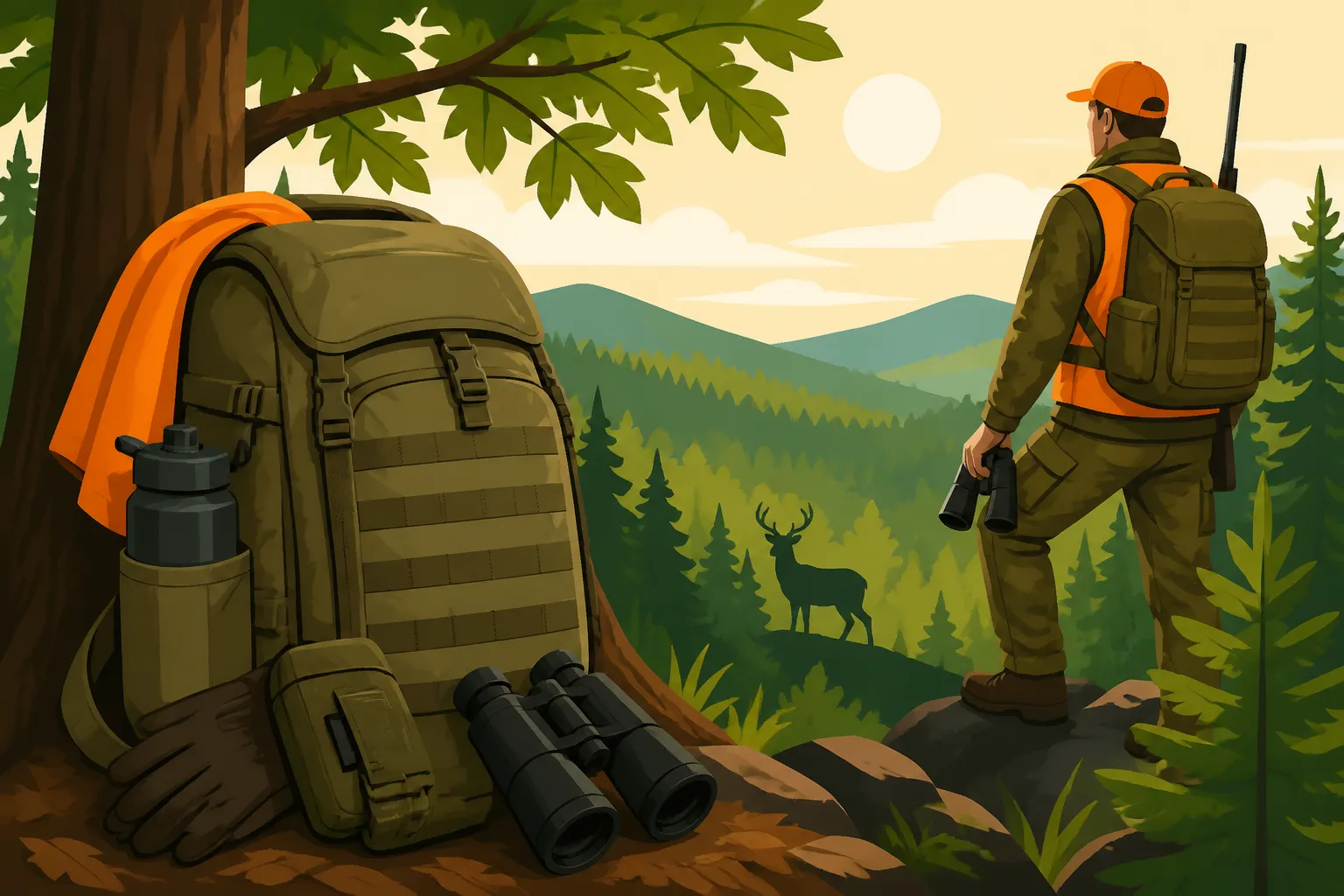
There's nothing quite like the allure of a day hunt in Virginia's vast Jefferson National Forest, but it can also be a brutal reality check if you're not properly prepared. The forest's rugged beauty, remote valleys, and steep ridges demand a strategic approach to what you carry on your back. This guide will walk you through everything you need to know about choosing and packing the perfect setup for a successful, and safe, day out in the Jefferson National Forest.
The Unique Demands of a Jefferson Forest Day Hunt
Hunting the Jefferson National Forest isn't like slipping into a small woodlot behind the farm. This isn't just a walk in the park; it's a genuine wilderness experience that can challenge even the most seasoned hunters. The sheer scale and untamed nature of this landscape mean your gear, especially your pack, needs to be up to the task.
Navigating Rugged, Remote Terrain
The Jefferson National Forest sprawls across western Virginia, offering countless acres of steep, rocky terrain, dense rhododendron thickets, and deep hollows. You'll encounter everything from ankle-twisting talus slopes to slick, moss-covered stream crossings. A "day hunt" often means hiking miles from the nearest forest road, climbing hundreds, if not thousands, of feet in elevation, and then doing it all again to get back out. This isn't country where you can just "pop back to the truck" if you forgot something or need a quick break. The pack you carry needs to be comfortable for long hauls and robust enough to withstand being scraped against rocks and thorns.
Imagine you're deep in a drainage, Still-Hunting Jefferson Forest Ridges, working your way towards a promising bench you spotted on a topo map. You've been on your feet for hours, traversing uneven ground. A poorly fitting pack will start to rub, create hot spots, or throw your balance off, turning a challenging but enjoyable hunt into a miserable ordeal. This kind of terrain demands a pack that moves with you, distributes weight effectively, and doesn't snag on every low-hanging branch.
Unpredictable Mountain Weather Shifts
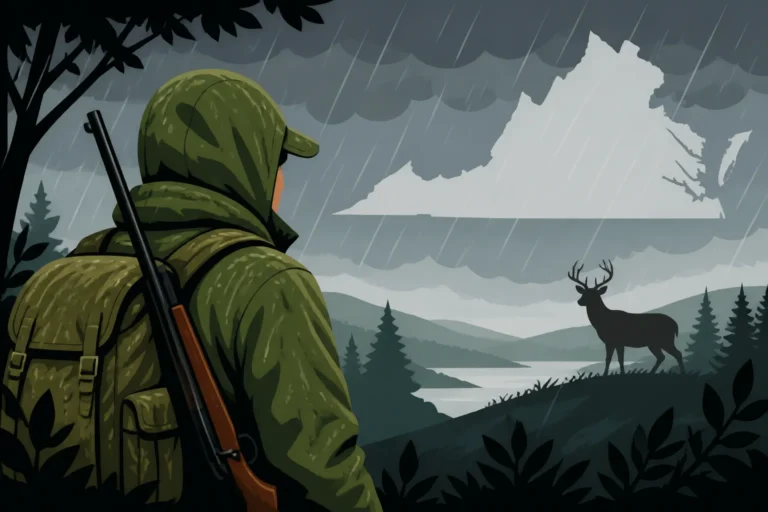
Virginia mountain weather is notoriously fickle. You might start your morning with crisp, clear skies, perfect for a long hike. By midday, a sudden cold front can roll in, bringing driving rain or even snow. Temperatures can drop dramatically, and what felt like a pleasant breeze can quickly become a biting wind. You need to be prepared for all four seasons in a single day, especially during the fall hunting months. Your pack needs to protect your essential gear from moisture and allow you to quickly access layers.
Picture this: You're halfway through your hike, the sun is shining, and you're sweating. You shed a layer and tuck it into your pack. An hour later, a dense fog rolls in, followed by a light drizzle that soon turns into a steady rain. If your pack isn't weather-resistant or doesn't have a rain cover, your extra jacket, map, and emergency fire starter could be soaked. This isn't just about comfort; it's about safety. Hypothermia is a real risk in these mountains if you're not adequately protected and your gear fails.
The "Day Hunt" Misconception: More Than Just a Few Hours
While it's called a "day hunt," for many, especially those venturing into the more remote sections of the Jefferson National Forest, this can easily turn into a 10-14 hour excursion, covering significant distances. It's not uncommon to leave before dawn and return well after dark. This extended period requires more than just a sandwich and a bottle of water. You need enough provisions, emergency supplies, and the capacity to potentially haul out game.
Consider the scenario where you successfully harvest a deer late in the afternoon. The sun is setting, temperatures are dropping, and you're miles from the truck. Suddenly, your "day pack" needs to transform into a game hauler, or at the very least, carry the essentials for field dressing and quartering your animal for a subsequent retrieve. A tiny fanny pack simply won't cut it. You need a pack with enough volume and strength to handle the unexpected, ensuring you can manage the harvest responsibly and safely, even when faced with a long walk out in the dark.
Essential Features for Your Jefferson Forest Day Pack
Selecting the right pack for hunting in the Jefferson National Forest is paramount to your success and comfort. It's not just about carrying stuff; it's about carrying the right stuff efficiently, comfortably, and securely.
Capacity and Organization: Finding the Sweet Spot
When it comes to pack capacity, you're looking for a sweet spot. Too small, and you'll be leaving crucial gear behind or strapping things precariously to the outside. Too large, and you're carrying unnecessary weight and bulk, making movement through dense cover cumbersome. For a solid Jefferson Forest day hunt, most hunters find a pack in the 1800-3000 cubic inch range to be ideal. This volume allows you to carry layers, food, water, first-aid, navigation tools, and basic game processing supplies, with a little room to spare.
Beyond just volume, effective organization is key. Multiple compartments, internal pockets, and external attachment points help keep your gear sorted and accessible. Imagine trying to find a headlamp or a grunt tube in a single large compartment filled with all your other gear in the fading light. It's a frustrating, time-wasting endeavor. A pack with well-thought-out pockets allows you to compartmentalize items like your compass and map, first-aid kit, and calls, making them quick to retrieve without rummaging. Some packs, like those from Badlands or Mystery Ranch, are designed with specific hunting needs in mind, offering specialized pockets for spotting scopes, tripods, or even a rifle scabbard, making them excellent choices for mountain hunting. You can use platforms like GoHunt to research and compare different pack models and their organizational features before making a decision.
Comfort and Fit: Your Back Will Thank You
Even the lightest pack can feel like a ton of bricks if it doesn't fit properly. Given the significant elevation changes and long distances you'll cover in the Jefferson National Forest, comfort is non-negotiable. Look for packs with adjustable suspension systems that allow you to customize the fit for your torso length. Padded shoulder straps, a comfortable hip belt, and a breathable back panel are crucial for minimizing fatigue and preventing chafing, especially on those long uphill climbs.
A well-fitted hip belt is particularly important as it should transfer the majority of the pack's weight from your shoulders to your hips, which are better equipped to bear heavier loads. This takes pressure off your shoulders and back, allowing for greater endurance throughout the day. When trying on a pack, load it up with some weight – at least 15-20 pounds – to get a realistic feel for how it performs. Walk around the store, bend, and twist. Pay attention to any pressure points or areas of discomfort. Remember that a pack that feels okay for a few minutes can become unbearable after several miles of Still-Hunting Jefferson Forest Ridges.
Durability and Weather Resistance
The Virginia mountains are tough on gear. Branches will grab, rocks will scrape, and precipitation can come without warning. Your pack needs to be built to withstand this abuse. Look for packs constructed from rugged, tear-resistant materials like Cordura nylon or similar heavy-duty fabrics. Reinforced stitching at stress points, robust zippers, and reliable buckles are indicators of quality construction that will hold up over many seasons.
While some packs offer a high degree of water resistance, very few are truly waterproof without an additional cover. However, a good pack will feature a durable water repellent (DWR) coating and perhaps taped seams to shed light rain and dew. For heavier downpours, a integrated or readily accessible rain cover is a must-have. Many packs come with a dedicated pocket for a rain cover, allowing for quick deployment when the skies open up. This protection is vital for keeping critical items like your map, phone, fire starter, and extra clothing dry. Without a waterproof layer, even a light rain can soak through, compromising your comfort and safety.
Choosing the Right Pack Style for Your Strategy
Just like every hunter has a preferred method, there's a pack style that will best complement your approach to hunting in the Jefferson National Forest. Matching your pack to your hunting style ensures efficiency and comfort, whether you're covering miles or sitting patiently.
Minimalist Packs for Fast and Light Stalking
If your hunting style involves covering a lot of ground quickly, perhaps still-hunting through timber or actively pursuing gobblers in the spring, a minimalist pack might be your best friend. These packs are typically smaller, ranging from 1000-1800 cubic inches, and prioritize lightweight design and unhindered movement. They often resemble substantial fanny packs with shoulder straps, or very streamlined daypacks. The goal here is to carry only the absolute essentials: water, a few snacks, calls, a small first-aid kit, a headlamp, and perhaps a very light rain jacket.
The advantage of a minimalist pack is agility. It doesn't snag on brush, doesn't throw you off balance during quick movements, and won't weigh you down during strenuous climbs. This style is excellent for those who are confident in their ability to stay out for a full day with minimal gear, or when hunting areas closer to vehicle access. For instance, if you're Run-and-Gun Turkey Tactics on Public Land, you need to be able to move silently and swiftly, setting up quickly when a gobbler sounds off. A bulky pack would only hinder that. However, the trade-off is limited carrying capacity for contingencies or, critically, for packing out meat.
Standard Day Packs for All-Around Versatility
For the majority of Jefferson Forest day hunters, a standard day pack (1800-3000 cubic inches) offers the best balance of capacity, comfort, and versatility. This is the workhorse pack that can accommodate a wider range of gear, making it suitable for diverse hunting conditions and strategies, from an early morning sit to a full day of scouting Finding Sign in Big Jefferson Forest Timber. These packs provide enough space for extra layers, a more substantial lunch, ample water, a comprehensive first-aid kit, navigation tools, and the basic necessities for field dressing a deer or bear.
Many standard day packs feature internal and external pockets for organized storage, allowing you to keep frequently accessed items like calls or rangefinders within easy reach. They often include hydration sleeve compatibility, allowing you to stay hydrated without stopping. The external compression straps are invaluable for cinching down the load to prevent shifting, and for attaching a shed layer or even a smaller item like a cushion for sitting. This versatility means you can adapt your carry to the specific hunt, whether you're focusing on deer during Bowhunting Virginia's Statewide Archery Season or targeting bear in the mountains.
Bridging the Gap: Hauling Capabilities for Success
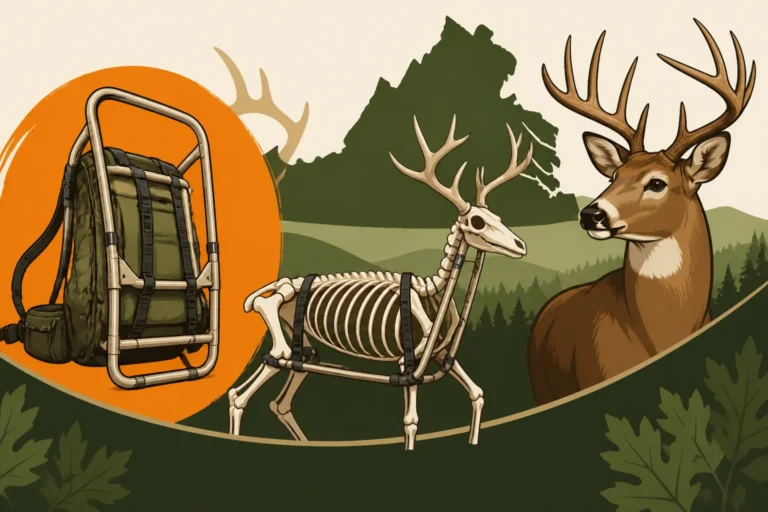
While most day hunts don't involve packing out an entire animal whole, success in the Jefferson National Forest often means dealing with a significant load of meat, hide, and antlers. This is where packs with integrated or expandable hauling capabilities truly shine. Some day packs feature an expandable main compartment or a "meat shelf" system, allowing them to temporarily increase their volume and provide a sturdy platform for securing quarters or boned-out meat. Brands like Kifaru and Stone Glacier are well-known for these modular systems.
These packs bridge the gap between a pure day pack and a dedicated backpacking frame. They might start as a compact 2000-cubic-inch daypack, but with the flip of a few buckles, expand to 4000+ cubic inches with a robust external frame capable of carrying 50-100 pounds. While you won't be carrying a full frame pack all day, having the option to expand and haul a heavy load can be a game-changer when you're miles deep and hit paydirt. This prevents the agonizing choice between making multiple trips, leaving meat overnight, or struggling with an inadequate pack. Consider this feature, especially if you hunt aggressively in remote areas where successful harvests mean long, arduous pack-outs. Looking into reviews on GoHunt can help you understand the real-world hauling performance of different models.
| Pack Type | Typical Capacity (cu. in.) | Key Advantages | Ideal Use Case | Considerations |
|---|---|---|---|---|
| Minimalist | 1000-1800 | Lightweight, agile, unobtrusive | Fast and light stalking, quick scouting trips | Limited capacity for gear, no game-hauling capability |
| Standard Day | 1800-3000 | Versatile, good balance of capacity and comfort | All-around deer/turkey hunting, full-day excursions | May struggle with larger game, less suited for overnight |
| Hauling Day | 2500-4000+ (expandable) | Can carry heavy loads, flexible capacity | Remote mountain hunts, when expecting to pack out game | Can be heavier/bulkier when empty, often more expensive |
What Goes Inside: Critical Gear for Safety and Success
It's not enough to have a great pack; what you put inside it is even more important. A well-stocked pack is your insurance policy against the unexpected challenges of the Jefferson National Forest. Always prioritize safety, then comfort, and finally, convenience.
Navigation and Communication: Staying Found and Connected
Getting lost in the Jefferson National Forest isn't just an inconvenience; it can be dangerous, especially as daylight fades or bad weather moves in. Your pack needs to hold reliable navigation tools. While GPS units and phone apps are invaluable, they run on batteries. Always carry a physical map of your hunting area and a compass. Know how to use them, even if you primarily rely on electronics. Learning how to read a topo map and understand contour lines is critical for navigating the mountainous terrain.
For communication, a fully charged cell phone is a given, but service can be spotty or nonexistent in many deep hollows and remote ridges. Consider carrying a satellite communication device like a Garmin InReach or a Zoleo. These devices allow you to send emergency messages, communicate via text when out of cell range, and often track your progress, providing peace of mind for loved ones back home. A small, portable power bank is also essential for recharging your phone or GPS unit throughout the day. When Scouting Virginia Public Land Before Season, you can use your phone's GPS, but always have that backup.
First Aid and Survival: Hope for the Best, Plan for the Worst
Accidents happen, even to the most careful hunters. A comprehensive first-aid kit is non-negotiable. Don't skimp here. It should contain more than just a few band-aids. Think about what you might need for common hunting injuries: deep cuts, sprains, blisters, allergic reactions, and severe bleeding. Include pain relievers, antiseptic wipes, various sizes of bandages, gauze, medical tape, moleskin, and any personal medications you require. Familiarize yourself with how to use everything in the kit. If you're going into remote areas, consider a wilderness first-aid course.
Beyond medical supplies, a basic survival kit could be a lifesaver if you're unexpectedly forced to spend a night out. This should include:
- Fire Starter: Waterproof matches, a lighter, and a ferro rod with tinder.
- Emergency Shelter: A lightweight space blanket or emergency bivy sack.
- Illumination: A reliable headlamp (with extra batteries) and a small backup flashlight.
- Signaling Device: A whistle and a small signal mirror.
- Knife/Multi-tool: Essential for countless tasks.
You can learn more about specific contents in First Aid Kits for Remote Mountain Ground. This gear might seem like extra weight, but it's the kind of weight you'll be profoundly grateful for if you ever need it.
Hydration, Nutrition, and Game Care
Staying hydrated and fueled is crucial for maintaining energy and focus during long hunting days. Always carry more water than you think you'll need, especially if you're climbing steep ridges. A 2-3 liter hydration reservoir is popular, complemented by a water bottle for quick sips. Consider a small water filter or purification tablets for refilling from mountain streams if you plan an extended stay or are concerned about running out. For snacks, choose calorie-dense, easy-to-eat items like trail mix, energy bars, jerky, and fruit. Avoid anything that will spoil quickly or make a lot of noise when you're trying to be stealthy.
If you are successful, having the right game care items is vital for preserving your harvest. This includes:
- Sharp Knife: A fixed-blade knife for field dressing, with a sharpener.
- Game Bags: Lightweight, breathable game bags to protect meat from dirt and insects.
- Disposable Gloves: To maintain hygiene during field dressing.
- Zip Ties or Paracord: For securing limbs or tagging.
These items ensure that your hard-earned harvest is cared for properly, even when you're miles from the truck. You don't want to Butchering a Deer at Camp to discover it's been spoiled because you lacked the basic tools to cool it down effectively in the field.
Packing Smart: Maximizing Efficiency on the Mountain
A good pack isn't just about what you carry, but how you carry it. Strategic packing can make a world of difference in your comfort, energy levels, and overall success, especially when navigating the challenging terrain of the Jefferson National Forest.
Weight Distribution and Balance
One of the most critical aspects of packing smart is proper weight distribution. The heaviest items should be placed closest to your back, typically between your shoulder blades and just above your hips. This helps keep the center of gravity close to your body, maintaining your natural balance and preventing the pack from pulling you backward or side-to-side. Lighter, bulkier items can fill the spaces around the heavier gear, towards the top and bottom of the pack. Medium-weight items, like extra clothing, can go towards the front and sides.
A well-balanced pack feels like an extension of your body. When you take a step, the weight moves with you rather than against you. On steep ascents and descents, or when traversing uneven ground, this balance is paramount. A poorly balanced pack will constantly shift, forcing your muscles to work harder to compensate, leading to faster fatigue and increased risk of a stumble or fall. Before heading out, always put on your loaded pack, adjust all the straps (shoulder, sternum, hip belt), and walk around for a few minutes to ensure it feels stable and comfortable. For those long days with potential for heavy loads, understanding how to properly load your pack is just as important as having comfortable Boots for Virginia Swamps and Ridges.
Accessibility of Key Items
While heavy items go against your back, frequently accessed items need to be easy to reach without having to unpack your entire bag. Think about the things you might need quickly: your rangefinder, calls, water bottle, a snack, binoculars, or a rain jacket. These should be placed in external pockets, lid pockets, or within the top section of the main compartment.
For instance, your compass and map should be in a readily accessible pocket, perhaps on the hip belt or a lid pocket, rather than buried at the bottom. The same goes for your headlamp if you anticipate walking out in the dark. A good pack will have plenty of external organization for these "grab-and-go" items. Some packs even feature specialized pockets on the hip belt or shoulder straps for small electronics like a GPS or a phone, allowing you to quickly check your location without breaking stride. Platforms like GoHunt often highlight these organizational features in their product reviews.
Attaching External Gear Securely
Sometimes, you'll have items that don't quite fit inside your pack or are best carried externally for quick access or to prevent contamination. Examples might include a spotting scope, a bow, a pair of trekking poles, or even a rolled-up jacket. Most quality hunting packs come equipped with external compression straps, daisy chains, or specialized attachment points for this purpose.
When attaching gear externally, ensure it's done securely and doesn't create excessive noise. Loose items will bounce, swing, and clang against each other or your pack, spooking game and annoying you. Use compression straps to cinch down items tightly against the pack body. For long, awkward items like a bow or rifle, consider packs with dedicated carrying systems that securely cradle the weapon, keeping it out of the way but still accessible. Always test your external attachments before leaving the truck to ensure they're quiet and stable during movement, especially when navigating dense cover or climbing steep inclines. This is particularly relevant if you're going to be Hunting West of the Blue Ridge where the terrain often requires free hands.
Maintaining Your Pack for Years of Jefferson Forest Adventures
Your hunting pack is an investment, a trusted companion that carries your hopes, dreams, and sometimes, your hard-won harvest. Proper care and maintenance will ensure it serves you faithfully through countless seasons in the Jefferson National Forest.
Post-Hunt Cleaning and Inspection
As soon as you return from a hunt, especially a challenging one in the mountains, take a few minutes to give your pack a thorough once-over. Remove all contents and shake out any dirt, leaves, or debris. If the pack is visibly dirty, a gentle cleaning is in order. Use a mild soap (like diluted dish soap) and a soft brush or sponge to scrub away mud, blood, or grime. Avoid harsh detergents or machine washing, as these can damage the fabric's water-repellent coating and the pack's structural integrity. Rinse thoroughly with cool water and hang the pack upside down in a well-ventilated area, out of direct sunlight, to air dry completely.
While cleaning, perform a visual inspection. Check all zippers for smooth operation, ensuring no teeth are bent or missing. Examine all buckles and straps for cracks, fraying, or tears. Look at the stitching, especially at stress points like shoulder strap attachments and the hip belt, for any signs of coming undone. Identify any small holes or abrasions in the fabric that could worsen over time. This routine inspection allows you to catch minor issues before they become major problems, preventing potential gear failure in the field.
Repairing Minor Wear and Tear
Don't wait for a tiny hole to become a massive tear. Addressing minor wear and tear promptly can significantly extend the life of your pack. Small holes in the fabric can often be patched using specialized repair kits available at outdoor stores, or even with heavy-duty fabric adhesive tape designed for gear repair. For fraying straps or loose stitching, a needle and heavy-duty nylon thread can often secure the area. If a buckle breaks, many manufacturers sell replacement buckles that can be easily sewn or clipped into place.
If you notice a zipper becoming stiff or sticky, try cleaning it with an old toothbrush and then lubricating it with a zipper lubricant or a tiny amount of silicone spray. For more significant damage, like a completely blown zipper or a major tear in the main compartment, it might be worth taking your pack to a professional gear repair shop. Many outdoor retailers offer repair services, or you can find independent specialists. Investing a little time and effort in these small repairs will keep your pack in top working condition and save you the cost of a full replacement.
Proper Storage for Off-Season Longevity
Once your hunting season wraps up, and your pack is clean and repaired, proper storage is the final step in ensuring its longevity. Store your pack in a cool, dry place, away from direct sunlight, which can degrade fabrics and fade colors over time. Avoid storing it in extremely hot or cold environments, such as a hot attic or a freezing shed, as temperature extremes can weaken materials.
Stuff the pack lightly with crumpled newspaper or old towels to help it maintain its shape, but don't overstuff it, as this can stretch the fabric. Ensure all buckles are unclipped and zippers are fully open to relieve tension. Hanging your pack can also be an option if it allows it to air out completely and prevents creasing. Keeping it clean and dry prevents mold, mildew, and rodent damage, ensuring that when the next season rolls around, your pack is ready to hit the trail for another exciting Hunting Virginia's Year-Round Feral Hogs or a challenging Bear Hunting Virginia's Mountains and Piedmont adventure, helping you stay organized and prepared for whatever the Jefferson National Forest throws your way.
Disclaimer
This article is for general informational purposes only and does not constitute professional advice. Laws, prices and regulations vary by location and change over time. Consult a qualified professional for guidance on your specific situation.