Run-and-Gun Turkey Tactics on Public Land
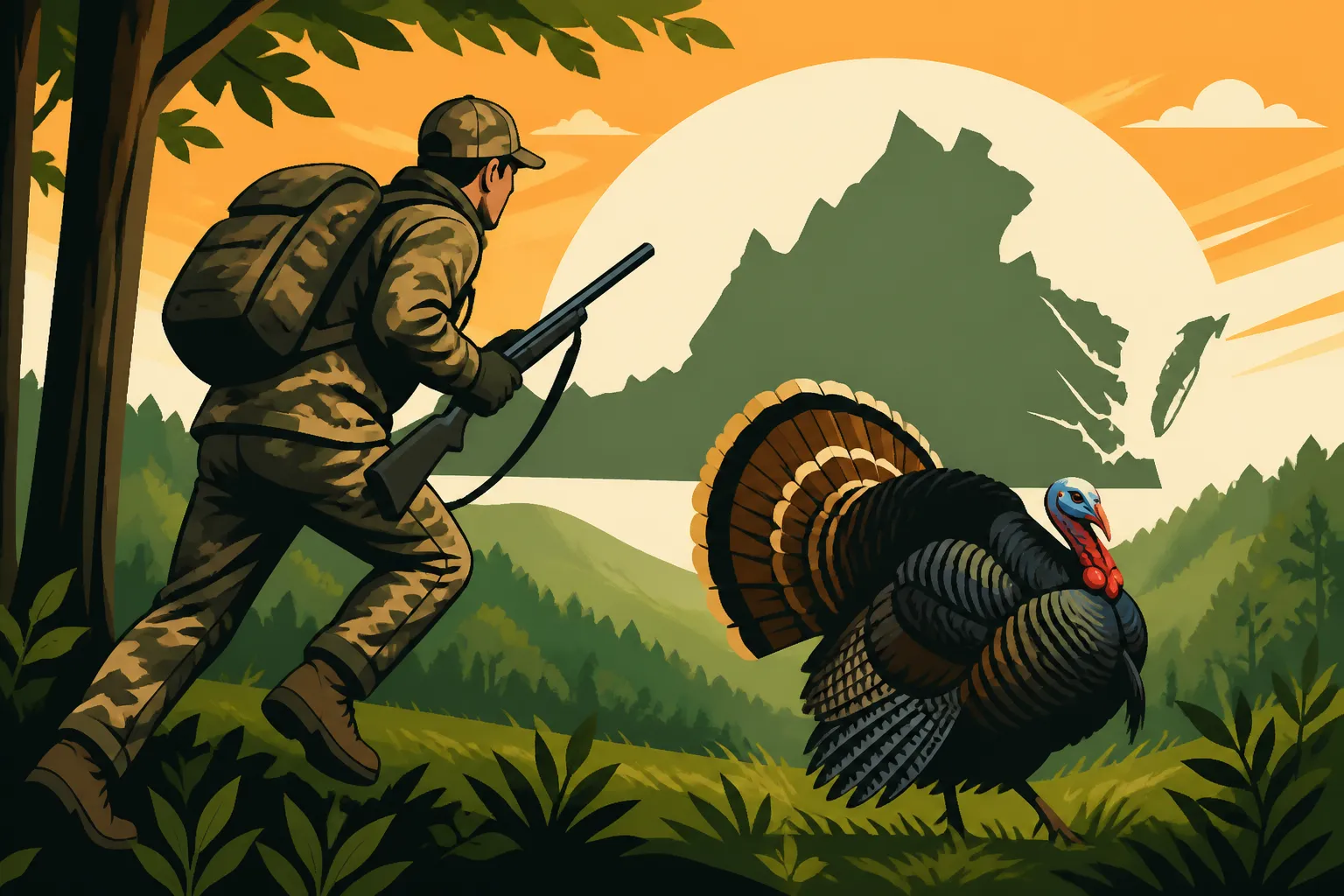
The frustration of sitting in one spot for hours, hoping a gobbler will eventually come to you, is something every turkey hunter on Virginia's public lands has experienced. When those birds are henned up or just plain quiet, traditional ambush tactics can feel like a fool's errand. This comprehensive guide will break down the run-and-gun method, a dynamic approach that puts you in control, allowing you to aggressively locate and engage Virginia gobblers, especially on heavily pressured public ground.
Understanding the Public Land Challenge
Public land turkey hunting in Virginia presents a unique set of hurdles. While the sheer acreage of places like the George Washington and Jefferson National Forests offers incredible opportunities, these areas also see significant hunter pressure. Learning to adapt your strategy, rather than simply sitting and waiting, is key to consistent success.
The Pressure Cooker Effect
Virginia's public lands, particularly the more accessible tracts within Wildlife Management Areas (WMAs) and National Forests, often become "pressure cooker" zones. Opening weekend and the first few weeks of the season can see a lot of hunters hitting the woods, and those wise old gobblers quickly learn to associate human calls with danger. They become more cautious, less vocal, and far more likely to slip away silently if they sense a hunter. This constant pressure pushes birds into thicker, less accessible areas, or makes them incredibly wary, often requiring a more mobile and adaptable approach.
This isn't to say birds disappear; they just get smarter. You might hear a gobbler sound off once or twice and then go completely silent, leading to endless second-guessing about whether he heard you or just moved off. When you're tied to a single spot, you're relying entirely on that bird making a mistake, or on pure luck. The run-and-gun method acknowledges this reality and empowers you to proactively seek out less pressured birds or find ways to get ahead of the ones that have gone quiet. It's about taking the initiative rather than passively waiting for the action to come to you.
Covering More Ground Effectively
Public land is vast, and a gobbler's range can be surprisingly large, especially when pressured. Sitting in one spot might mean you're a mile or more from the nearest bird, completely out of earshot. The beauty of run-and-gun is its emphasis on covering significant ground, quickly and quietly, to locate hot birds. Instead of hoping a distant gobble drifts your way, you're actively seeking out those "shock gobbles" or even just subtle signs of recent turkey activity. This is particularly crucial in mountain terrain where sound doesn't carry as far and turkeys might be spread out.
By constantly moving, you increase your odds of encountering a bird that hasn't been pressured by other hunters that day, or finding one that's simply in a more receptive mood. It's a method of intelligent exploration, systematically working through likely turkey habitat. This approach allows you to quickly eliminate unproductive areas and focus your efforts where turkeys are truly present and responsive. Think of it as painting with a wide brush initially, then narrowing down your focus to the exact spot where the colors are brightest.
Essential Gear for the Mobile Hunter
Being a successful run-and-gun turkey hunter means being efficient with your gear. Every ounce counts when you're covering miles of rugged Virginia terrain. The goal is to be light, agile, and prepared for quick setups.
Lightweight Calls and Decoys
When you're on the move, you can't be lugging around a vest full of half a dozen box calls, slate calls, and multiple decoys. Streamline your calling arsenal. A few versatile calls are all you need. Focus on diaphragm calls for hands-free calling while setting up or holding your gun. Supplement with one or two small, lightweight friction calls – a compact slate or glass call works wonders for realistic yelps and purrs, and a small box call can provide that loud, attention-grabbing sound when you need to reach out. For gobbling, a reliable gobble tube or shaker is often preferred for shock gobbling. You want calls that can produce a full range of turkey sounds without adding unnecessary bulk.
Decoy use in run-and-gun is also strategic. Instead of a full-strut tom, consider a lightweight hen decoy or a single jake. Brands like Primos and Avian-X offer compact, foldable decoys that fit easily into a vest and can be deployed in seconds. Sometimes, even just a fan decoy is enough to draw a curious gobbler in, especially if he's hung up. The key is to have something that offers a visual without slowing down your movement or making you conspicuous. Remember, you're trying to replicate a realistic scenario quickly, not build an elaborate stage.
Footwear and Pack Essentials
Your feet are your most important tool in run-and-gun hunting, so invest in quality footwear. Lightweight, waterproof hiking boots with good ankle support are crucial for navigating Virginia's varied terrain, from rocky mountain slopes to muddy river bottoms. Break them in well before the season to avoid blisters. For colder spring mornings, consider insulated boots, but for most of the season, breathability is key to prevent overheating as you cover ground. Think about boots from brands like Kenetrek or Crispi that offer durability and comfort.
Your pack or vest should be minimalist but well-organized. You need quick access to your calls, water, snacks, a headlamp (for those early morning starts or late evening walks out), a small first-aid kit, and essential navigational tools. The Virginia DWR app on your phone, coupled with a reliable external battery pack, can be an invaluable asset for checking property lines, particularly in areas near urban zones or private land. Many hunters also use dedicated mapping apps like GoHunt to mark successful spots, plan routes, and identify potential turkey roosting areas and travel corridors. This combination of physical and digital navigation ensures you know where you are and where you're going, even in dense cover. A lightweight foldable seat pad can also be a lifesaver for comfortable, quick setups against trees.
Your Shotgun Setup
For run-and-gun tactics, your shotgun needs to be a lean, mean, turkey-killing machine. A lightweight 12 or 20-gauge shotgun is preferred. Avoid heavy barrel models that will tire you out quickly. Consider shotguns like the Mossberg 500 series or the Benelli M2 Field, known for their reliability and relatively lighter weight. The exact features of your shotgun matter less than its feel and your proficiency with it. What does matter immensely is your choke tube and ammunition selection.
A tight turkey choke is non-negotiable for the dense patterns needed to anchor a bird at typical engagement ranges of 30-45 yards. Brands like Carlson's and Trulock offer excellent aftermarket chokes. Pair this with high-density tungsten super shot (TSS) loads. While more expensive, TSS offers superior downrange energy and tighter patterns than lead, giving you a greater effective range and confidence in clean kills. Pattern your shotgun extensively before the season with your chosen choke and load at various distances. Knowing exactly where your gun shoots and what its effective range is will instill the confidence you need when a gobbler finally struts into view after all that hard work. You want to be able to shoulder that gun quickly and know where the shot will go without hesitation.
Strategic Scouting for Run-and-Gun Success
Success in run-and-gun hunting isn't just about moving fast; it's about moving intelligently. That intelligence comes from thorough scouting, both before and during the season. Knowing where to run and where to stop and call significantly increases your odds.
Identifying Key Topography and Features
Before you ever step foot in the woods with your shotgun, spend time poring over maps – topographical maps, aerial imagery, and property line maps. Apps like GoHunt are fantastic for this, allowing you to identify critical features. Look for high points like ridges and saddles where sound will carry further, allowing you to effectively Roost Hunting Virginia Gobblers or just locate a distant bird. Identify logging roads, old clear-cuts, creek bottoms, and powerline cuts. These are natural travel corridors and can be excellent places to intercept a gobbler on the move. Also, pay attention to the transition zones between different habitat types – say, where mature timber meets younger regeneration or where a pine plantation gives way to hardwoods. These "edge habitats" are often preferred by turkeys.
Understanding the topography helps you predict how sound will travel and where a gobbler might approach from. For instance, on a steep ridge, a gobbler might hang up on a bench below you, unwilling to come straight uphill. Knowing this ahead of time allows you to adjust your setup accordingly. When you're out there, actively look for these features on the ground. A slight rise in the land, a gully, or a thicket of mountain laurel can be a perfect spot to pause, listen, and send out a series of calls. This advanced knowledge, gained through detailed Scouting Virginia Public Land Before Season, makes your in-the-moment decisions far more effective.
Locating Roosting and Feeding Areas
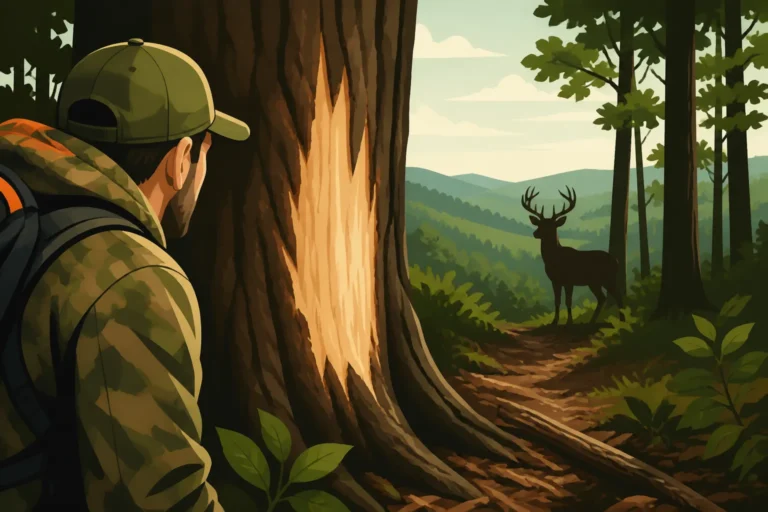
The goal of run-and-gun isn't just to cover ground; it's to cover productive ground. This means focusing your efforts on areas where turkeys are likely to be. Pre-season scouting, especially in late winter or early spring, is crucial for identifying roosting sites and primary feeding areas. Look for large, mature trees (often pines or tall hardwoods) along ridges or near water sources where turkeys prefer to spend the night. Droppings and scattered feathers on the ground beneath these trees are undeniable signs of a consistent roost. Mark these spots on your map.
In addition to roosts, pinpoint key feeding areas. Turkeys love fields, open woods with good mast crops (acorns, beechnuts), and areas with plenty of insects. If you find scratch marks, droppings, and dusting bowls, you're in a high-traffic area. Creek bottoms with soft soil are excellent places to find fresh turkey tracks. Pay attention to any agricultural fields adjacent to public land; turkeys will often use these in the morning before retreating to the woods. By identifying these critical locations beforehand, you can plan your run-and-gun routes to systematically hit these high-probability areas, increasing your chances of bumping into a gobbler or hearing one respond. Knowing where they should be helps you figure out where they are when you hit the woods.
Executing the Run-and-Gun System
Once you've done your scouting and geared up appropriately, it's time to put the run-and-gun strategy into action. This involves a delicate balance of stealth, aggressive calling, and quick adaptation.
Mastering the Silent Stalk and Soft Calling
The first rule of run-and-gun is often overlooked: move silently. While you're covering ground, you're doing so with the stealth of a predator. Avoid making excessive noise. Plan your routes to utilize old logging roads, game trails, or open timber when possible. When moving through dense cover, take slow, deliberate steps, lifting your feet rather than dragging them, and constantly scan the ground for obstacles. It's not about speed during the stalk, but efficiency and quietness. The goal is to hear the gobbler before he hears or sees you.
As you move, periodically stop in a good listening spot – perhaps a small knoll, a ridge point, or an opening in the timber – and use a soft, inquiry call. A few quiet tree yelps, clucks, or purrs, especially in the early morning or during the Hunting the Morning-Only Early Turkey Period, can often elicit a response from a nearby gobbler without alarming him. Don't immediately hit him with your loudest call. Think of it as a soft whisper to see if anyone is home. If you hear a distant gobble, pinpoint its direction, then adjust your route to cut the distance, always staying quiet and using terrain to your advantage. Remember, the goal is to get into a prime setup position unnoticed before you unleash more aggressive calling.
Aggressive Calling and Setup Strategies
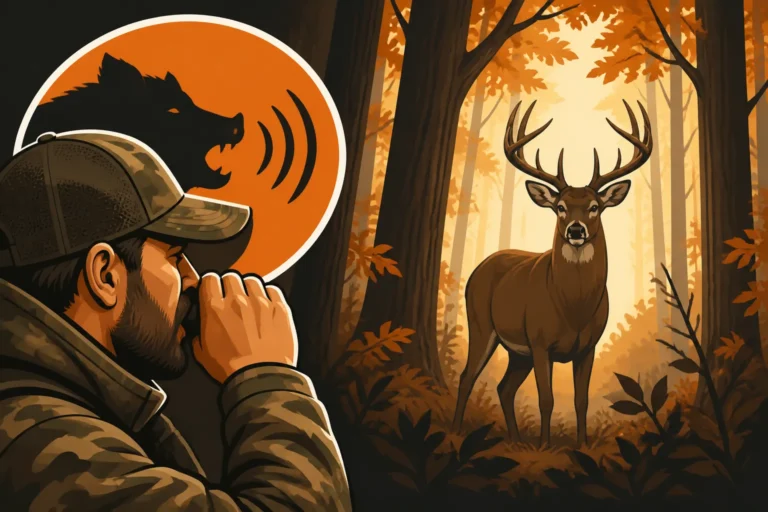
Once you've closed the distance on a bird, or if you're working a new area and need to locate one, it's time to get aggressive with your calling. This is where loud, assertive yelps, cutts, and even gobbler calls come into play. The idea is to shock a gobbler into responding, especially on pressured public land where they might be quieter. Don't be afraid to make some noise. Sometimes, that loud, confident series of cutts is exactly what a distant gobbler needs to hear to get him fired up. For this, a good locator call, like an owl hooter or crow call, can be invaluable to elicit a shock gobble without sounding like a hen.
When you get a response, quickly identify the best setup. Look for a tree wider than your shoulders that offers good concealment and a clear shooting lane in the direction you expect the gobbler to approach. Deploy your lightweight decoy, if using one, 15-20 yards out in that clear lane. Then, settle in, get comfortable, and be ready. The key here is speed and efficiency. You don't have time for elaborate setups. Your ability to move quickly from a searching phase to a ready-to-shoot phase is paramount. This rapid setup is what differentiates run-and-gun from more static calling.
Reading Gobbler Responses and Adapting
Perhaps the most critical skill in run-and-gun hunting is the ability to read a gobbler's responses and adapt your strategy on the fly. Not all gobblers respond the same way. Some will gobble their heads off and come charging in, while others might only give a soft cluck or a single gobble and then go silent. Your job is to interpret these subtle cues.
If a gobbler is gobbling aggressively and closing the distance, tone down your calling. Let him come. He's hot and on his way. If he hangs up out of sight, maybe a few soft purrs or clucks will entice him to take those last few steps. If he gobbles once or twice and then falls silent, he might be losing interest, or he could be slipping in quietly. This is where your observation skills and patience become crucial. Sometimes, silence on his part means it's time for you to move again, trying to get ahead of him or reposition yourself. Don't be afraid to break off an unproductive setup and relocate if the bird isn't committing. The beauty of run-and-gun is that you're not committed to any single spot. You're constantly evaluating, adapting, and moving to put yourself in the best possible position. This might mean trying a different sequence of Turkey Calls Worth Carrying in Virginia or even deploying a different type of Turkey Decoys That Work on Pressured Birds.
Here's a quick reference table for interpreting gobbler responses:
| Gobbler Response | Interpretation | Recommended Action (Run-and-Gun) |
|---|---|---|
| Aggressive, Frequent Gobbling | He's hot, interested, and likely closing. | Decrease calling volume & frequency. Get ready, he's coming. Be absolutely still. |
| Gobbling, but Not Moving Closer | Hung up, perhaps looking for the hen to come to him, or has a hen. | Soft, seductive calling (clucks, purrs). Consider a slight reposition if possible, or try a jake/hen decoy if you have one. |
| Single Gobble, Then Silence | Could be wary, moving away, or slipping in quietly. | Wait 10-15 minutes in silence. If no further response, either try a more aggressive call or move to a new spot. Scan carefully. |
| "Tree" Gobble from Roost | Still on the roost, likely waiting for hens. | Use soft tree yelps. Try to get close enough for him to fly down in your direction. Be set up before fly down. |
| Goes Silent After Calling | He might be spooked, or he's seen you. | Remain absolutely still for a long time. If no activity, slowly back out and try a different area. Assume he knows you're there. |
| Gobbling Far Away | He's receptive, but distant. | Quickly and quietly close the distance. Use locator calls (crow, owl) to gauge exact position. Get set up then call more aggressively. |
Navigating Virginia's Diverse Public Lands
Virginia offers a rich tapestry of public hunting opportunities, from the towering hardwoods of the mountains to the dense swamps of the Tidewater. Successfully applying run-and-gun tactics means understanding how turkeys behave in these diverse environments and adjusting your approach accordingly.
Mountains, Forests, and Ridge Systems
The vastness of the George Washington and Jefferson National Forests can be daunting, but it's also a run-and-gun paradise. Turkeys in these rugged areas often follow ridge lines and benches. Sound travels differently here, often getting absorbed by dense timber or echoing in confusing ways. Early mornings, focus on higher elevations, listening for gobblers still on the roost. Once they fly down, they often head down into hollows or to south-facing slopes to feed on insects and warming sun. Your strategy should involve systematically working parallel to ridge lines or dropping into hollows, stopping every few hundred yards to call and listen.
Be prepared for steep climbs and long walks. This is where that lightweight gear and good footwear truly pay off. Gobblers in these areas can be incredibly wary due to elevation changes providing them with natural escape routes and visibility. If a bird gobbles on an adjacent ridge, don't be afraid to make a full loop to approach from a different angle, especially if you think he's hung up. Remember that turkeys, like deer, will often travel on benches just below the ridgetop to avoid being silhouetted. Utilizing the terrain for concealment as you move is paramount. Understanding how wind and thermals on a Blue Ridge Slope affect sound and scent is also critical here.
Piedmont Woodlots and River Bottoms
The Piedmont region, with its mix of rolling hills, agricultural fields, and fragmented woodlots, offers a different challenge. Public access here might be smaller, often in the form of WMAs like Amelia Wildlife Management Area or James River Wildlife Management Area. Turkeys in these areas are often more concentrated due to limited habitat, but also tend to be more pressured. River bottoms can be fantastic, as turkeys will roost in large hardwoods along the water and feed in the fertile floodplains. However, these areas can be thick with undergrowth, making silent movement difficult.
In these environments, run-and-gun involves systematically working through woodlots, focusing on field edges, creek drainages, and areas with good mast production. You'll likely encounter more private land boundaries, so pay extra close attention to your map apps like GoHunt to avoid trespassing. When you hear a gobbler, try to determine if he's on public or private land. If he's on private and won't cross, sometimes the best you can do is learn his patterns and try to intercept him as he moves onto public ground later in the day. On these smaller public tracts, being extra cautious about Hunting Pressure on Virginia Public Land and other hunters is crucial.
Handling Pressure on WMAs
Virginia Wildlife Management Areas (WMAs) are fantastic resources, but they often concentrate hunters. Run-and-gun tactics can still be effective, but they require even more finesse. The key is to get away from the easy access points and walk further than most hunters are willing to go. While everyone else is working the first few hundred yards of timber off the parking lot, you should be a mile or two deep, hitting areas that receive less pressure. This is where your physical conditioning and dedication to covering ground truly pay off, allowing you to find Finding Ground Others Walk Past.
When you're working a WMA, be hyper-aware of other hunters. Use locator calls responsibly to avoid interfering with other hunters' setups. If you hear another hunter calling, give them a wide berth. The goal is to find your own unpressured bird, not to compete for one. Sometimes, what sounds like a distant gobble might actually be another hunter's call echoing. Always prioritize safety and respect. WMAs are also excellent places to practice your skills because of the consistent turkey populations. Don't forget that if you're hunting during the Hunting the All-Day Late Turkey Period, turkey behavior changes, and they might be more receptive to midday calling.
Safety and Ethics in Fast-Paced Hunting
Being mobile and aggressive in the turkey woods, especially on public land, comes with significant responsibilities. Prioritizing safety and ethical conduct is paramount, both for your well-being and for the reputation of all hunters.
Situational Awareness and Hunter Visibility
When you're moving constantly and focusing intently on finding a turkey, it's easy to let your guard down regarding other people in the woods. This is especially true on public lands like the George Washington National Forest Hunting areas or any WMA during turkey season. Always assume there are other hunters around, even if you haven't seen them. Never approach a gobbler you haven't positively identified as a real bird. The safest rule of thumb is: if you didn't see him gobble, you don't shoot.
Wear some blaze orange when moving between calling locations, especially if you're carrying a harvested bird. While not strictly required for turkey hunting in Virginia once you're set up, having some visible orange on your person during your active movements can prevent dangerous mistaken identity incidents. As you approach a new area, pause and scan for any signs of other hunters – parked vehicles, orange flagging, or even the sound of another call. If you hear another hunter, give them plenty of space and adjust your route to avoid interfering with their hunt. Safety should always be your number one concern.
Respecting Boundaries and Other Hunters
Virginia's public lands are often bordered by private property, sometimes with subtle or unclear markings. When employing run-and-gun tactics, you're constantly moving, and it can be easy to inadvertently cross a property line. This is where your digital mapping tools, like the DWR app or GoHunt, are non-negotiable. Constantly reference your location to avoid trespassing. Knowing Virginia Spring Turkey Season Rules and understanding specific county regulations is also key, as some areas may have different public land designations or special hunt rules.
Furthermore, respect for other hunters is crucial. Nothing ruins a hunt faster than another hunter busting in on your setup or calling over you. If you observe another hunter, calmly and quietly back out of the area and find new ground. It's a vast forest, and there are other birds. Good sportsmanship and courtesy contribute to a positive hunting experience for everyone. When you finally tag out, make sure to follow all Virginia Turkey Checking Requirements promptly. The run-and-gun method is about assertive hunting, not aggressive interaction with other people. It's about outsmarting the bird, not outmaneuvering fellow sportsmen.
Disclaimer
Please note that hunting regulations, seasons, and licensing requirements can change. Always consult the most current Virginia Department of Wildlife Resources (DWR) regulations before heading afield. This guide is for informational purposes only and does not supersede official DWR guidelines. Be safe, be ethical, and have fun.