Hunting Virginia’s Year-Round Feral Hogs
If you've spent any time scouting in parts of Virginia, especially in the southern Piedmont or certain areas of the Tidewater region, you've likely seen the tell-tale signs: rooted-up fields, muddy wallows, and trails torn through thickets. These aren't the work of a misplaced tractor or an overly enthusiastic deer herd; they're the signature of Virginia's rapidly expanding, highly destructive, and surprisingly elusive feral hog population. Dealing with these intelligent and prolific invaders can feel like an endless battle for landowners and hunters alike. This comprehensive guide will equip you with the knowledge, strategies, and understanding of regulations necessary to effectively pursue and manage feral hogs year-round across the Commonwealth, whether you’re on private land or exploring the limited public opportunities.
Understanding the Feral Hog Problem in Virginia
Feral hogs, often referred to as wild pigs or razorbacks, are a significant and growing concern across Virginia. They aren't native to the ecosystem and their presence leads to widespread ecological damage and agricultural losses. To effectively hunt them, you first need to understand their nature and where they're causing the most trouble.
The Invasive Nature of Feral Hogs
Feral hogs are essentially domestic pigs that have escaped captivity and adapted to survive and reproduce in the wild. This adaptation has given them incredible resilience and a high reproductive rate, making them one of the most destructive invasive species in North America. They breed year-round, with sows capable of having two litters of 4-10 piglets annually, sometimes even more under ideal conditions. This exponential growth rate means that even if hunters remove a significant number of hogs, the population can quickly rebound if control efforts aren't sustained and comprehensive. Their intelligence and nocturnal habits further complicate efforts to control them, allowing them to evade detection and adapt to hunting pressure remarkably well.
Their omnivorous diet means they'll eat just about anything – crops, acorns, roots, tubers, insects, small mammals, reptiles, ground-nesting bird eggs, and even fawns. This insatiable appetite directly competes with native wildlife like deer, turkeys, and bears for crucial food sources, especially acorns, which are a vital part of the autumn diet for many species. Beyond direct predation and competition, their destructive rooting behavior, where they plow through topsoil with their snouts, destroys habitats, contaminates water sources, and creates significant erosion issues. Imagine a prized oak flat, typically teeming with deer and squirrel activity, transformed into a barren, cratered landscape overnight. That's the reality where feral hogs establish a foothold.
Where Feral Hogs Roam in Virginia
While feral hogs aren't as widespread across Virginia as they are in some southern states, their populations are firmly established and expanding, particularly in the southern and southeastern parts of the Commonwealth. The highest concentrations are generally found in the southern Piedmont counties bordering North Carolina, such as Southampton, Sussex, Greensville, and Brunswick. These areas often feature a mix of dense timber, agricultural fields, and swampy river bottoms, providing ideal habitat for hogs to thrive and evade detection. They also prefer areas with significant water sources, often found near rivers and creeks, which they use for wallowing and cooling off, especially during the warmer months.
Beyond the southern Piedmont, scattered populations have been reported in other regions, including parts of the Tidewater and even some western counties. These isolated populations are often the result of illegal releases, which sadly continue to contribute to their spread despite the serious environmental consequences. For hunters, knowing these hotspots is crucial. If you're hunting in Southampton County, for instance, you should always be on the lookout for hog sign, as it's one of the counties where Which Virginia Counties Have the Most Hogs and their associated damage are most prevalent. Even if you don't target them specifically, being prepared to encounter and ethically harvest a hog is part of responsible hunting in these areas.
Impact on Wildlife and Agriculture
The ecological and economic damage caused by feral hogs is staggering. Agriculturally, they are notorious for destroying crops like corn, soybeans, peanuts, and even specialty crops. Farmers in affected areas report significant losses annually. The rooting behavior can devastate a freshly planted field overnight, requiring replanting and increased input costs. Beyond direct crop consumption, their constant trampling and wallowing compact soil, damage irrigation systems, and can spread diseases to livestock. For those unfamiliar with the extent of the problem, consider the article on Crop Damage Hogs Cause in Virginia; it really puts into perspective the financial burden these animals place on the agricultural community.
From a wildlife perspective, the impact is equally grim. Feral hogs are direct competitors with native species for food resources. During an acorn mast year, their efficient feeding can strip the forest floor, leaving less for deer, bears, and turkeys. They are also opportunistic predators, known to predate on deer fawns, turkey poults, and the nests of ground-nesting birds, contributing to declines in populations of these valuable game species. Furthermore, hogs carry a host of diseases, including brucellosis, leptospirosis, and pseudorabies, which can be transmitted to livestock, domestic animals, and even humans. This disease vector aspect adds another layer of concern for wildlife managers and public health officials. Their presence fundamentally alters the delicate balance of Virginia's ecosystems, making their control a top priority for conservation.
Virginia's Unique Regulations for Feral Hogs
Hunting feral hogs in Virginia comes with a set of regulations that are quite distinct from those governing native game animals. Unlike deer or turkey, hogs are classified as an invasive, non-native species, and the Virginia Department of Wildlife Resources (DWR) encourages their removal to mitigate their negative impacts. This means some very hunter-friendly rules, but also some important distinctions between private and public land.
Year-Round Hunting on Private Land
This is where Virginia's approach to feral hogs truly stands out. On private land, there are essentially no closed seasons, no bag limits, and no time-of-day restrictions for hunting feral hogs. This means you can pursue them 365 days a year, at any hour, day or night. It's an aggressive stance designed to give landowners and hunters maximum flexibility in controlling these destructive animals. The DWR views their removal as a conservation effort, and they've structured the regulations to reflect that urgency. You don't need a specific tag for a feral hog, nor do you need to report your harvest to the DWR, which differs significantly from deer or bear.
The freedom to hunt them year-round, including during prime times like summer nights when hogs are most active, offers incredible opportunities. For many hunters, this means the chance to get out in the woods even when traditional deer or turkey seasons are closed. It's a fantastic way to sharpen your skills, contribute to conservation, and put some wild game on the table. However, this flexibility also comes with a critical responsibility: you must have express permission from the landowner to hunt on private property. Even if you're on land you typically hunt for deer, ensure you discuss your intent to hunt hogs with the landowner. This protects you legally and maintains good relationships, which are vital for hunting access in Virginia. The article, Virginia's Year-Round Hog Rule on Private Land, elaborates on this freedom and responsibility.
Public Land Restrictions and Opportunities
Hunting feral hogs on Virginia's public lands, such as National Forests or Wildlife Management Areas (WMAs), is a different ballgame entirely. While the DWR still encourages their removal, the regulations for public lands are far more restrictive. You cannot simply hunt hogs year-round with any weapon on public ground. Instead, hogs can only be harvested during the open seasons for other game species, and only with the legal weapons permitted for that specific season and that specific area. For example, if you're hunting deer during the general firearms season on a WMA, and you encounter a feral hog, you can harvest it with your rifle. But if it's outside of deer season, or if you're in an archery-only zone during archery season, you must adhere to those specific weapon and season rules.
This distinction is critical for hunters. You can't set up a night vision hog hunt on public land, nor can you use bait or traps specifically for hogs on most public properties. Always check the specific regulations for the WMA or National Forest you plan to hunt, as rules can vary. The DWR's Go Outdoors Virginia platform is an excellent resource for checking WMA-specific rules. While public land opportunities are more limited, they do exist, particularly as incidental harvests during other game seasons. If you're still-hunting for deer in the Jefferson National Forest, and a group of hogs crosses your path, you have an opportunity to make an ethical harvest and contribute to management. This highlights the importance of always being aware of your surroundings and the potential for an unexpected encounter with these animals.
Legal Weapons and Methods
Given the year-round, open-ended nature of hog hunting on private land, you have a wide array of legal weapons and methods at your disposal. This flexibility is a significant advantage for hunters targeting these resilient animals.
- Firearms: Rifles, shotguns, and handguns are all legal. Common rifle calibers include .223/5.56, .308, 6.5 Creedmoor, and .30-06. The key is to use a caliber that delivers enough energy to ensure a quick, humane kill on a tough animal, as hogs can sometimes weigh several hundred pounds. For shotguns, slugs are effective, especially in dense cover where shots are close.
- Archery Equipment: Traditional bows, compound bows, and crossbows are all legal. As with firearms, ensure your setup (draw weight, arrow/bolt weight, broadhead choice) is sufficient for a quick kill. Mechanical or fixed-blade broadheads are both acceptable, but choose one known for penetration. For specifics on crossbow use, you can refer to Crossbow Rules During Virginia Archery Season, although for hogs on private land, these rules are generally less restrictive.
- Trapping: Feral hog trapping is a highly effective, and often necessary, method for reducing populations, especially when dealing with sounders (groups of hogs). Trapping allows for the capture of multiple animals at once, which is crucial given their high reproductive rate. Large corral traps with remote triggering systems are particularly efficient. This method is often employed by landowners or professional trappers to achieve significant population control. For a deeper dive into this, consult Trapping Virginia Feral Hogs.
- Night Hunting: On private land, night hunting is explicitly permitted for feral hogs, often with the aid of artificial lights, thermal optics, or night vision devices. This is a game-changer because hogs are primarily nocturnal, especially in areas with hunting pressure. Utilizing technology like thermal scopes allows hunters to identify and engage hogs in complete darkness, significantly increasing success rates. We'll delve deeper into this exciting method later.
- Baiting: You can legally use bait to attract feral hogs on private land. This is a common and effective tactic, often involving corn or fermented grains. Setting up feeders or simply broadcasting bait can concentrate hogs in a specific area, making them more predictable for stand hunting or trapping.
It's important to remember that while these methods are legal for hogs on private land, they are generally not permitted for other game species in Virginia, and public land rules for hogs will mimic game animal rules. Always double-check county ordinances as well, as some local jurisdictions might have specific rules regarding firearm discharge or noise.
Scouting and Locating Feral Hogs
Locating feral hogs is often the biggest challenge in hunting them. They are masters of stealth, particularly in dense cover, and their movements can be erratic. Effective scouting is paramount to success, whether you're a seasoned hunter or just starting out.
Identifying Hog Sign and Damage
The first step in finding hogs is recognizing their presence. Unlike deer, which leave distinct tracks and rubs, hog sign is often much more destructive and widespread.
- Rooting: This is the most obvious sign. Hogs use their powerful snouts to dig up soil in search of roots, tubers, insects, and grubs. This leaves behind torn-up earth, resembling a plowed field or a rototilled garden, often several inches deep. Look for fresh rooting in moist areas, along creek bottoms, or in agricultural fields, especially after a rain.
- Wallows: Hogs love to cool off and cover themselves in mud, particularly during warmer months. These wallows are muddy depressions, often near water sources, that will show distinct body impressions and hair rubbed off on nearby trees or stumps. A fresh wallow with wet mud is a clear indicator of recent activity.
- Tracks: Hog tracks are cloven, similar to deer, but they are generally rounder and wider, with shorter, blunter toes. The dewclaws (the smaller "toes" higher up on the leg) often register in the mud, especially on larger hogs, giving the track a four-point appearance. Look for them in soft soil along trails, creek beds, or around wallows.
- Scat: Feral hog droppings can vary widely depending on their diet. They are generally irregular in shape and size, often lumpy and dark, containing undigested plant matter, seeds, or even insect parts. You might find them along trails or near feeding areas.
- Rubbing: Hogs will rub against trees, fences, and posts to remove mud, parasites, and shed hair. Look for muddy streaks or coarse, dark hair matted onto bark, often at varying heights from ankle to shoulder level. These "rub trees" can be excellent indicators of travel corridors.
- Trails: Hogs create distinct trails through dense undergrowth, often wider and more worn than deer trails. They tend to follow the path of least resistance, especially when traveling between bedding and feeding areas.
When scouting, focus on areas that offer a combination of dense cover (like swamp edges, thickets, or pine plantations), water sources, and food sources (oak flats, agricultural fields). Pay close attention to transition zones between these habitat types, as hogs frequently travel these corridors.
Seasonal Movements and Food Sources
Feral hog movements are heavily dictated by food availability and weather. Understanding these patterns will help you predict where they might be at different times of the year.
- Spring/Summer: As temperatures rise, hogs will seek out water and shade. They'll spend more time in swampy areas, creek bottoms, and dense, cool cover. They'll feed on green vegetation, roots, and early-season crops. Wallows will be heavily used. Night activity will increase dramatically to avoid the heat. This is a prime time for night hunting or setting up stands near water sources.
- Fall: This is a crucial time as hard mast, particularly acorns, becomes available. Hogs will concentrate in oak forests, aggressively rooting up acorns. This competition for food can impact deer hunting significantly. If it's a poor acorn year, they might shift more towards agricultural fields or other available food sources, such as persimmons or wild grapes. Understanding Hunting After a Poor Acorn Year becomes even more critical when hogs are in the mix, as their competitive feeding can intensify the challenge for native game.
- Winter: During colder months, hogs will focus on calorie-rich food sources. They'll still root for tubers and remaining acorns, but might also shift towards agricultural fields where they can find leftover crop residue. Dense thermal cover becomes more important for bedding. Their activity during daylight hours might increase slightly in winter as they seek warmth from the sun, but they'll still largely stick to cover.
To maximize your scouting efforts, consider utilizing mapping tools that allow you to overlay property lines, topographic maps, and aerial imagery. Modern hunting apps, like GoHunt, offer detailed satellite imagery that can help identify potential bedding areas, travel corridors, and water sources before you even set foot in the woods. This digital reconnaissance can save you countless hours and pinpoint high-probability areas for physical scouting.
Utilizing Technology for Scouting
In today's hunting world, technology can be a massive advantage, especially when pursuing an intelligent and elusive animal like the feral hog. Leveraging digital mapping, trail cameras, and even drones (where legal and ethical) can significantly increase your scouting efficiency and success rate.
- Mapping Apps (GoHunt, onX Hunt): These applications are indispensable. They provide detailed topographic maps, aerial imagery, and property boundary overlays. With tools like GoHunt, you can mark potential hog sign, wallows, rooting areas, and travel routes directly on the map. This creates a digital diary of activity that helps you establish patterns. For instance, if you're consistently seeing rooting activity in a specific bottomland area, you can mark it and then scout for trails leading to nearby bedding cover. You can also identify dense creek drainages or thick pine plantations that might serve as ideal daytime bedding areas, then plan your approach to minimize detection.
- Trail Cameras: Trail cameras are your eyes in the woods 24/7. Place them along suspected hog trails, near wallows, or over active rooting areas. Set them to video mode for better identification and to gauge the size of sounders. Many cellular trail cameras can send images directly to your phone, providing real-time intelligence on hog movements. This is incredibly valuable for confirming nocturnal activity patterns and identifying specific travel times. If you're seeing hogs consistently at 2 AM in a particular area, that's your cue to plan a night hunt.
- Drones (for scouting private land only, with permission): While not legal for hunting in most places, drones can be a powerful scouting tool on large private tracts, especially for identifying dense cover or hidden fields that are inaccessible on foot. Flying a drone over thick swamp bottoms or dense pine thickets can sometimes reveal wallows or active rooting that would otherwise go unnoticed. Always ensure you have landowner permission and are aware of any airspace restrictions before flying.
Remember, technology supplements, but doesn't replace, boots-on-the-ground scouting. The most effective approach combines digital reconnaissance with physical verification and a keen eye for fresh sign. The more data points you collect, the better your understanding of the local hog population will be, and the higher your chances of success.
Effective Hunting Methods for Virginia Hogs
Given the unique characteristics of feral hogs and the year-round opportunities available on private land, hunters can employ a variety of methods. Each approach has its strengths and weaknesses, and the most successful hunters often integrate several tactics depending on the situation and terrain.
Still-Hunting and Stalking Tactics
Still-hunting and stalking are classic methods that can be highly effective for feral hogs, particularly in areas with dense cover where shots are likely to be close. This approach demands patience, stealth, and a keen understanding of wind direction.
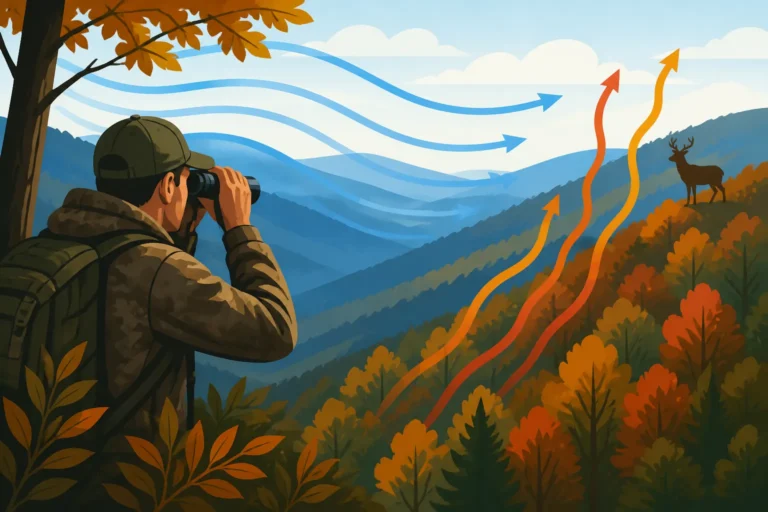
When still-hunting, you move slowly and deliberately through the woods, stopping frequently to observe, listen, and scan for movement or fresh sign. Hogs have an excellent sense of smell, decent hearing, but relatively poor eyesight, especially compared to deer. This means playing the wind is absolutely critical. Always try to hunt into or across the wind, ensuring your scent isn't blowing towards where you expect hogs to be. Walk slowly, lifting your feet rather than dragging, and use natural cover to break up your silhouette. Focus on transition areas – the edges of thickets, creek bottoms, and where different timber types meet. Hogs will often travel these boundaries.
Stalking takes still-hunting a step further. Once you've identified hog sign or, even better, spotted hogs from a distance, the goal is to close the distance for an ethical shot without being detected. This requires extreme stealth. Use available cover, move during windy conditions (which helps muffle sound), and avoid crunching leaves or breaking twigs. If you're stalking a sounder, remember that there are many sets of ears and noses, making it even more challenging. Often, it's best to wait for them to feed or move into a position where one hog is separated or offers a clear, unobstructed shot. This method can be incredibly rewarding, offering a true test of your hunting skills against an intelligent and wary adversary. It's also a great skill to practice when you're deer hunting, as being able to effectively still-hunt can also benefit your Still-Hunting Jefferson Forest Ridges for whitetails.
Stand Hunting Over Bait or Food Sources
Stand hunting is a popular and often highly effective method for targeting feral hogs, especially on private land where baiting is legal. This approach capitalizes on the hog's predictable need for food, water, and security.
The first step is identifying a suitable location. This could be an active feeding area, such as a field edge where hogs are regularly entering to feed on crops, or a natural food source like an oak flat during acorn season. However, the most consistent results often come from baiting. Establishing a consistent bait site, typically with corn, fermented grain, or a commercial hog attractant, can draw hogs into a specific area and create a pattern of visitation. You'll need to regularly replenish the bait to keep them coming back. Trail cameras are invaluable here to confirm hog activity, identify the size of the sounder, and determine their preferred times of visitation.
Once you have an active bait site, choose your stand location carefully. You can use a traditional treestand, a ground blind, or even a natural blind built from brush. The key is to position yourself downwind of the bait, with a clear shooting lane, while remaining concealed. Hogs will often approach bait cautiously, so give yourself enough time and try to be in your stand well before you expect them. Since hogs are primarily nocturnal, especially under hunting pressure, a stand hunt often means an evening sit, transitioning into darkness. This makes it an ideal method for utilizing night vision or thermal optics. Patience is your best friend here; hogs can be unpredictable, sometimes showing up right at dusk, other times in the middle of the night.
Trapping as a Control Measure
While hunting offers exciting opportunities for individual harvest, trapping is often the most efficient and effective method for significant population control of feral hogs, particularly when dealing with large sounders. The DWR strongly advocates for trapping as a primary control tool.
Hog traps typically consist of large, sturdy enclosures, often circular or rectangular, made from heavy-duty hog panel fencing. They feature a gate system (e.g., guillotine, rooter, or saloon door style) that can be triggered by the hogs themselves or, increasingly, remotely via cellular technology. The key to successful trapping is pre-baiting. Before setting the trap to trigger, you'll bait the area heavily for several days, or even weeks, leaving the trap gate open. This conditions the hogs to enter the trap freely and become accustomed to feeding within its confines. Once trail camera photos confirm that the entire sounder, including the dominant sow, is regularly entering and feeding, you can set the trap to trigger or activate it remotely.
Remote trigger systems are a game-changer because they allow you to watch the trap via a cellular trail camera and trigger the gate only when the desired number of hogs are inside. This prevents catching only a few hogs and spooking the rest of the sounder, which can make them trap-shy. For a deep dive into the specifics of trap types, baiting strategies, and remote triggering systems, the article Trapping Virginia Feral Hogs provides excellent detail. Remember, trapping is a commitment; it requires consistent monitoring, baiting, and the ability to humanely dispatch captured animals. However, for landowners facing severe hog depredation, it is often the most impactful solution for reducing numbers.
Night Hunting and Thermal/Night Vision Tactics
Night hunting for feral hogs on private land is not just an option; it's often the most effective strategy, especially in areas where hogs have become largely nocturnal due to hunting pressure. Virginia's generous regulations for private land allow hunters to fully embrace this tactic.
Legalities of Night Hunting in Virginia
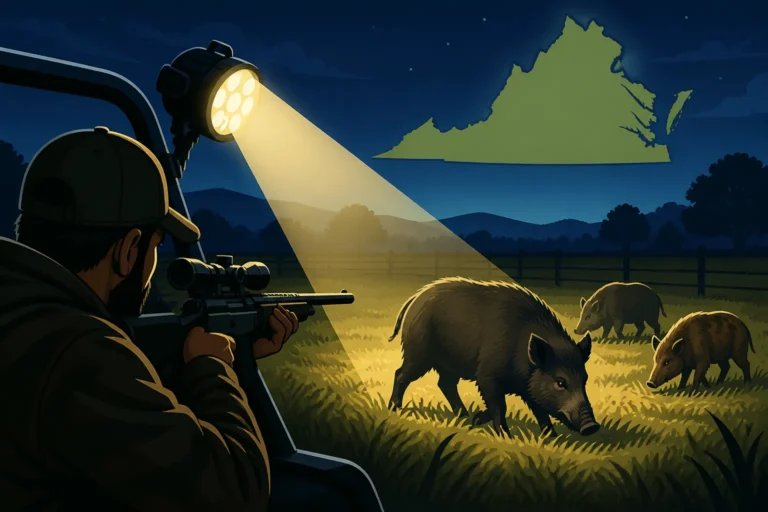
As previously mentioned, on private land in Virginia, you can legally hunt feral hogs at night. This includes the use of artificial lights, such as spotlights or weapon-mounted lights, and advanced optics like thermal and night vision devices. This is a significant advantage, as it aligns perfectly with the hogs' natural behavior and their tendency to avoid humans during daylight hours. There are no specific hour restrictions; if you have permission to be on the land, you can hunt hogs any time of day or night.
However, the critical distinction to remember is that this freedom only applies to private land. Night hunting for hogs, or any game, is generally prohibited on Virginia's public lands. Always verify the specific rules for the property you intend to hunt. For example, if you're thinking about Night Hunting Hogs With Lights on Private Land, you're typically good to go, provided you have explicit landowner permission. It’s important to communicate your intentions clearly with the landowner, especially regarding the use of lights and firearms at night. They need to be comfortable with the activity on their property.
Equipment Essentials for Low Light
Successful night hunting relies heavily on specialized gear that allows you to see in the dark and make accurate shots. This isn't your grandfather's deer hunting setup; it requires investment in modern optics.
- Thermal Optics: Thermal imaging devices detect heat signatures, making hogs (which have a distinct heat signature) stand out starkly against cooler backgrounds like trees and brush. They work incredibly well even in complete darkness, fog, or light rain. You can get thermal monoculars for scanning and spotting, and thermal scopes for weapon mounting. While an investment, a good thermal scope is arguably the most effective tool for night hog hunting. Brands like Pulsar, ATN, and AGM Global Vision are popular choices among hog hunters.
- Night Vision Optics: Night vision devices amplify ambient light (starlight, moonlight). They provide a green-tinted image and excel in areas with some ambient light. They don't "see" heat, so hogs won't glow as they do with thermal, but they offer better resolution for target identification in some conditions. Like thermal, you can find night vision monoculars and weapon-mounted scopes.
- Artificial Lights: Weapon-mounted spotlights or scan lights are a more budget-friendly option and are highly effective. Green or red lights are often preferred as hogs don't seem as bothered by them as they are by white light. A good quality, powerful light that illuminates up to 100-200 yards is sufficient for most night hunting scenarios. Some hunters use a white light for tracking after the shot, but primarily rely on colored lights or NV/thermal for the actual hunt.
- A Reliable Rifle: Your rifle needs to be accurately zeroed with your chosen night optic. A quick-detach mount for your thermal or night vision scope can be beneficial if you also use the rifle for daytime hunting with a traditional scope.
- Support Gear: A good bipod or shooting sticks are crucial for steadying your shot in the dark. A powerful headlamp for setting up and recovering game, and a sturdy pack to carry your gear, are also essential.
Understanding Thermal and Night Vision Rules in Virginia is also helpful, as it clarifies their legal use for hogs specifically, while restricting them for other species. Investing in quality optics is paramount for safety and ethical shooting in low-light conditions.
Strategies for Success After Dark
Once you have the right gear and understand the legalities, developing effective night hunting strategies is the next step.
- Scout During the Day, Hunt at Night: Even though you're hunting after dark, daytime scouting is crucial. Identify travel corridors, water sources, wallows, and feeding areas. Set up trail cameras to confirm nocturnal patterns and observe entry/exit points to fields or bait sites. Knowing the terrain inside and out during daylight hours prevents getting disoriented at night.
- Stand and Wait: This is the most common and effective night hunting method. Set up a ground blind or treestand overlooking a known hog travel route, a water source, or a bait site. Be in position well before dark. Use your thermal or night vision scanner to constantly sweep the area. Hogs often approach silently, and your optics are your primary warning system.
- Stalking with Thermal/NV: If you're hunting a large private property and have confidence in your ability to navigate silently, stalking with thermal or night vision can be incredibly exciting. Use your handheld thermal monocular to scan open fields or clearings for heat signatures. Once you spot hogs, use terrain and wind to slowly close the distance, always being mindful of ambient noise and your scent. This method is often best for smaller sounders or isolated hogs, as larger groups are harder to approach undetected.
- Wind and Approach: Always prioritize wind direction. Hogs have an exceptional sense of smell, and a shift in wind can bust your hunt instantly. Plan your entry and exit routes to ensure you're always approaching downwind.
- Shot Placement: Hogs are notoriously tough animals, and their vitals are positioned slightly differently than a deer's, often lower and more forward. Aim for the ear or the crease behind the ear for a quick brain or spine shot, or a double-lung/heart shot just behind the shoulder. Take your time, get steady, and only take a shot you're confident in.
- Post-Shot Recovery: After the shot, use a powerful white light to scan the area for the hog. If it runs, mark the last spot you saw it and listen for sounds of a crash. Give the animal some time if you suspect a good hit but it didn't drop immediately. Tracking in the dark can be challenging, even with thermal or night vision, so having a good, bright flashlight and potentially a tracking dog can be invaluable.
Night hunting for hogs is an immersive and thrilling experience, offering a unique challenge and a valuable contribution to Virginia's conservation efforts.
Choosing the Right Gear and Caliber
Selecting the appropriate gear and caliber for hunting feral hogs in Virginia is crucial for ensuring humane harvests and maximizing your success. Hogs are tough, resilient animals, and they demand equipment that can deliver sufficient power and precision.
Rifle and Ammunition Choices
When it comes to rifles, hunters have a wide array of options, but the key is choosing a caliber with enough stopping power and an ammunition type designed for penetration.
- Caliber Selection: For most feral hogs in Virginia, which can range from 100 to 300+ pounds, a medium-bore rifle caliber is ideal.
- .223 Remington/5.56 NATO: While some argue it's on the lighter side, with a well-placed shot and appropriate bullet construction (e.g., bonded or monolithic bullets), a .223 can be effective, especially for younger hogs or brain shots. It's a popular choice due to low recoil and availability.
- 6.5 Creedmoor: This caliber offers excellent ballistic performance, good energy transfer, and moderate recoil, making it a highly effective choice for hogs. It's accurate and has enough punch for larger hogs.
- .308 Winchester: A classic workhorse, the .308 is an excellent all-around choice for hogs. It delivers plenty of energy, has a flatter trajectory than some heavier calibers, and ammunition is widely available. It's a superb choice for shots in dense timber or across moderate ranges.
- .30-06 Springfield: Another legendary caliber, the .30-06 offers even more power than the .308, making it suitable for any size hog you might encounter. It's a versatile choice, particularly in areas where shots might extend a bit further or hogs are consistently larger.
- Larger Calibers (.270, .300 Win Mag): These are certainly capable of taking down hogs, often with authority. If you primarily hunt deer with these calibers, they will work perfectly well for hogs too.
- Straight-Wall Cartridges: In some parts of Virginia, particularly in areas that have historically been "shotgun-only" or "muzzleloader-only" for deer, straight-wall cartridge rifles have gained popularity. Calibers like .350 Legend, .450 Bushmaster, or .45-70 Government offer significant knockdown power at moderate ranges, making them excellent choices for hog hunting in denser cover. These calibers are often discussed in the context of Virginia Legal Firearms for Deer Hunting, but their utility extends to hogs.
- Ammunition Type: Bullet construction is as important as caliber. Choose expanding bullets designed for deep penetration. Soft-point, bonded, or monolithic copper bullets are excellent choices, as they retain weight and penetrate thick hide and bone, ensuring vital organ damage. Avoid varmint-style bullets, which are designed for rapid fragmentation and may not penetrate deep enough on a tough hog.
When considering Rifle Setups for Virginia Deer Hunting, much of that advice also applies to hogs. Reliability, accuracy, and appropriate power are universally important.
Archery and Crossbow Considerations
Archery hunting for feral hogs offers a primal challenge and can be incredibly rewarding. Both traditional bows, compound bows, and crossbows are legal for hogs on private land.
- Draw Weight and Kinetic Energy: Ensure your bow setup generates sufficient kinetic energy for deep penetration. For compound bows, a minimum draw weight of 45-50 pounds is generally recommended, with heavier being better for larger hogs. Crossbows typically generate more kinetic energy, making them highly effective.
- Broadhead Selection: This is paramount for archery hog hunting.
- Fixed-Blade Broadheads: These are often preferred by many experienced hog hunters due to their robust construction and reputation for deep penetration, especially through thick hide and bone. Look for two-blade or three-blade designs with a strong ferrule and sharpened edges.
- Mechanical Broadheads: While effective for deer, some hunters are hesitant to use mechanical broadheads on hogs due to their tough hide and dense bone structure, which can sometimes hinder blade deployment or lead to deflection. If you choose a mechanical, select a robust design with a wide cutting diameter and a strong tip. Ensure it's rated for deep penetration.
- Arrow/Bolt Selection: Use heavy, well-constructed arrows or bolts that provide good kinetic energy and momentum. Carbon arrows are popular for their durability and consistency. Ensure your arrows are properly spined for your bow and broadhead combination.
- Shot Placement: As with firearms, shot placement is critical. The hog's vitals are more forward and lower than a deer's. Aim for a quartering-away shot or just behind the shoulder for a double-lung/heart shot. The ear shot is also lethal but presents a very small target. Practice regularly to ensure accuracy with your hunting setup.
Other Essential Hog Hunting Gear
Beyond your primary weapon and optics, several other pieces of gear can significantly improve your hog hunting experience and safety.
- Boots and Clothing: Hogs often inhabit wet, muddy environments. Waterproof, durable boots with good ankle support are essential. Consider rubber boots for swampy areas. Clothing should be quiet, durable, and suitable for the weather conditions. Layers are always a good idea, as Virginia weather can change quickly.
- Knives and Processing Tools: Hogs are tough to field dress. Carry a sharp, sturdy fixed-blade knife, a bone saw, and latex gloves. Having a small sharpening stone or a sharpener in your pack is also wise.
- Game Retrieval: A good deer drag or cart can be invaluable, especially if you're hunting alone or far from vehicle access. Hogs can be surprisingly heavy. For larger hogs or mountainous terrain, consider a game sled or a frame pack if you plan to bone out the meat. The article on Dragging a Deer Out of a Mountain Hollow offers tips that are certainly applicable to a heavy hog.
- First Aid Kit: Always carry a basic first aid kit. Hunting in remote areas, especially at night, increases the risk of minor injuries.
- Headlamp/Flashlight: Even with night vision or thermal, a reliable headlamp with a red light option (to preserve night vision) is crucial for navigating to and from your stand, trailing blood, and field dressing after dark.
- Scent Control: Hogs have an incredible sense of smell. Using scent-reducing sprays, detergents, and storing hunting clothes in scent-free containers can help minimize your human odor and increase your chances of getting close.
- Communication Device: A fully charged cell phone is a must. If you're in an area with poor cell service, consider a satellite messenger or two-way radios, especially if hunting with a partner.
A table summarizing weapon choices might be helpful here:
| Weapon Type | Pros | Cons | Ideal Use Case |
|---|---|---|---|
| Rifle | High stopping power, range, accuracy | Noise can spook sounders, heavy | Open fields, stand hunting, night hunting |
| Shotgun (Slugs) | Good for dense cover, high knockdown | Limited range, heavy | Thick timber, close-quarters encounters |
| Compound Bow | Quiet, challenging, rewarding | Requires close range, practice | Stalking, stand hunting over bait |
| Crossbow | Quiet, higher energy than many bows, easier to learn | Limited range compared to rifle, heavy | Stand hunting, ambush points |
| Trapping | Controls multiple hogs, highly effective for population reduction | Labor-intensive, requires commitment | Severe depredation, large private land |
Equipping yourself properly for hog hunting means respecting the animal and ensuring you have the tools for an ethical and successful hunt, regardless of the method you choose.
Processing Your Harvest and Meat Care
Harvesting a feral hog is only half the battle; proper field dressing, meat care, and safe handling are crucial. Feral hog meat can be delicious, but like any wild game, it requires careful attention from the moment of harvest to the kitchen. Also, there are important health considerations to be aware of.
Field Dressing and Hygiene Considerations
Hogs, especially large ones, can be challenging to field dress. Their thick hide, dense fat, and often muddy exterior require a bit more effort than a deer.
- Preparation: Before you begin, put on a sturdy pair of latex or nitrile gloves. Feral hogs can carry diseases (more on that below), and gloves provide a critical barrier. Have several sharp knives, a game bag for organs if you plan to save them, and plenty of water or sanitizing wipes.
- Positioning: Position the hog on its back if possible. This makes it easier to access the belly cavity. If you can't, working on its side is fine.
- Opening the Cavity: Make a shallow incision from the breastbone to the pelvis, carefully cutting through the hide and peritoneum. Be cautious not to puncture the intestines. Cut around the anus to free the rectum.
- Evisceration: Reach into the cavity and sever the trachea and esophagus as far forward as you can reach. Pull out the entire contents of the chest and abdominal cavity. Inspect the organs for any unusual lesions or abnormalities. While many hunters save the heart and liver, some choose to discard all organs from feral hogs due to disease concerns.
- Cleaning: Once the organs are removed, wipe out the cavity with clean rags or paper towels. If you have access to water, a quick rinse can help, but dry wiping is often preferred if water isn't readily available, to avoid introducing moisture that can promote bacterial growth.
- Cooling: This is perhaps the most critical step for meat quality. Hogs have a thick layer of fat, which acts as an insulator, and their body temperature can be quite high after a chase. Get the carcass cooled down as quickly as possible. Prop the cavity open with a stick to allow air circulation. If possible, quarter the hog in the field to expose more meat to air and facilitate faster cooling. In warmer weather, this step becomes even more urgent. The article on Field Dressing a Deer in Cold Weather offers similar advice on cooling, which is essential for any big game.
Always remember that cleanliness is paramount. Wash your hands thoroughly with soap and water after handling any part of a feral hog, even if you wore gloves.
Transporting and Butchering Feral Hogs
Once field dressed, the next steps involve transporting the hog out of the field and butchering it for consumption.
- Transport: Depending on the size of the hog and your location, transport can be a challenge. For smaller hogs, a good deer drag or sled might suffice. For larger animals, you might need to quarter the hog in the field and pack it out in game bags, especially if you're deep in the woods or on difficult terrain. If you have vehicle access, a truck bed lined with a tarp is ideal. Keep the meat as cool as possible during transport. Avoid direct sunlight.
- Butchering: Butchering a feral hog is similar to butchering a domestic pig or a deer, but again, the thick hide and layers of fat can make it more difficult. Many hunters choose to skin the hog completely before butchering, especially if they plan to cut specific pork-like cuts. The meat can be processed into chops, roasts, sausages, and ground meat.
- Fat Rendering: Feral hog fat can be rendered down into lard for cooking, but be mindful that the flavor can sometimes be stronger or "gamier" than domestic pork fat. If you find the fat has a strong odor or off-putting taste, it's best to trim it off entirely or discard it.
- Aging: Unlike deer, which benefits from aging for several days, aging feral hog meat is generally not recommended due to the potential for bacterial growth and disease transmission. It's best to process and freeze the meat as soon as possible after cooling.
If you're unsure about butchering a whole hog, consider taking it to a reputable wild game processor. They are experienced in handling game and can ensure proper cuts and hygiene.
Safety Precautions: Disease Risks
This is a critical section. Feral hogs are known carriers of several diseases that can be transmitted to humans, domestic animals, and livestock. Hunters need to be aware of these risks and take appropriate precautions.
- Brucellosis: This is perhaps the most well-known concern. Swine brucellosis can cause flu-like symptoms, fever, chills, and chronic fatigue in humans. It can also cause abortions in livestock. Transmission typically occurs through contact with infected blood, reproductive organs, or tissues. Always wear gloves, eye protection, and avoid contact between open wounds and hog fluids.
- Leptospirosis: This bacterial disease can cause fever, headaches, muscle aches, and even kidney damage in humans. It's spread through contact with urine or contaminated water.
- Pseudorabies (PRV): While generally not considered a human health risk, PRV can be fatal to domestic swine, cattle, dogs, and cats. Hunters should prevent their dogs from contacting feral hogs, especially dead ones.
- Trichinellosis: Less common than in the past, but still a risk. This parasitic worm can cause muscle pain, fever, and gastrointestinal issues in humans if undercooked meat is consumed.
Key Safety Practices for Hunters:
- Wear Gloves: Always wear sturdy, impermeable gloves (latex or nitrile) when field dressing or handling feral hogs.
- Eye Protection: Consider wearing eye protection to prevent splashes of blood or fluid from entering your eyes.
- Wash Thoroughly: After handling any part of a feral hog, wash your hands thoroughly with soap and water for at least 20 seconds, even if you wore gloves. Sanitize all tools and surfaces that came into contact with the animal.
- Cook Meat Thoroughly: Always cook feral hog meat to an internal temperature of at least 160°F (71°C) to kill any potential parasites or bacteria. A meat thermometer is your best friend here. Do not eat undercooked feral hog meat.
- Avoid Sick-Looking Hogs: If a hog appears lethargic, has lesions, or generally looks unhealthy, it's best to avoid harvesting it. If you do harvest one and notice unusual abnormalities in the organs or meat, discard the carcass.
- Protect Dogs: Keep hunting dogs away from dead feral hogs and their blood or tissues, especially to prevent the transmission of pseudorabies.
By adhering to these safety precautions, you can enjoy your feral hog harvest responsibly and minimize any health risks.
Ethical Considerations and Conservation
Hunting feral hogs in Virginia isn't just about the thrill of the chase or putting meat in the freezer; it's a critical conservation activity. As an invasive species, their presence is detrimental, and hunters play a vital role in managing their populations.
The Role of Hunters in Feral Hog Control
Hunters are on the front lines of feral hog control, acting as the most direct and effective means of reducing their numbers. The DWR views hunters as partners in this effort, which is why the regulations are so liberal for hog hunting on private land. Without hunters actively pursuing and removing these animals, their populations would explode even faster, leading to exacerbated ecological and agricultural damage.
By ethically harvesting feral hogs, hunters contribute directly to:
- Protecting Native Wildlife: Reducing competition for food sources (like acorns) and lessening predation pressure on fawns and turkey poults. This indirectly helps to improve populations of Virginia's cherished deer and turkey.
- Safeguarding Agriculture: Minimizing crop destruction and soil degradation, providing economic relief to Virginia's farmers.
- Preventing Disease Spread: While hunters must take precautions, reducing hog populations can also help limit the spread of diseases they carry to livestock and native wildlife.
It's important to approach hog hunting with the same ethical considerations as any other game animal. Strive for humane, quick kills, and only take shots you're confident in. Your actions as a hog hunter directly reflect on the broader hunting community and its commitment to conservation.
Preventing the Spread of Hogs
Unfortunately, some of the spread of feral hogs in Virginia has been attributed to illegal and irresponsible human activity, such as intentional release for hunting purposes. This practice is severely detrimental and undermines all efforts to control these invasive animals.
- Never Release Hogs: It is illegal and highly unethical to intentionally release feral hogs into the wild. These actions contribute to ecological disaster and create problems for landowners and wildlife managers. If you become aware of such activities, report them immediately to the Virginia Department of Wildlife Resources.
- Carcass Disposal: If you harvest a hog, especially in a new area where hogs are just establishing themselves, be mindful of carcass disposal. While often not legally mandated as strictly as for Chronic Wasting Disease (CWD) in deer, it's good practice to dispose of carcasses responsibly to avoid inadvertently spreading diseases or attracting other hogs. For areas where CWD is a concern, like the DMA1 in the Shenandoah Valley, specific rules apply for deer, and while not direct for hogs, the principle of responsible carcass management is sound.
- Clean Equipment: If you're moving between properties or hunting different regions, take time to clean boots, vehicles, and equipment to prevent the accidental transfer of hog hair, mud, or other biological material that could potentially carry disease or even viable seeds from one area to another.
Preventing the spread of hogs is a collective responsibility. Hunters, landowners, and the general public all have a part to play in ensuring these destructive animals do not gain further ground in Virginia.
Respecting Landowners and Fellow Hunters
Access to hunting land is a privilege, especially on private property where most hog hunting takes place. Maintaining good relationships with landowners is paramount.
- Always Ask Permission: Even if you've hunted deer or turkey on a property for years, specifically ask for permission to hunt hogs. Landowners appreciate being informed and having clear communication. Discuss your methods, including night hunting, and ensure they are comfortable with your plans. The guide on Getting Private Land Permission in Virginia offers excellent advice that is particularly relevant for hog hunters.
- Communicate Clearly: Inform landowners of your hunting schedule, especially if you plan to be out at night. Let them know what vehicles you'll be using and where you'll be parking. This prevents misunderstandings or alarm, particularly when lights and gunshots might be involved after dark.
- Report Your Success (or Lack Thereof): Share your scouting observations and hunting results with the landowner. This helps them understand the hog activity on their property and can inform their overall management strategy.
- Leave No Trace: Pack out all your trash, including spent cartridges and empty bait bags. Close gates, avoid damaging fences, and be respectful of crops and property. Leave the land better than you found it.
- Be Mindful of Other Hunters: If hunting public land or a large private tract with multiple hunters, be aware of others. Follow all safety guidelines, communicate your presence, and avoid interfering with another hunter's pursuit of game. Remember that on public land, hog hunting often coincides with deer or turkey seasons, so respect those who might be targeting other species.
By being responsible, respectful, and communicative, hog hunters can build lasting relationships with landowners and continue to be a vital part of Virginia's wildlife management efforts for years to come.
Disclaimer
Please note: Hunting regulations and laws can change. This guide is intended for informational purposes only and should not be considered legal advice. Always consult the most current Virginia Department of Wildlife Resources (DWR) regulations and local ordinances before engaging in any hunting activities. It is your responsibility to know and follow all applicable laws.